Octagonal spittoon with lotus plants and willow — History & Facts
What secret hides in the quiet of the canvas? A seemingly simple arrangement, yet it whispers of deeper truths and cultural shifts, inviting contemplation and intrigue. Look to the center of the canvas, where the octagonal spittoon commands attention, its angular form contrasting gracefully with the gentle curves of the lotus plants. Notice how the artist has employed a muted palette, allowing the delicate greens of the foliage and the soft hues of the flowers to emerge vibrantly. The subtle interplay of light accentuates the textures, making the ceramic surface nearly tactile, while the surrounding dark background provides a rich context that enhances the focal point, drawing the viewer ever closer. Upon closer inspection, the lotus plants represent purity and rebirth, standing in stark contrast to the spittoon itself, which signifies a more mundane reality of life in the 18th century.
This juxtaposition reflects a tension between aspiration and the commonplace, suggesting an underlying critique of societal norms. Such contrasts can also be seen in the meticulous detail of the willow's slender branches, which gracefully arch as if yearning towards something greater, perhaps embodying a revolutionary spirit that challenges the status quo. This artwork was produced around 1720-1725 during a time of significant change in artistic expression and cultural identity. The unknown creator navigated the complexities of daily life within a world on the brink of transformation, reflecting shifts in aesthetics influenced by both local traditions and broader global exchanges.
This piece is a testament to how even the quietest of subjects can echo the reverberations of a revolutionary era.
More Artworks by Unknown Artist
Browse all →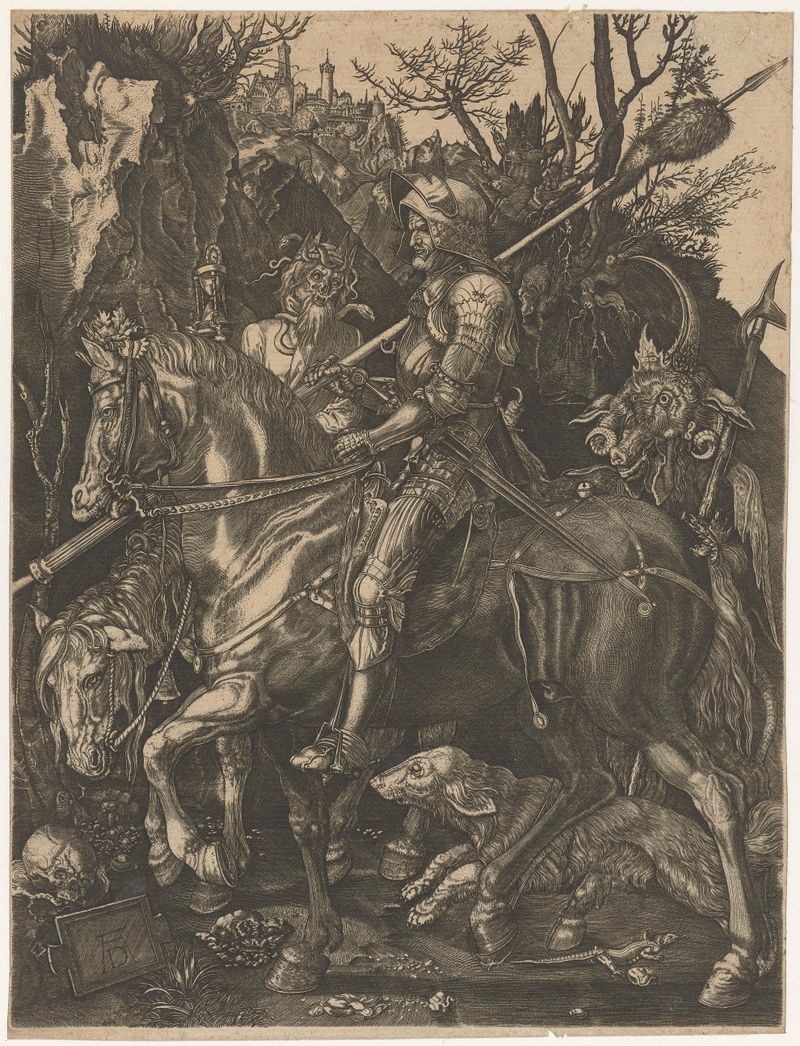
Ridder, Dood en Duivel
Unknown Artist
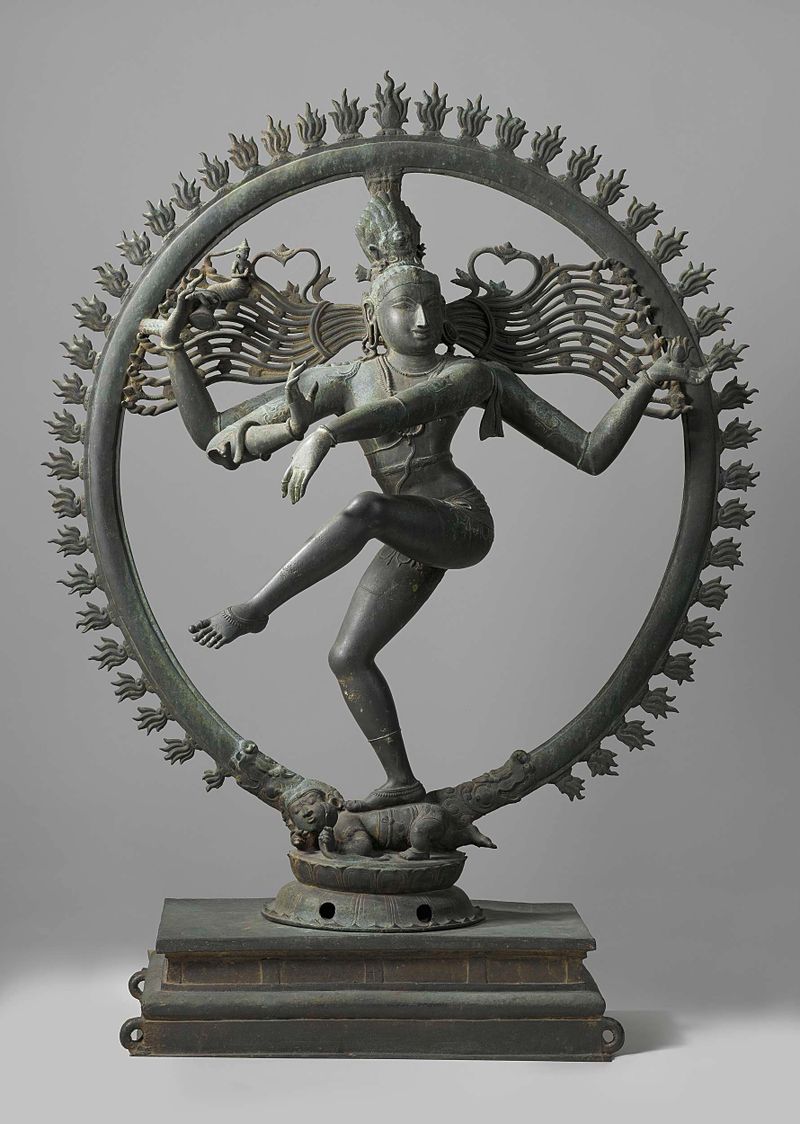
Shiva Nataraja
Unknown Artist
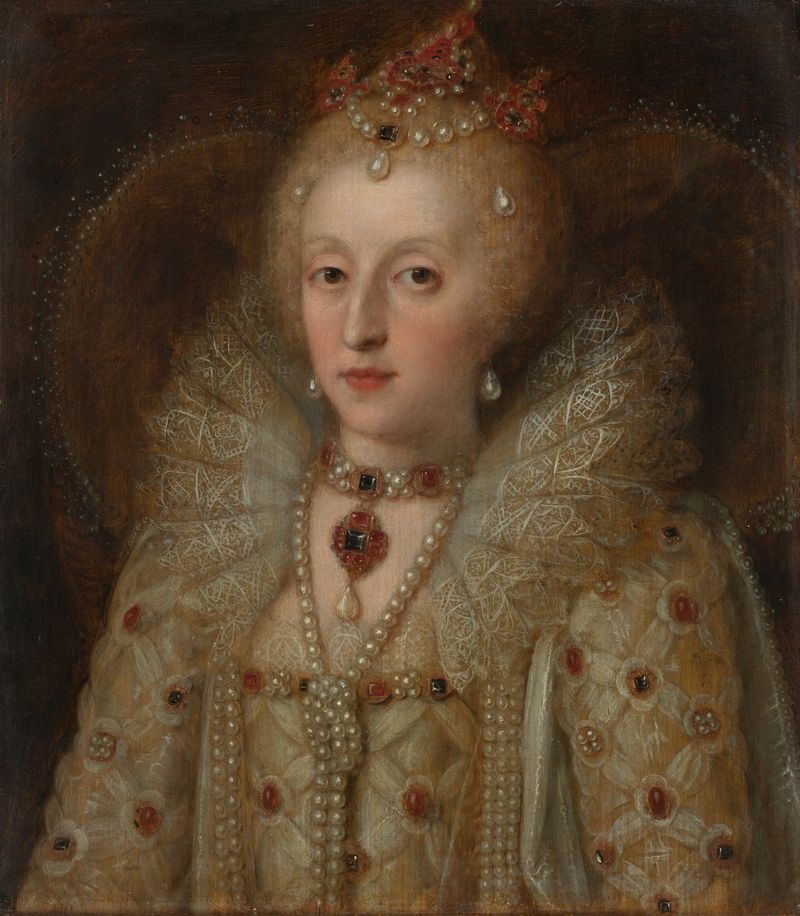
Portrait of Elizabeth I, Queen of England
Unknown Artist
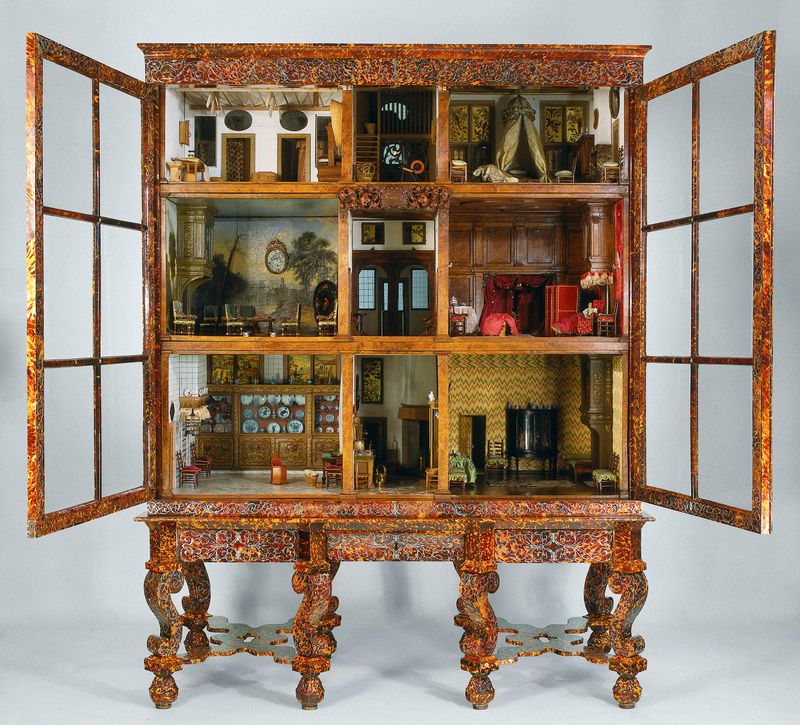
Dolls’ house of Petronella Oortman
Unknown Artist
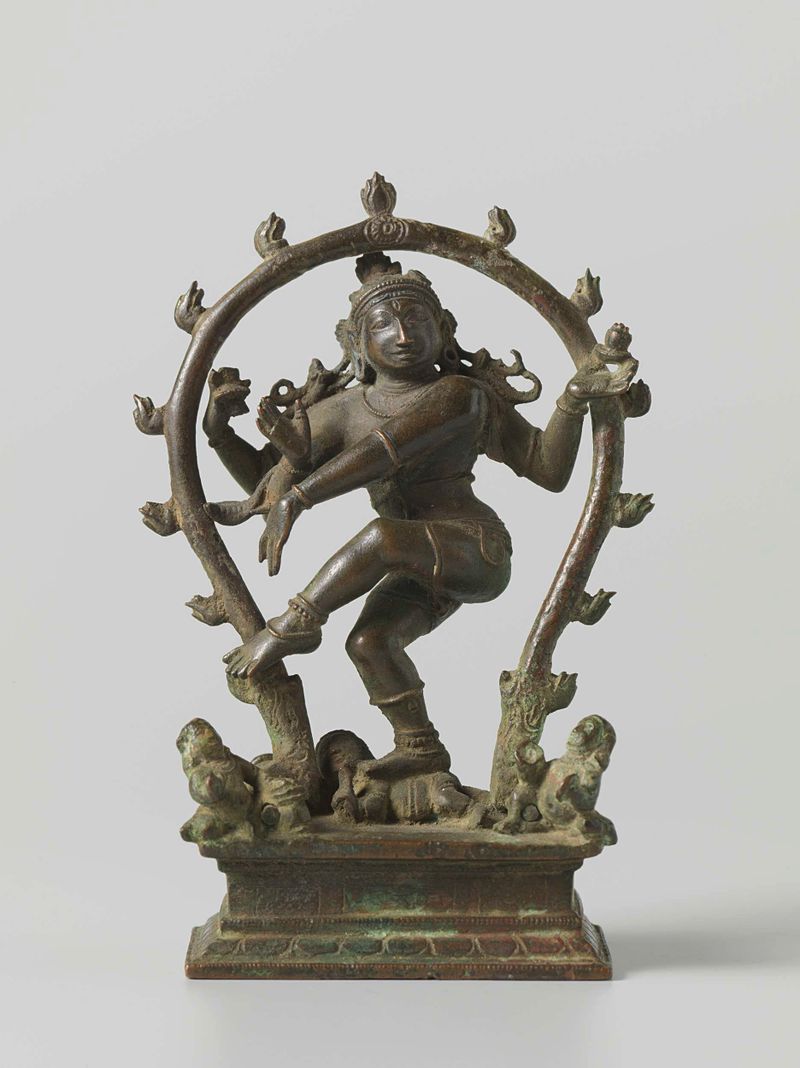
Shiva Nataraja
Unknown Artist

The Tale of Genji
Unknown Artist

The Tale of Genji
Unknown Artist
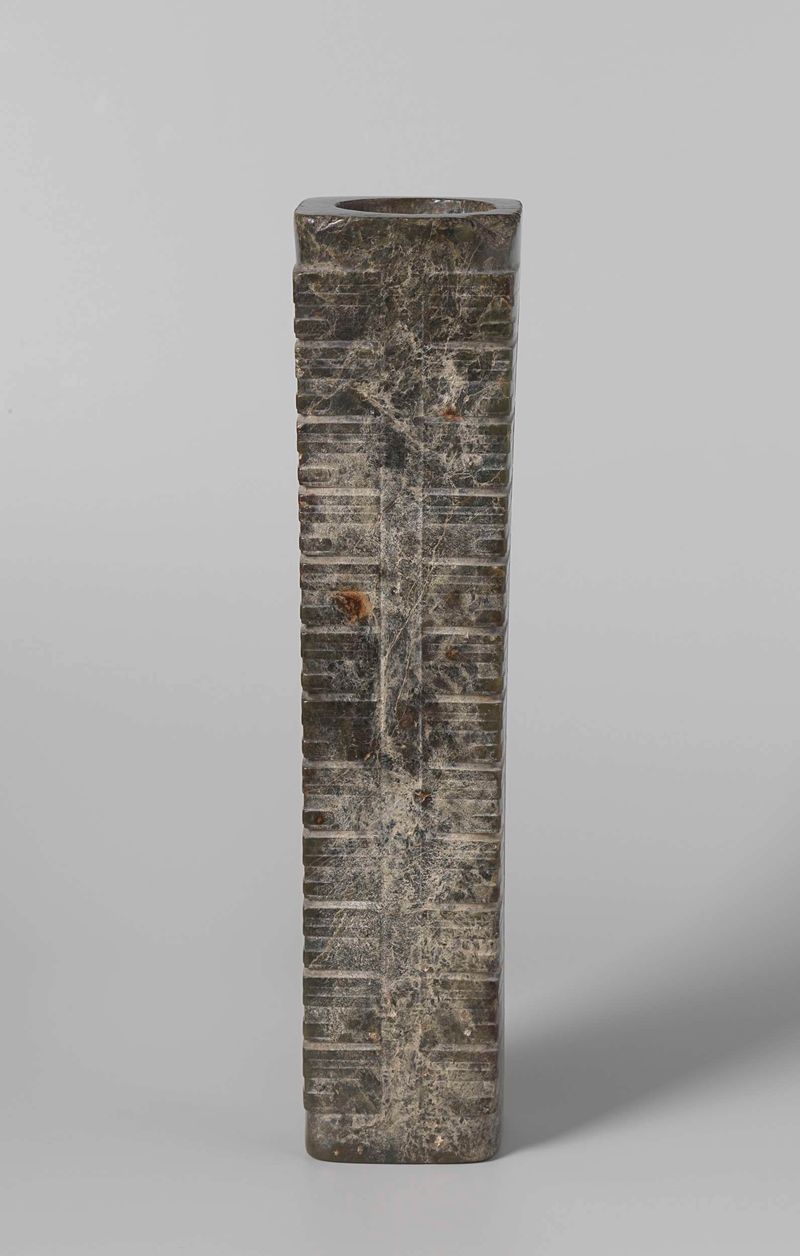
Cong
Unknown Artist
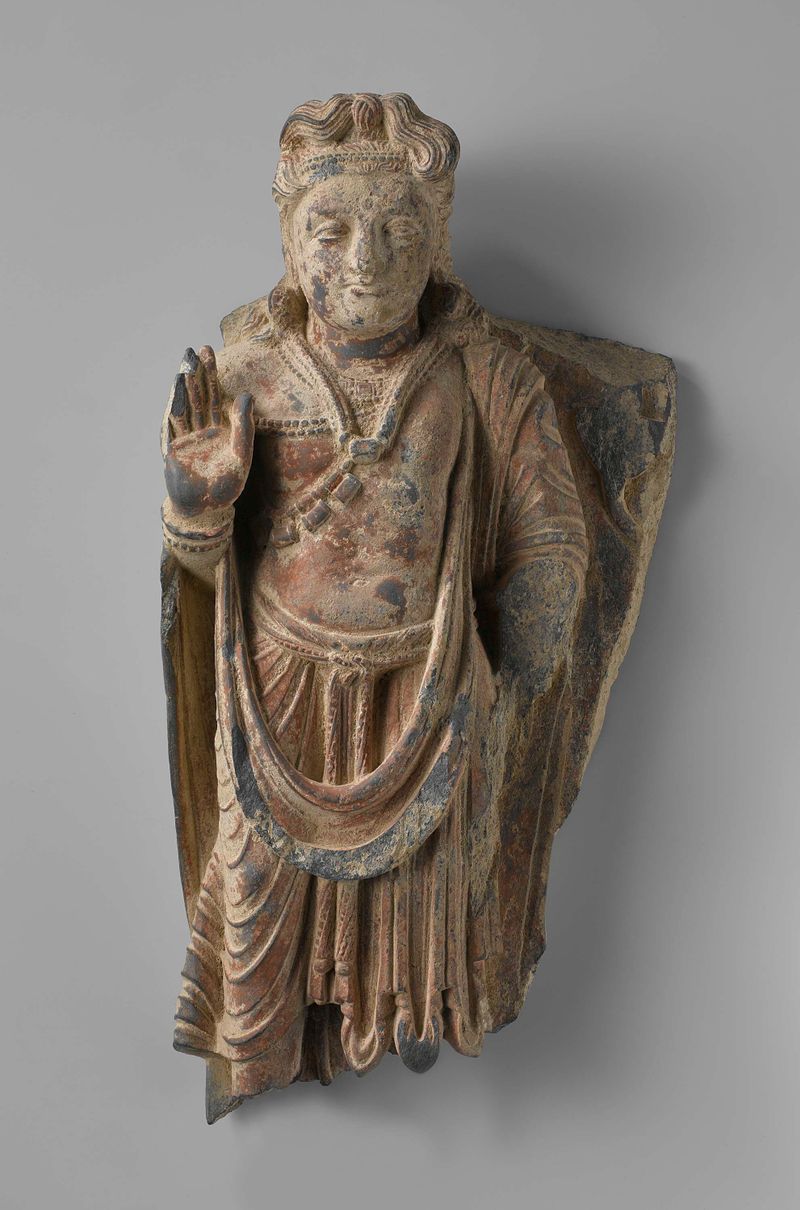
The bodhisattva Maitreya
Unknown Artist
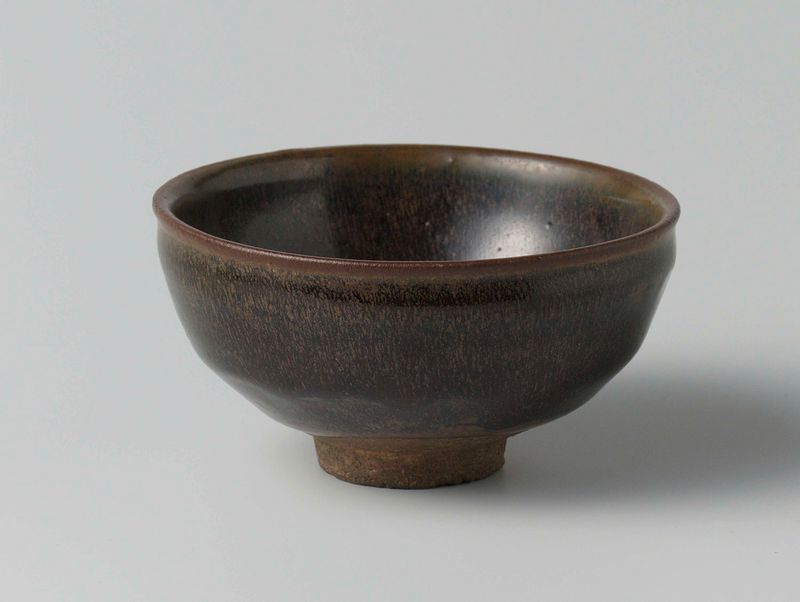
Teabowl with a 'hare's fur' glaze
Unknown Artist