
October — History & Facts
Can beauty exist without sorrow? In October, a raw tension lingers within the vibrant autumn landscape, hinting at the underlying violence of nature's cycle. Focus on the foreground, where golden leaves flutter restlessly, caught between the warm embrace of sunlight and the encroaching chill of dusk. Notice how the interplay of light enhances the fleeting moments of beauty—each leaf a poignant reminder of life’s impermanence. The artist’s brushstrokes dance across the canvas, conveying movement and emotion, while the deep blues and burnt oranges create a juxtaposition that evokes both warmth and a sense of foreboding. Hidden in the shadows of the painting is a dialogue about transience and decay.
The vivid landscape, often associated with tranquility, conceals a narrative of underlying violence—the inevitable stripping away of life as seasons change. Each element in the scene, from the gnarled branches to the vibrant foliage, represents a struggle against the passage of time, inviting contemplation of the beauty that arises from such turmoil. Frederik Marinus Kruseman created October in 1855 in the Netherlands, during a period marked by an increasing interest in realism and the natural world. Emerging from the influence of the Hague School, Kruseman sought to capture the essence of a fleeting moment through meticulous observation and emotional depth.
The painting reflects both his personal journey and the broader artistic movement of the time, where nature served as a canvas for expressing complex human experiences and emotions.
More Artworks by Frederik Marinus Kruseman
Browse all →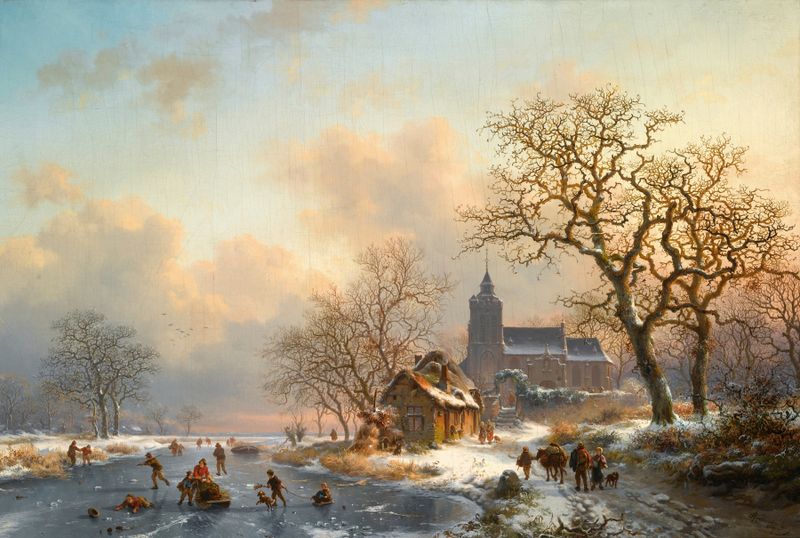
A Winter Landscape With Skaters On A Frozen River
Frederik Marinus Kruseman

Winter Landscape With Strollers And Skaters
Frederik Marinus Kruseman

Monk Meditating near a Ruin by Moonlight
Frederik Marinus Kruseman
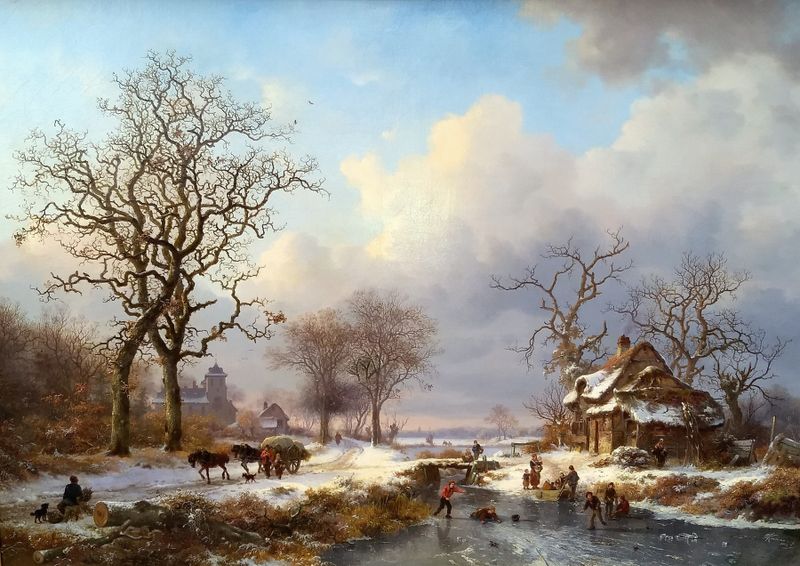
Dutch Winter Landscape with Skaters
Frederik Marinus Kruseman

Winter landscape with figures on a frozen river
Frederik Marinus Kruseman
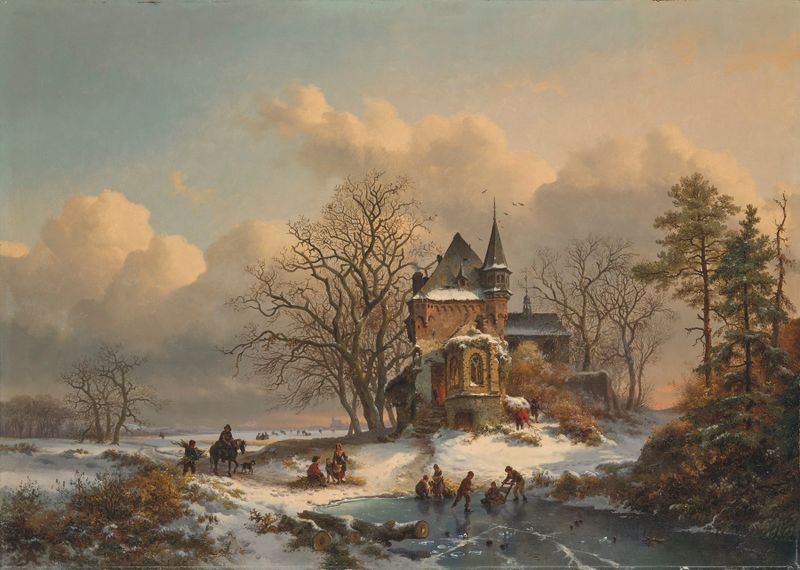
Winter landscape with skaters
Frederik Marinus Kruseman
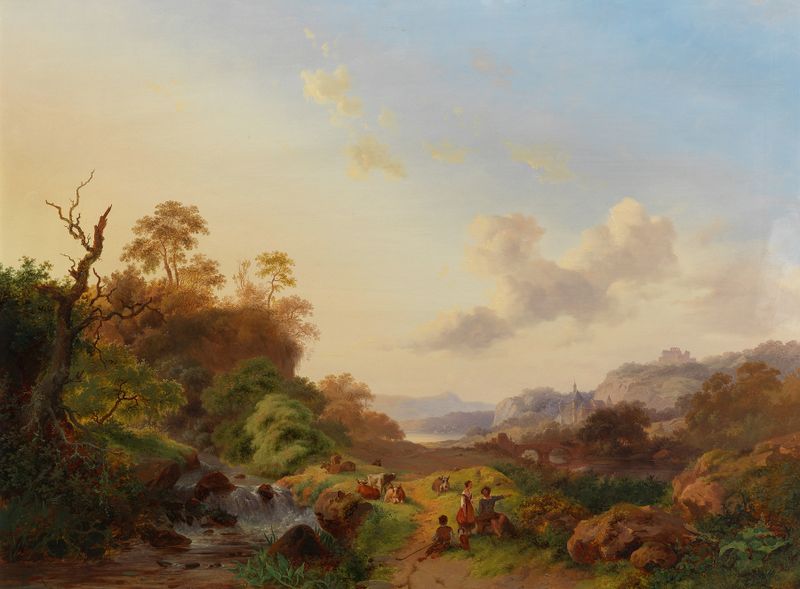
Summer landscape with figures and cattle near a waterfall
Frederik Marinus Kruseman
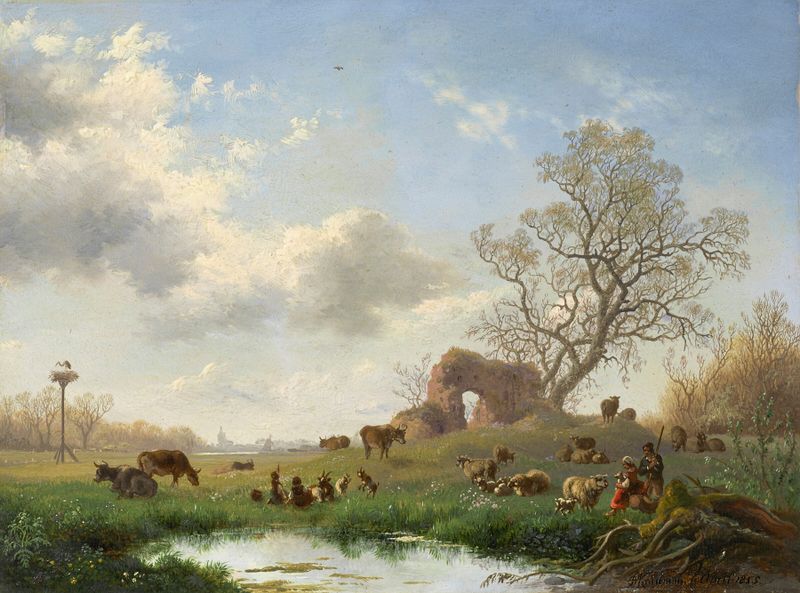
April
Frederik Marinus Kruseman
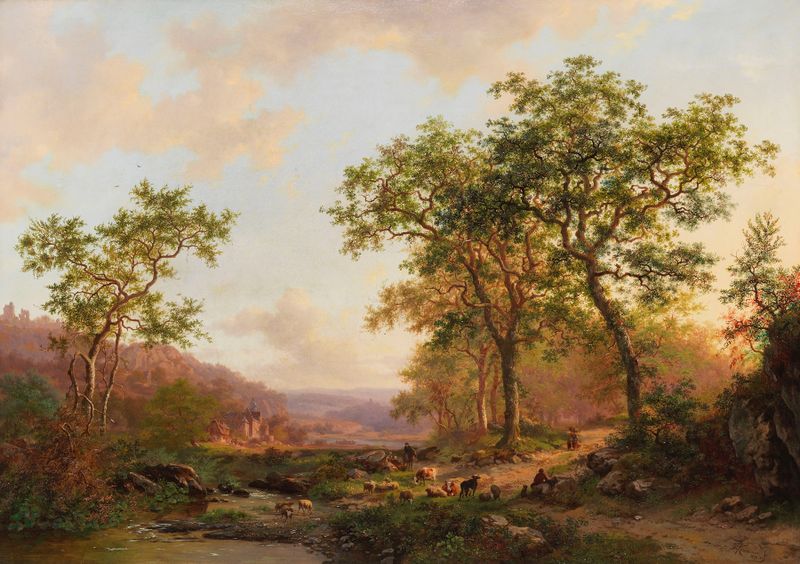
Weite Landschaft im Abendlicht
Frederik Marinus Kruseman
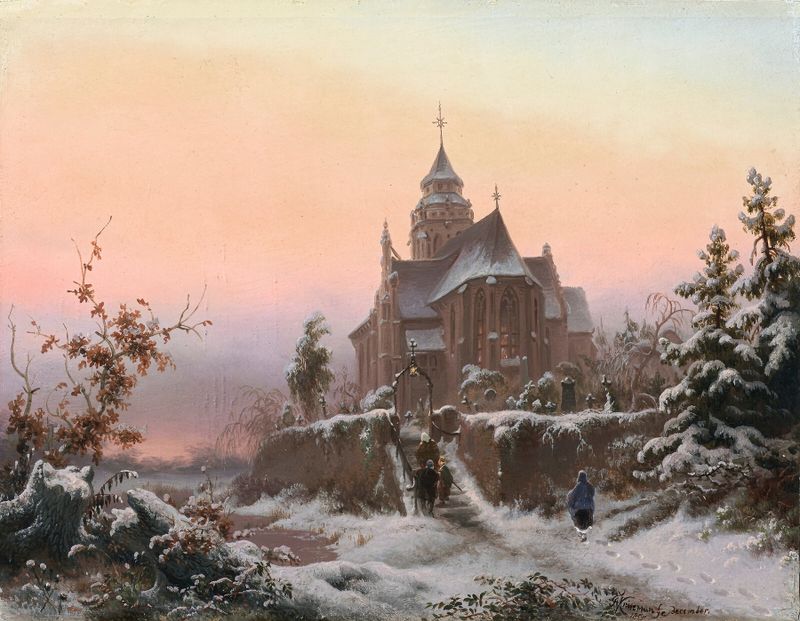
December
Frederik Marinus Kruseman





