
Oiso — History & Facts
Did the painter know this moment would outlive them? As the beauty of each fleeting scene is captured, the echoes of decay linger behind the vibrant hues, reminding us of the inevitable passage of time. Look closely at the foreground where fishermen cast their nets, their silhouettes softly framed against the gentle waves. The delicate interplay of blues and greens draws your eye, while the warm golden light of dawn kisses the horizon. Notice how Hiroshige employs delicate lines to depict the rippling water, creating a sense of movement that breathes life into the landscape.
The composition harmoniously guides your gaze from the tranquil waters to the distant mountains shrouded in mist, inviting contemplation of both nature’s grandeur and its fragility. Underlying this serene panorama is a poignant tension between the beauty of the moment and the understanding of decay. The vibrant colors symbolize life, yet the fishermen's toil hints at an uncertain future, as each catch is both a bounty and a transience. The distant Mt.
Fuji stands as a silent witness to this cycle, representing endurance amidst the temporal nature of human endeavors. This duality—celebration and melancholy—evokes a deep sense of reflection on our own fleeting existence. Created between 1841 and 1842, this piece emerged during a time when Hiroshige was deeply engaged in the ukiyo-e genre, focusing on landscapes and the fleeting moments of daily life. Living in Edo (now Tokyo), he was inspired by the beauty surrounding him, a period marked by a growing appreciation for the natural world.
The artist’s immersive approach not only captured the essence of the scenery but also resonated with a broader cultural shift in Japan, embracing the transient beauty of life through art.
More Artworks by Utagawa Hiroshige
Browse all →
Sudden Shower over Shin Ohashi Bridge and Atake (Ohashi Atake no yudachi), from the series "One Hundred Famous Views of Edo (Meisho Edo hyakkei)"
Utagawa Hiroshige
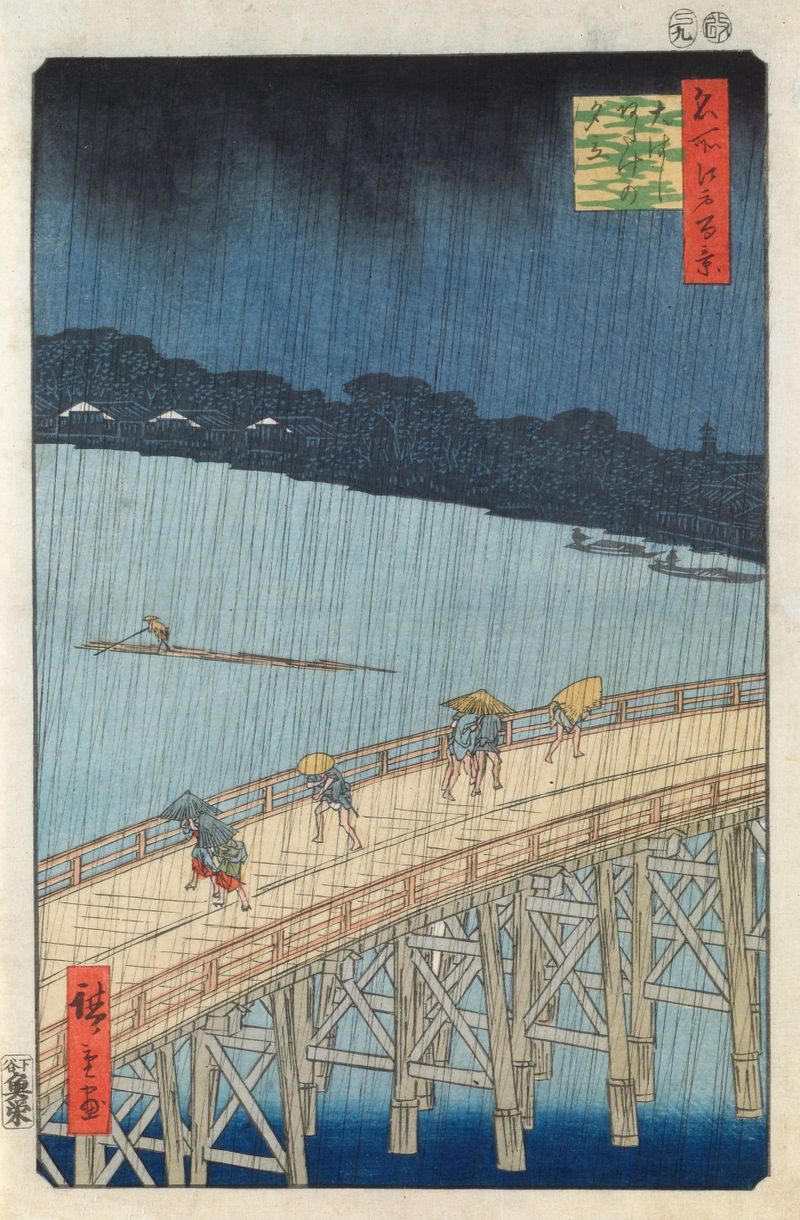
Sudden Shower Over Ohashi Bridge and Atake
Utagawa Hiroshige
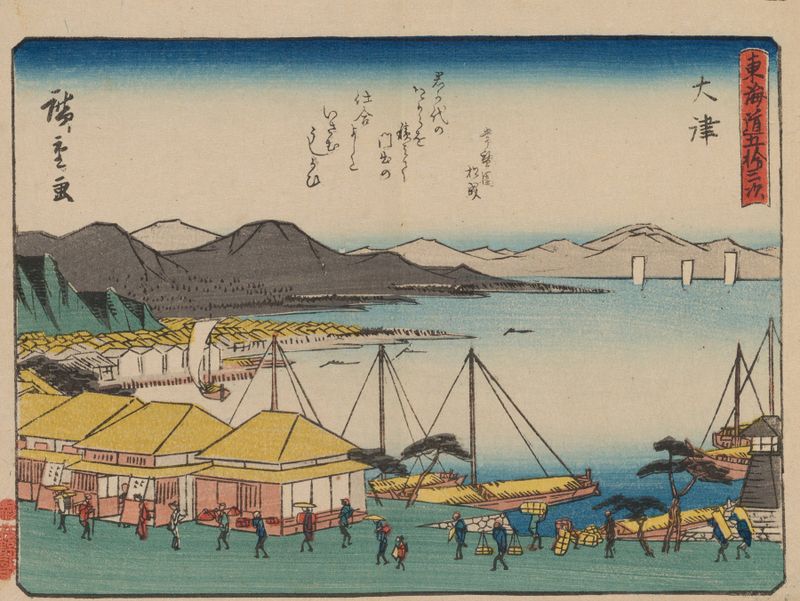
Tokaido gojusantsugi, Pl.54
Utagawa Hiroshige
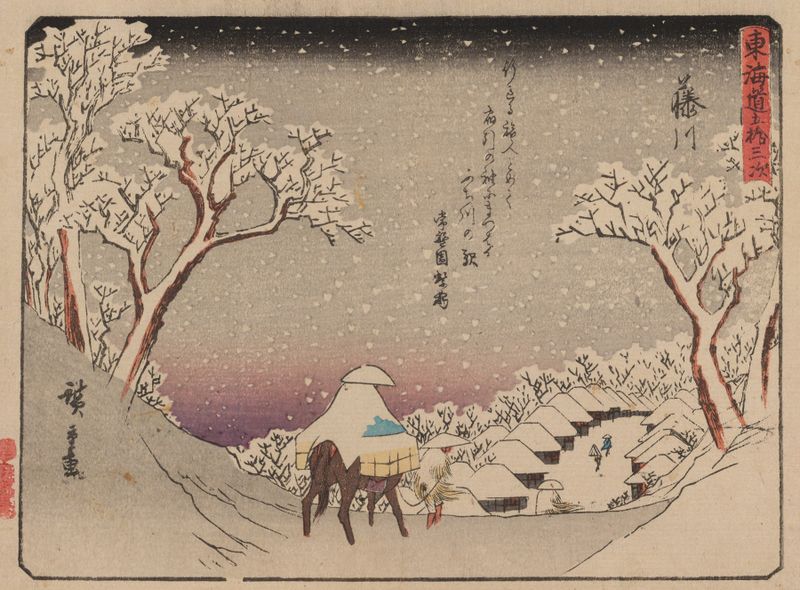
Tokaido gojusantsugi, Pl.38
Utagawa Hiroshige
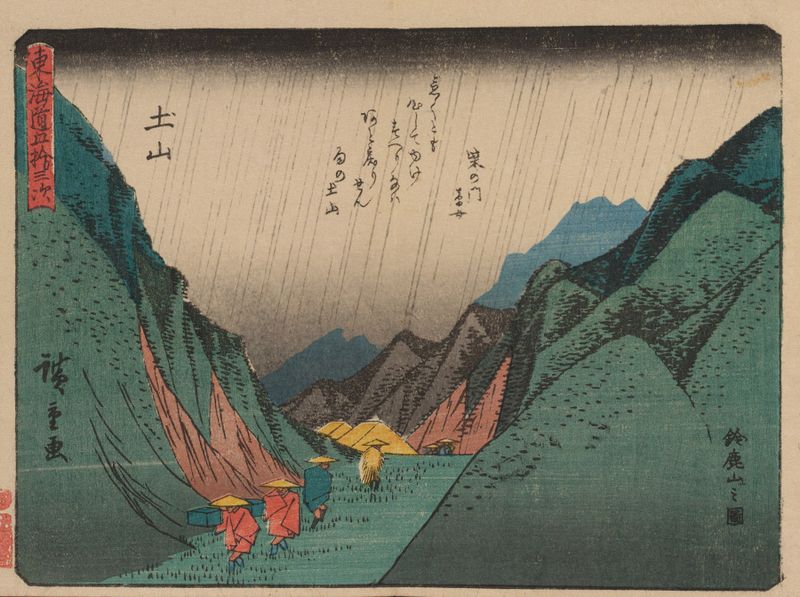
Tokaido gojusantsugi, Pl.50
Utagawa Hiroshige
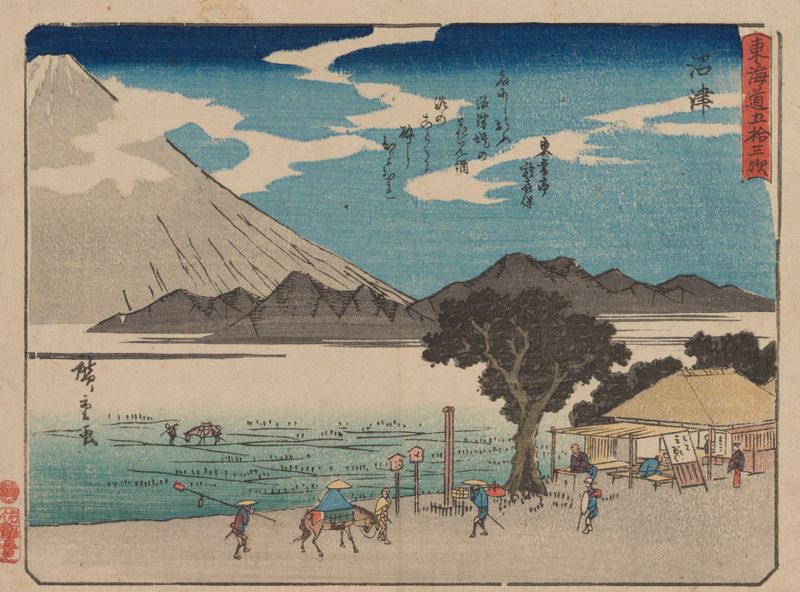
Tokaido gojusantsugi, Pl.13
Utagawa Hiroshige
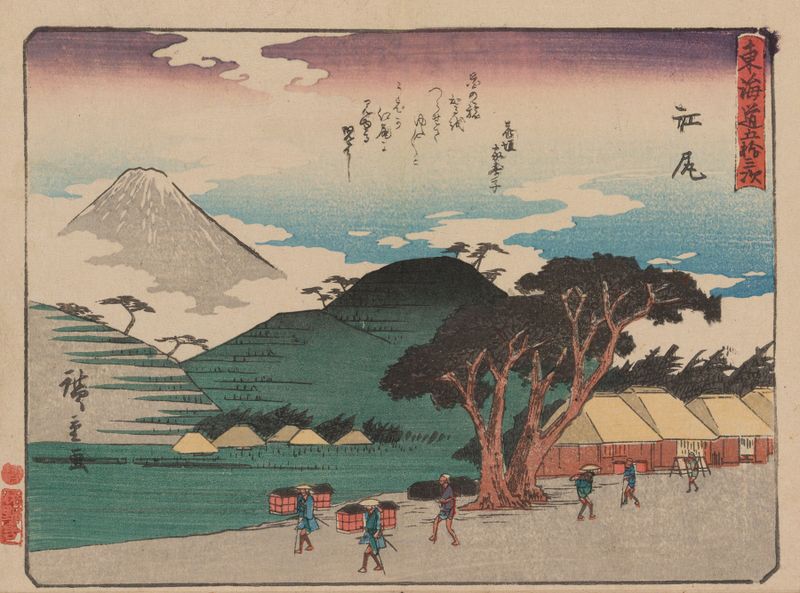
Tokaido gojusantsugi, Pl.19
Utagawa Hiroshige
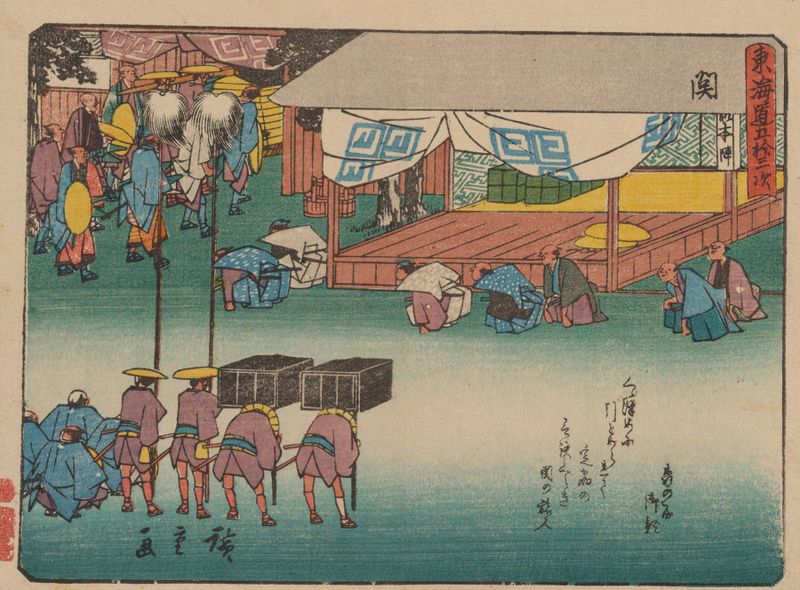
Tokaido gojusantsugi, Pl.48
Utagawa Hiroshige
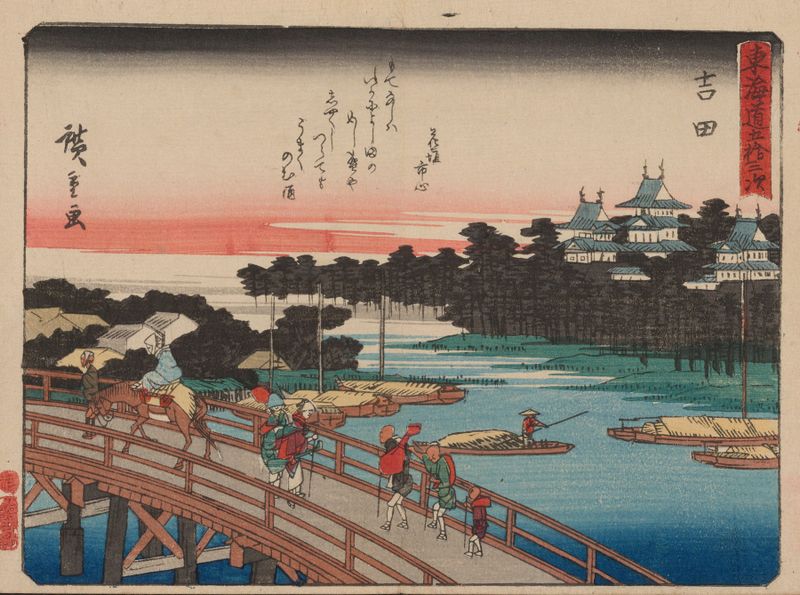
Tokaido gojusantsugi, Pl.35
Utagawa Hiroshige
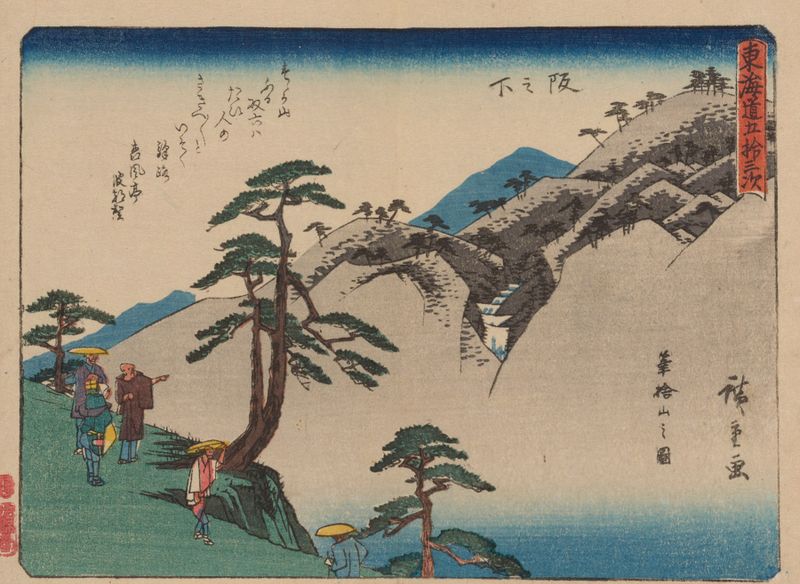
Tokaido gojusantsugi, Pl.49
Utagawa Hiroshige





