
Old Albrechtsplatz (today Albertinaplatz) in Vienna with the Philipphof and the Mozart monument — History & Facts
Could beauty survive in a century of chaos? In Old Albrechtsplatz, the ephemeral elegance of Vienna clashes with the relentless march of time, inviting us to ponder the transitory nature of art and life. Look to the center where the Mozart monument stands proudly, an emblem of cultural heritage. Its white marble gleams in the soft light, contrasting sharply with the muted earth tones of the surrounding buildings. Notice how the artist captures the bustling square, with figures bustling about, their movements almost palpable against the backdrop of stately architecture.
The sky looms overhead, painted in soft blues and grays, hinting at the ever-changing atmosphere of the city. Graner’s brushwork brings texture to the scene, creating an almost tactile experience of the cobblestone paths and the ornate features of the Philipphof. Hidden within the vibrancy of this scene lies a bittersweet tension—a juxtaposition of the enduring presence of music and art against the backdrop of impending modernity. The figures, absorbed in their daily lives, reflect the transient nature of existence, reminding us that while monuments may stand eternal, human moments fade.
The delicate interplay of light and shadow evokes a sense of nostalgia, whispering that even as the world evolves, the essence of beauty remains a cornerstone of human experience. In 1899, as Graner painted Old Albrechtsplatz, Vienna was a city in flux, teetering between the grandeur of the past and the uncertainties of the future. The art world was embracing the Modernist movement, shifting perspectives and challenging traditional boundaries. Amidst this evolution, Graner found solace in capturing the enduring charm of the city, creating a work that resonates with the resilience of culture amidst a rapidly changing landscape.
More Artworks by Ernst Graner
Browse all →
The Departure of Emperor Francis Joseph, near the Schweizertor in Hofburg residence
Ernst Graner
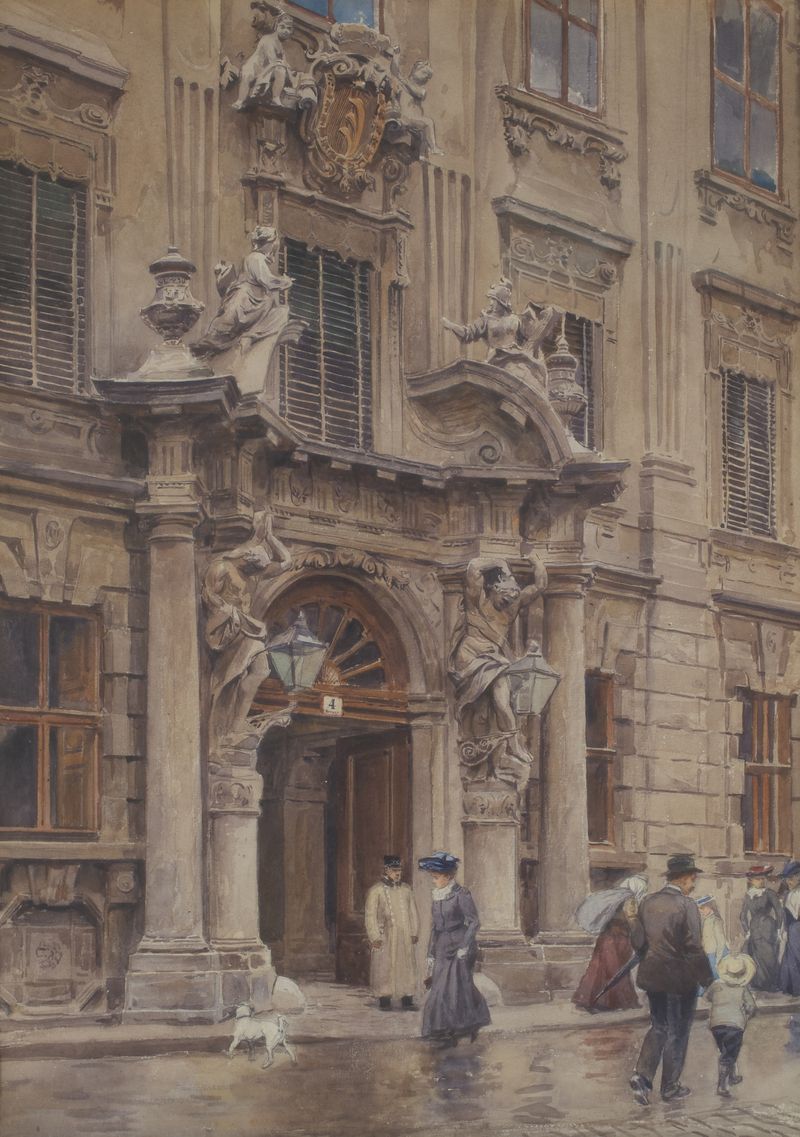
Das Portal Des Palais Kinsky
Ernst Graner
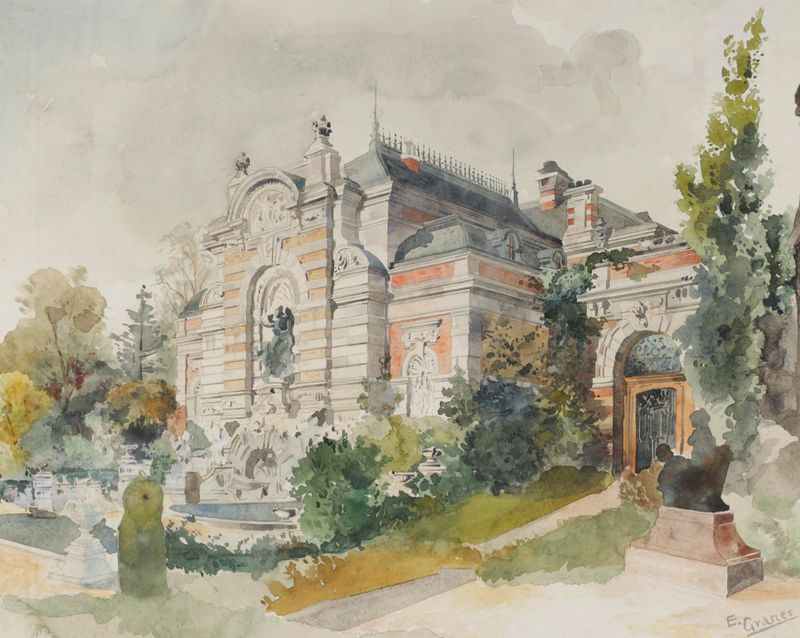
Villa in einem Park
Ernst Graner

Karlskirche
Ernst Graner

Kaiser Franz Joseph überquert den Naschmarkt
Ernst Graner

Palais des Prinzen Eugen in der Himmelpfortgasse
Ernst Graner

Die Schwendergasse In Wien Mit Schwenders Colosseum
Ernst Graner
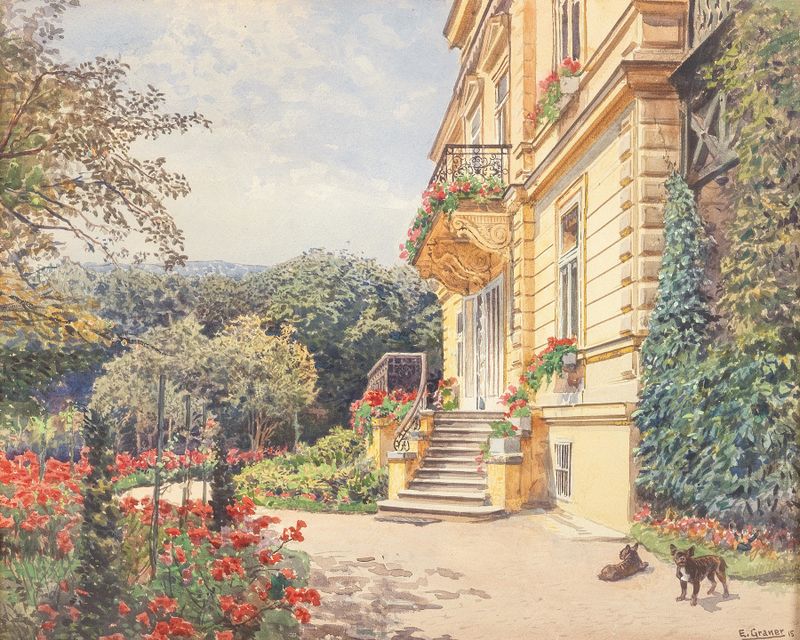
Villa in gepflegtem Garten
Ernst Graner
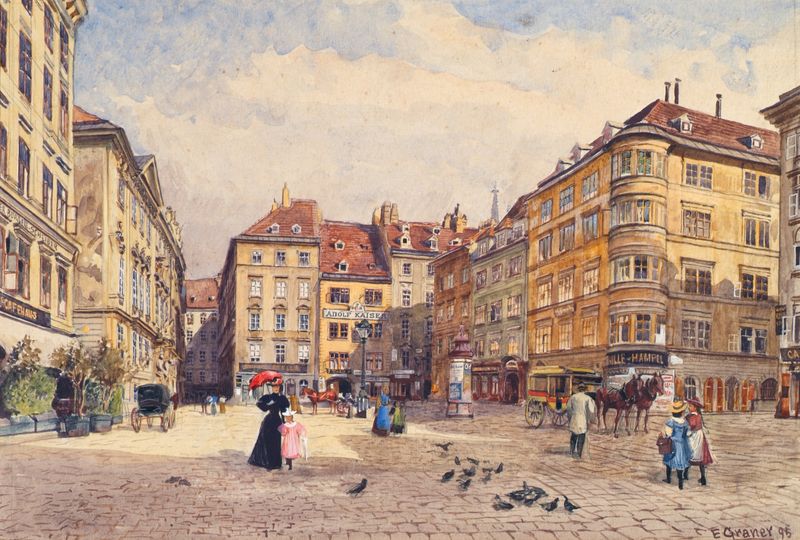
Der Judenplatz In Wien
Ernst Graner

A ‘Fiaker’ (horse-drawn carriage) near Franziskaner church
Ernst Graner





