
Kaiser Franz Joseph überquert den Naschmarkt — History & Facts
What secret hides in the quiet of the canvas? In the stillness of Kaiser Franz Joseph überquert den Naschmarkt, a somber void envelops the bustling market scene, revealing layers of history and emotion beneath the surface. Focus on the left side of the composition, where the figure of Kaiser Franz Joseph stands poised, a commanding presence amid the lively throng. The figures around him blend into a tapestry of muted colors, suggesting the ebb and flow of daily life. Notice how the artist employs a palette of soft browns and greens, interspersed with vibrant accents, to evoke a sense of nostalgia while simultaneously grounding the viewer in reality.
The masterful use of light casts gentle shadows, enhancing the depth and texture of the scene, as if inviting us to step closer and become part of this historical moment. Within the gathering, contrasts emerge that speak to both reverence and disconnection. The admiration reflected in the faces of the onlookers juxtaposes the Kaiser’s resolute expression, hinting at a complex relationship between power and the populace. The bustling market, alive with activity, serves as a backdrop to a lone figure who carries the weight of expectation and duty.
It’s a poignant reminder of the isolation often felt by those in positions of authority, even as they are surrounded by the vibrancy of life. Ernst Graner created this artwork during a time of shifting identities and evolving sentiments in Europe, though the specific date remains uncertain. While the precise context is elusive, his work reflects a period characterized by the interplay of tradition and modernity in Vienna. The artist's ability to capture both the grandeur of the imperial figure and the everyday lives of the citizens around him speaks to the broader artistic movements of the time, where the personal often intertwined with the political.
More Artworks by Ernst Graner
Browse all →
The Departure of Emperor Francis Joseph, near the Schweizertor in Hofburg residence
Ernst Graner

Old Albrechtsplatz (today Albertinaplatz) in Vienna with the Philipphof and the Mozart monument
Ernst Graner
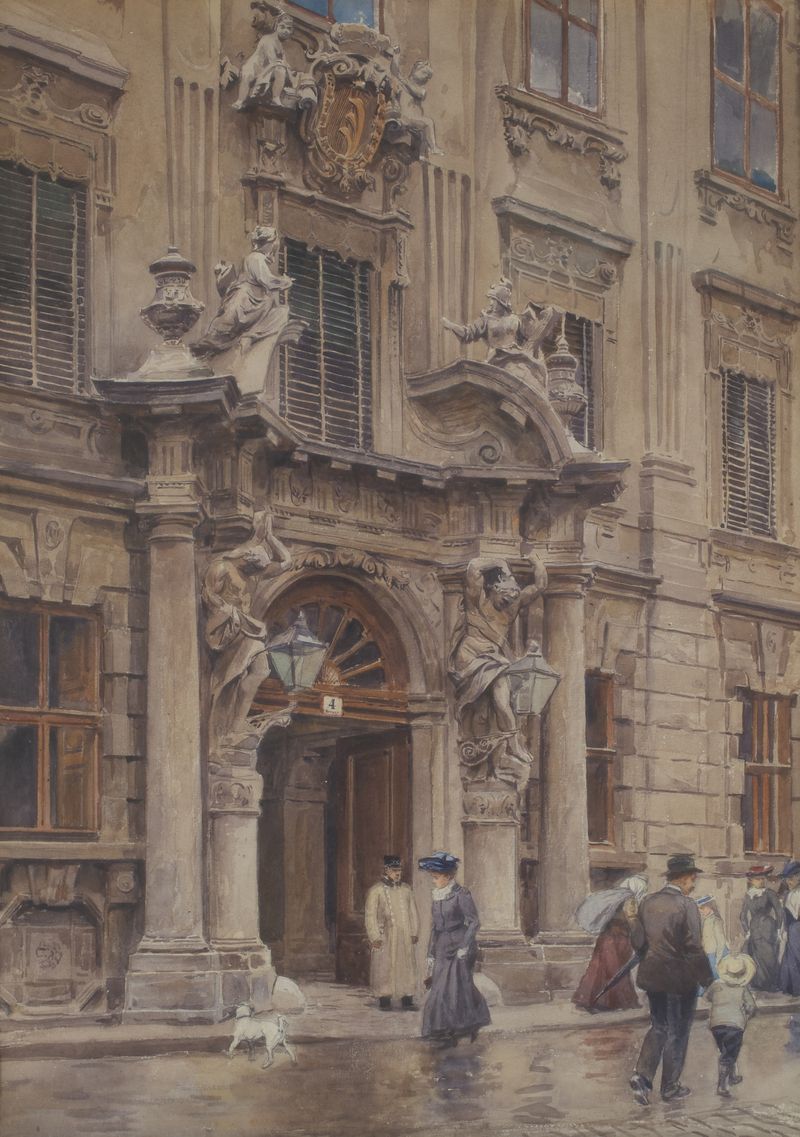
Das Portal Des Palais Kinsky
Ernst Graner
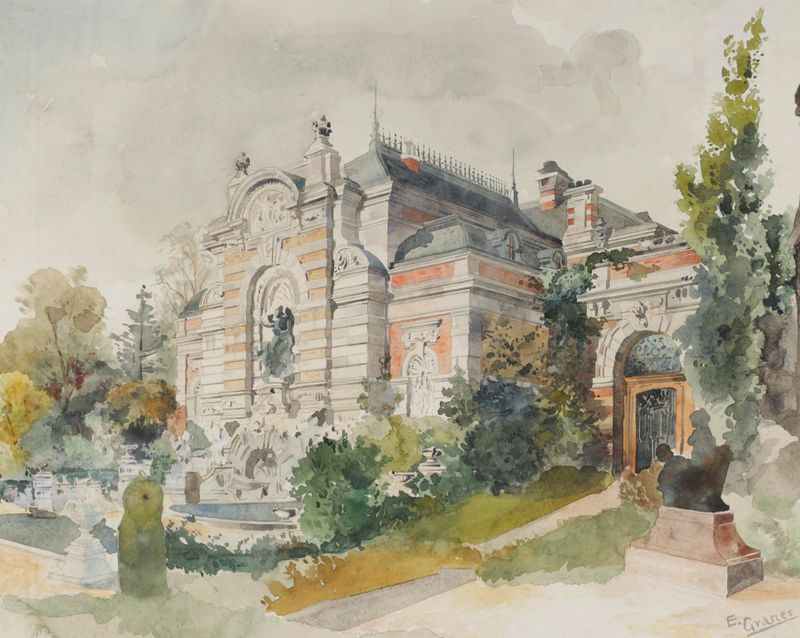
Villa in einem Park
Ernst Graner

Karlskirche
Ernst Graner

Palais des Prinzen Eugen in der Himmelpfortgasse
Ernst Graner

Die Schwendergasse In Wien Mit Schwenders Colosseum
Ernst Graner
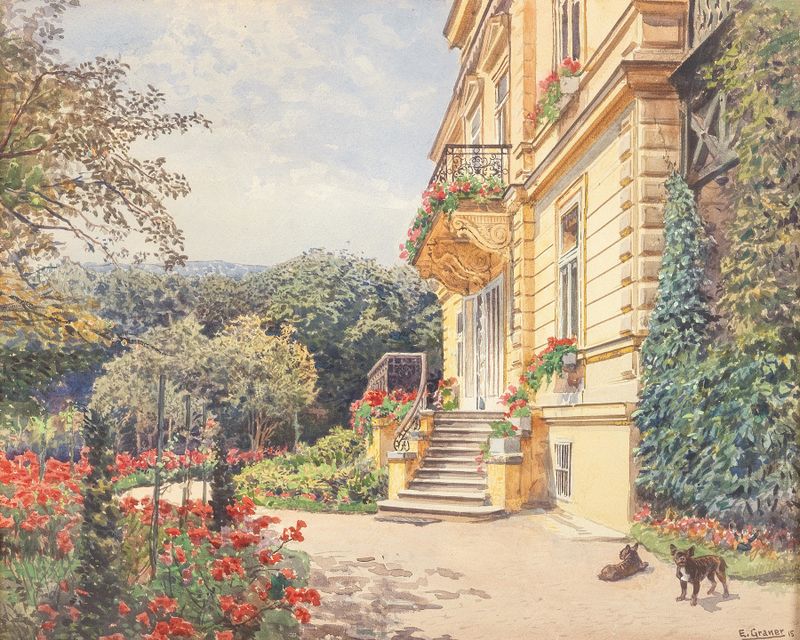
Villa in gepflegtem Garten
Ernst Graner
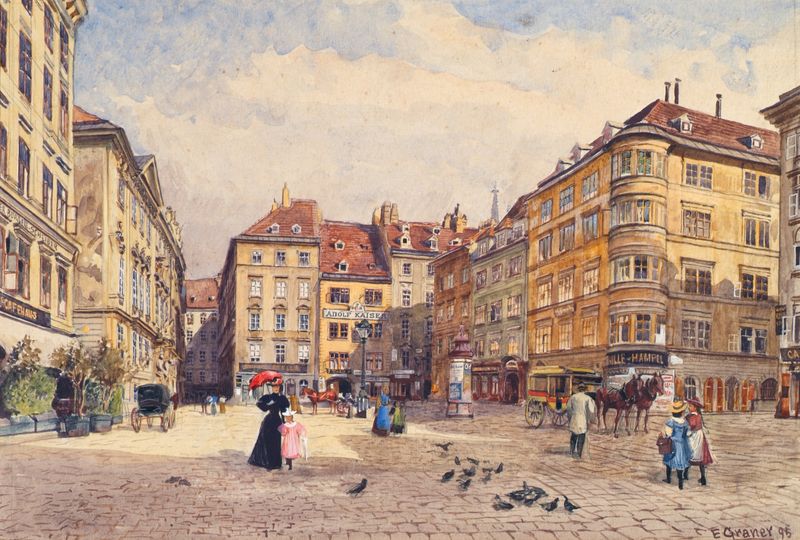
Der Judenplatz In Wien
Ernst Graner

A ‘Fiaker’ (horse-drawn carriage) near Franziskaner church
Ernst Graner
More Historical Art
Browse all →
The Night Watch Militia Company of District II under the Command of Captain Frans Banninck Cocq
Rembrandt van Rijn

Lincoln Memorial
Henry Bacon

The Third of May 1808
Francisco de Goya

Isaac and Rebecca, Known as ‘The Jewish Bride’
Rembrandt van Rijn

The Charge of the Mamelukes (1814)
Francisco de Goya

De vier ruiters van de apocalyps
Albrecht Dürer