
Old apple trees — History & Facts
In the quiet layers of life, bursts of nostalgia and grief meld into a single brushstroke, inviting us to consider the sweetness and sorrow of lost moments. Look to the center of the canvas, where gnarled branches intertwine, stretching out like fragile memories against a luminous sky. The muted greens and browns evoke the weight of age, while the dappled sunlight flickers through the foliage, creating a dance of light and shadow. Notice how the artist’s brushwork captures both the rugged texture of the bark and the soft sway of the leaves, inviting the viewer to linger in a contemplative embrace of nature’s resilience. Beneath the surface of this serene landscape lies a poignant tension between vitality and decay.
The old apple trees stand not only as symbols of life’s bounty but also as reminders of time’s relentless passage, each fruit a whisper of what once was. The interplay of light and shadow evokes a sense of duality — the joy of harvest intertwined with the inevitability of loss. This duality resonates deeply, inviting reflections on personal memories and the ways we cope with grief. Created during a period of artistic exploration, the painting emerged in 1903 when the artist found refuge in the natural beauty of his homeland.
Amidst the changing landscapes of Polish art, Ferdynand Ruszczyc sought to embrace both realism and emotional depth, reflecting a world on the brink of modernity while anchoring his work in the nuances of collective memory and personal experience.
More Artworks by Ferdynand Ruszczyc
Browse all →
Winter Tale
Ferdynand Ruszczyc

Trees against the sky
Ferdynand Ruszczyc
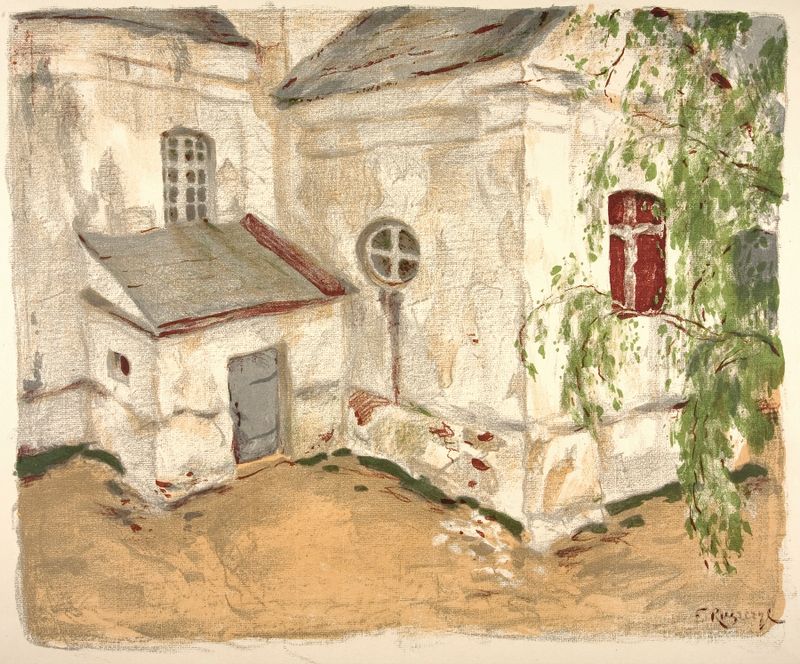
Church in Lithuania
Ferdynand Ruszczyc
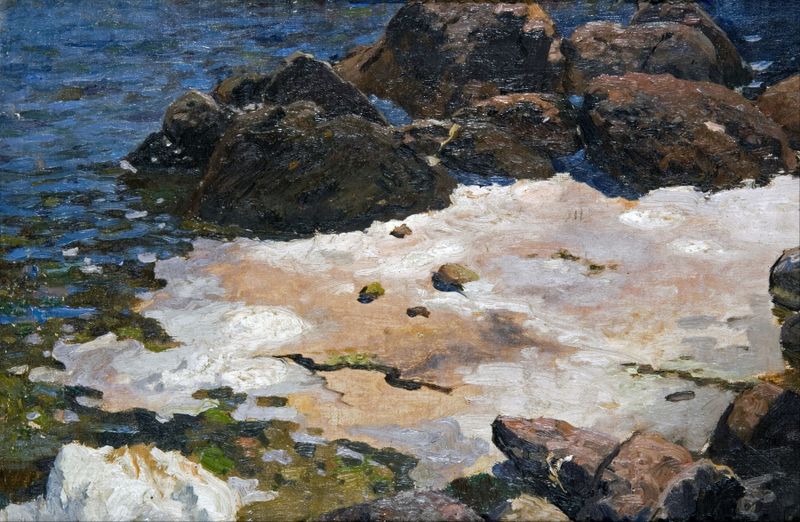
Krym, brzeg morza
Ferdynand Ruszczyc

Forest rivulet
Ferdynand Ruszczyc
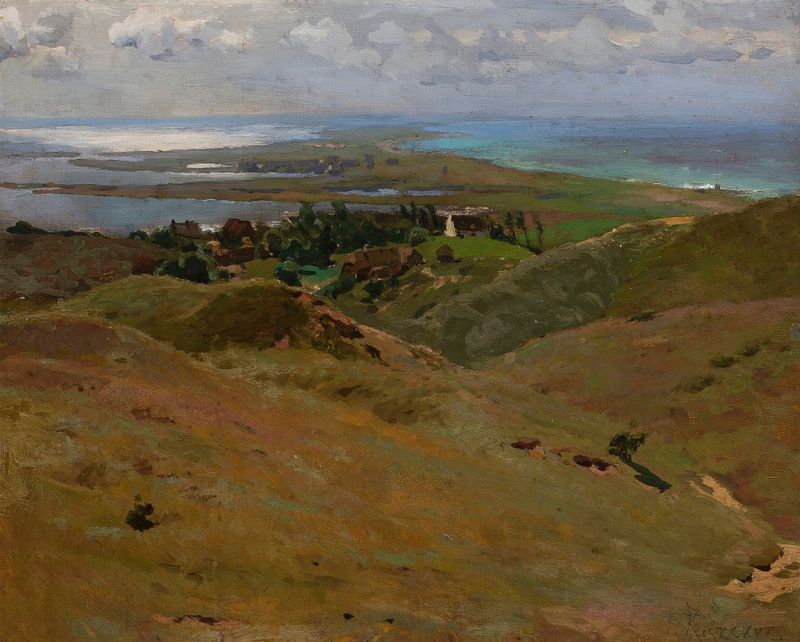
Landscape from Bornholm
Ferdynand Ruszczyc

Mill
Ferdynand Ruszczyc

Landscape – stream
Ferdynand Ruszczyc
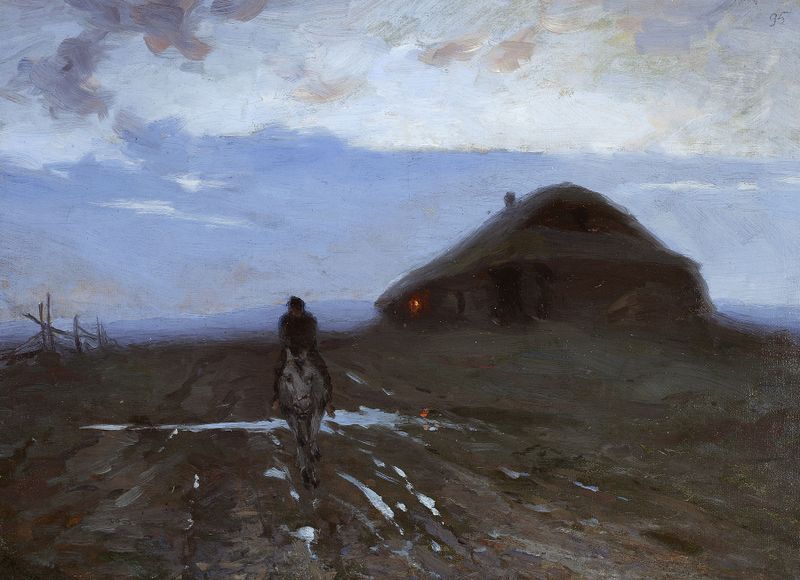
Wayside inn
Ferdynand Ruszczyc

Landscape study in Bohdanów
Ferdynand Ruszczyc





