
Old La Roche — History & Facts
In Old La Roche, a profound emptiness resonates, beckoning the viewer into its expansive tranquility. This painting invites a silent contemplation of solitude, where space itself becomes an emotional landscape. Look closely at the sweeping strokes of muted greens and browns that make up the foreground. The gentle undulation of the hills draws the eye toward the horizon, while the soft interplay of light and shadow crafts a serene depth.
Notice how the sky, a tapestry of delicate blues and whites, envelops the scene, enhancing the essence of stillness. Each brushstroke serves as a testament to the artist’s deft touch, transforming the ordinary into a realm of quiet reflection. Beneath this serene surface lies a contemplative tension. The stark contrast between the rugged, earthy terrain and the ethereal sky evokes a sense of isolation and introspection.
The landscape’s emptiness speaks volumes, suggesting the weight of absence and the profound beauty found within it. This juxtaposition of solidity and airiness mirrors the complexities of human experience, where emptiness can nurture grace and contemplation. In 1907, David Young Cameron painted Old La Roche during a time when he was deeply engaged with landscapes that conveyed both emotional depth and aesthetic simplicity. Living in Scotland, he was influenced by the Post-Impressionist movement, which encouraged artists to explore the emotional resonance of color and form.
This period marked a significant evolution in Cameron’s style, reflecting his desire to capture the essence of his surroundings and the feelings they inspired.
More Artworks by David Young Cameron
Browse all →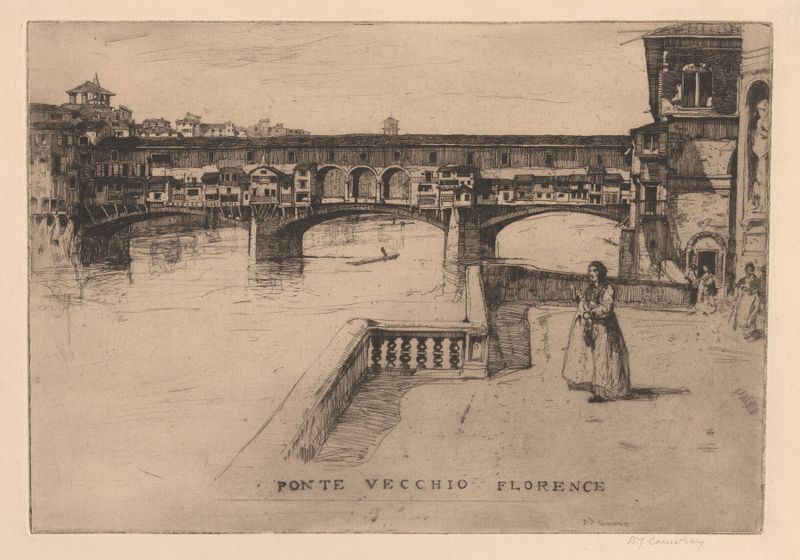
Ponte Vecchio
David Young Cameron

The Deanery, Winchester
David Young Cameron
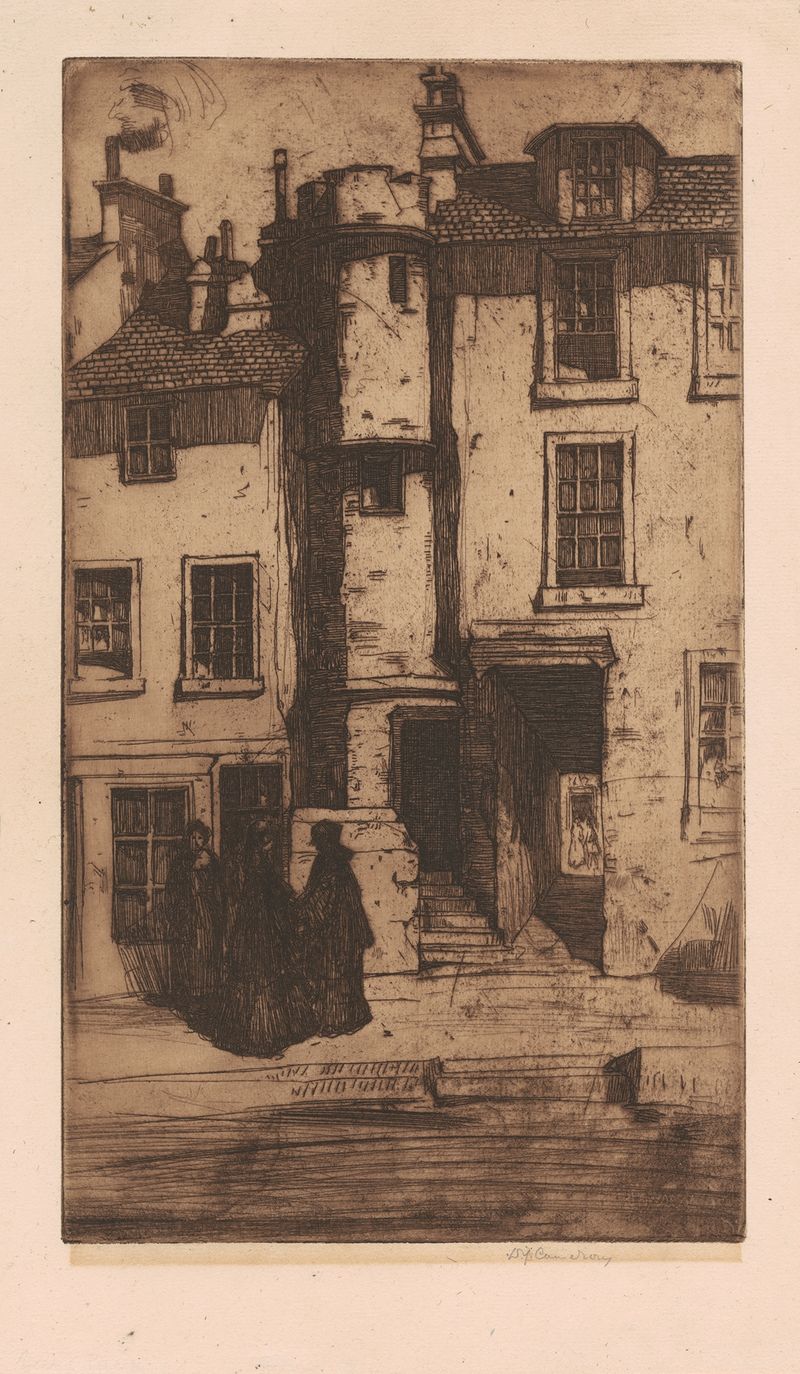
Old Houses, Stirling
David Young Cameron
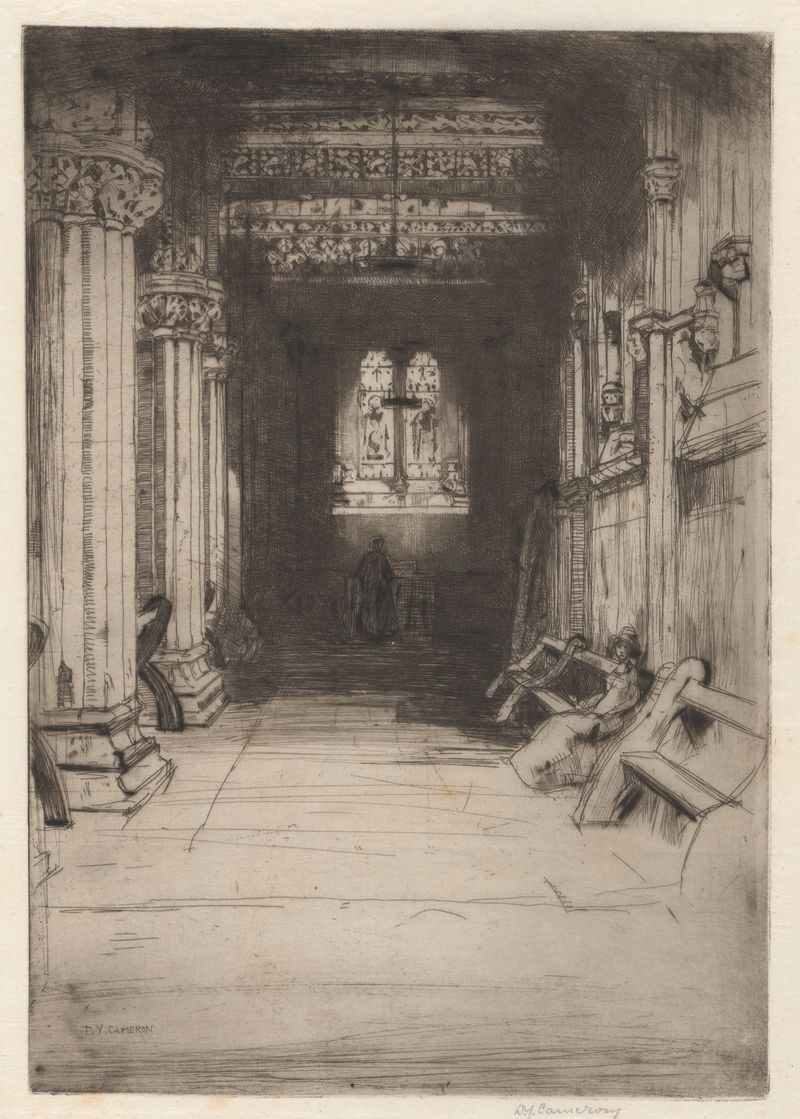
Rosslyn Chapel
David Young Cameron

The Old Museum, Beauvais
David Young Cameron
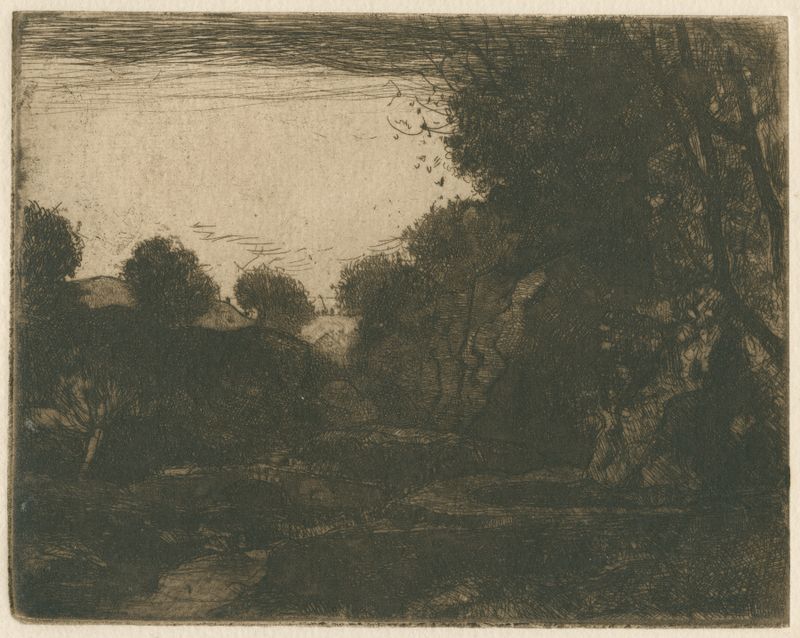
On the Bradford
David Young Cameron

The Smithy
David Young Cameron
Castle Moyle
David Young Cameron
Downing Street
David Young Cameron

Glasgow Cathedral
David Young Cameron





