
Old Limekiln — History & Facts
In the quiet embrace of nature, remnants of human endeavor linger, whispering stories of the past. The legacy of those who toiled at the old limekiln is etched not only in the stone but in the gentle encroachment of the wild, where nature and industry intertwine. Focus on the foreground, where the dilapidated kiln stands in a silent dialogue with the lush greenery surrounding it. Look closely at the weathered stones, their textures revealing the passage of time, as dappled sunlight filters through the branches overhead.
Notice the muted palette of earthy greens and browns, which harmonizes with the soft grays of the kiln and evokes a sense of nostalgia, imbuing the scene with both warmth and melancholy. The juxtaposition between the sturdy structure of the kiln and the delicate wildflowers reclaiming the land speaks to the cycle of creation and decay. This interplay evokes the transient nature of human achievement against the relentless march of time. Hidden details, like the moss creeping along the kiln’s crevices, serve as silent witnesses to its history, reminding us that all legacies are ultimately shaped by the persistent hand of nature. In 1913, Lathrop painted this work during a time of industrial transformation in America, where the remnants of the past coexisted with the rapid growth of modernity.
He was deeply invested in capturing the American landscape, focusing on the dialogues between humanity and nature. This painting reflects his observation of a world transitioning, where memories linger in the shadows of forgotten structures, urging future generations to recognize the beauty woven into the fabric of history.
More Artworks by William Langson Lathrop
Browse all →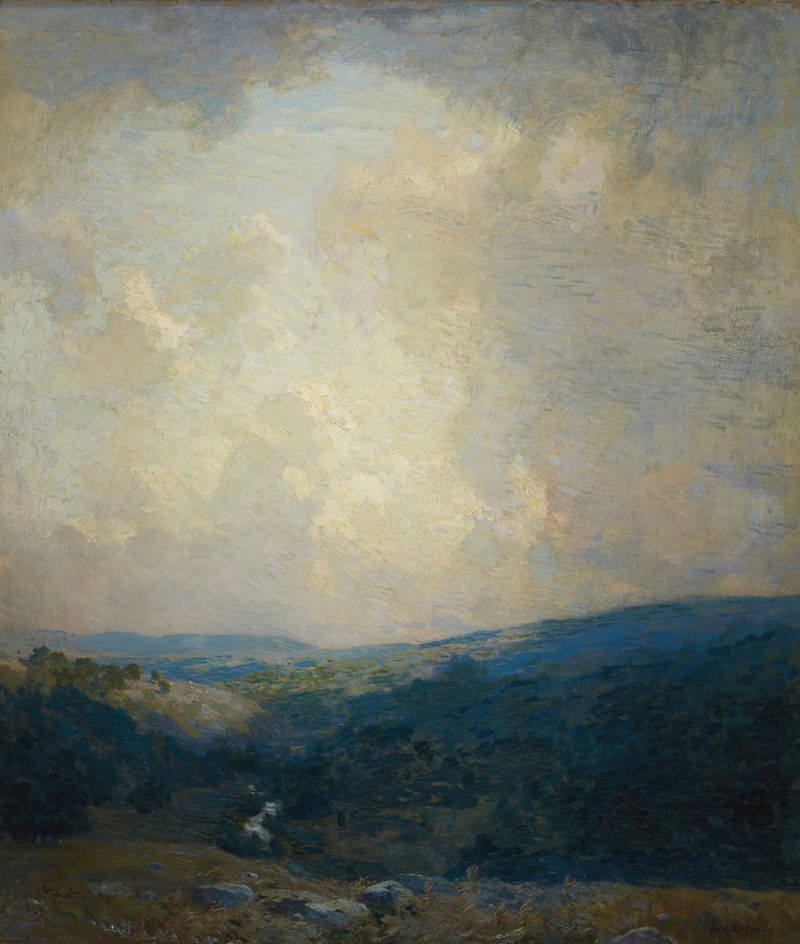
Breaking Clouds, Delaware Valley
William Langson Lathrop
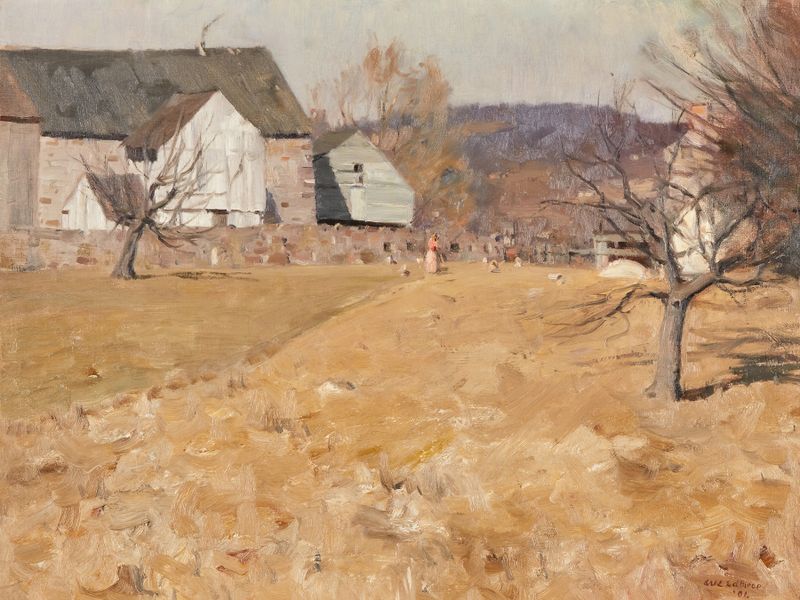
Feeding the Chickens
William Langson Lathrop
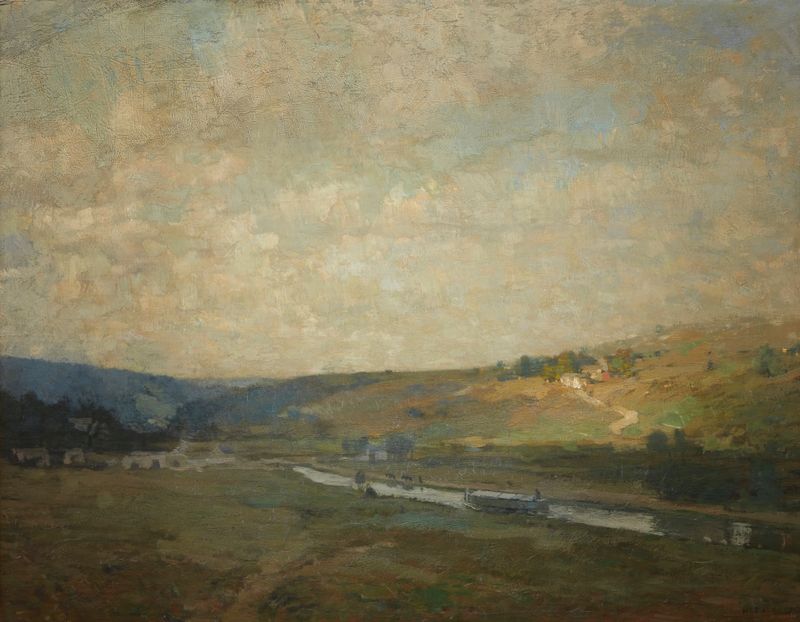
Delaware Canal
William Langson Lathrop
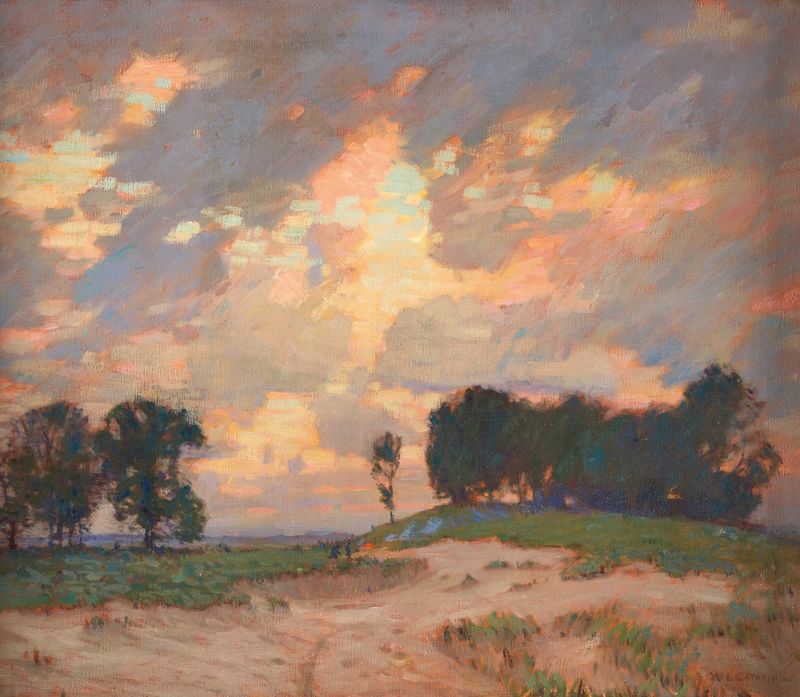
The Bonfire
William Langson Lathrop
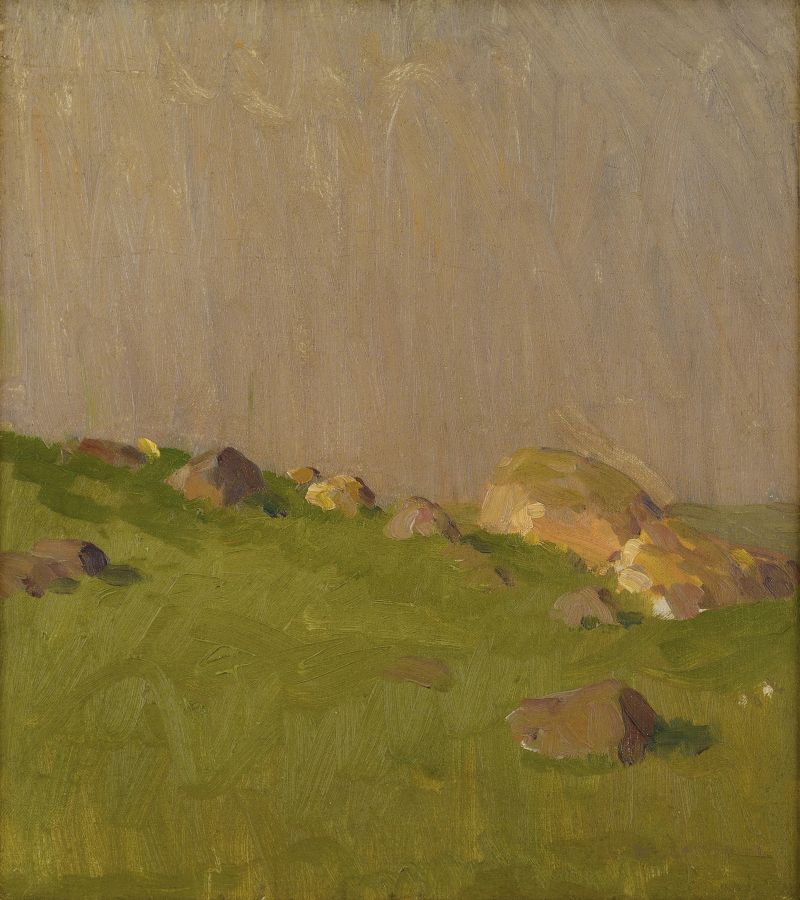
Pasture Boulders
William Langson Lathrop
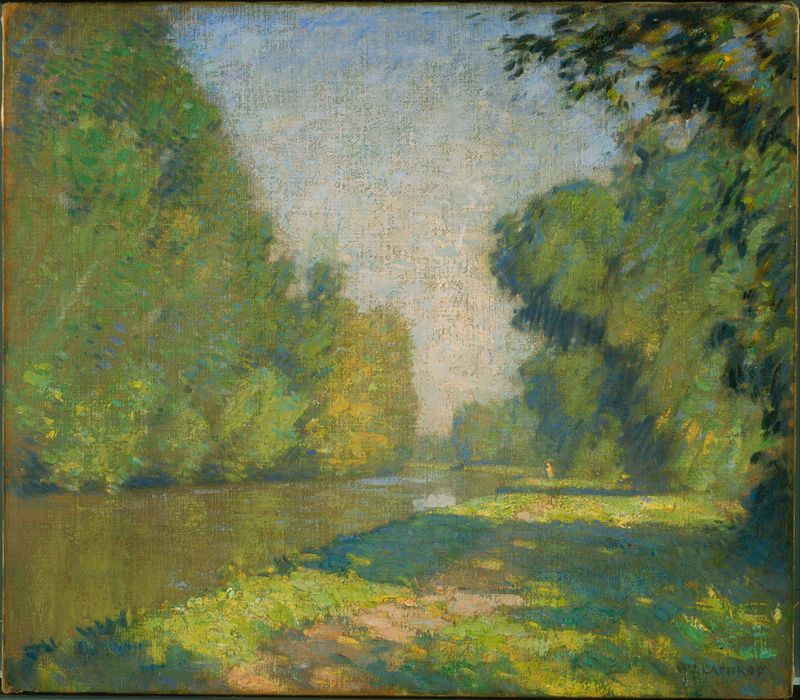
The Tow Path
William Langson Lathrop
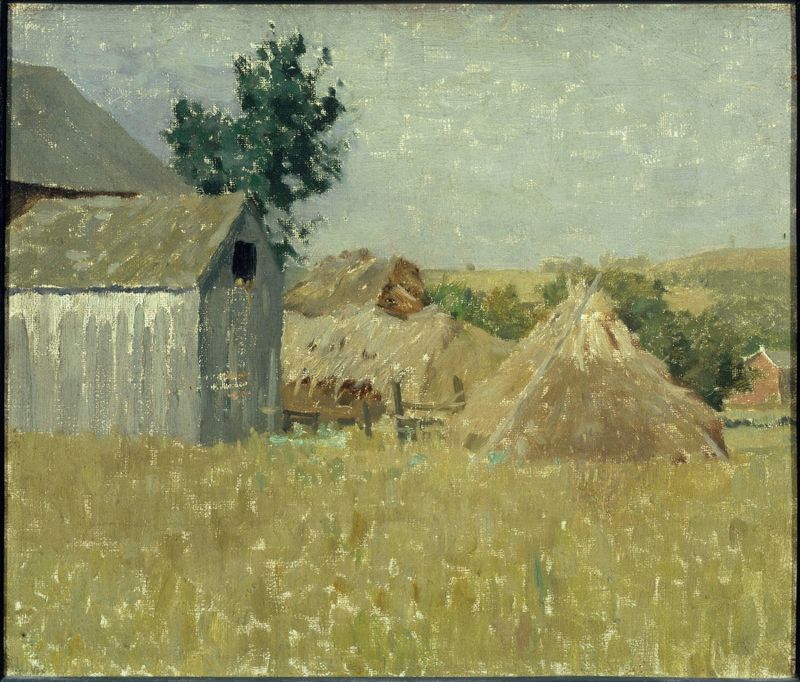
Gray Barn
William Langson Lathrop
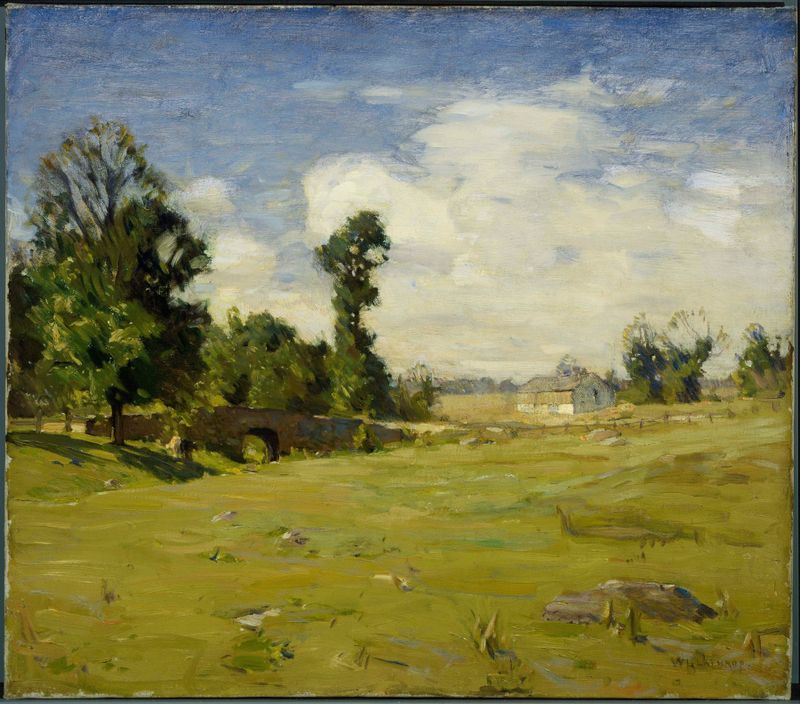
Ely’s Bridge
William Langson Lathrop
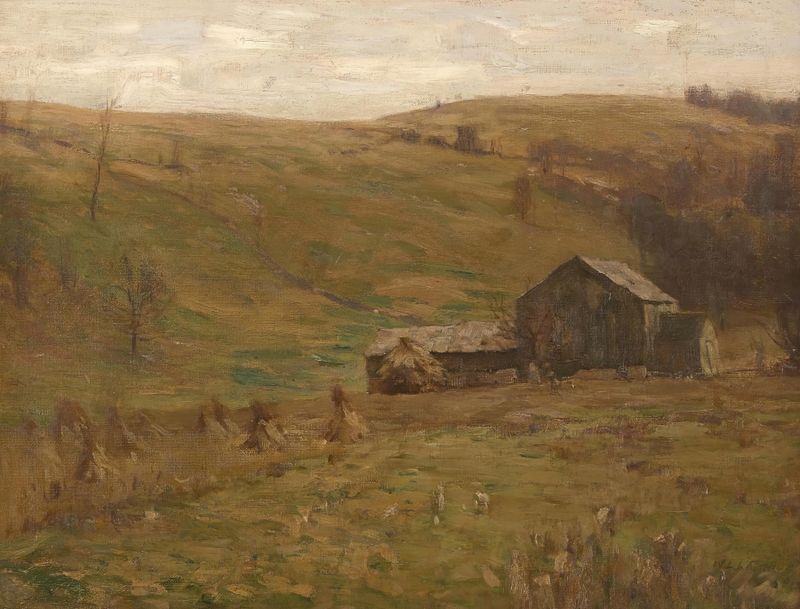
Hilly Pastures
William Langson Lathrop
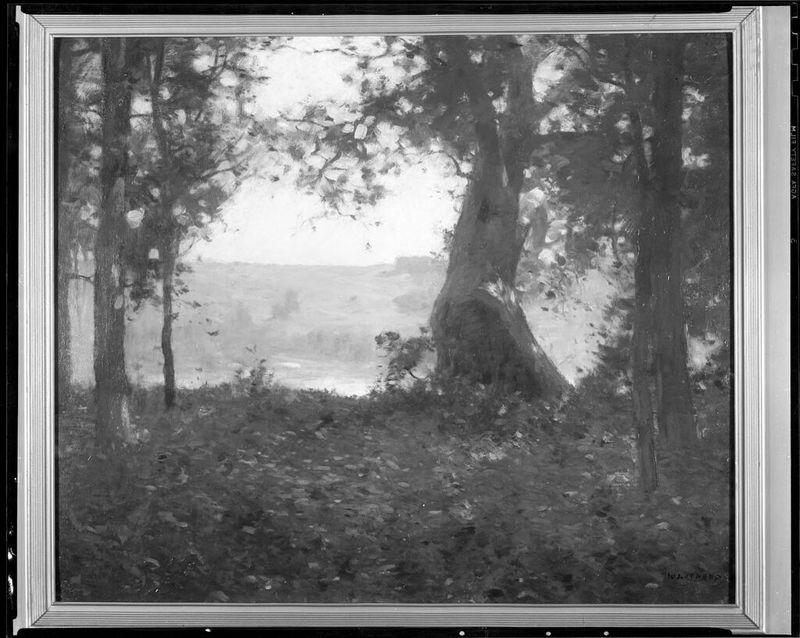
Landscape with Pond
William Langson Lathrop





