
The Tow Path — History & Facts
What secret hides in the quiet of the canvas? In the stillness of The Tow Path, a world emerges—one where hope whispers through the gentle movement of nature and light. Look to the left, where a narrow path winds through the verdant landscape, flanked by tall grasses that sway softly in an unseen breeze. The artist’s meticulous brushwork captures each blade, and the dappled sunlight filters through the leaves above, creating a patchwork of light and shadow. The serene waters reflect the soft blues and greens, inviting the viewer to step closer, as if to walk the path depicted. The contrast between the path and the lush foliage hints at the tension between human endeavor and nature's quiet resilience.
The soft glow of the horizon suggests an unseen promise, a glimpse of possibility beyond the foliage. In this tranquil moment, a silent dialogue unfolds—the quiet struggle of progress against the backdrop of an ever-persistent natural world, sparking both reflection and yearning within the viewer. Created during a time when the American art scene began embracing a connection to nature, this work reflects William Langson Lathrop's deep appreciation for the American landscape. Though the date remains unspecified, Lathrop’s career flourished in the late 19th to early 20th centuries, a period marked by a growing desire for artists to find beauty and meaning within their own environments, amidst the industrial changes encroaching upon the natural world.
More Artworks by William Langson Lathrop
Browse all →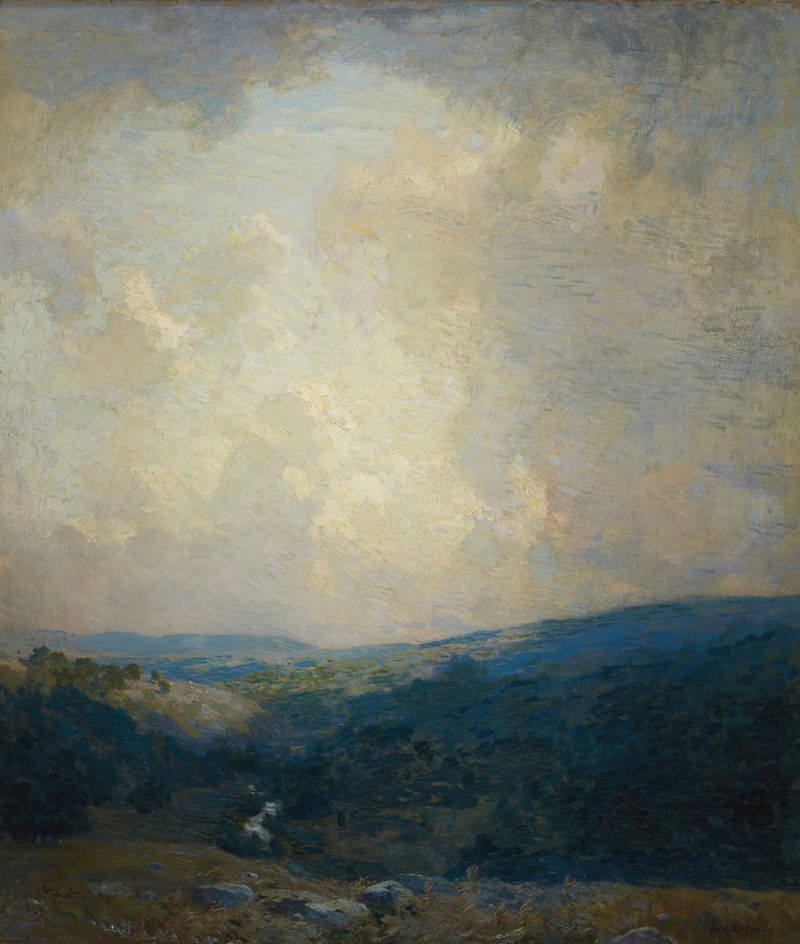
Breaking Clouds, Delaware Valley
William Langson Lathrop
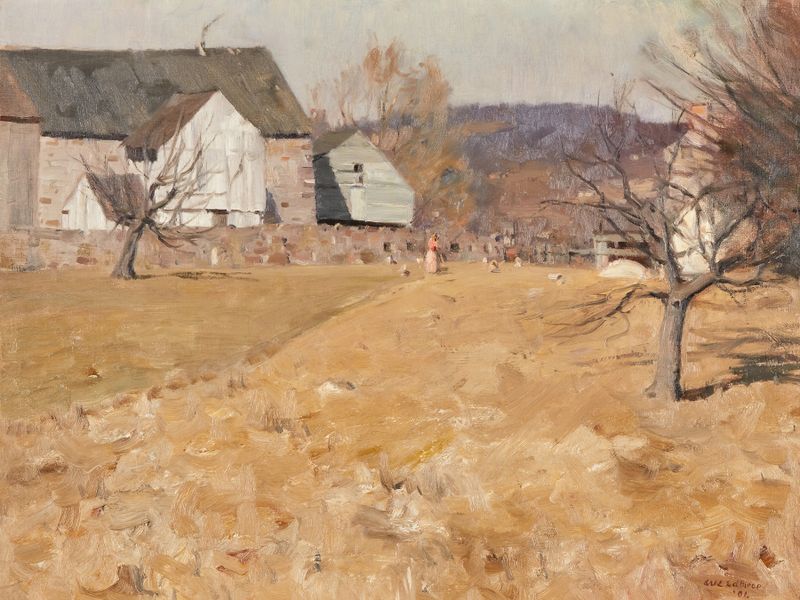
Feeding the Chickens
William Langson Lathrop
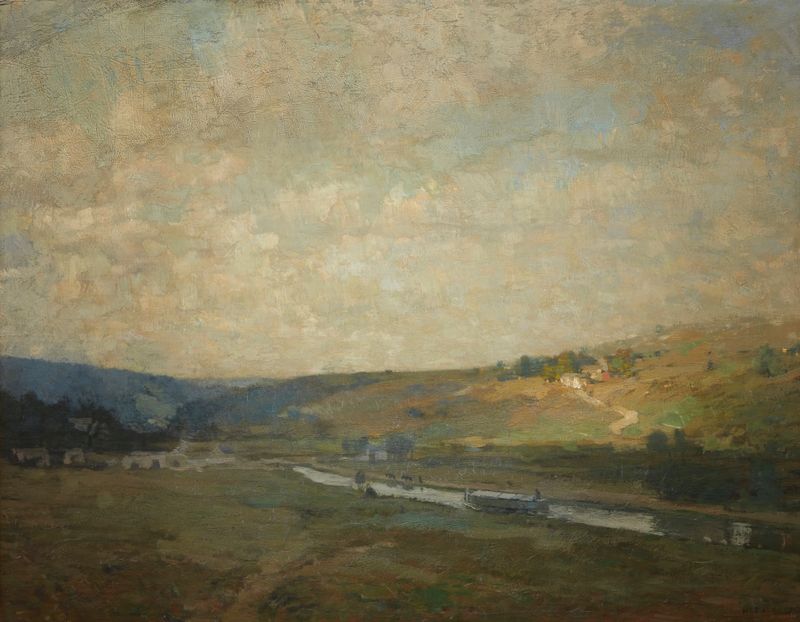
Delaware Canal
William Langson Lathrop
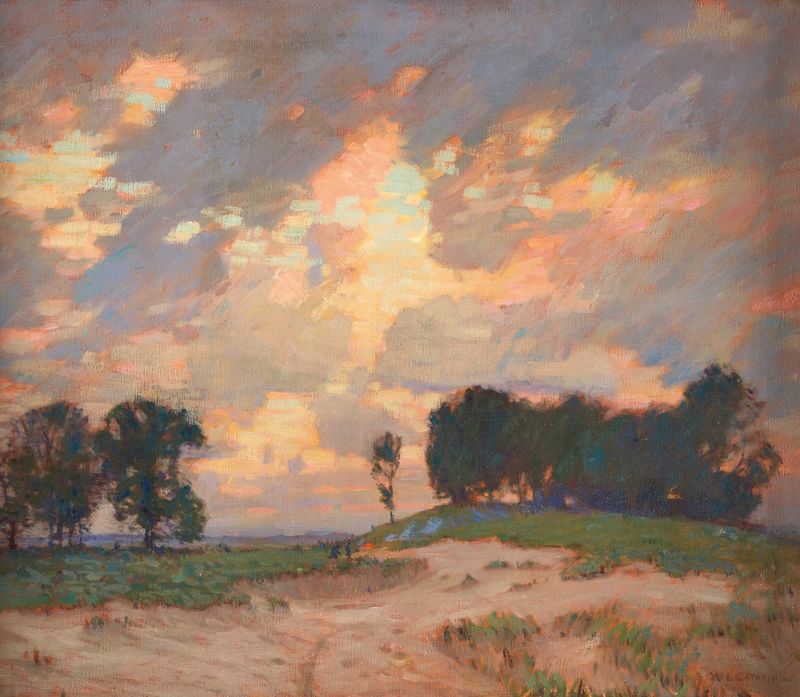
The Bonfire
William Langson Lathrop
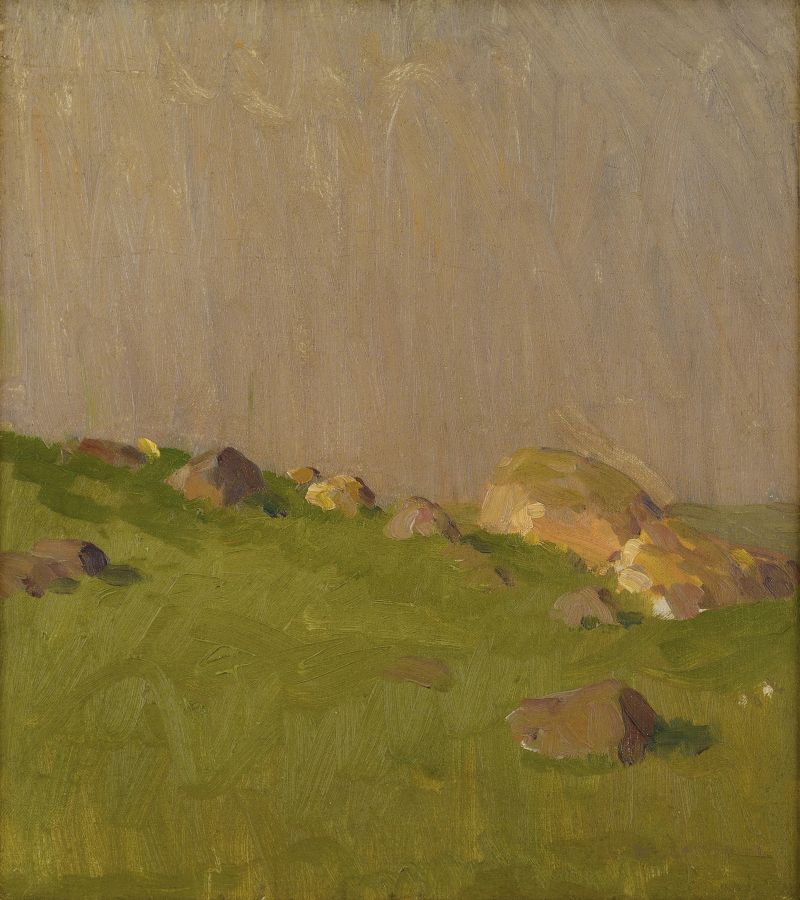
Pasture Boulders
William Langson Lathrop
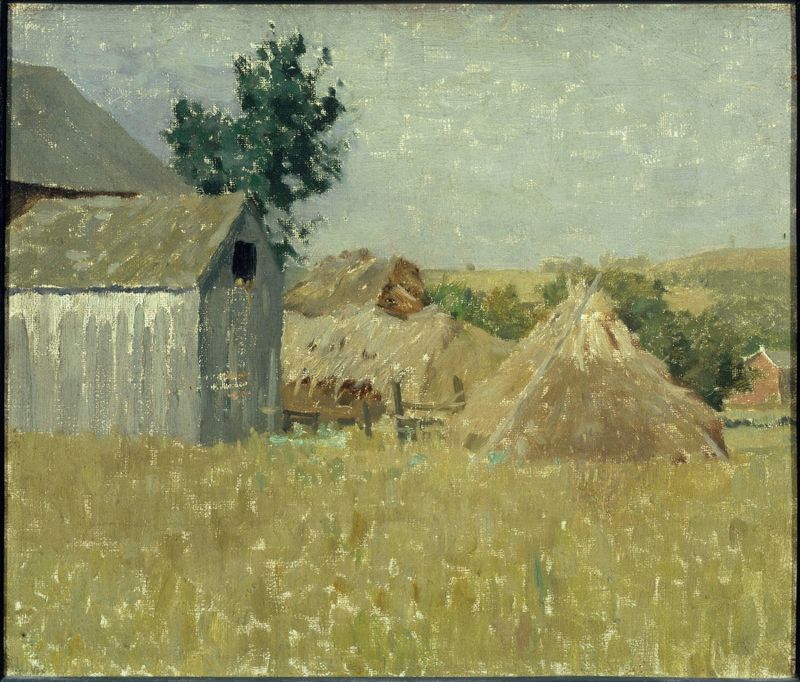
Gray Barn
William Langson Lathrop
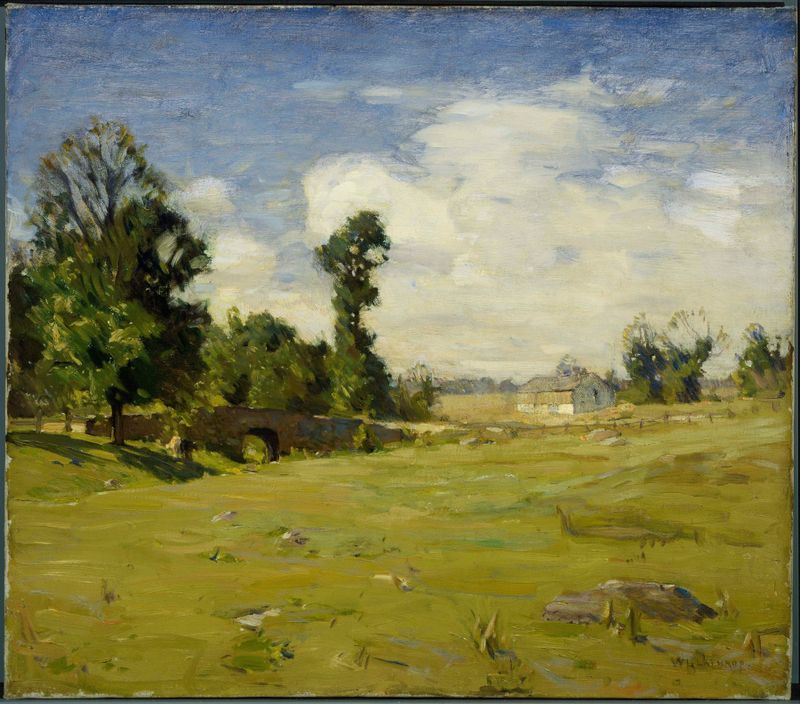
Ely’s Bridge
William Langson Lathrop
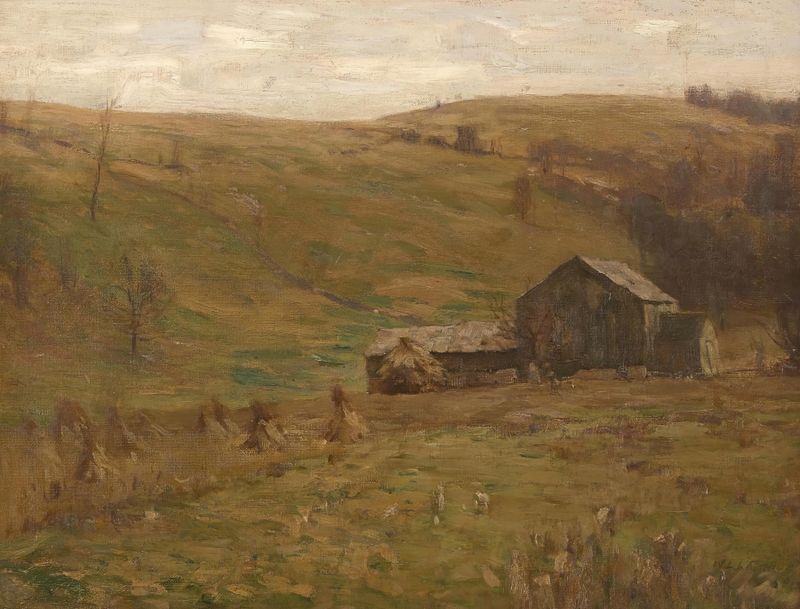
Hilly Pastures
William Langson Lathrop
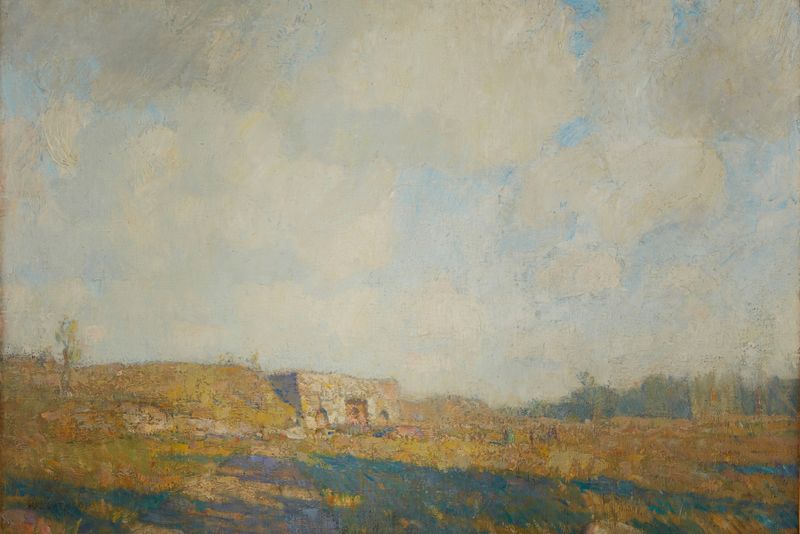
Old Limekiln
William Langson Lathrop
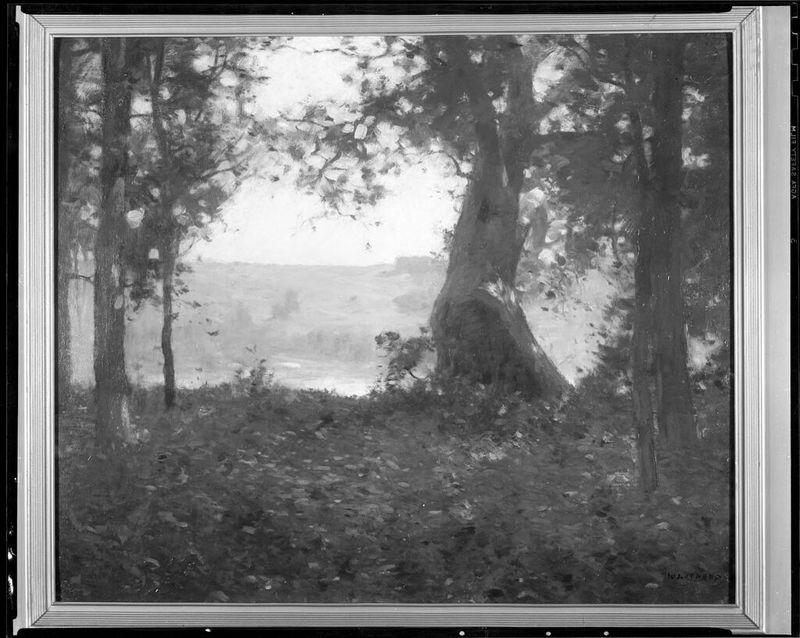
Landscape with Pond
William Langson Lathrop





