
The Bonfire — History & Facts
In the glow of a flickering bonfire, memories whisper through the air, inviting us to linger in a moment suspended in time. The warmth of the flames beckons, while the shadows dance playfully, echoing forgotten laughter and the simple joys of companionship. Look to the center of the canvas, where the bonfire blazes, surrounded by figures who are lost in reverie. Notice how the fiery oranges and rich yellows contrast with the deep blues and greens of the encroaching night, creating a palpable sense of warmth against the chill of dusk.
Lathrop’s deft brushwork captures the flickering light, casting intricate patterns that animate the faces gathered around, each one telling a story of its own. Beneath the serene surface, there lies a poignant tension between light and shadow, warmth and coldness. The figures, though unified by the fire, are individuals, each lost in their thoughts, perhaps contemplating dreams long gone or aspirations yet to be fulfilled. The bonfire symbolizes not just light, but also a moment of connection against the vastness of time, a reminder of fleeting youth and the bittersweet nature of nostalgia. In the early 1920s, Lathrop worked in Pennsylvania, immersed in the burgeoning American art scene that sought to capture the essence of everyday life.
The post-war period brought a renewed focus on nature and community, and this work reflects a yearning for simpler, more intimate moments amidst the complexities of modernity. The artist's output during this time was marked by a profound appreciation for the beauty of American landscapes and the human experience intertwined with them.
More Artworks by William Langson Lathrop
Browse all →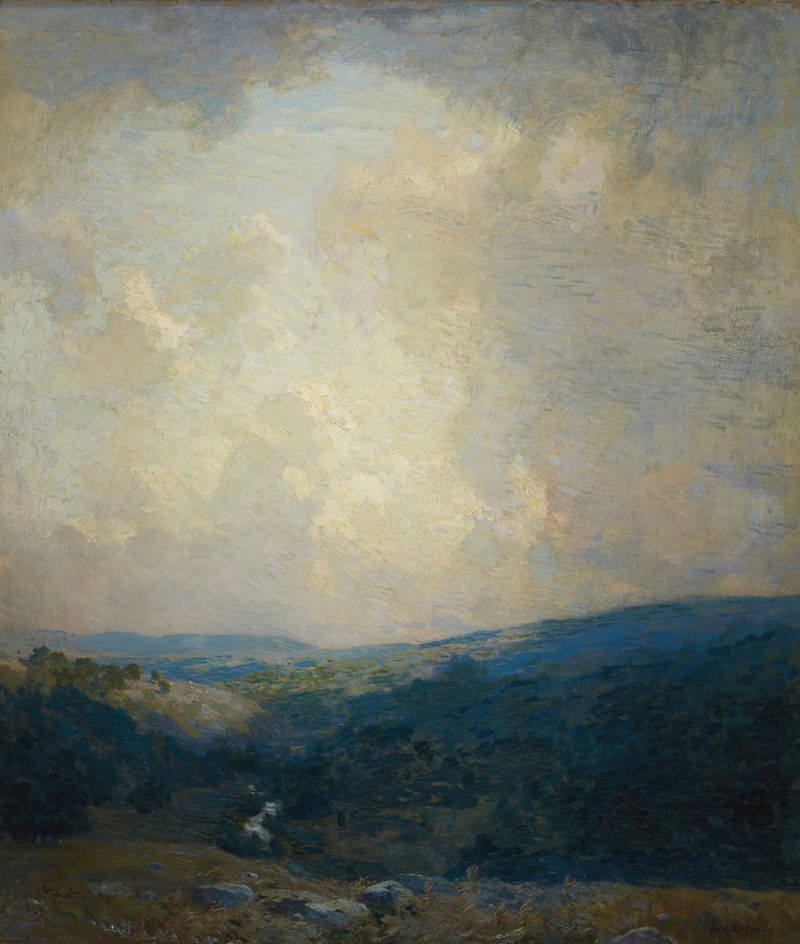
Breaking Clouds, Delaware Valley
William Langson Lathrop
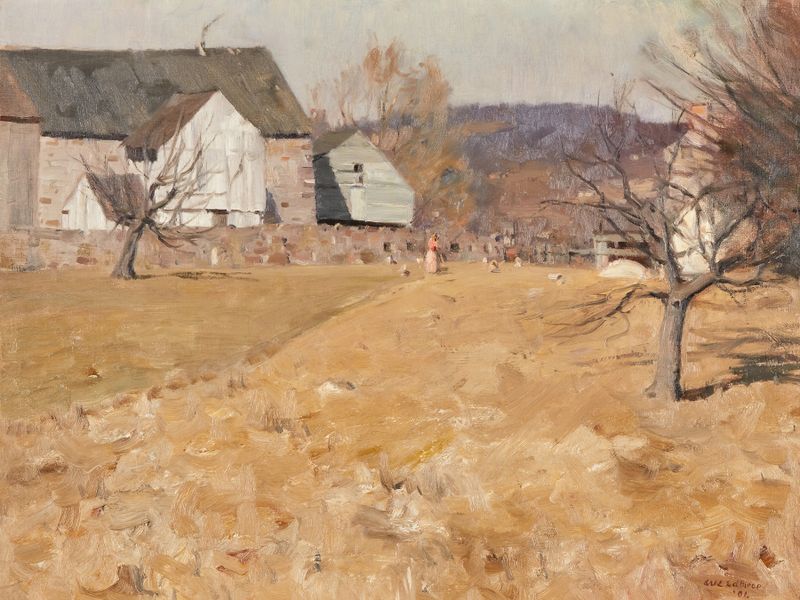
Feeding the Chickens
William Langson Lathrop
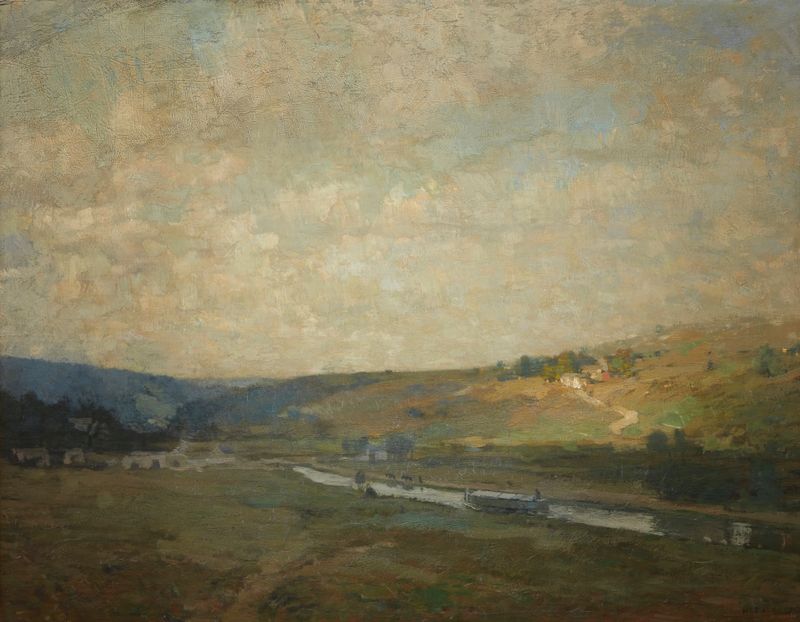
Delaware Canal
William Langson Lathrop
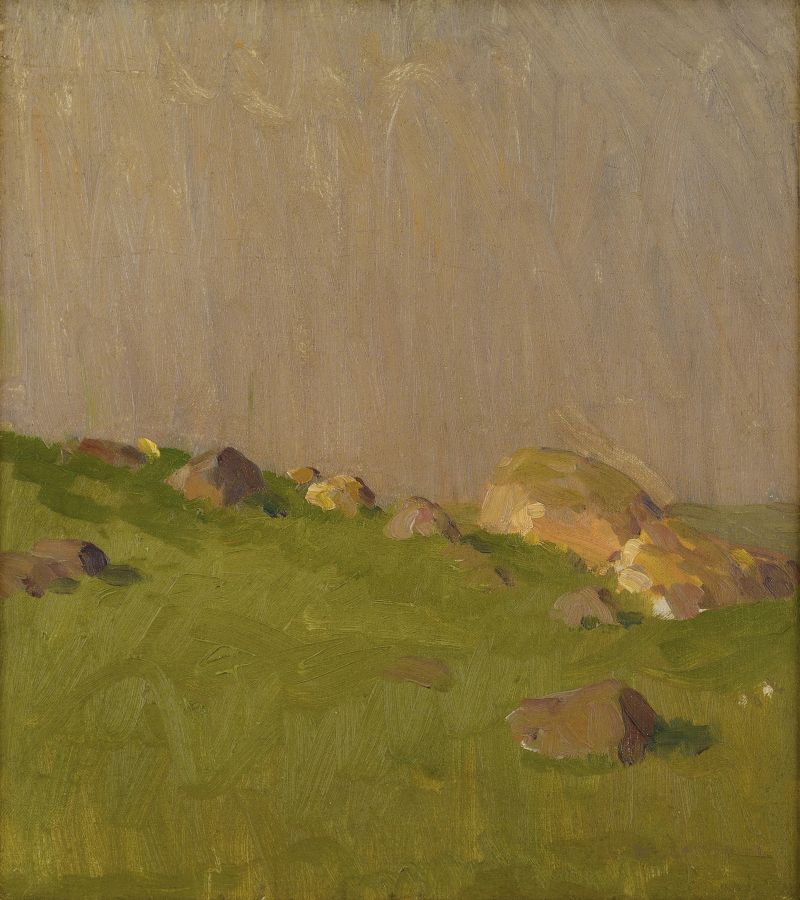
Pasture Boulders
William Langson Lathrop
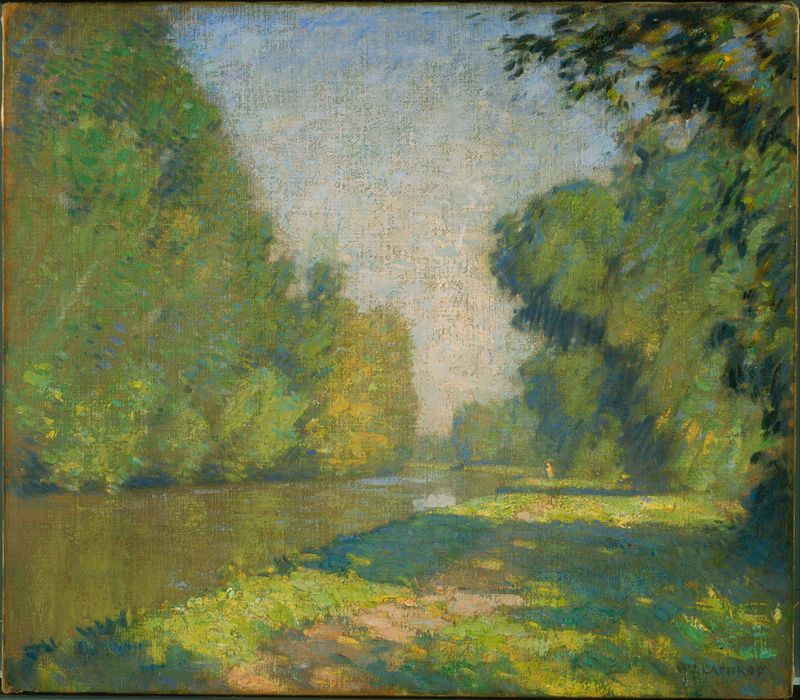
The Tow Path
William Langson Lathrop
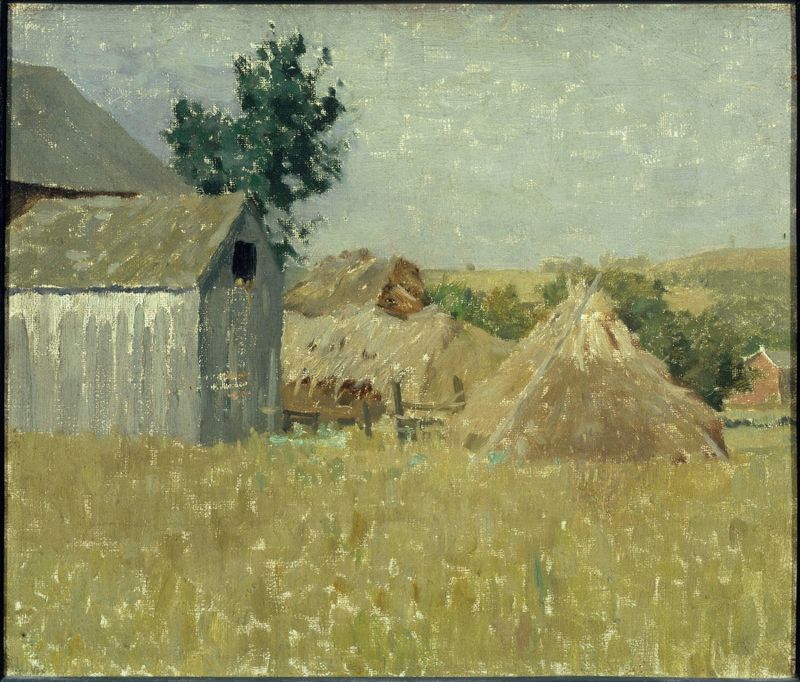
Gray Barn
William Langson Lathrop
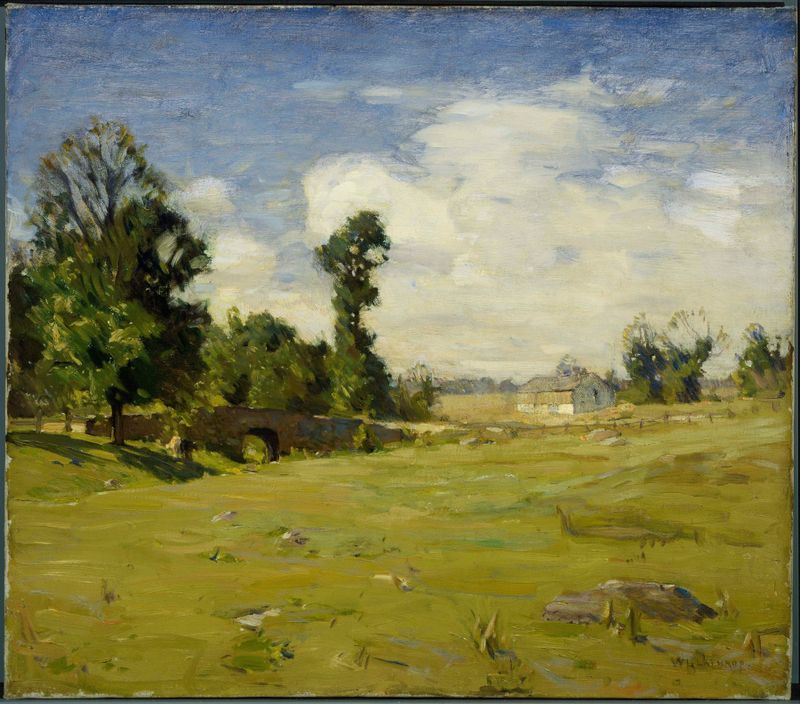
Ely’s Bridge
William Langson Lathrop
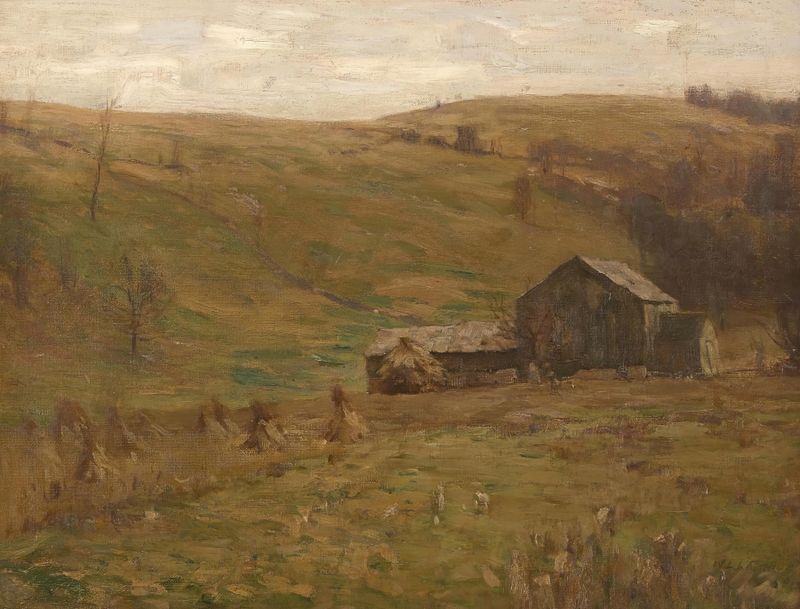
Hilly Pastures
William Langson Lathrop
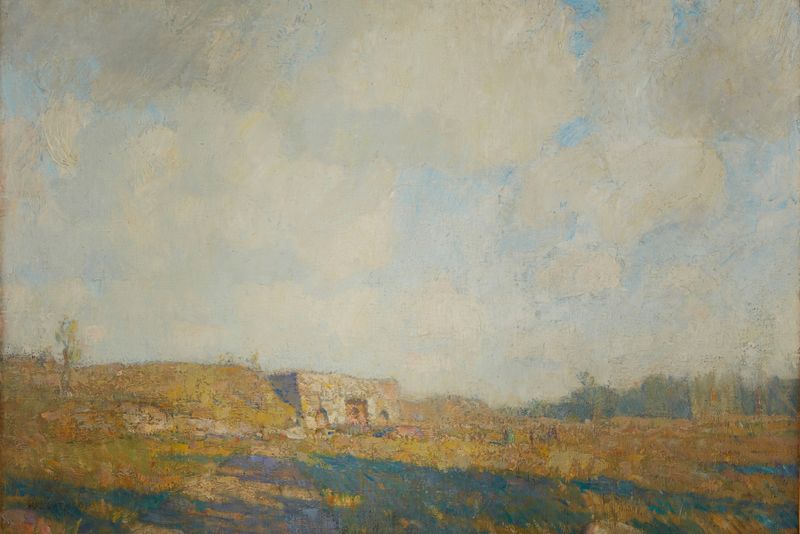
Old Limekiln
William Langson Lathrop
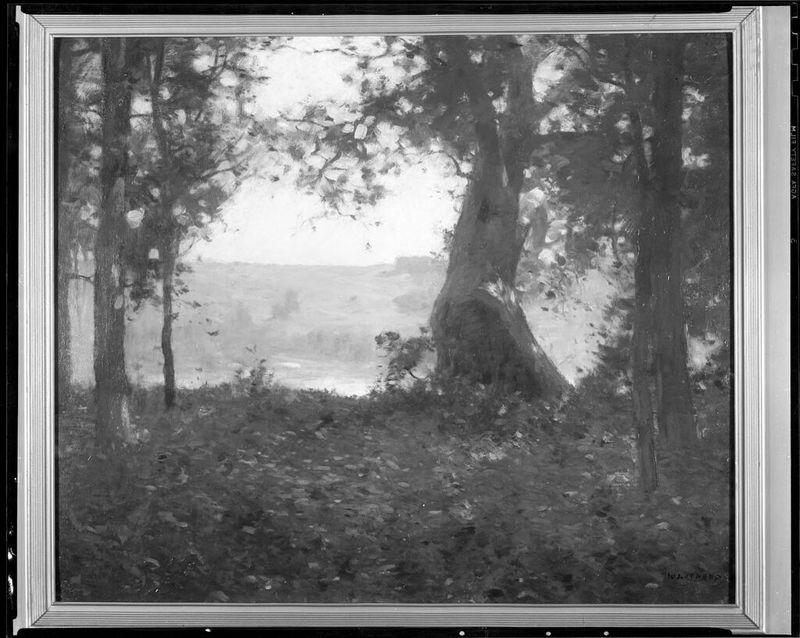
Landscape with Pond
William Langson Lathrop





