
Old Persian mosque. From the journey to Turkestan — History & Facts
Can paint confess what words never could? Through the vibrant strokes and ethereal colors, a narrative unfolds, whispering secrets of existence and the passage of time. Focus on the intricate patterns etched across the archways, where deep blues and luminous golds collide, creating a visual symphony that draws the eye. The mosque stands in proud solitude, its domes and minarets rising against a backdrop of soft, muted earth tones. Notice how the light dances across the surfaces, revealing a play of shadow and brilliance that suggests both sanctity and impermanence.
The meticulous attention to detail invites you to explore every corner, where each tile seems to tell a story yet untold. Beyond its architectural beauty, the artwork elicits a profound reflection on mortality. The mosque, a symbol of eternal faith, contrasts sharply with the fleeting nature of life. The artist’s choice to depict the structure amid a vast emptiness evokes a sense of longing and solitude, as if the walls themselves are witnesses to the countless souls that have passed through.
Each element, from the serene arches to the delicate motifs, resonates with an awareness of both majesty and transience. In 1912, Jan Ciągliński painted this piece during a transformative time in the art world, influenced by the growing fascination with Eastern cultures. Living in London, he sought to capture the essence of distant lands, blending impressionistic techniques with meticulous detail. This work reflects not only his personal journey but also a broader cultural shift, as artists began to embrace the beauty and complexity of diverse influences, exploring themes that would resonate deeply in the years to come.
More Artworks by Jan Ciągliński
Browse all →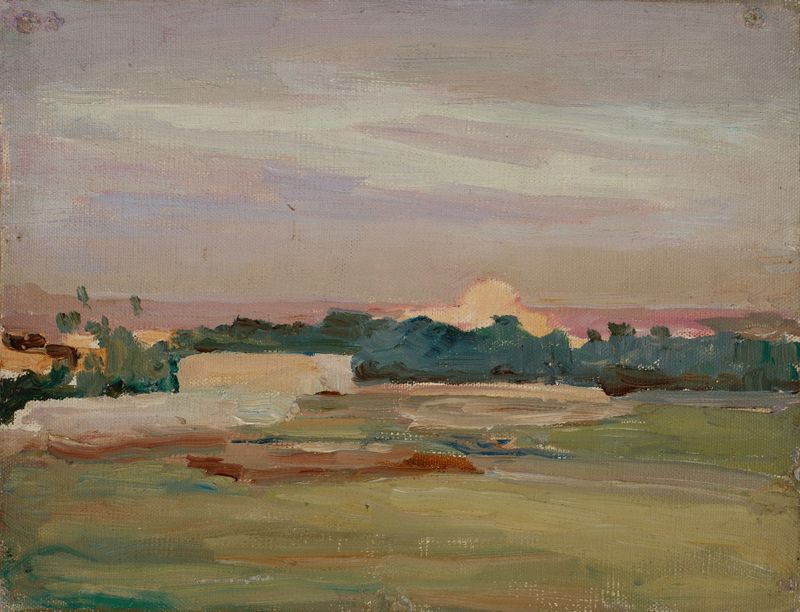
The Sirocco
Jan Ciągliński
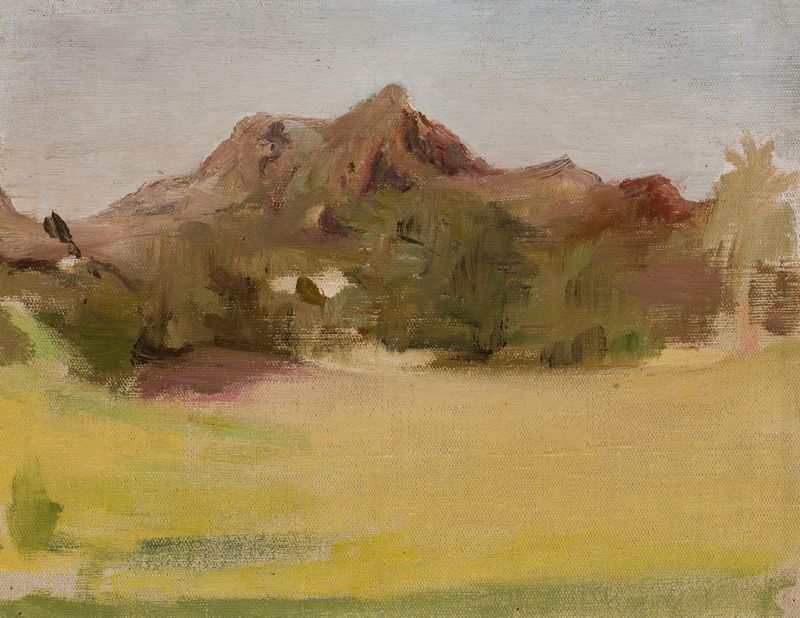
Mountain landscape. From the journey to India
Jan Ciągliński
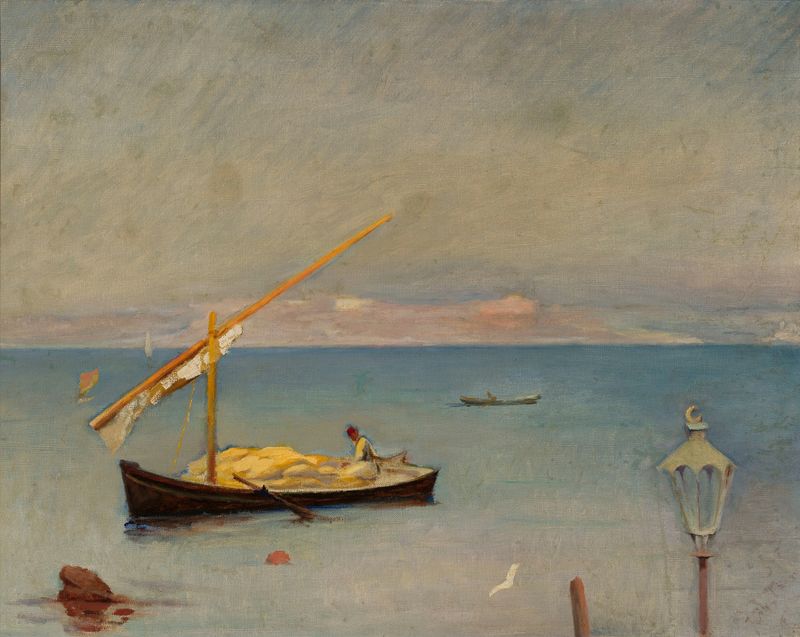
At Bosporus
Jan Ciągliński
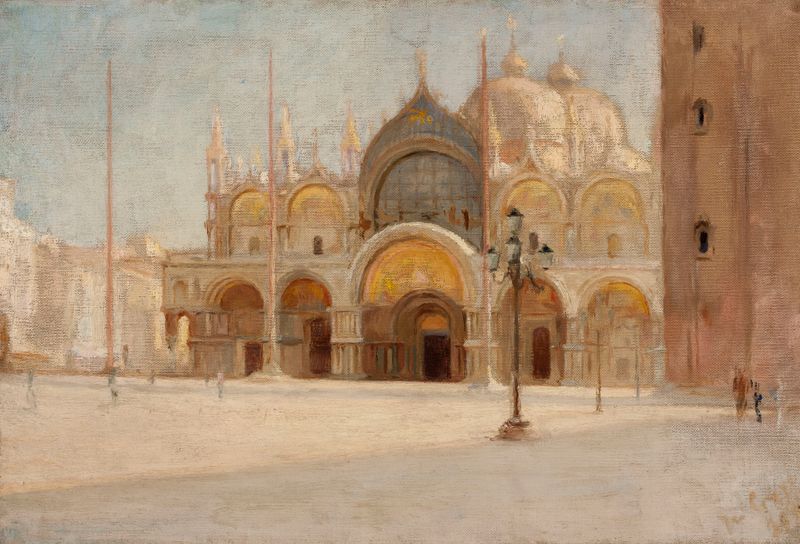
St Mark’s Square in Venice
Jan Ciągliński
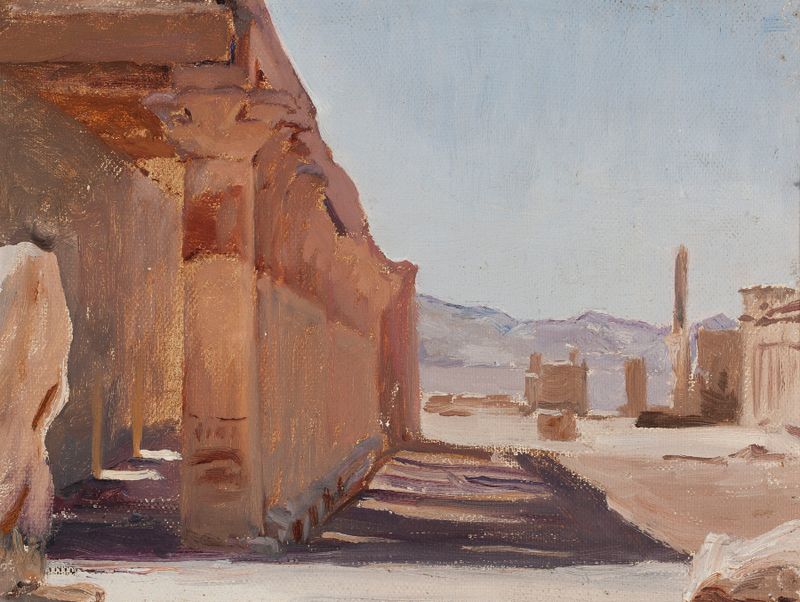
Temple. From the journey to Egypt
Jan Ciągliński
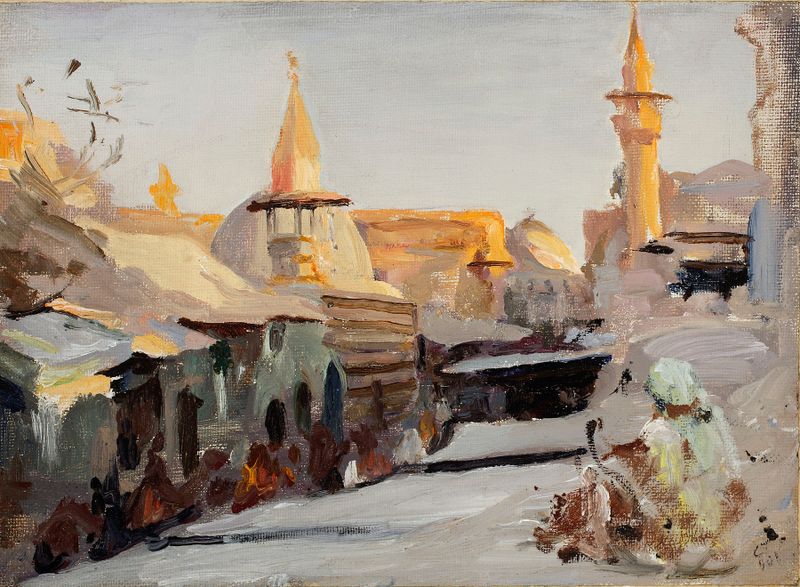
Street in Damascus. From the journey to Palestine
Jan Ciągliński
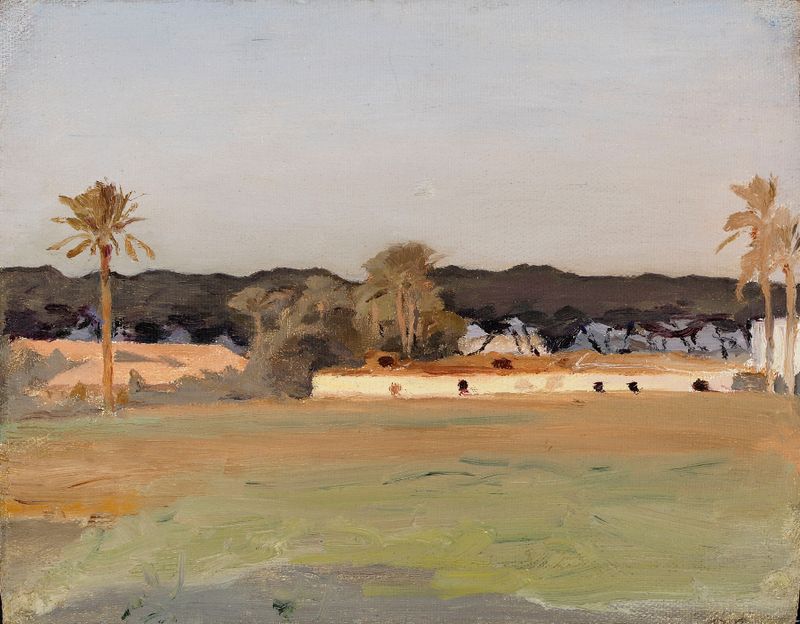
Evening. From the journey to Egypt
Jan Ciągliński
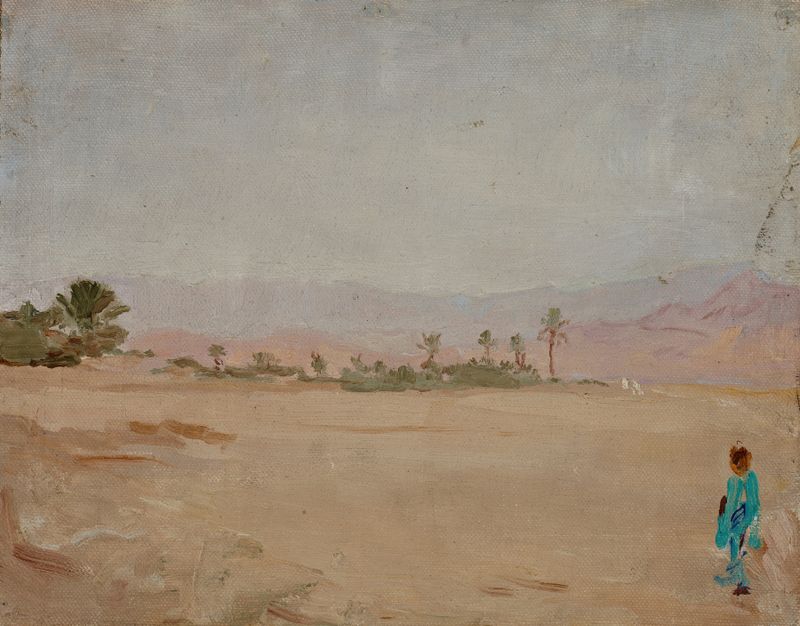
Sahara (Desert)
Jan Ciągliński
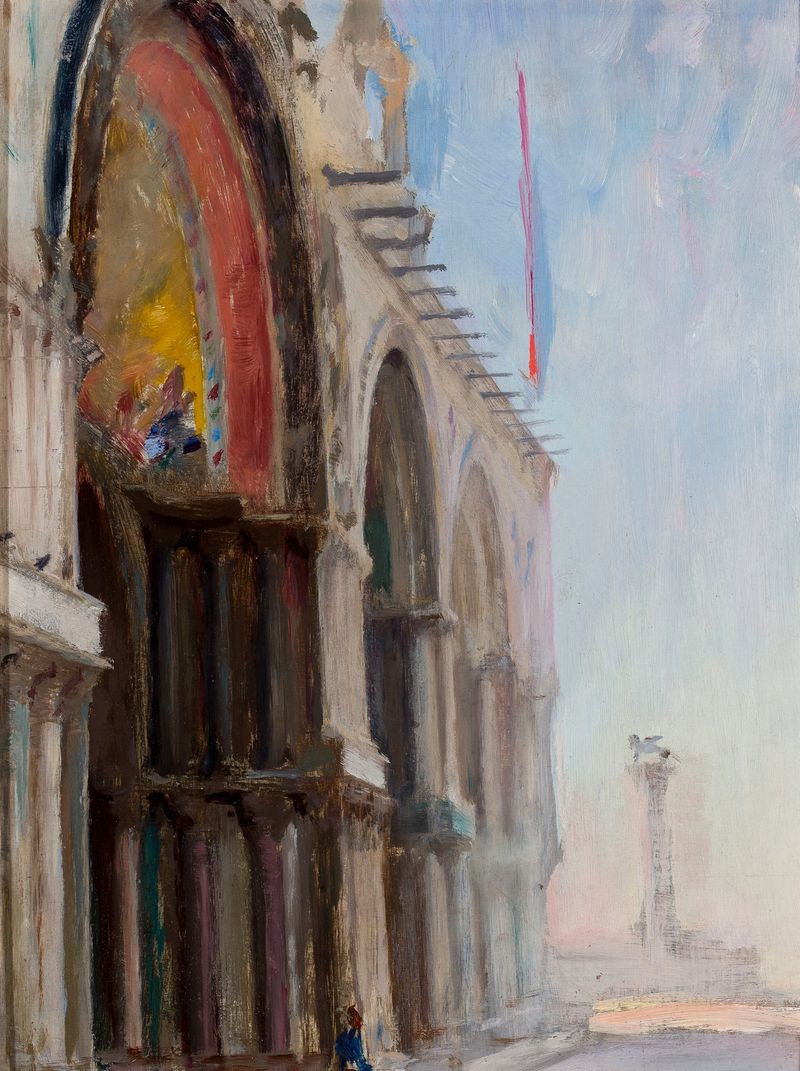
Venice – San Marco. From the journey to Italy
Jan Ciągliński
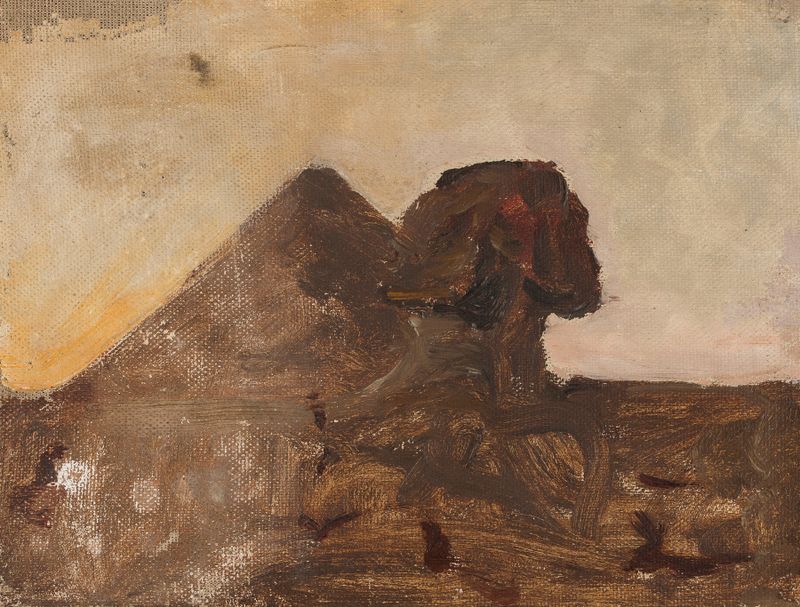
Evening in the desert – Sphinx and pyramid. From the journey to Egypt
Jan Ciągliński
More Architecture Art
Browse all →
The statue of Liberty
Frédéric Auguste Bartholdi

View of Houses in Delft, Known as ‘The Little Street’
Johannes Vermeer

View of Houses in Delft, Known as ‘The Little Street’
Johannes Vermeer

The Cathedral in Rouen. The portal, Grey Weather
Claude Monet

The yellow house
Vincent van Gogh

The Church in Auvers-sur-Oise, View from the Chevet
Vincent van Gogh