
Old Saumur — History & Facts
Could beauty survive in a century of chaos? In Old Saumur, the artist captures a moment suspended in time, where the gentle movement of water reflects the resilience of nature amidst the turbulence of the early 20th century. Look to the left of the canvas, where the old stone bridge arched gracefully over the river, its weathered stones standing as a testament to history. Notice the subtle interplay of light and shadow on the surface, as a soft golden hue dances upon the water, inviting your gaze to trace the flow. The palette, dominated by muted earth tones and cool blues, evokes a sense of tranquility while emphasizing the rugged beauty of the landscape.
The soft brushwork draws you into the scene, capturing both the solidity of the structures and the fluidity of the water beneath. Within this tranquil vista lies an emotional tension; the juxtaposition of the steadfast architecture against the ephemeral movement of the river suggests permanence in the face of change. The distant hills rising softly in the background almost cradle the bridge, hinting at nature’s embrace that allows humanity’s creations to coexist with the environment. This delicate balance forms a narrative of resilience, implying that even as the world shifts, beauty persists. David Young Cameron painted Old Saumur in 1905, a period marked by significant societal shifts and the onset of modernity.
Living in Scotland, he was deeply influenced by the changing landscapes around him, as well as broader artistic movements that emphasized light and atmosphere. During this time, the rise of Impressionism began to redefine the boundaries of traditional art, encouraging a focus on capturing fleeting moments—an approach reflected in his work.
More Artworks by David Young Cameron
Browse all →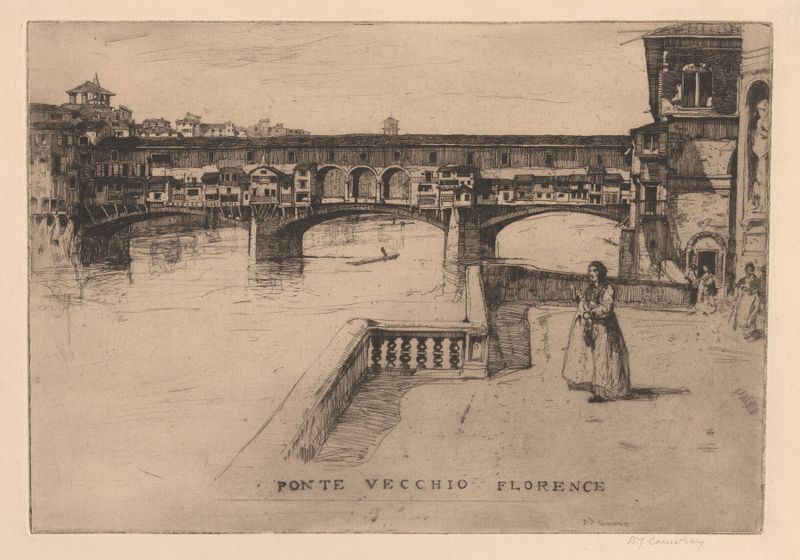
Ponte Vecchio
David Young Cameron

The Deanery, Winchester
David Young Cameron
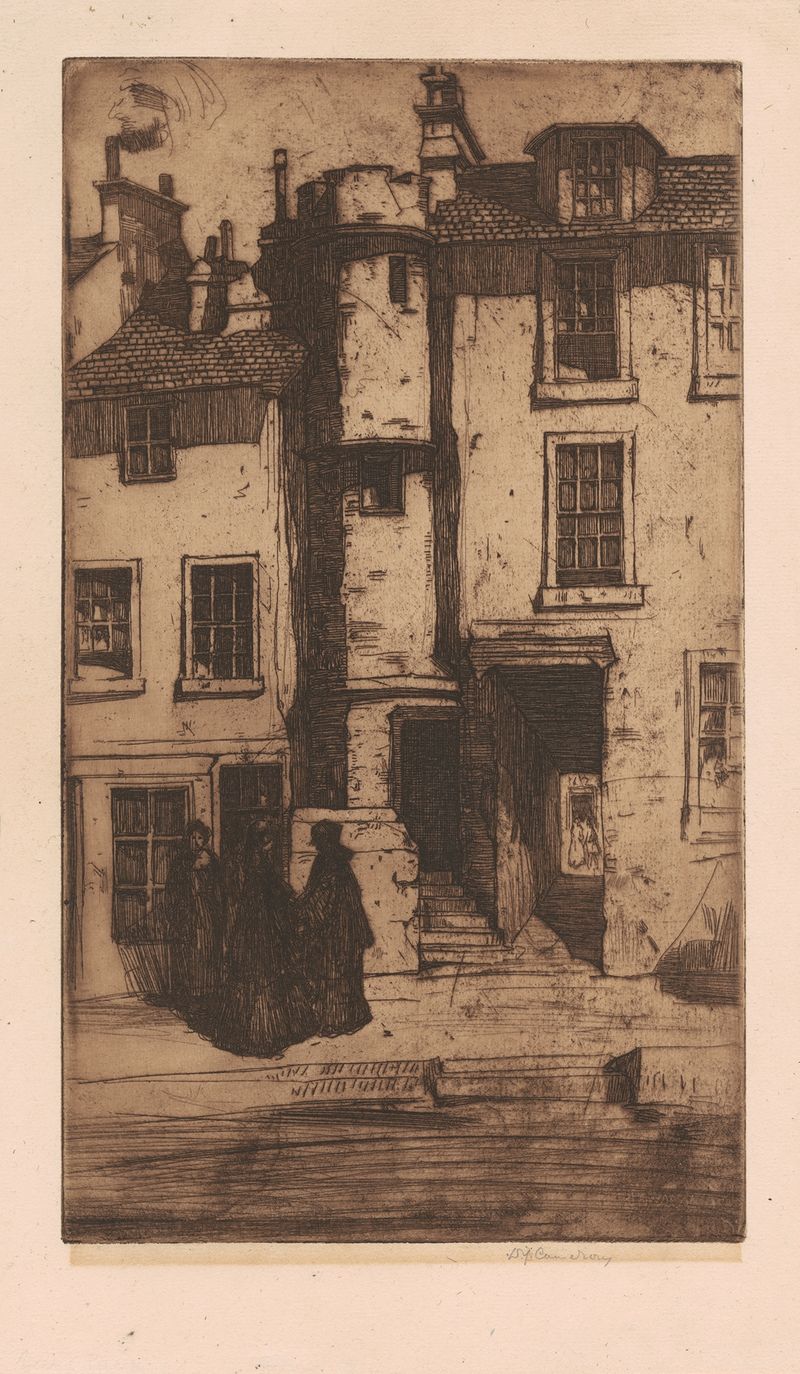
Old Houses, Stirling
David Young Cameron
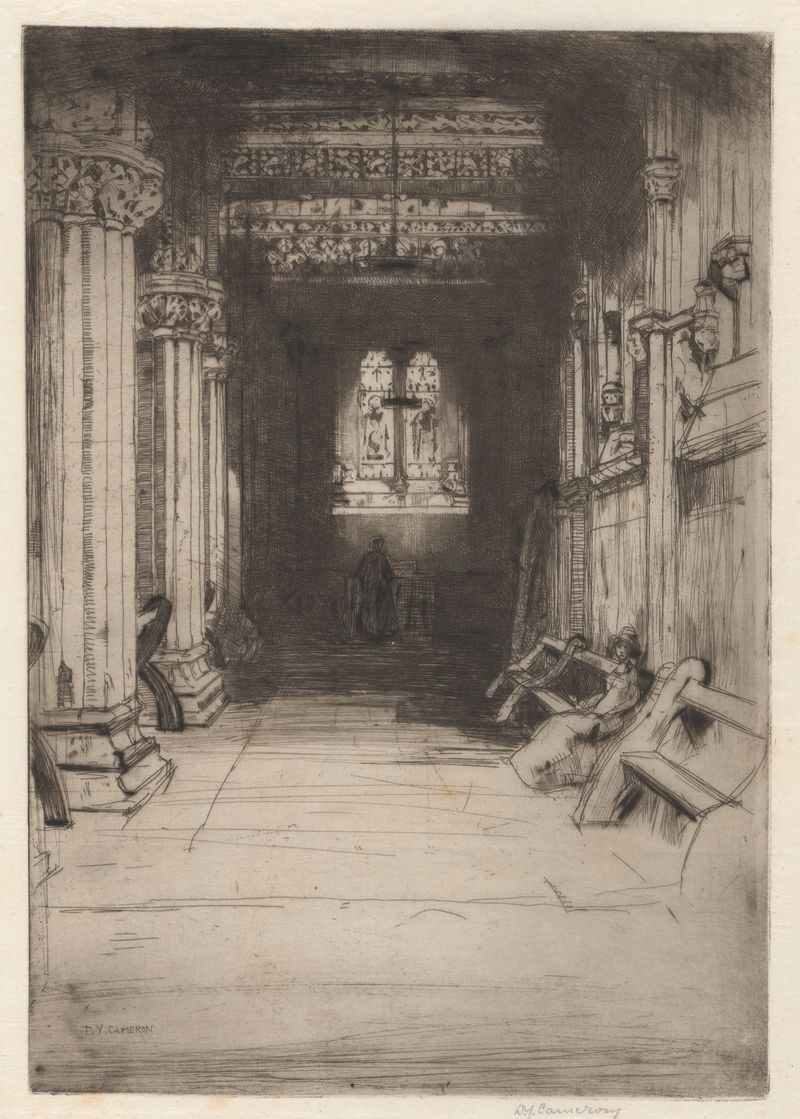
Rosslyn Chapel
David Young Cameron

The Old Museum, Beauvais
David Young Cameron
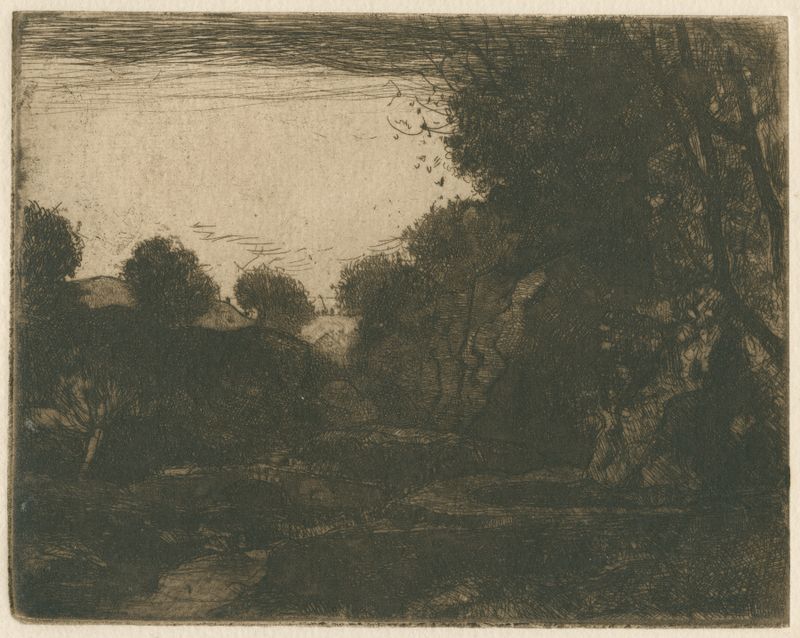
On the Bradford
David Young Cameron

The Smithy
David Young Cameron
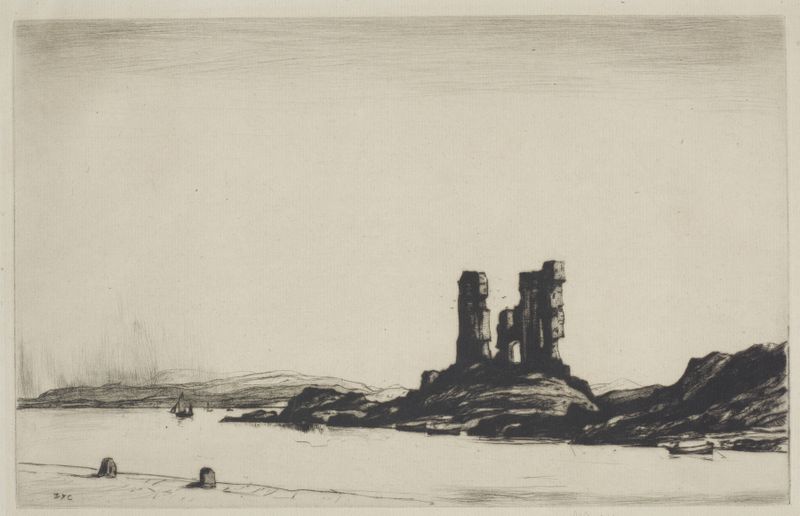
Castle Moyle
David Young Cameron
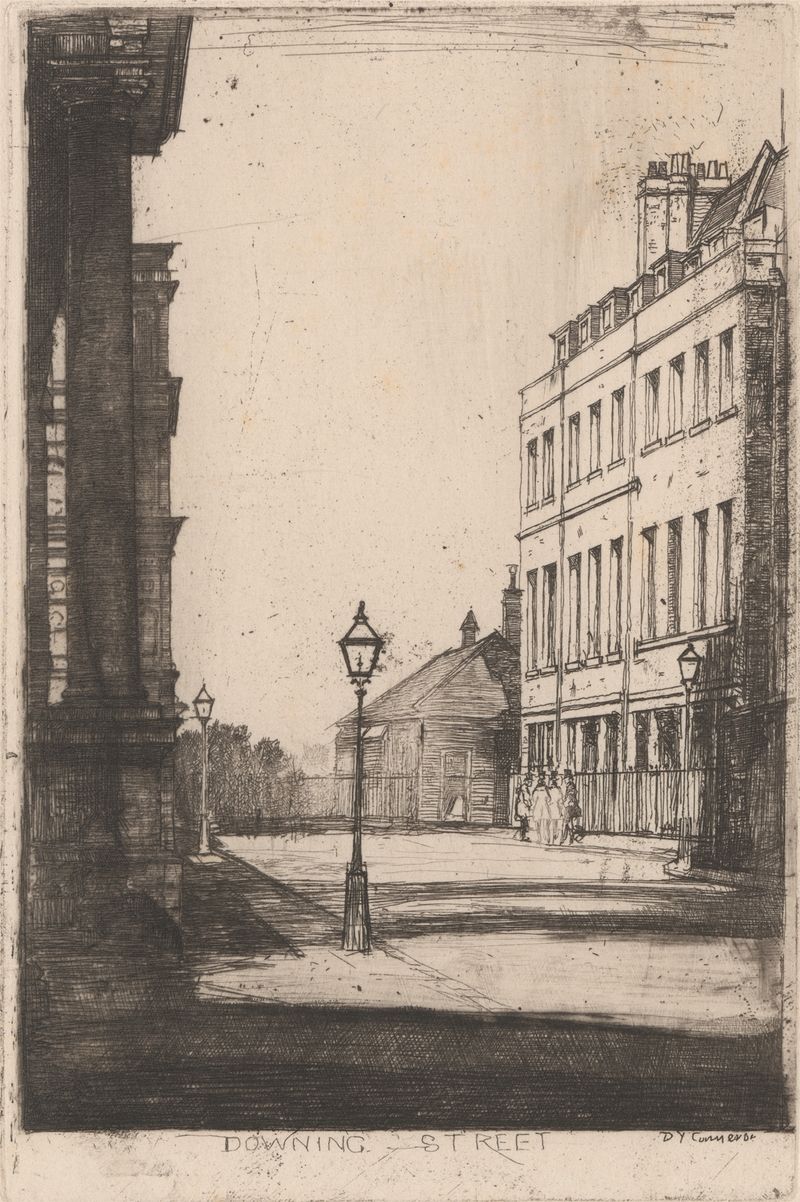
Downing Street
David Young Cameron

Glasgow Cathedral
David Young Cameron





