
Old Tashkent. From the journey to Turkestan — History & Facts
When did color learn to lie? In Old Tashkent, vibrant hues envelop the viewer, drawing us into a world that exists between reality and illusion, where the past whispers through the brushstrokes. Look to the left at the interplay between azure skies and the warm terracotta of the buildings, highlighting the artist’s mastery of light. The extended shadows suggest a late afternoon sun, casting a golden glow that dances across the intricate patterns of the architecture. Notice how the muted tones of the market bustle provide a backdrop for the lively figures, their garments splashed with rich tones that evoke a sense of cultural richness, as if each shade tells a story of its own. As you linger, consider the contrast between the serene, almost idealized landscape and the vivid life within it.
Each figure, while seemingly individual, merges into a collective narrative of daily existence, hinting at the vibrancy of Tashkent itself. There’s an emotional tension in this duality—between the picturesque portrayal and the potential undercurrents of change in a world rapidly shifting beneath the weight of modernity. In 1912, Jan Ciągliński painted this piece in the throes of an artistic renaissance, exploring the East as a realm of beauty and complexity. Influenced by European Romanticism, he sought to capture the essence of a moment in time, a serene escape juxtaposed with an undercurrent of transformation that echoed throughout the art world and the geopolitical landscape of the early 20th century.
More Artworks by Jan Ciągliński
Browse all →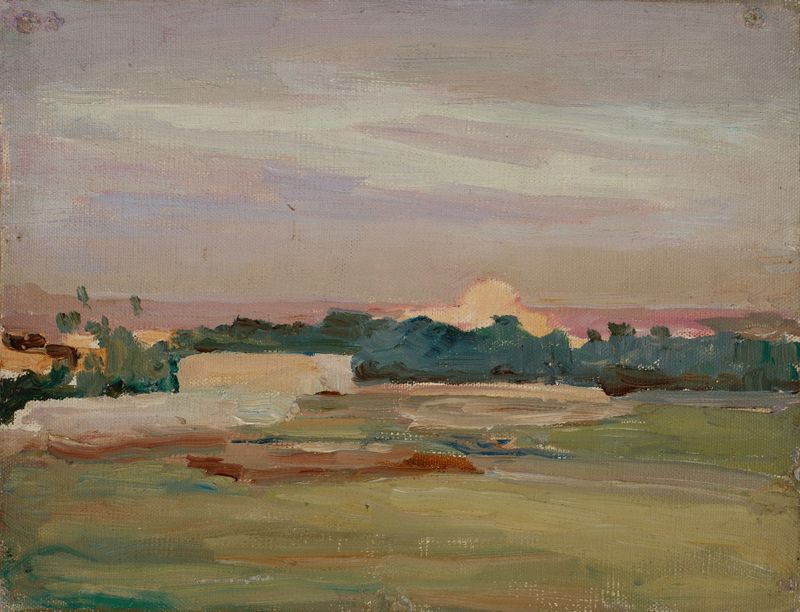
The Sirocco
Jan Ciągliński
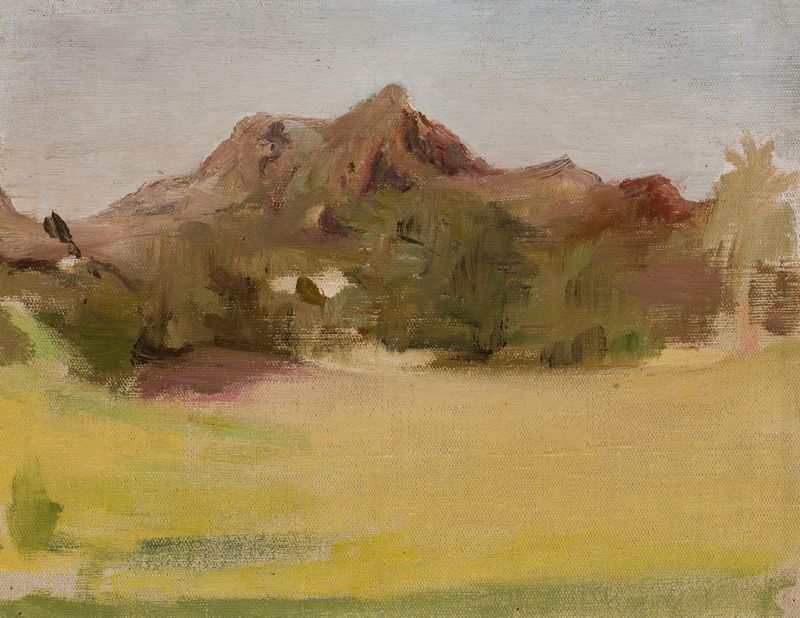
Mountain landscape. From the journey to India
Jan Ciągliński
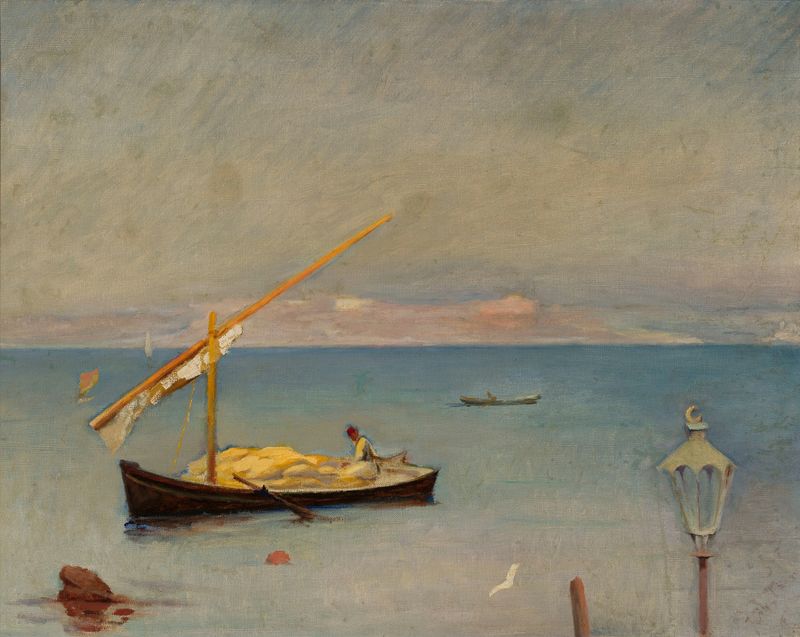
At Bosporus
Jan Ciągliński
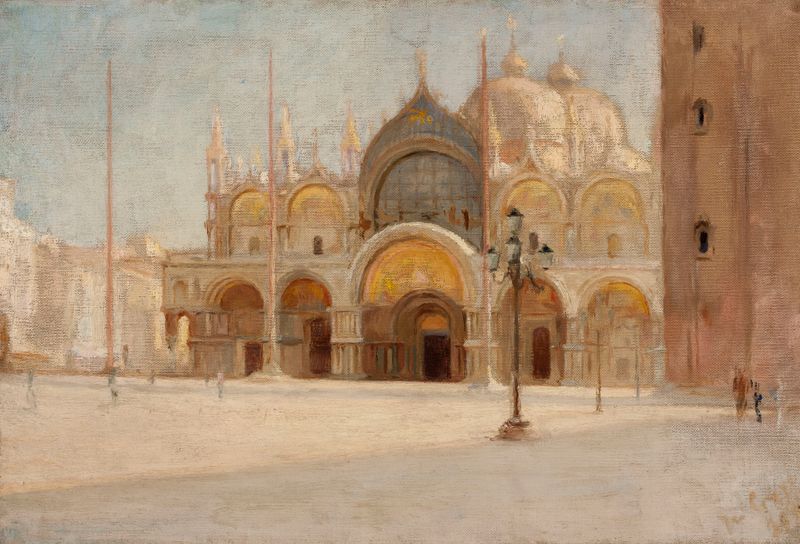
St Mark’s Square in Venice
Jan Ciągliński
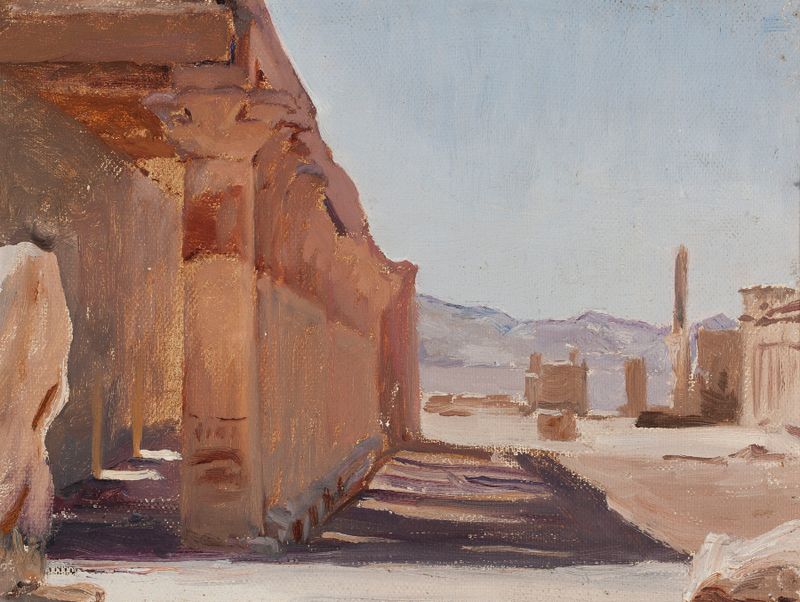
Temple. From the journey to Egypt
Jan Ciągliński
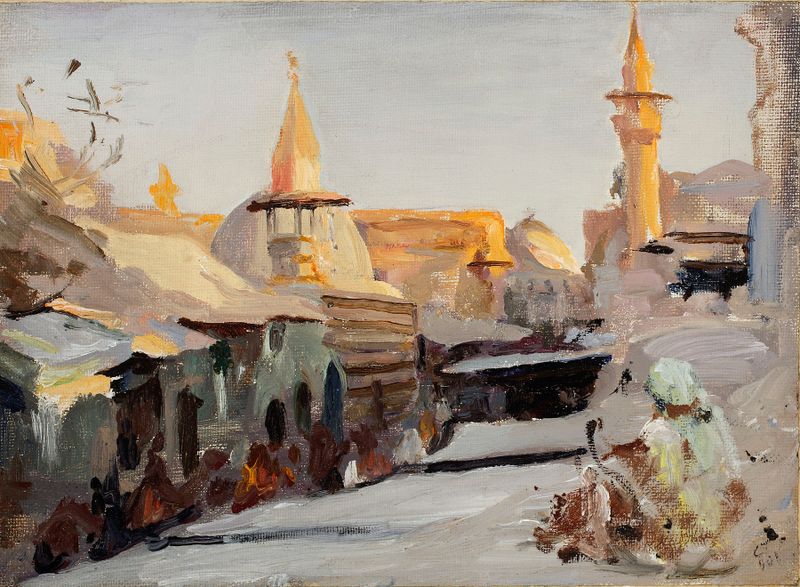
Street in Damascus. From the journey to Palestine
Jan Ciągliński
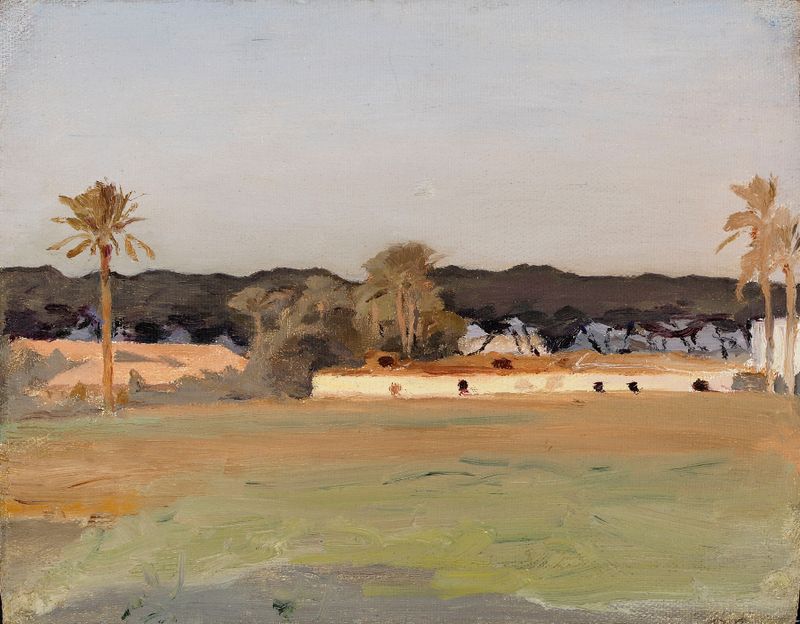
Evening. From the journey to Egypt
Jan Ciągliński
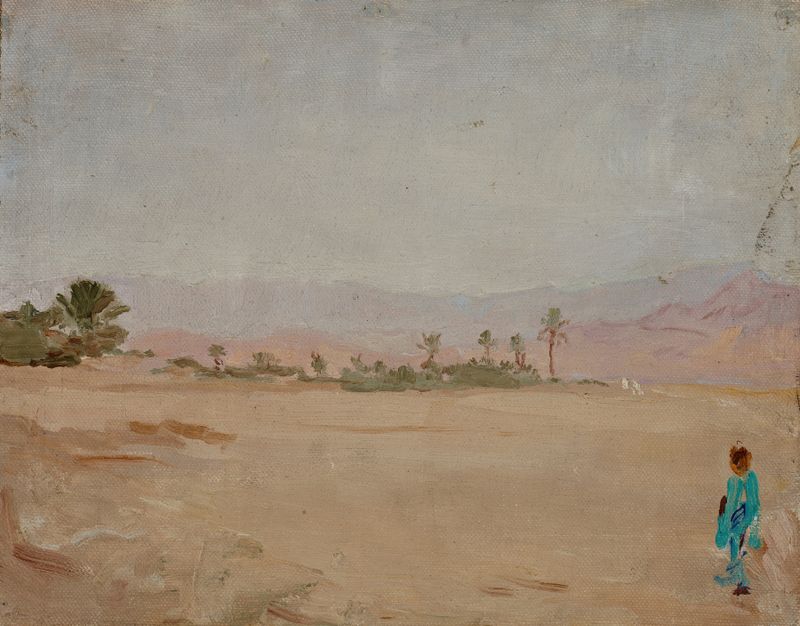
Sahara (Desert)
Jan Ciągliński
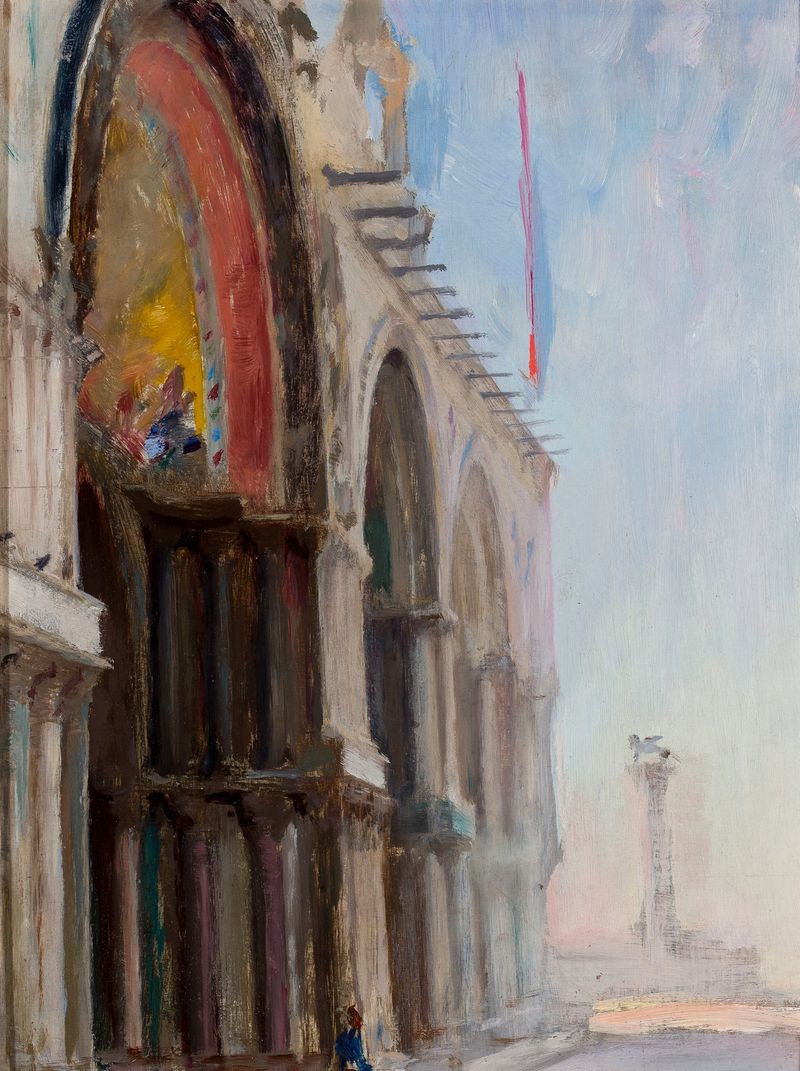
Venice – San Marco. From the journey to Italy
Jan Ciągliński
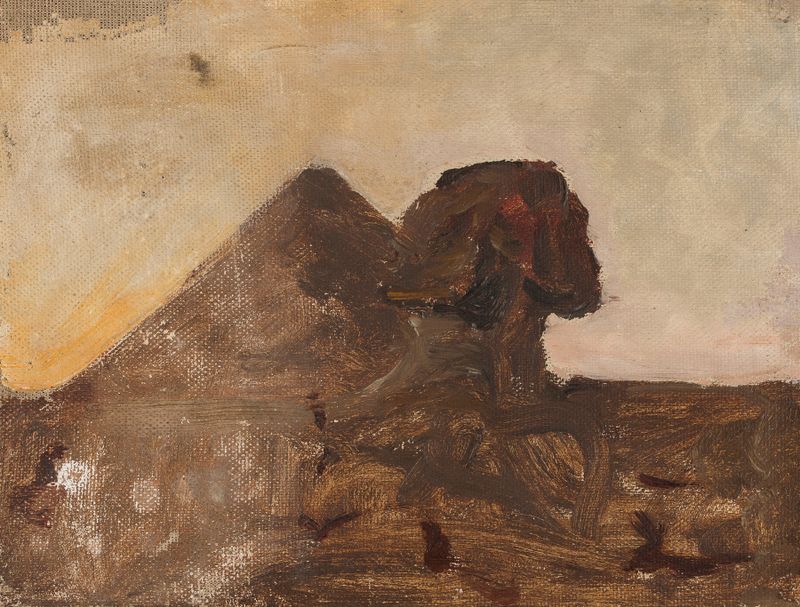
Evening in the desert – Sphinx and pyramid. From the journey to Egypt
Jan Ciągliński





