
Old temple in Madras. From the journey to India — History & Facts
In a world where the ephemeral collides with the eternal, art captures fleeting moments of fragility and strength. Look closely at the delicate interplay of light and shadow across the worn stone of the temple. The textured strokes convey the passage of time, inviting you to explore the intricate details of the architecture. Notice how the warm tones of ochre and rich earth colors blend seamlessly, creating a sense of warmth that envelops the viewer.
The artist's choice of vibrant greens in the foliage adds life to the scene, contrasting the solid, unyielding structure of the temple, suggesting nature's persistent embrace. The painting embodies a juxtaposition of permanence and transience. Each crack in the stone speaks of history, yet the lush vegetation creeping around the temple reveals nature's will to reclaim and rejuvenate. This contrast evokes a sense of nostalgia and reverence, as if the temple stands as a testament to spiritual and cultural resilience against time’s inevitable erosion.
The viewer is drawn to reflect on the fragility of human creations set against the enduring force of nature. Jan Ciągliński painted this work in 1907 during a period of artistic exploration and colonial fascination with the East. Situated in Madras, India, he sought to capture not only the architectural beauty of the temple but also the cultural richness of the land. This era was marked by a growing interest in Orientalism, where Western artists were drawn to the exotic and the spiritual aspects of non-Western art forms, encouraging a dialogue between different cultures.
More Artworks by Jan Ciągliński
Browse all →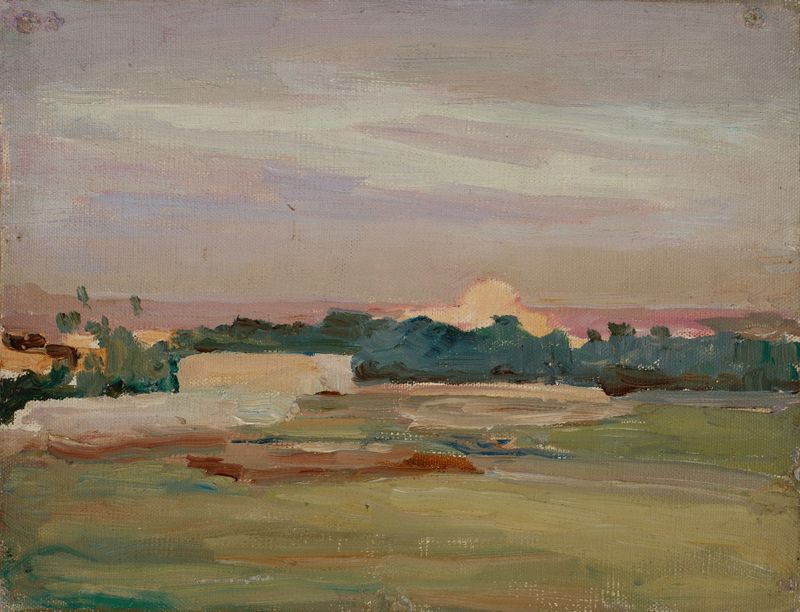
The Sirocco
Jan Ciągliński
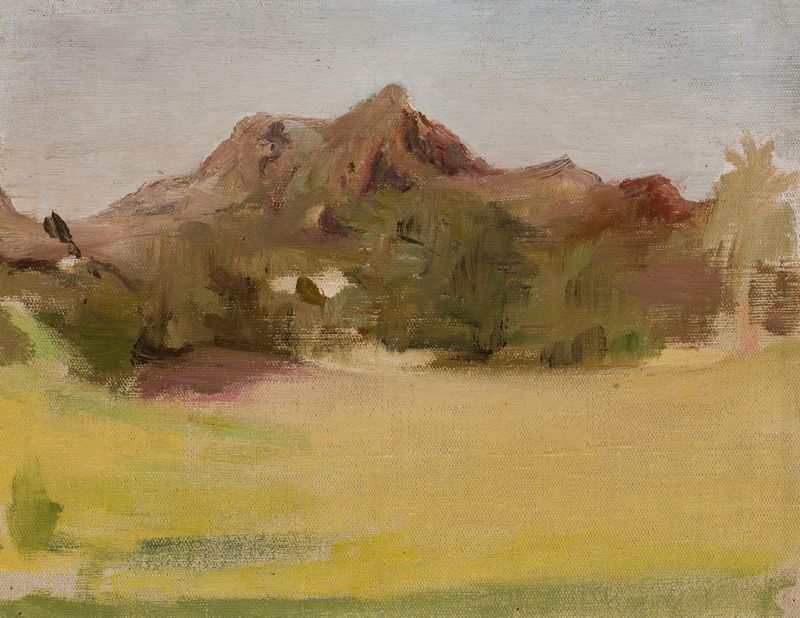
Mountain landscape. From the journey to India
Jan Ciągliński
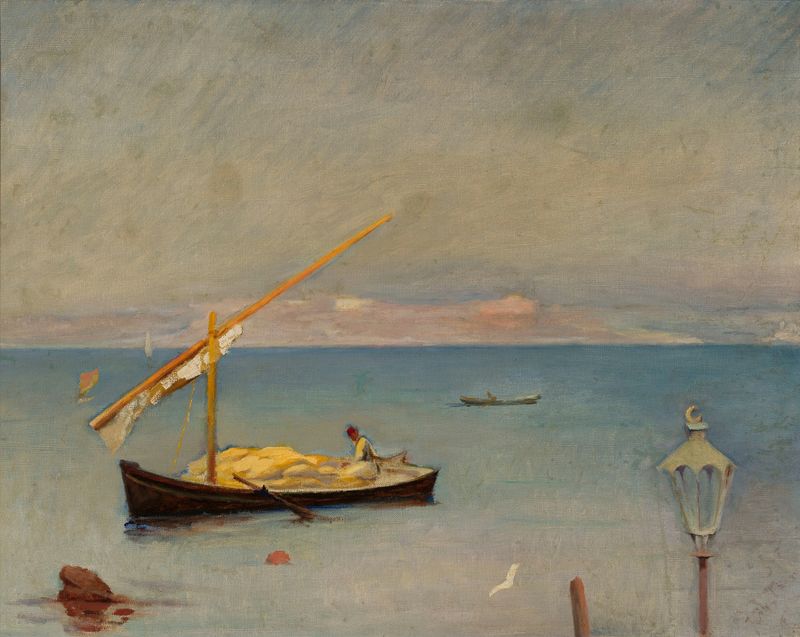
At Bosporus
Jan Ciągliński
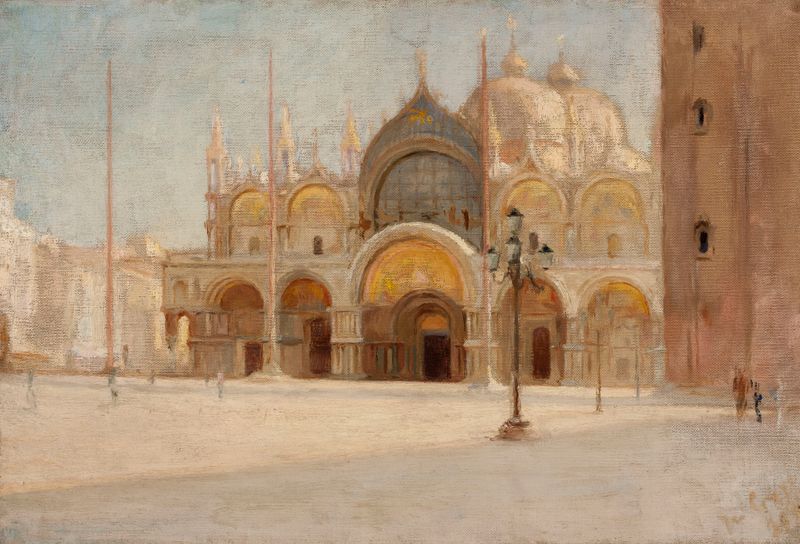
St Mark’s Square in Venice
Jan Ciągliński
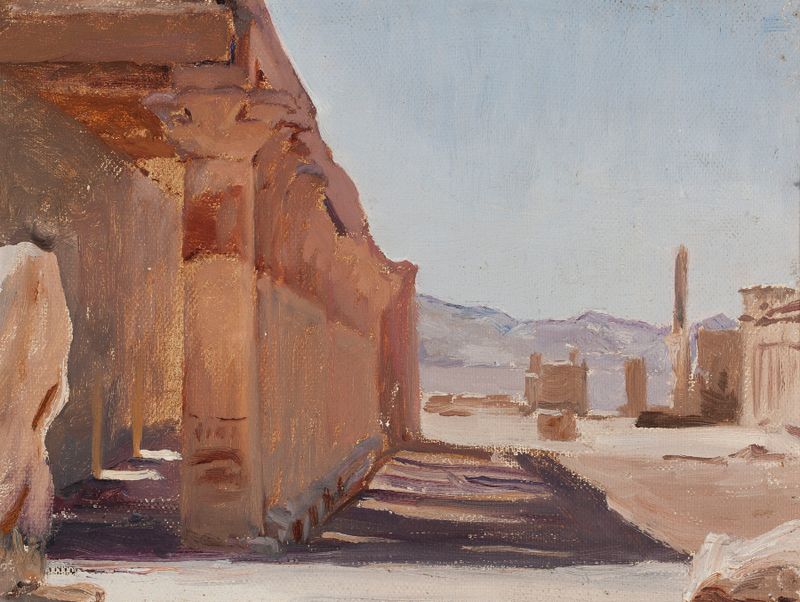
Temple. From the journey to Egypt
Jan Ciągliński
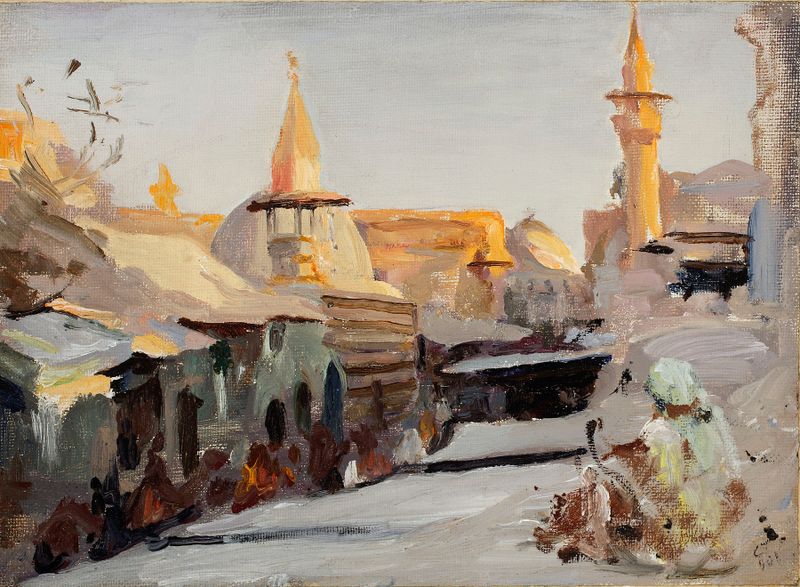
Street in Damascus. From the journey to Palestine
Jan Ciągliński
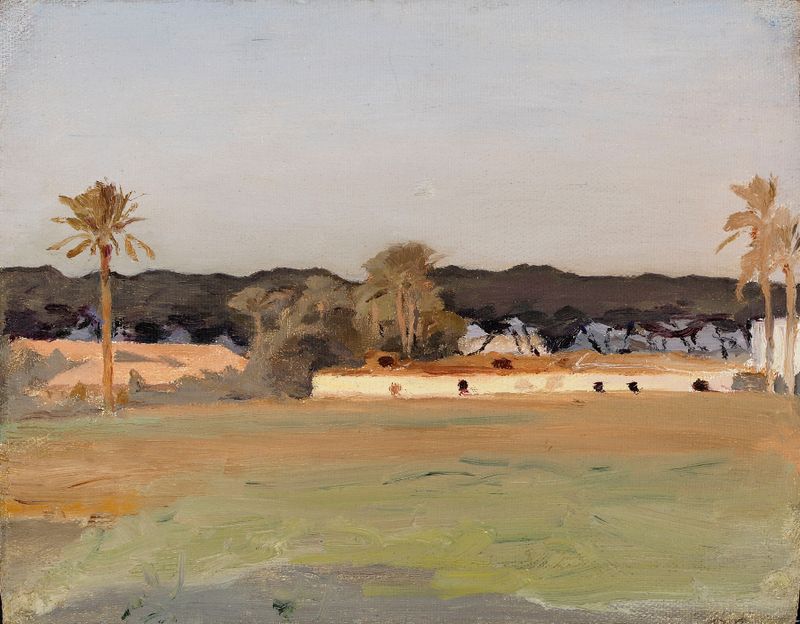
Evening. From the journey to Egypt
Jan Ciągliński
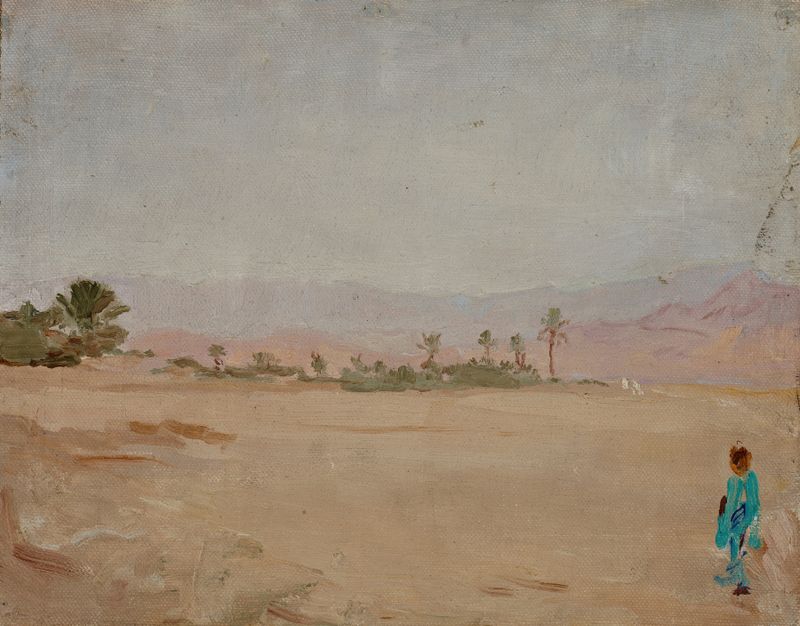
Sahara (Desert)
Jan Ciągliński
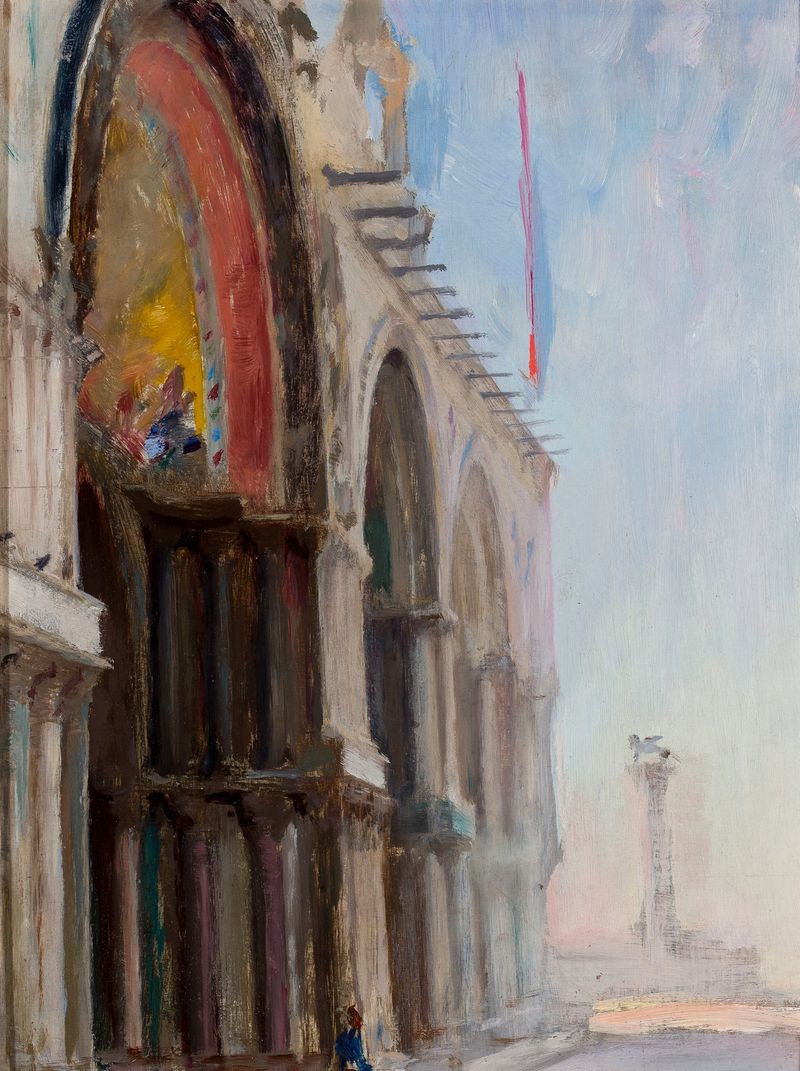
Venice – San Marco. From the journey to Italy
Jan Ciągliński
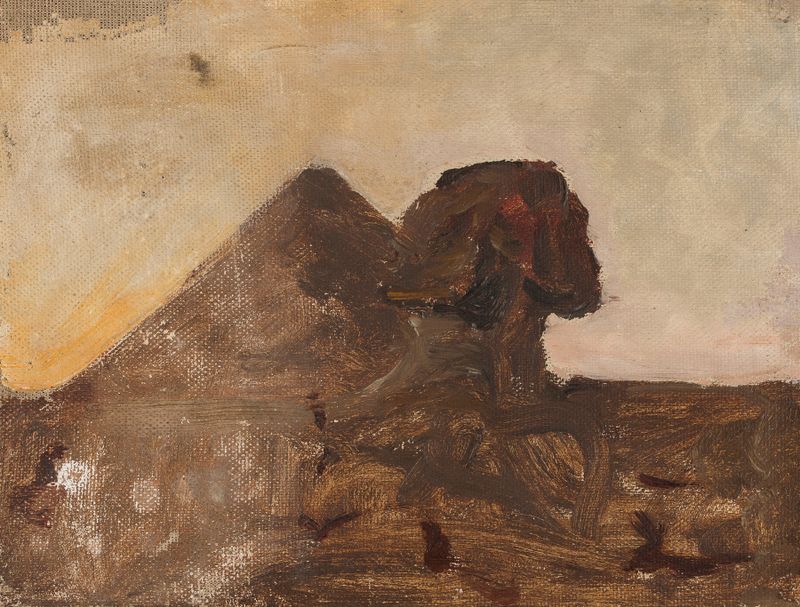
Evening in the desert – Sphinx and pyramid. From the journey to Egypt
Jan Ciągliński
More Architecture Art
Browse all →
The statue of Liberty
Frédéric Auguste Bartholdi

View of Houses in Delft, Known as ‘The Little Street’
Johannes Vermeer

View of Houses in Delft, Known as ‘The Little Street’
Johannes Vermeer

The Cathedral in Rouen. The portal, Grey Weather
Claude Monet

The yellow house
Vincent van Gogh

The Church in Auvers-sur-Oise, View from the Chevet
Vincent van Gogh