
Olevano — History & Facts
Perhaps it yearns for the touch of a brush to revive memories long forgotten, inviting us to ponder the echoes of time. Look to the left of the canvas, where the soft, sweeping hills cradle the horizon. Notice how Bierstadt’s mastery of light bathes the landscape in a golden hue, creating a warm embrace that draws the eye. The interplay of shadow dances across the valleys, revealing a depth that feels almost three-dimensional, while the sky overhead swells with dramatic, billowing clouds, hinting at a fleeting moment about to change. At its heart, Olevano serves as a canvas of contrasts — the tranquility of the pastoral setting juxtaposed with the looming, tempestuous sky.
This tension silently speaks of nostalgia, invoking a longing for simpler times while suggesting the unpredictable nature of existence. Each brushstroke resonates with emotion, as if the scene itself holds the weight of memories and dreams, gently reminding us of the fragility of peace. Bierstadt painted this artwork between 1856 and 1857 during a period marked by his exploration of the American West and its sublime landscapes. Living in a time when Romanticism dominated the art world, he sought to capture the grandeur of nature, reflecting both the beauty and the tumult of human experience against the backdrop of a changing world.
This painting exemplifies his ability to merge reality with emotion, solidifying his legacy as a master of landscape art.
More Artworks by Albert Bierstadt
Browse all →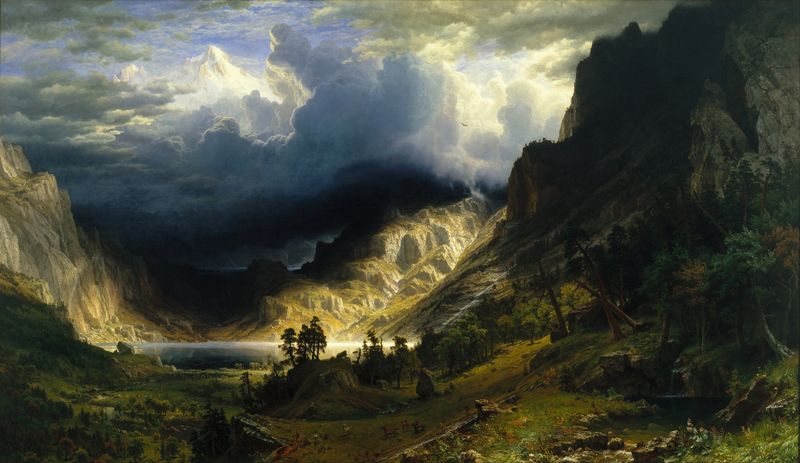
A Storm in the Rocky Mountains, Mt. Rosalie
Albert Bierstadt
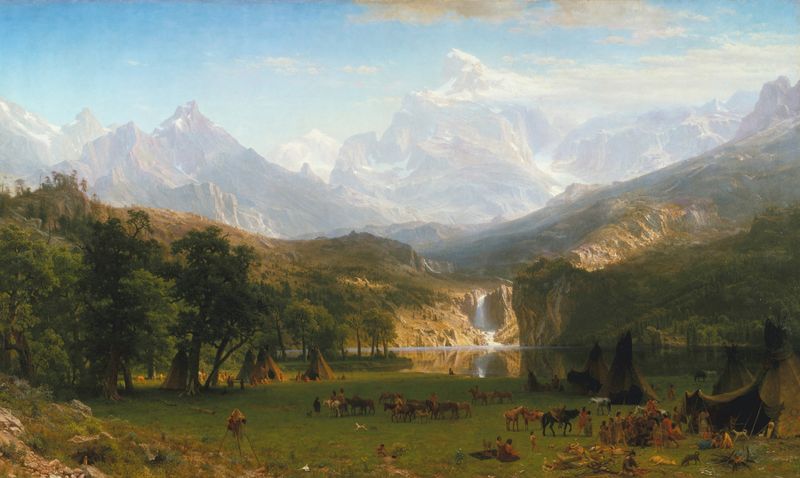
The Rocky Mountains, Lander’s Peak
Albert Bierstadt
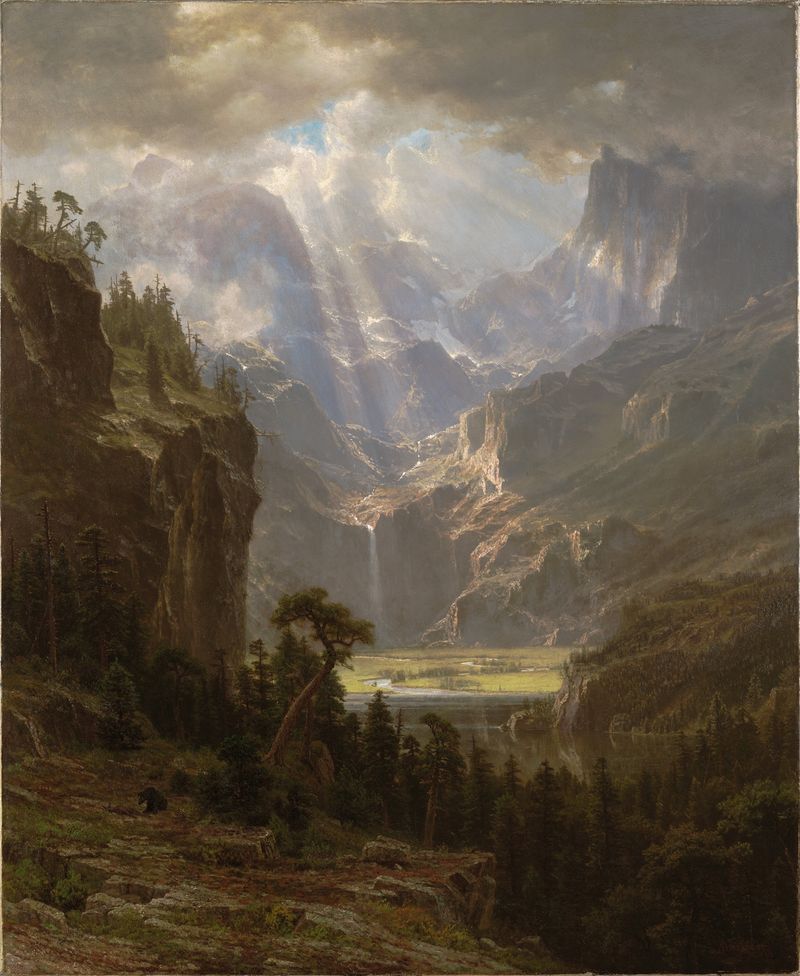
Rocky Mountains, Lander’s Peak
Albert Bierstadt
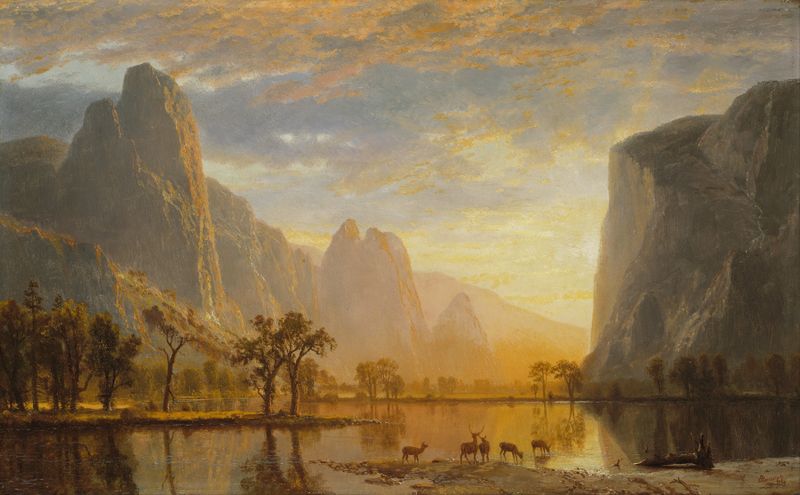
Valley of the Yosemite
Albert Bierstadt
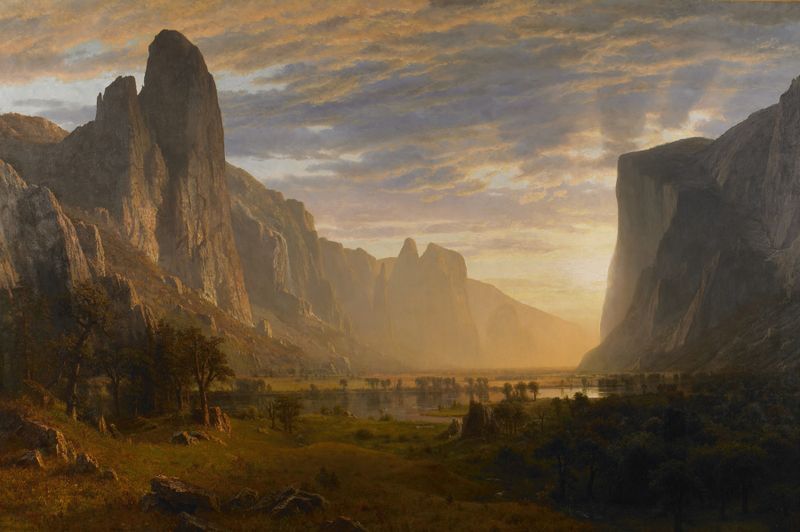
Looking Down Yosemite Valley, California
Albert Bierstadt
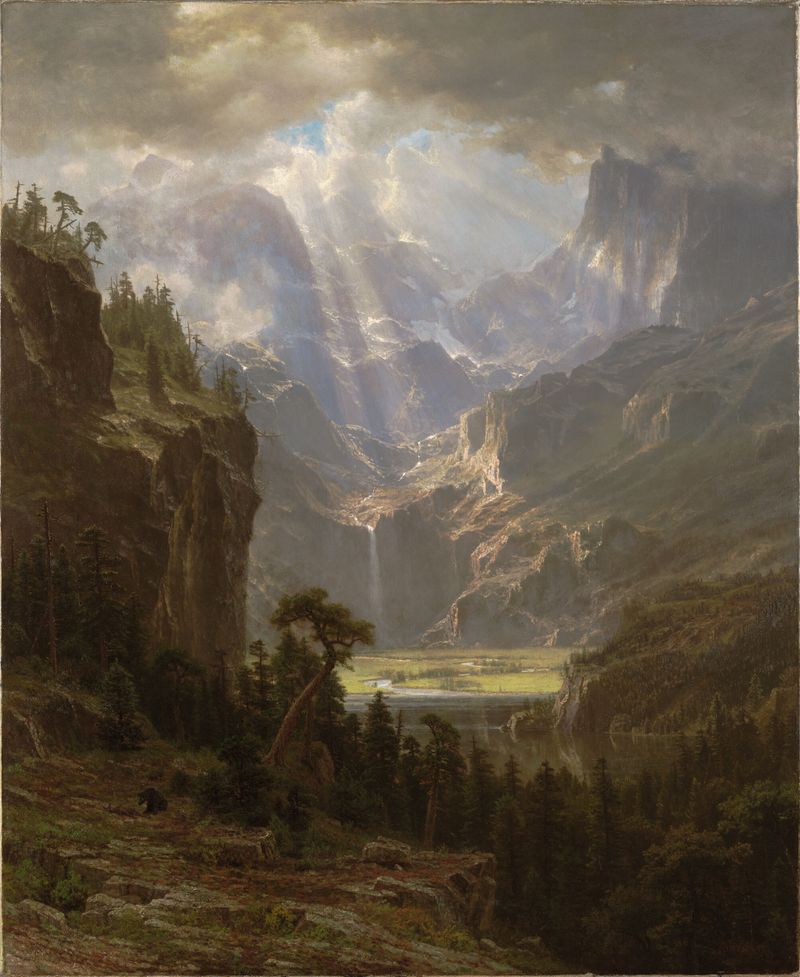
Rocky Mountains, "Lander's Peak"
Albert Bierstadt
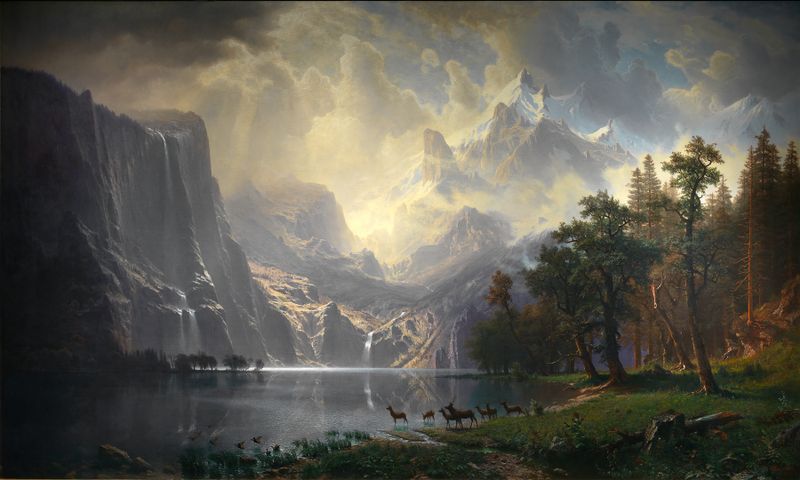
Among the Sierra Nevada, California
Albert Bierstadt
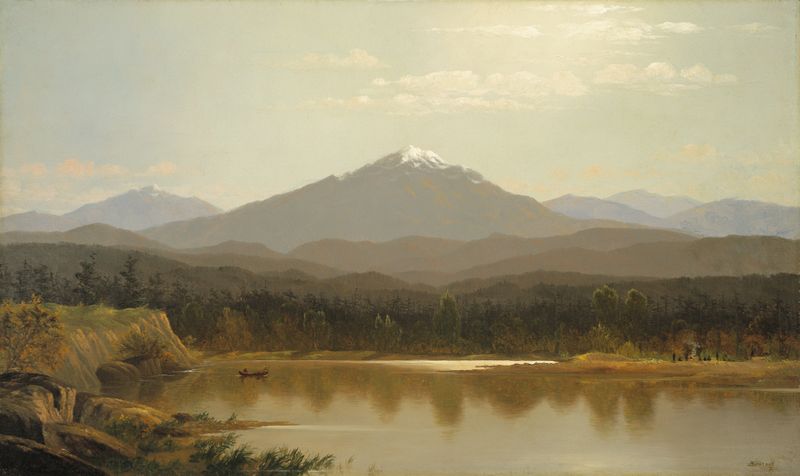
Laramie Peak
Albert Bierstadt
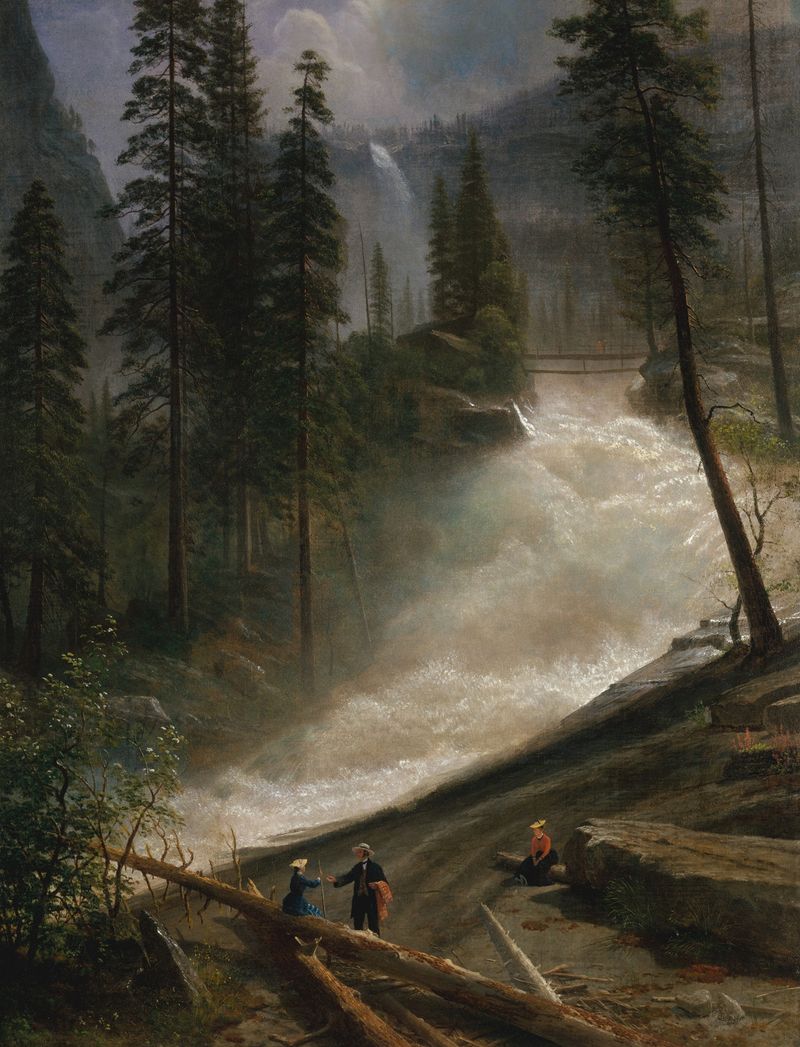
Nevada Falls, Yosemite
Albert Bierstadt
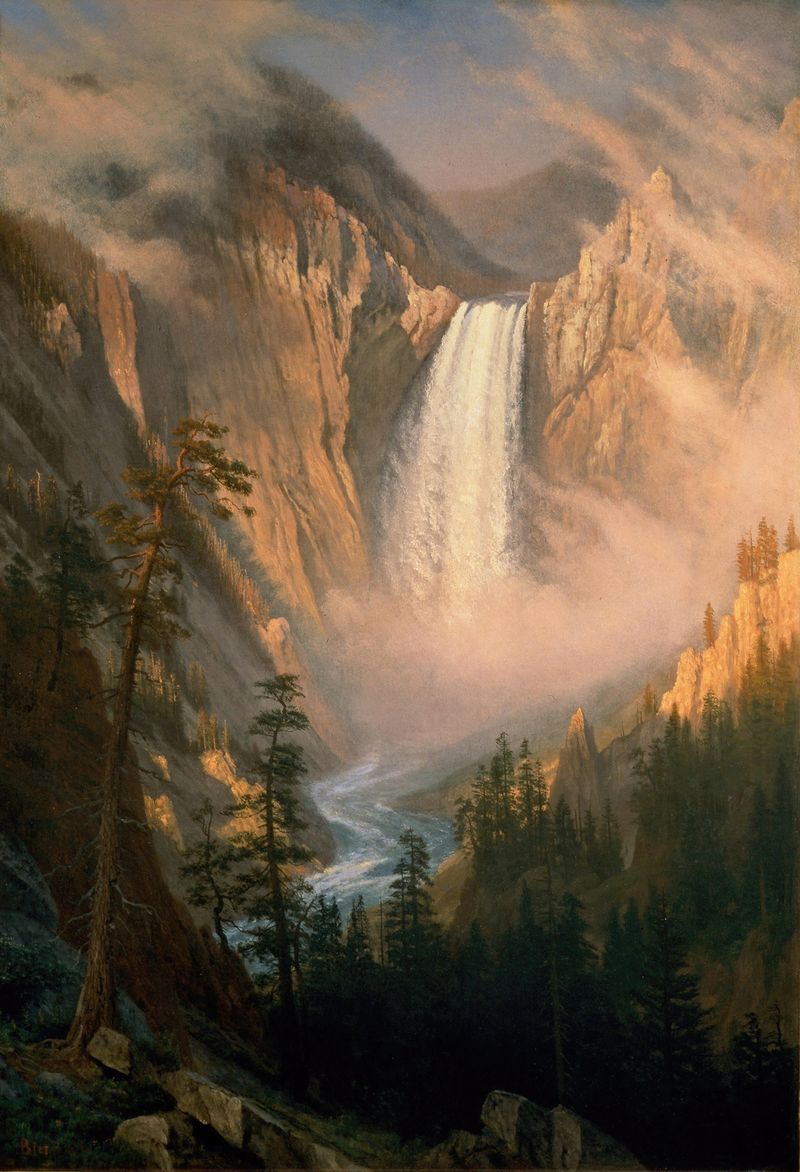
Yellowstone Falls
Albert Bierstadt





