
Olevano — History & Facts
When did color learn to lie? In a world saturated with hues, we often forget that beneath vibrant surfaces lies the murmur of impermanence. Focus on the gentle interplay of light and shadow in the foreground. You’ll find a lush landscape of rich greens and warm earth tones, inviting your gaze into a tranquil valley framed by towering mountains. The composition draws the eye upward, where soft clouds interplay with a golden sky, hinting at the transient nature of day.
The meticulous brushwork, crafted with a blend of realism and romanticism, adds depth, inviting contemplation of both beauty and fate. A closer look reveals a deeper narrative woven through the painting. The juxtaposition of the vibrant landscape against the looming mountains suggests the struggle between life and the inevitability of mortality. The vibrant greens, symbols of life and growth, stand in stark contrast to the somber shadows, echoing the duality of existence.
The serenity of the scene is tinged with a quiet melancholy, urging viewers to reflect on their own fleeting moments amid nature's grandeur. Created between 1856 and 1857, the artist painted this work during a period when he was receiving accolades for his grand landscapes. Positioned within the Hudson River School movement, he sought to convey the sublime in nature, mirroring the American fascination with westward expansion. Amid personal growth and artistic acclaim, this piece encapsulates Bierstadt's desire to blend beauty with a profound meditation on life's transience.
More Artworks by Albert Bierstadt
Browse all →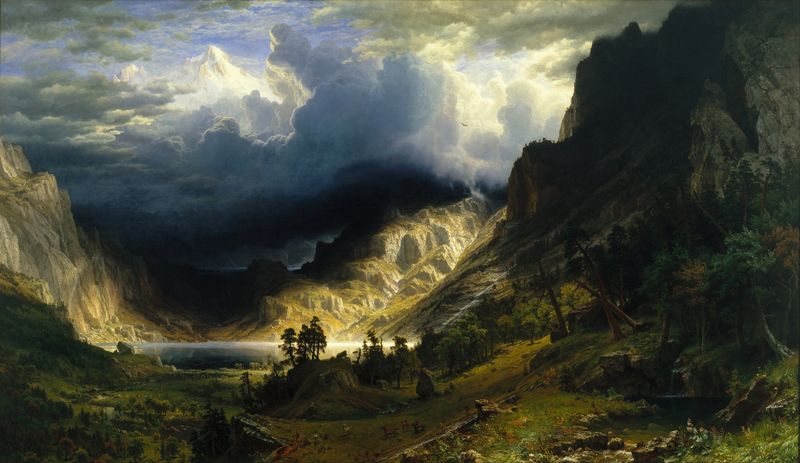
A Storm in the Rocky Mountains, Mt. Rosalie
Albert Bierstadt
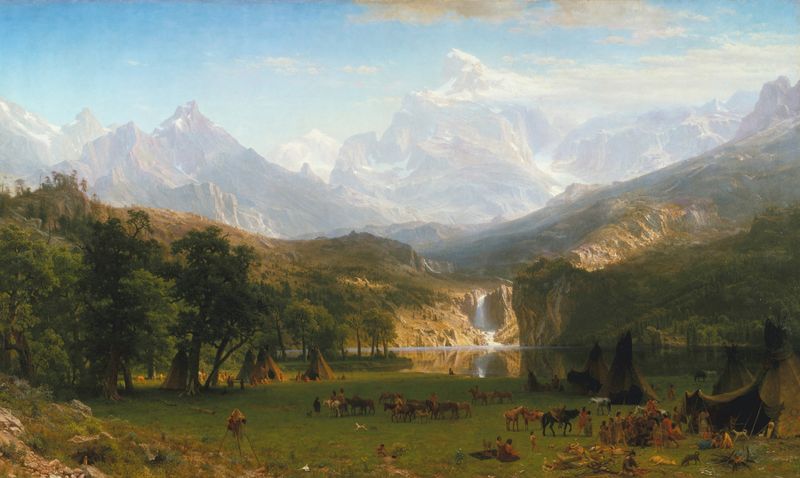
The Rocky Mountains, Lander’s Peak
Albert Bierstadt
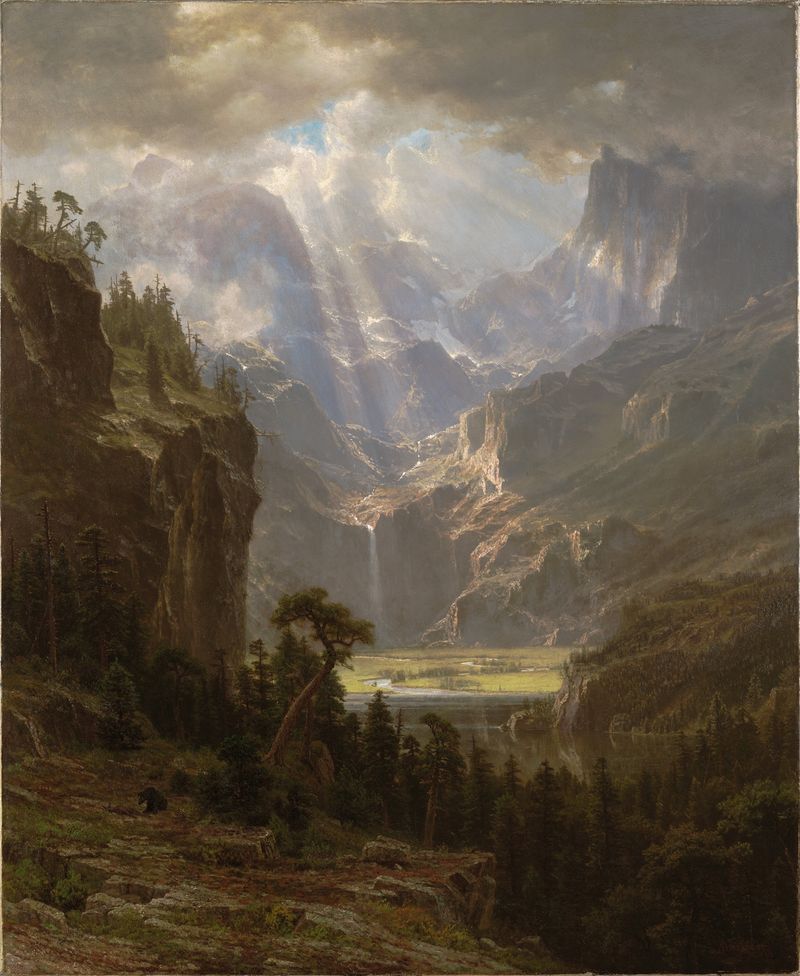
Rocky Mountains, Lander’s Peak
Albert Bierstadt
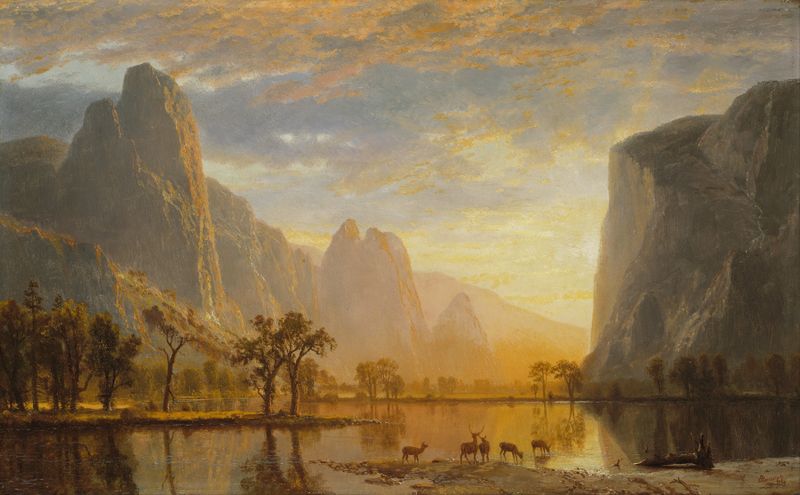
Valley of the Yosemite
Albert Bierstadt
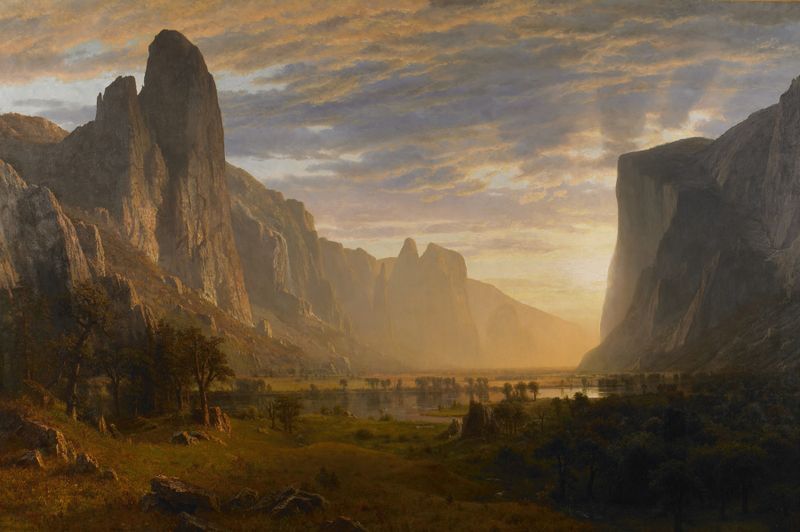
Looking Down Yosemite Valley, California
Albert Bierstadt
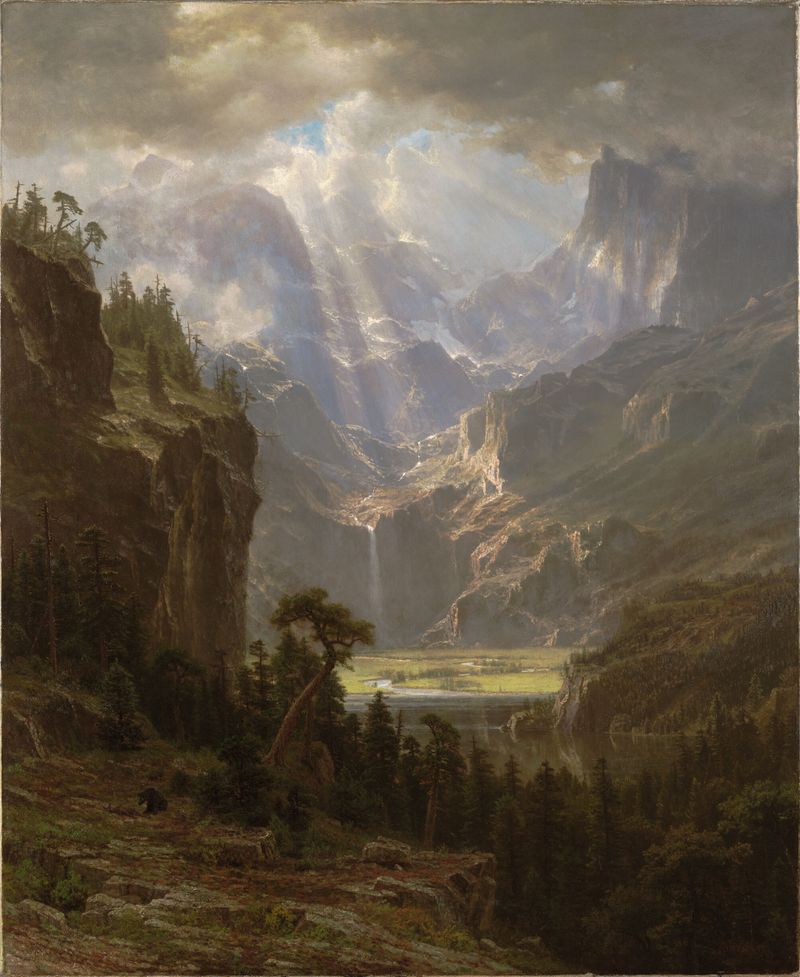
Rocky Mountains, "Lander's Peak"
Albert Bierstadt
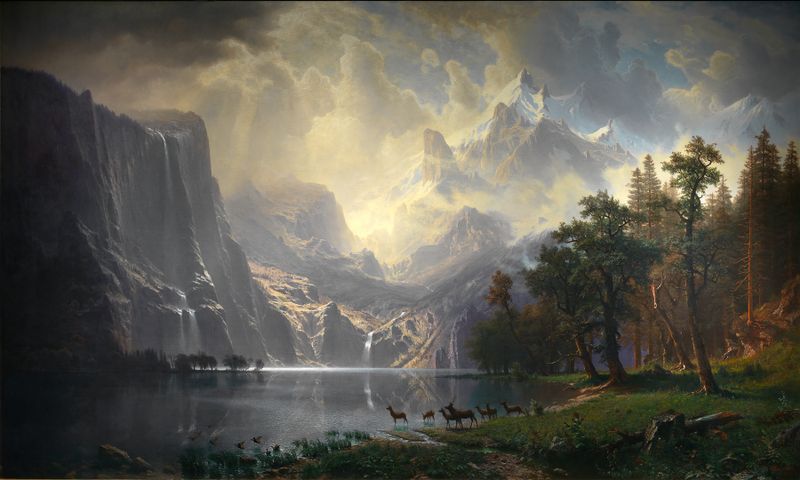
Among the Sierra Nevada, California
Albert Bierstadt
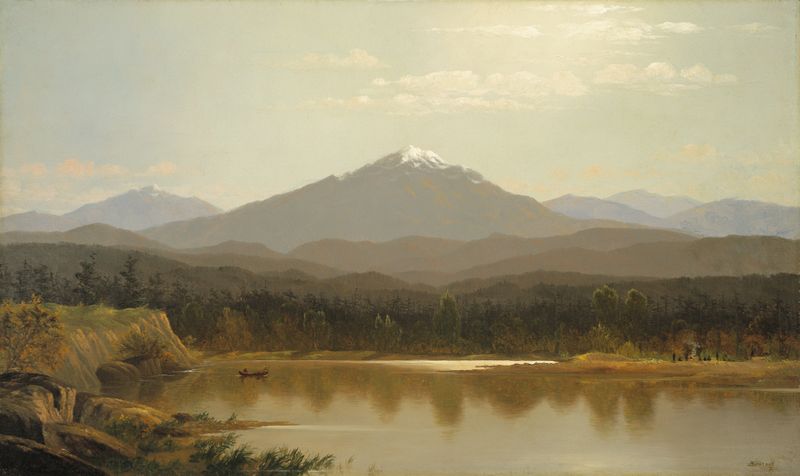
Laramie Peak
Albert Bierstadt
Nevada Falls, Yosemite
Albert Bierstadt
Yellowstone Falls
Albert Bierstadt





