
On the Coast — History & Facts
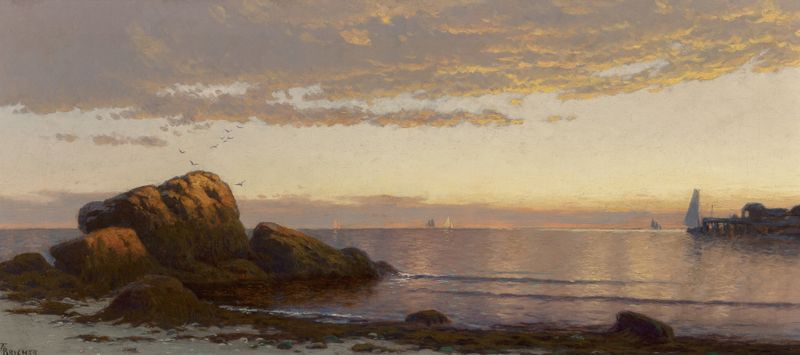
In the world of art, there exists an obsessive quest to capture nature's fleeting beauty, a challenge that few achieve with such eloquence. Focus first on the horizon, where the tumultuous sea meets the soft embrace of the sky. The layers of blue, painted with delicate strokes, blend seamlessly, evoking a sense of both tranquility and tension. Look toward the rocky shoreline, where splashes of white foam contrast against the earthy tones of the rocks, inviting the viewer to explore the dynamic interplay between land and water.
The composition balances light and shadow, enhancing the depth and drama of the coastal scene. Delve deeper, and you’ll find the intricate details: the way the sea salt glistens like diamonds under golden sunlight, hinting at the transitory nature of this moment. The artist's choice of color palette—rich blues and soft earth tones—reflects a profound emotional resonance, echoing the serenity mixed with the turmoil of obsession. This tension between calmness and chaos serves as a metaphor for the artist's relentless pursuit of perfection in capturing the essence of nature. In 1890, Bricher painted this work as part of his exploration of coastal landscapes while based in the United States.
Both a product of the Hudson River School and an early proponent of American Impressionism, he sought to illuminate nature through a unique interplay of light and color during a time when artists were increasingly drawn to the outdoors. His dedication to depicting the beauty of the natural world cemented his legacy, as he navigated the rapidly evolving landscape of the art world.
More Artworks by Alfred Thompson Bricher
Browse all →
New England Coast
Alfred Thompson Bricher
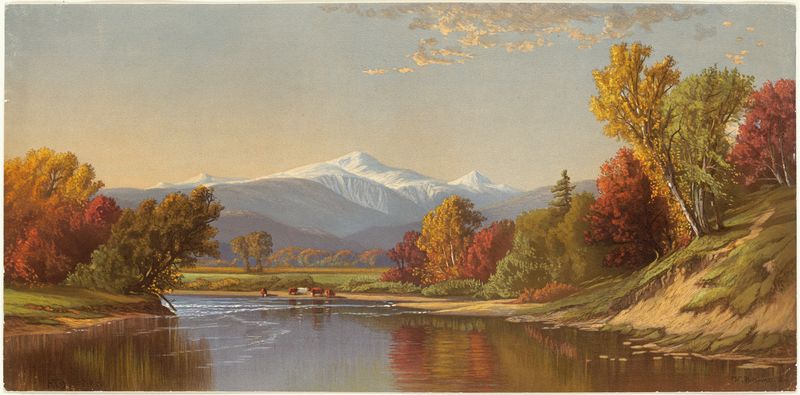
Late Autumn in the White Mountains
Alfred Thompson Bricher
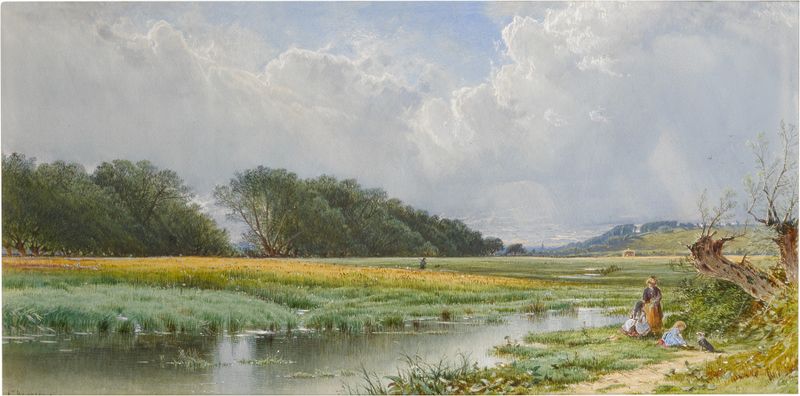
On the Meadows of Old Newburyport
Alfred Thompson Bricher

Along the Maine Coast
Alfred Thompson Bricher
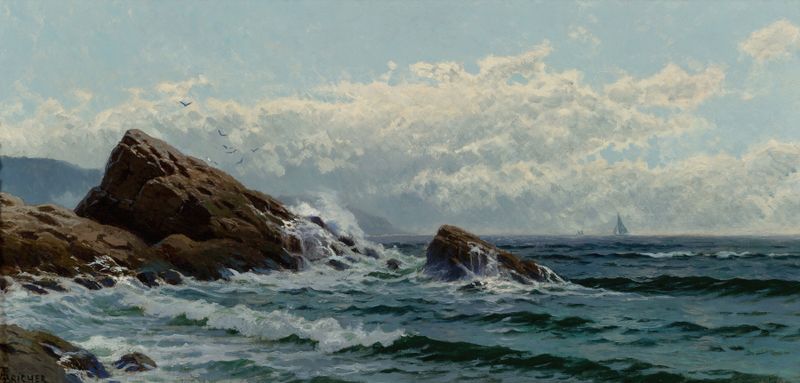
Crashing Waves
Alfred Thompson Bricher

At Water’s Edge
Alfred Thompson Bricher
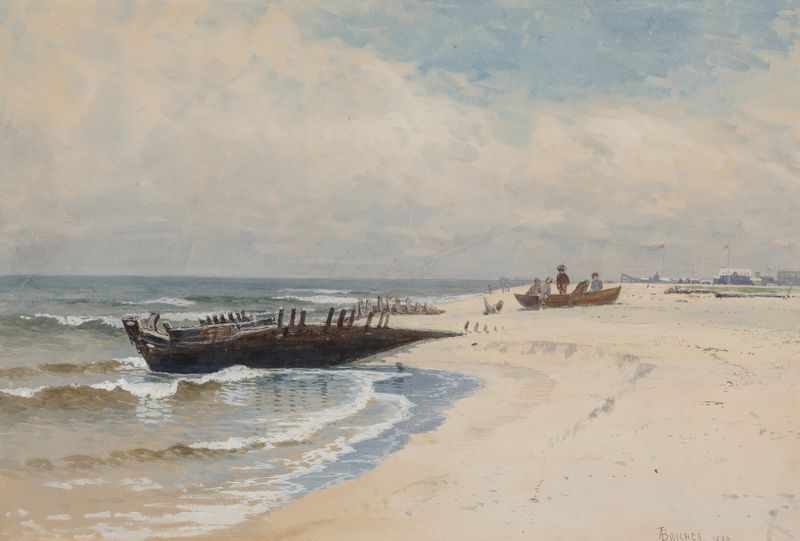
Low Tide
Alfred Thompson Bricher
Sunset on the Coast
Alfred Thompson Bricher

Castle Rock, Nahant, Massachusetts
Alfred Thompson Bricher

On the Meadows of Old Newburyport
Alfred Thompson Bricher





