
On the Lake of Como — History & Facts
In a world where harmony often teeters on the edge of chaos, balance becomes an exquisite dance between light and shadow, joy and sorrow. Focus your gaze on the serene expanse of water, where soft ripples gently reflect the azure sky, inviting a moment of respite. The vibrant greens of the surrounding hills cradle the lake like a tender embrace, while delicate strokes of pastel color breathe life into the scene. Notice how the light glimmers off the surface, transforming the mundane into something almost ethereal, beckoning you to linger just a bit longer. Yet, beneath the tranquil surface lies a tension—the contrast between the idyllic setting and the depth of the human experience.
The stillness of the water hints at hidden currents below, reminding us that beauty often conceals deeper emotions, perhaps longing or the bittersweet passage of time. The harmonious interplay of color and composition evokes a sense of equilibrium, yet whispers of an underlying complexity serve as a poignant reminder of life's delicate balance. In 1781, Francis Towne found inspiration in the breathtaking landscapes of Italy, a time when the Romantic movement was taking hold in the world of art. As he painted On the Lake of Como, he was grappling with his own artistic identity, influenced by contemporary artists who sought to capture the sublime.
This piece reflects not only the serene beauty of the lake but also his quest for equilibrium amidst a rapidly changing artistic landscape.
More Artworks by Francis Towne
Browse all →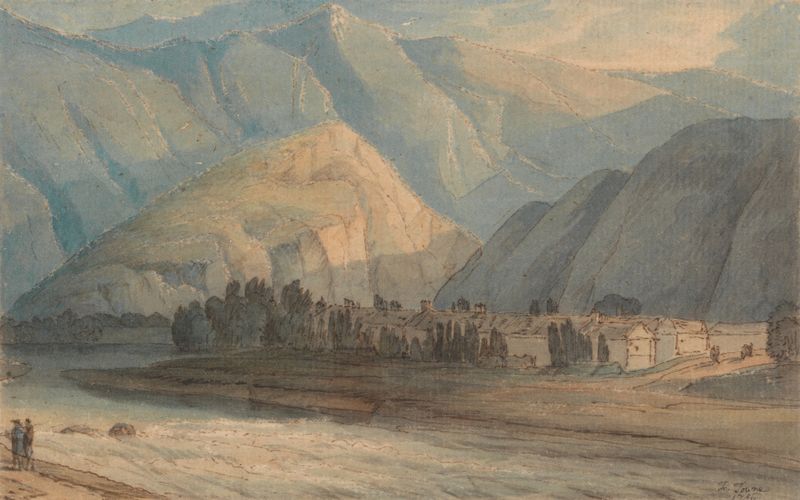
The Grange at the Head of Keswick Lake
Francis Towne

Vauxhall Stairs, from Millbank, July 5, 1797
Francis Towne

View in Borrowdale of Eagle Crag and Rosthwaite
Francis Towne

View of Lake Como with Monte Leoni
Francis Towne
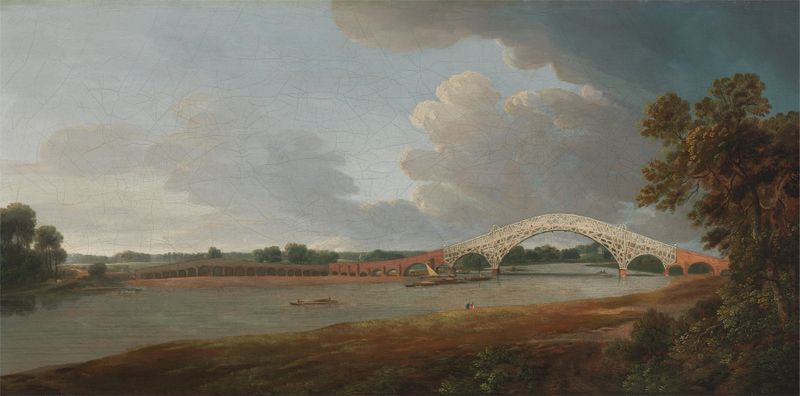
Old Walton Bridge
Francis Towne
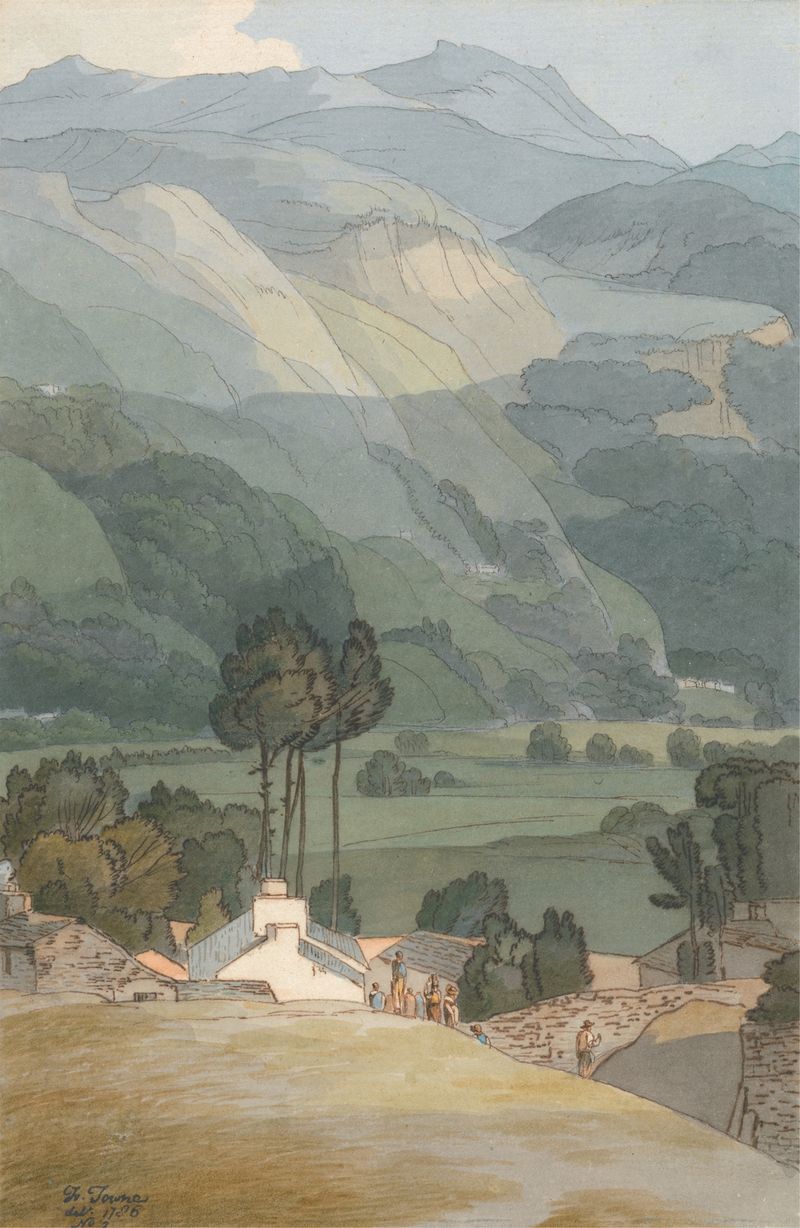
Ambleside
Francis Towne
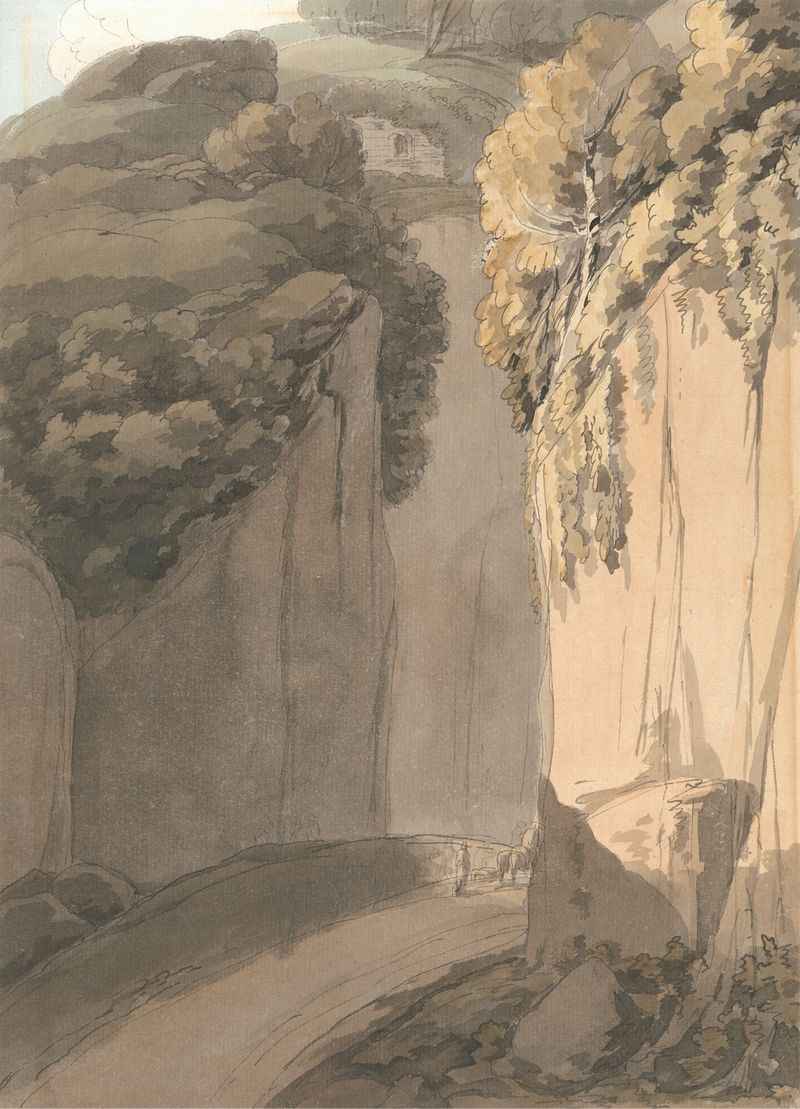
Entrance to the Grotto at Posilippo, Naples
Francis Towne

The Claudian Aquaduct, Rome
Francis Towne

A View Near the Arco Scuro, Looking Towards the Villa Medici, Rome
Francis Towne

View of the Rhydaer
Francis Towne





