
On the Ourthe — History & Facts
Could beauty survive in a century of chaos? This question lingers in the air, evoking a sense of yearning for something pure amid the tumult of human existence. Focus on the tranquil river that meanders gracefully through the landscape, its surface shimmering under a delicate interplay of light. The soft greens and blues evoke a sense of calm, while the gentle brush strokes reveal the artist's deep connection to nature. Notice how the distant hills cradle the water, creating a serene backdrop that beckons the viewer to step into this peaceful moment. Hidden within this idyllic scene are contrasts that speak to deeper truths.
The river, a symbol of continuity and destiny, flows steadfastly through the canvas, suggesting life's unrelenting passage despite external chaos. The lush foliage on the banks serves as a reminder of nature's resilience, thriving even in uncertain times. This balance between tranquility and the unseen turmoil of the world becomes a poignant reflection of the human experience. In 1907, the artist was in the midst of exploring the natural beauty of Scotland and its surroundings.
During this period, he was gaining recognition for his masterful landscapes, which often captured the subtleties of light and atmosphere. The world around him was evolving, marked by rapid industrial change, yet On the Ourthe stands as a testament to the enduring allure of nature, serving as a refuge in an age of transformation.
More Artworks by David Young Cameron
Browse all →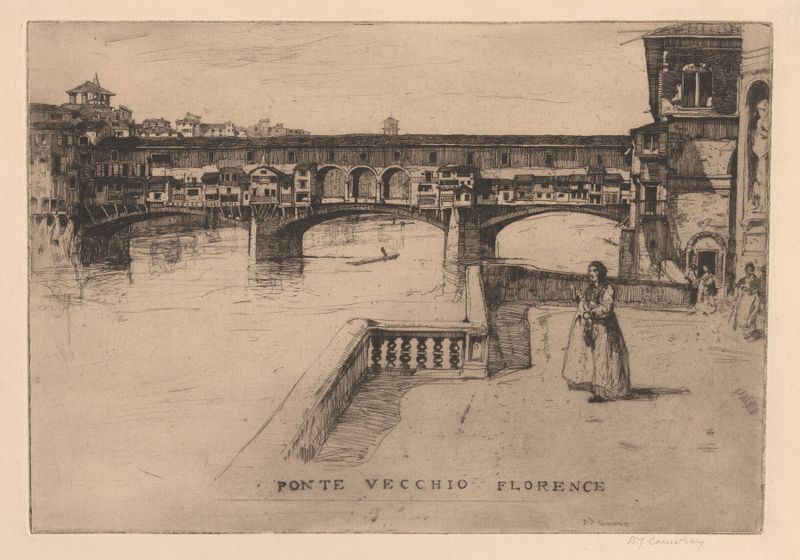
Ponte Vecchio
David Young Cameron

The Deanery, Winchester
David Young Cameron
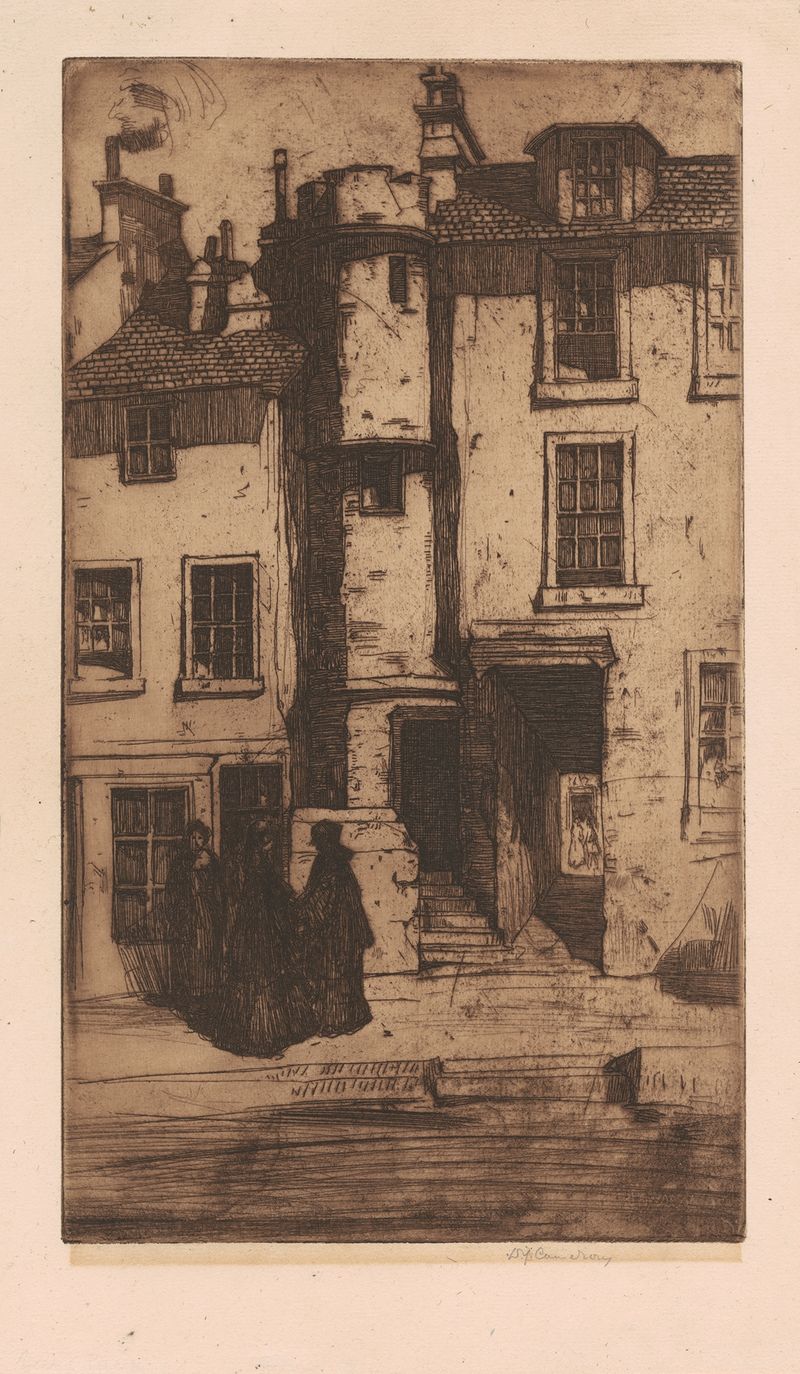
Old Houses, Stirling
David Young Cameron
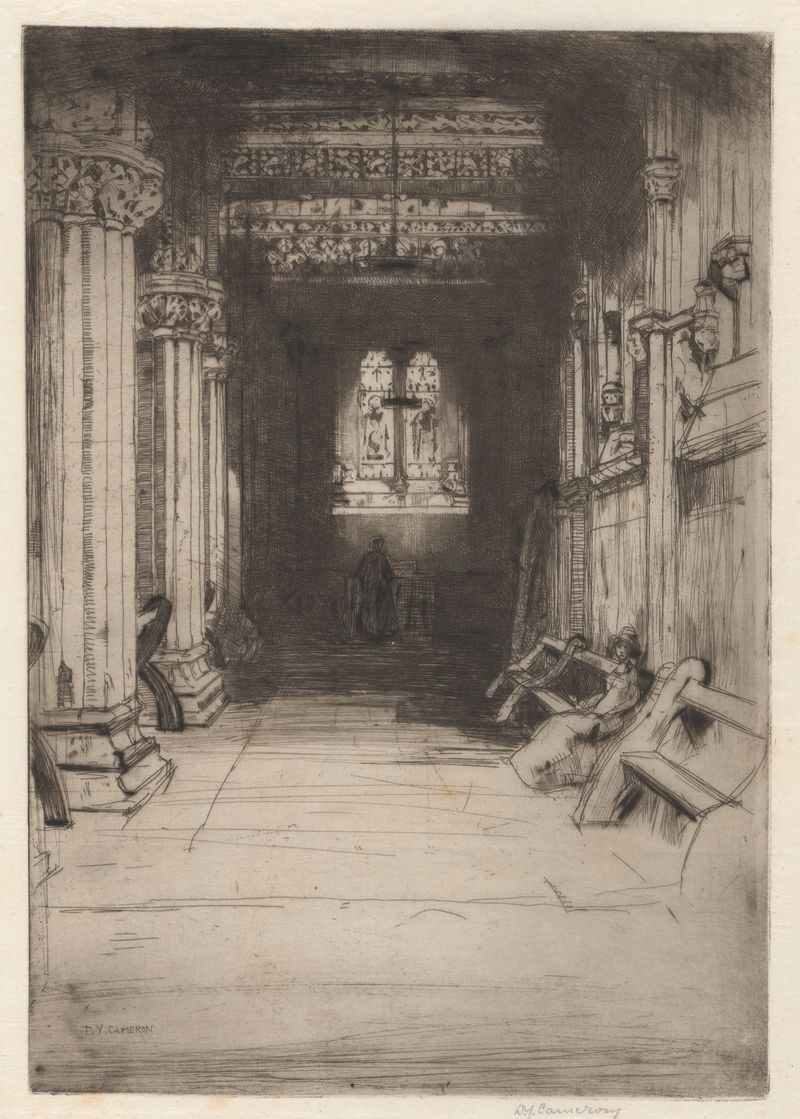
Rosslyn Chapel
David Young Cameron

The Old Museum, Beauvais
David Young Cameron
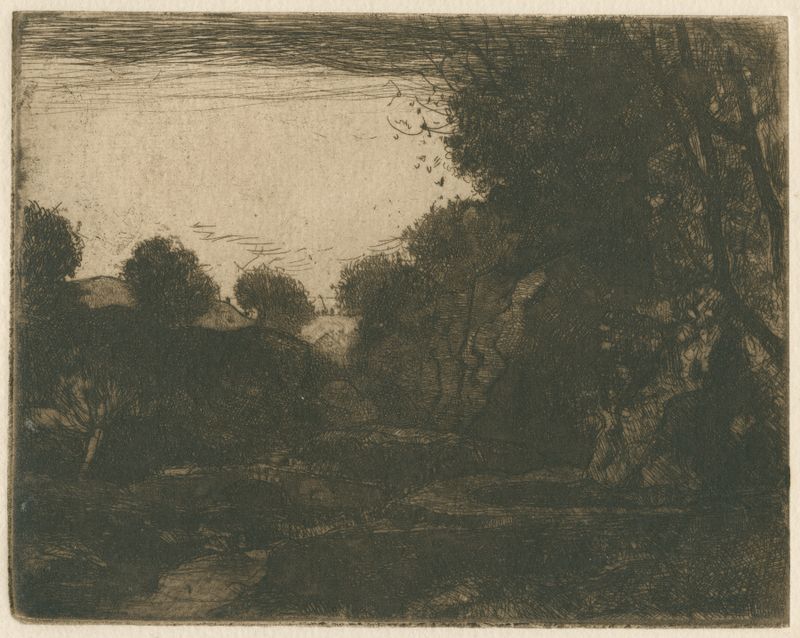
On the Bradford
David Young Cameron

The Smithy
David Young Cameron
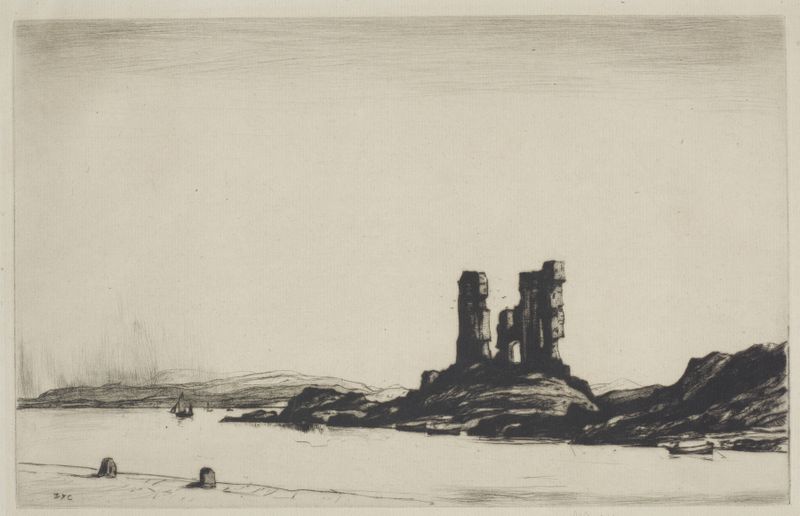
Castle Moyle
David Young Cameron
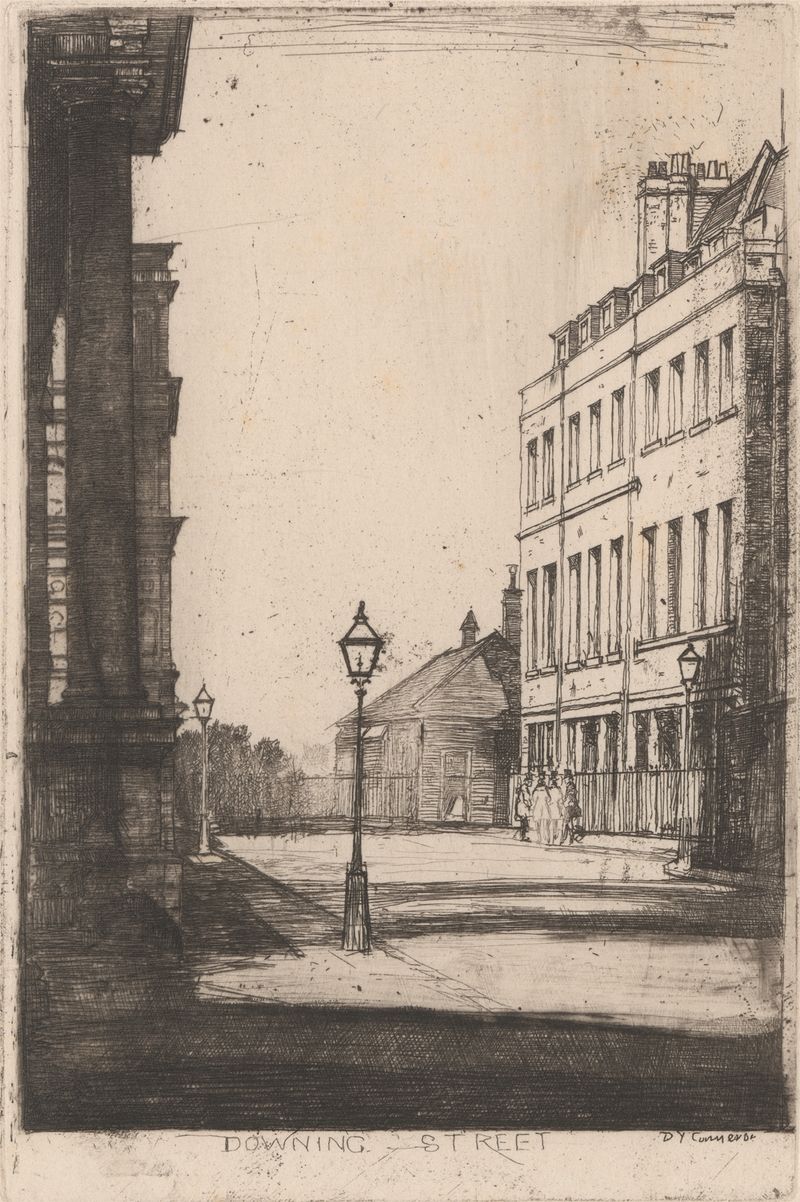
Downing Street
David Young Cameron

Glasgow Cathedral
David Young Cameron





