
On the Way to Indian River, Sitka — History & Facts
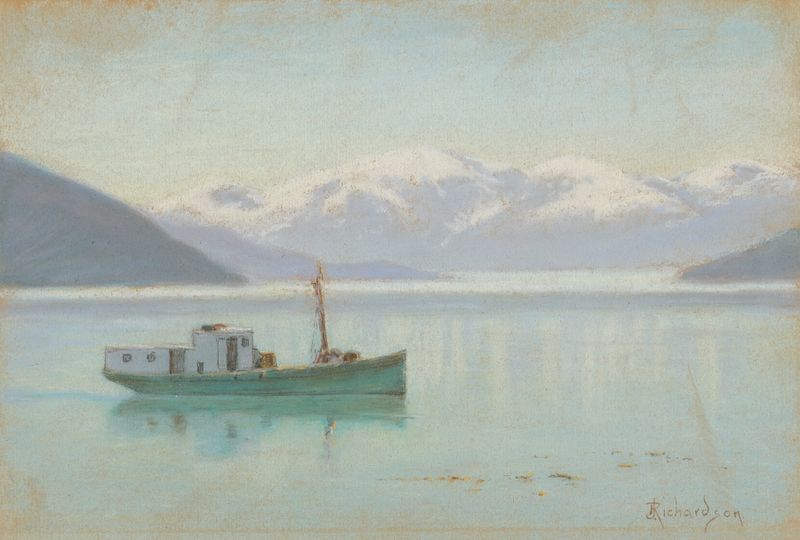
In On the Way to Indian River, Sitka, the viewer is drawn into an enchanting illusion, where vibrant colors meld and swirl like the rhythm of nature itself. This canvas whispers of movement and transformation, inviting contemplation of the interplay between reality and artifice. Look to the center of the piece, where a serpentine river winds its way through a verdant landscape. Rich greens and blues collide, creating a sense of depth that beckons the eye to explore further.
The painter's skilled hand captures the shimmering sunlight dancing on the water’s surface, while deft brushstrokes communicate the lush foliage that flanks the riverbank, revealing both tranquility and vitality in the scene. Beneath the serene exterior lies a tension between the natural world and human perception. The river, a central motif, serves as a metaphor for the passage of time and the fluidity of memory, while the surrounding trees hint at moments of solitude and reflection. The varying brush techniques, from tight detail to sweeping strokes, evoke a sense of movement, suggesting that the illusion of stillness is merely a fleeting moment in the flow of life. Theodore J.
Richardson created this work in the 19th century, a time when American artists increasingly sought to portray the majesty of their landscapes. During this period, he explored the interplay of light and nature, reflecting a burgeoning appreciation for the sublime in the natural world. Emerging from the influences of the Hudson River School, On the Way to Indian River, Sitka stands as a testament to both his vision and the broader artistic movements of the time.
More Artworks by Theodore J. Richardson
Browse all →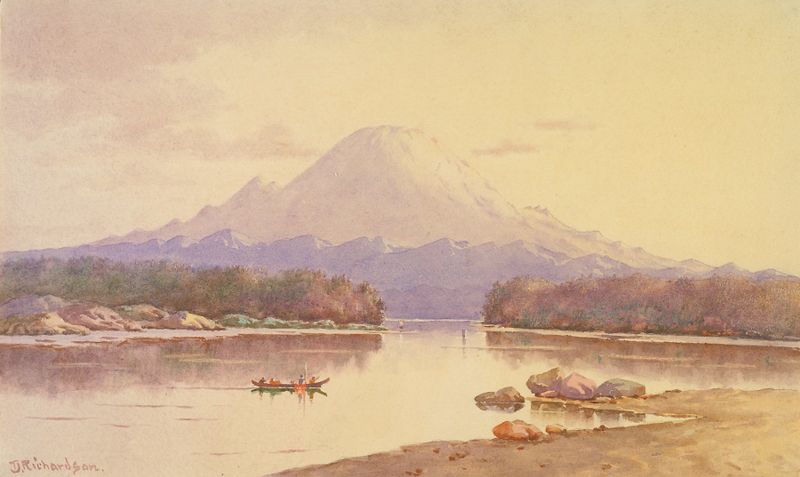
Mount Rainier
Theodore J. Richardson
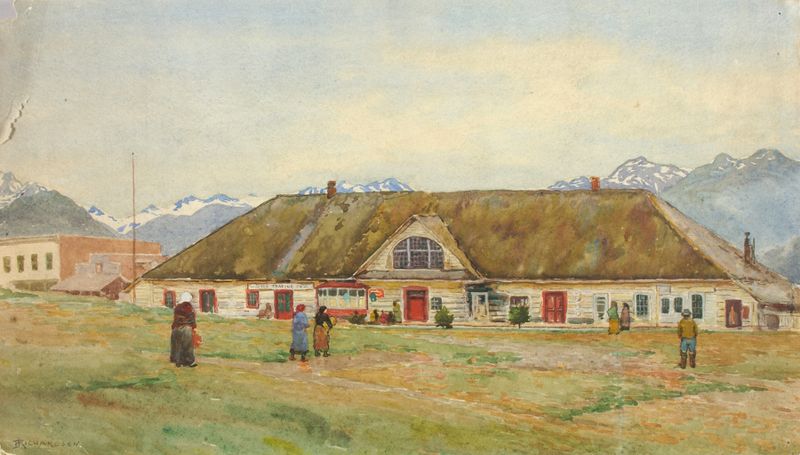
Old Russian Trading Post, Sitka
Theodore J. Richardson

The Ranch Native Village, Sitka, 1884
Theodore J. Richardson

Rear View Of Greek Church, Sitka, 1888
Theodore J. Richardson
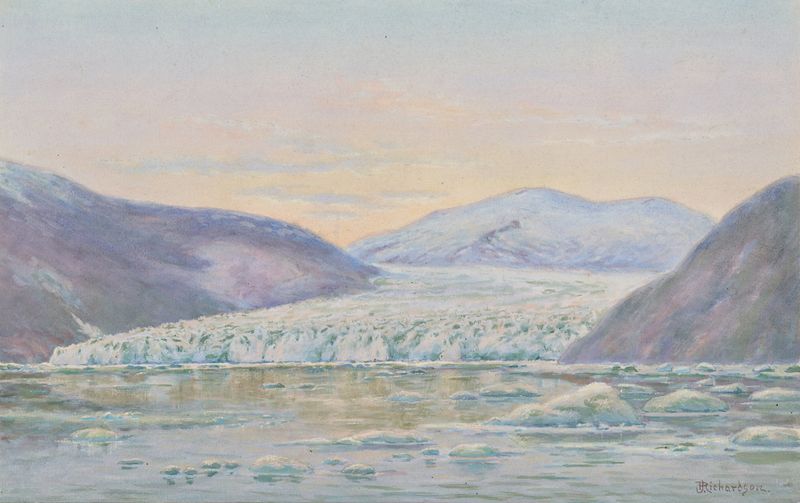
Taku Glacier, Evening
Theodore J. Richardson

St. Elias Alps
Theodore J. Richardson

Drying Blankets Over Canoes
Theodore J. Richardson

In The Old Quarter, Sitka, 1900
Theodore J. Richardson
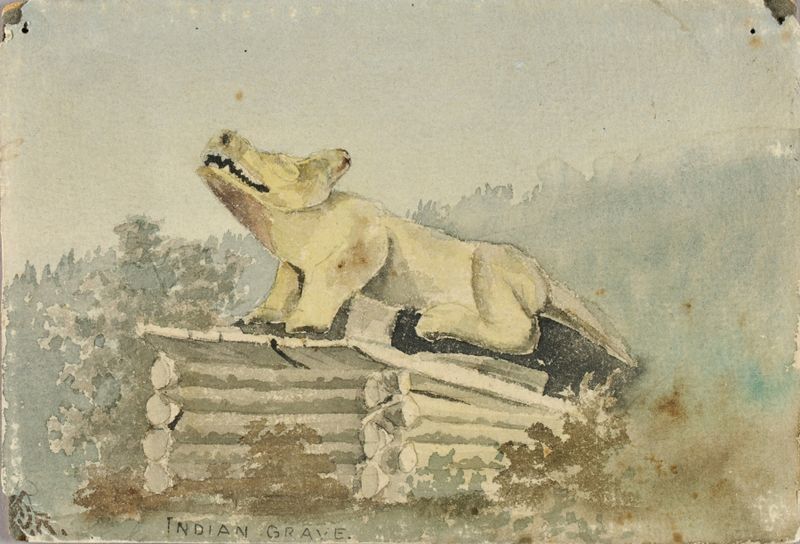
Indian Grave. Wolf Totem Over Medicine Man Grave, Wrangell
Theodore J. Richardson
Jack Mantle’s Boat
Theodore J. Richardson





