
On the Wye at Haddon — History & Facts
Could a single brushstroke hold eternity? In On the Wye at Haddon, the artist captures a fleeting moment that transforms the ordinary into the extraordinary, inviting us to reflect on the passage of time and the beauty inherent in change. Look to the center of the canvas, where the Wye River lazily flows, reflecting soft hues of blue and green, punctuated by wisps of ethereal white. The interplay of light and shadow dances across the water’s surface, drawing your gaze deeper into the scene. Notice how the gentle strokes create an illusion of movement, while the surrounding foliage frames the river, creating a serene yet captivating composition that feels alive with emotion. Here, contrasts abound: the stillness of the water against the vibrant rush of the trees, their leaves hinting at the onset of autumn.
The palette, rich with earthy tones, hints at transition, evoking the bittersweet nature of change. Each brushstroke reverberates with the essence of transformation, suggesting a moment caught between summer’s warmth and autumn’s chill, a reminder that every ending births a new beginning. David Young Cameron painted this work in 1902 while living in England, a time when the Impressionist movement was influencing artists across Europe. He was known for his landscapes, often capturing the essence of the British countryside.
During this period, Cameron was exploring the delicate balance between traditional techniques and modern interpretations, striving to evoke emotion and a sense of place in a rapidly changing world.
More Artworks by David Young Cameron
Browse all →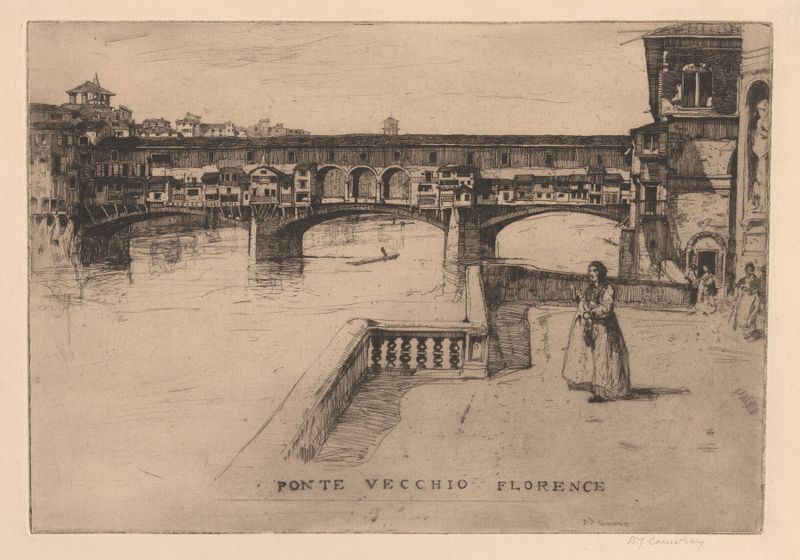
Ponte Vecchio
David Young Cameron

The Deanery, Winchester
David Young Cameron
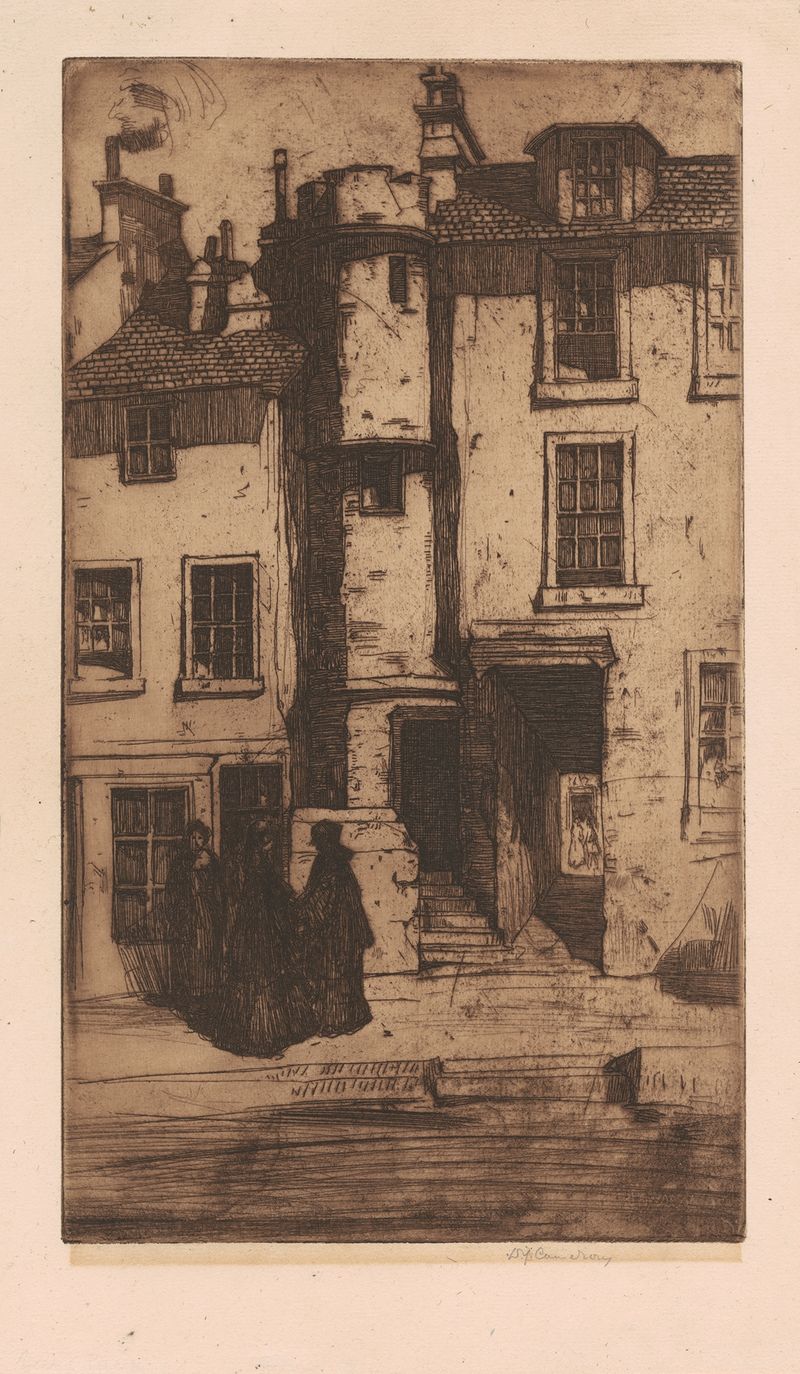
Old Houses, Stirling
David Young Cameron
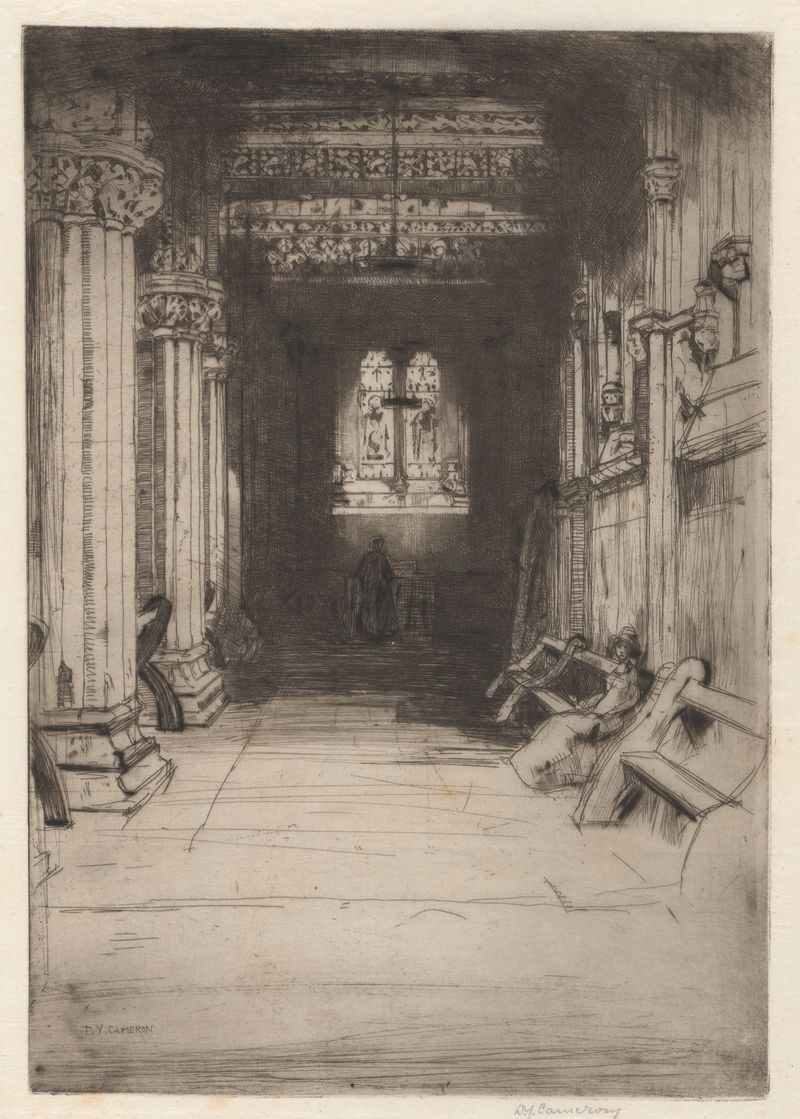
Rosslyn Chapel
David Young Cameron

The Old Museum, Beauvais
David Young Cameron
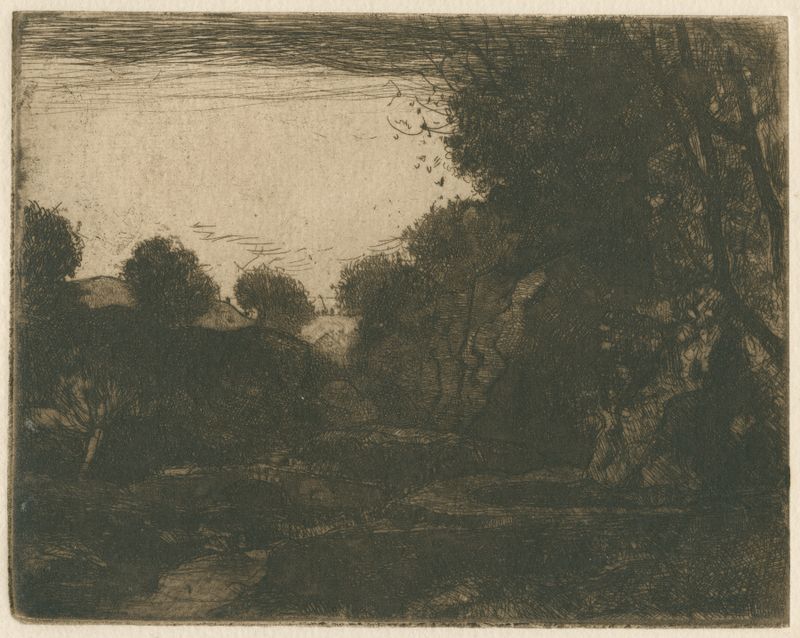
On the Bradford
David Young Cameron

The Smithy
David Young Cameron
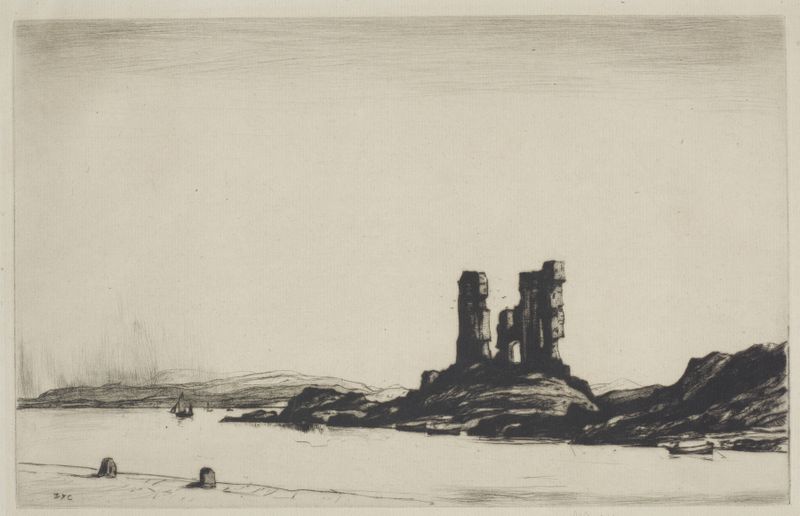
Castle Moyle
David Young Cameron
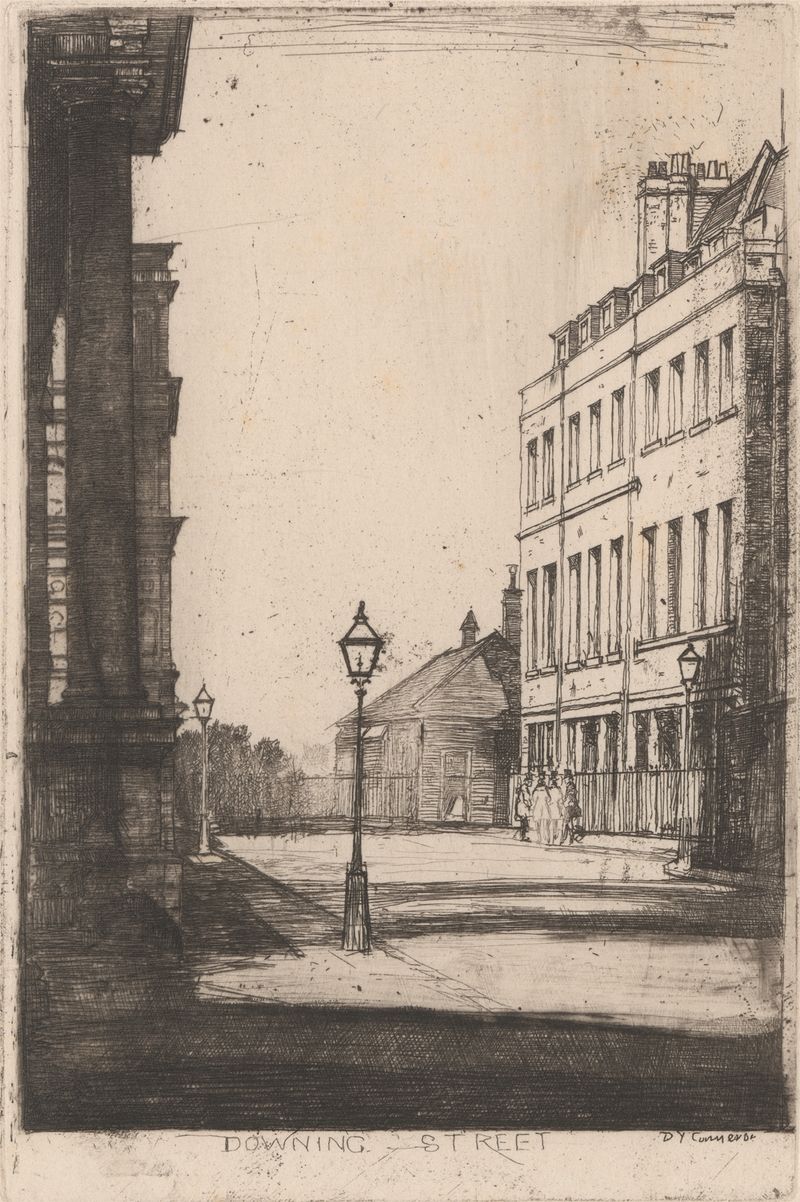
Downing Street
David Young Cameron

Glasgow Cathedral
David Young Cameron





