Oordeel van Paris — History & Facts
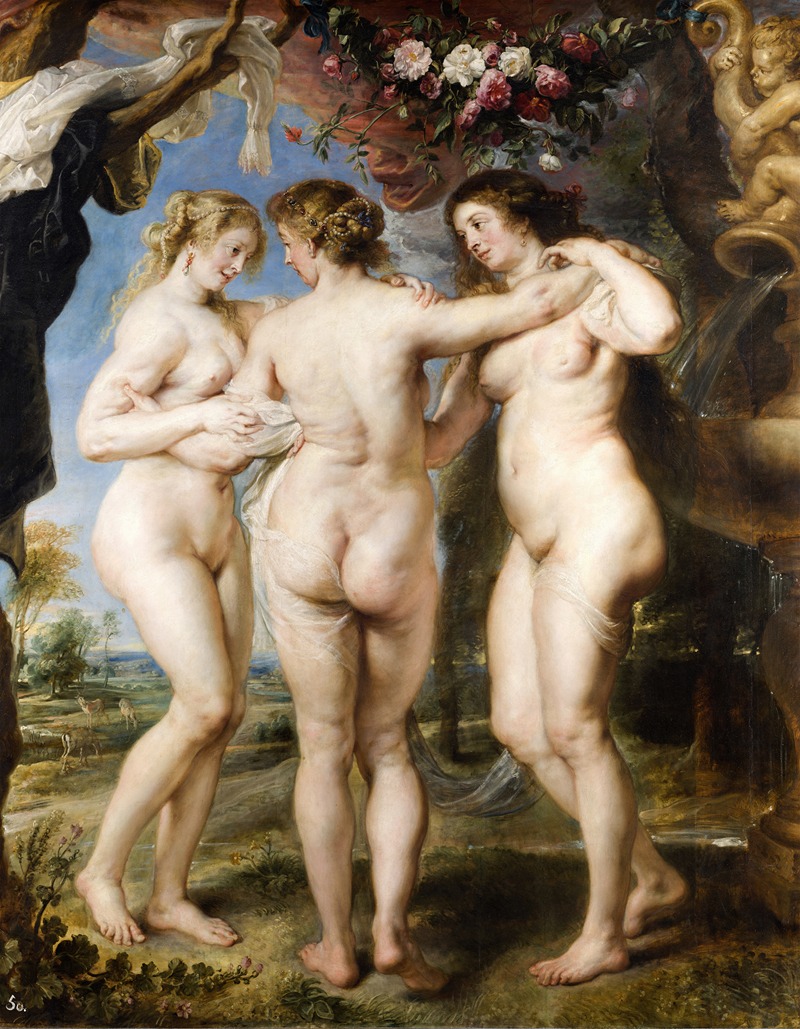
What if beauty was never meant to be finished? In the delicate interplay of figures and gestures, Hans Sebald Beham invites us to ponder the very essence of faith and aesthetics in Oordeel van Paris. Look at the central figure, Paris, whose gaze is drawn to the three goddesses before him, each embodying a different virtue. Notice how the soft, ethereal light bathes their skin, enhancing their divine allure while casting subtle shadows that hint at the weight of his decision. The delicate lines and harmonious composition guide the viewer’s eye across the canvas, creating a moment suspended in time, yet charged with the immediacy of choice. At first glance, the painting is a mere depiction of mythological beauty, yet it whispers deeper truths about the human condition.
The conflict between desire and responsibility is palpable, as Paris stands at the crossroads of fate, with choices that resonate far beyond this singular encounter. The interplay of the goddesses—Aphrodite, Hera, and Athena—highlights the tension between worldly desires and higher virtues, encapsulating the eternal struggle of faith in one’s choices. Created in the early 16th century, Beham crafted this work during a vibrant period of artistic exploration in Northern Europe. His life was characterized by shifts in artistic focus, as he navigated the tensions of a rapidly changing art world, marked by the Reformation and evolving humanist ideals.
In this context, Oordeel van Paris stands as a testament to not just beauty, but the intricate dance of faith, choice, and consequence that defines humanity’s journey.
More Artworks by Hans Sebald Beham
Browse all →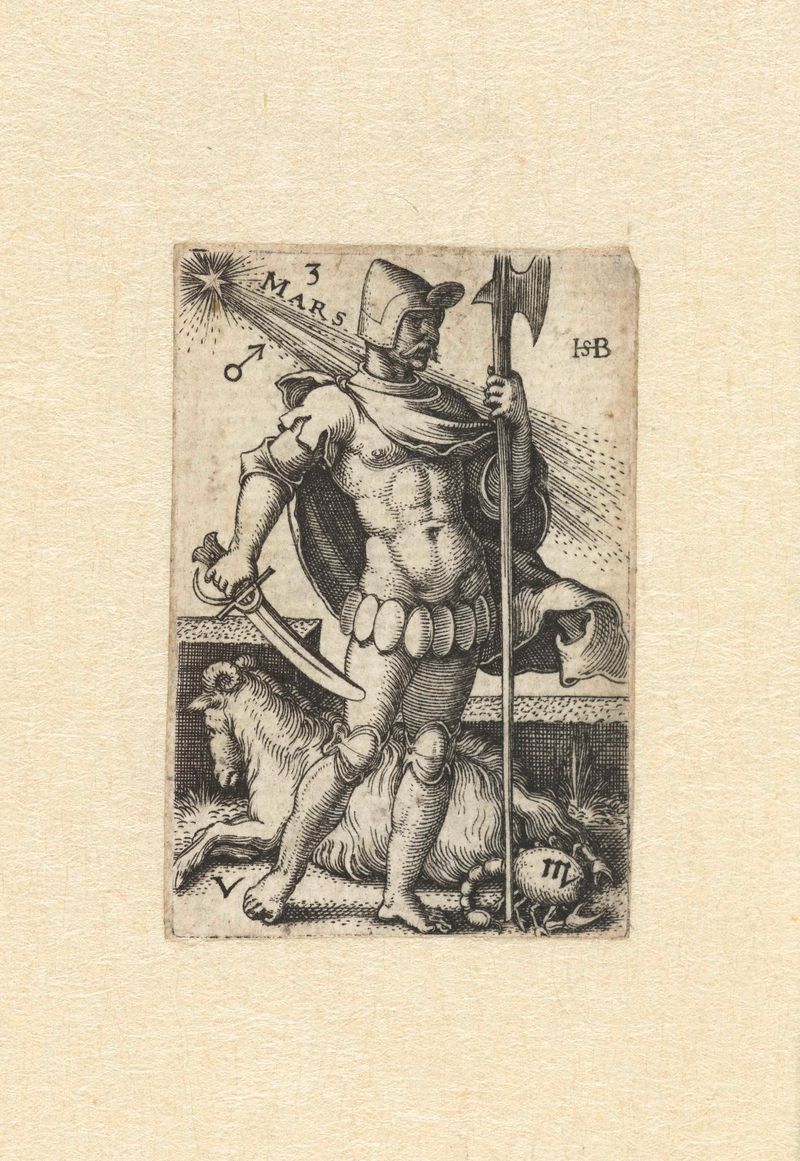
Mars met sterrenbeelden Ram en Schorpioen
Hans Sebald Beham

Achilles in gevecht met Hector
Hans Sebald Beham
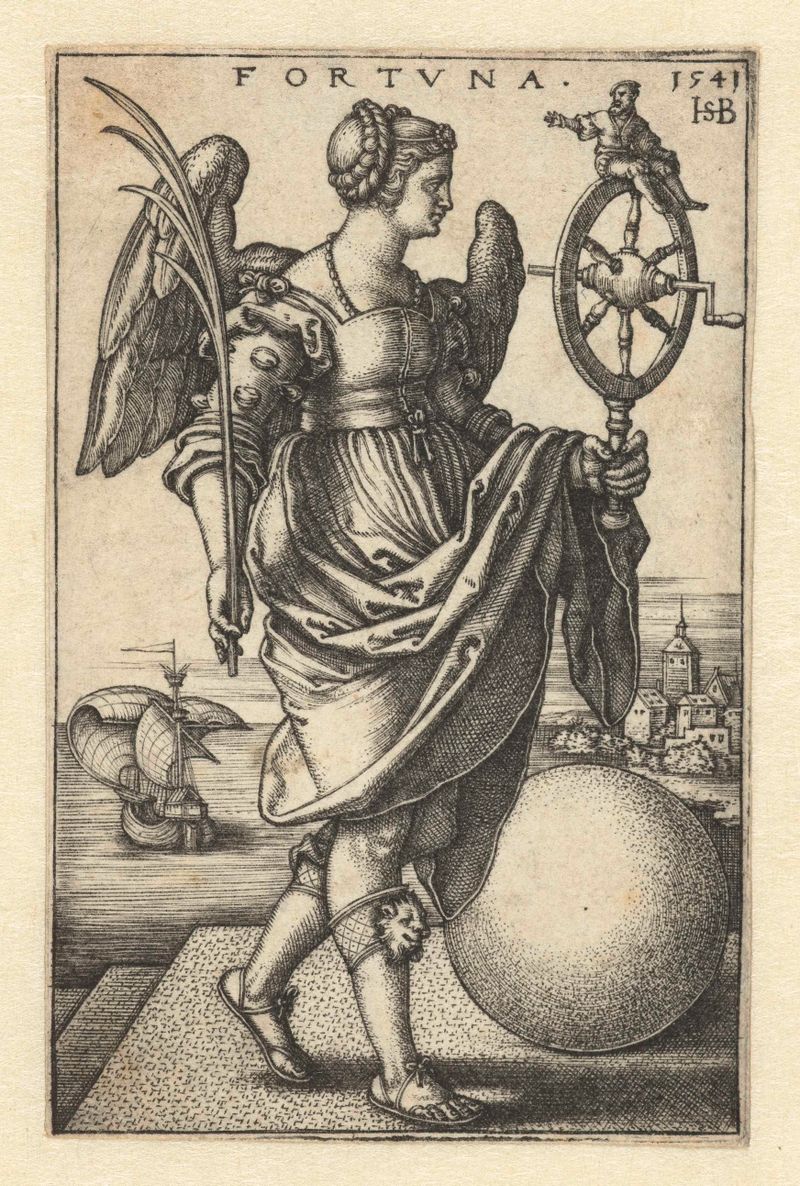
Fortuna
Hans Sebald Beham

Hercules worstelt met Antaeus
Hans Sebald Beham

Twee muzikanten met schalmey en doedelzak
Hans Sebald Beham

Voorzichtigheid (Prudentia)
Hans Sebald Beham

Hercules in gevecht met de Trojanen
Hans Sebald Beham
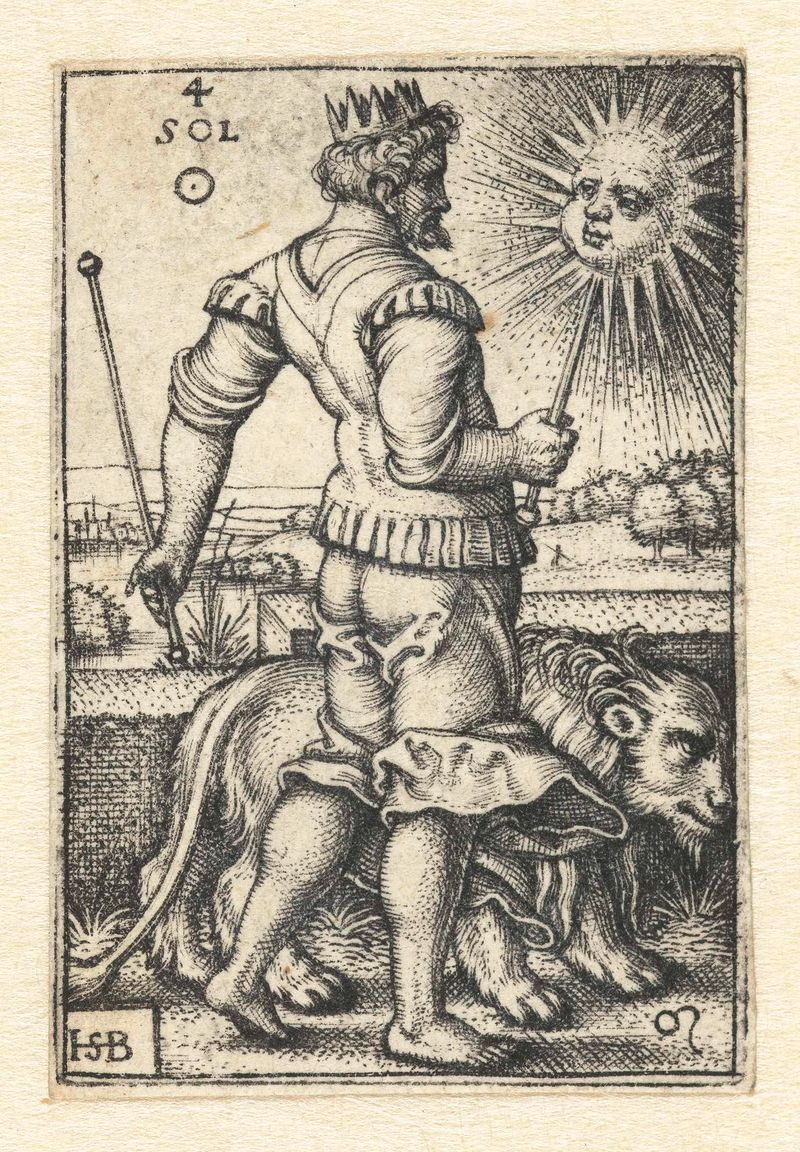
Apollo (Sol) met sterrenbeeld Leeuw
Hans Sebald Beham
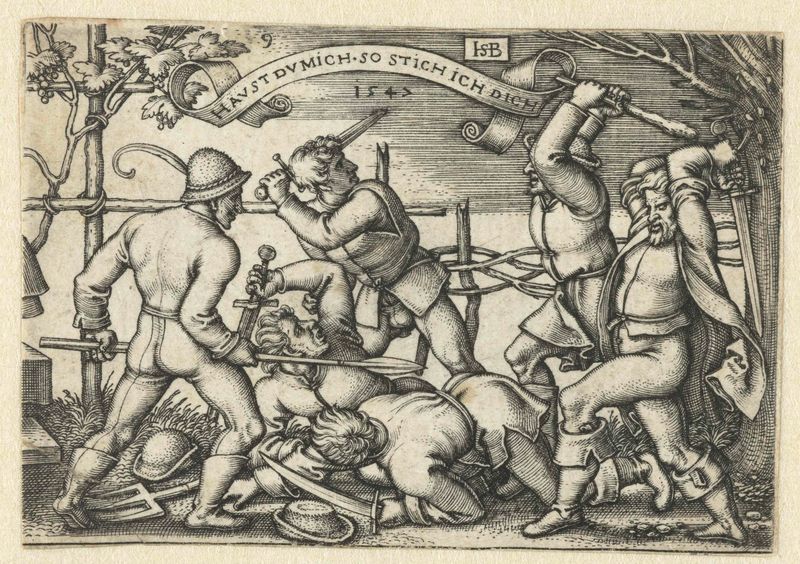
Vechtende boeren met zwaarden
Hans Sebald Beham
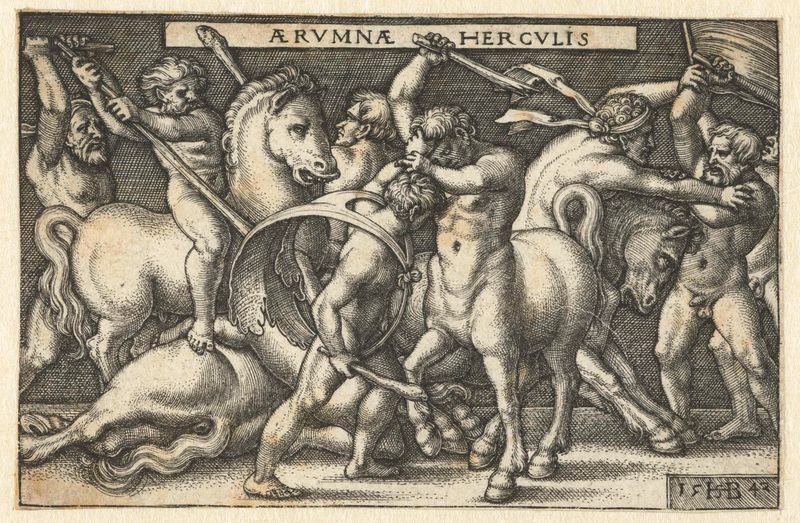
Hercules in gevecht met centaurs
Hans Sebald Beham