Oordeel van Paris — History & Facts
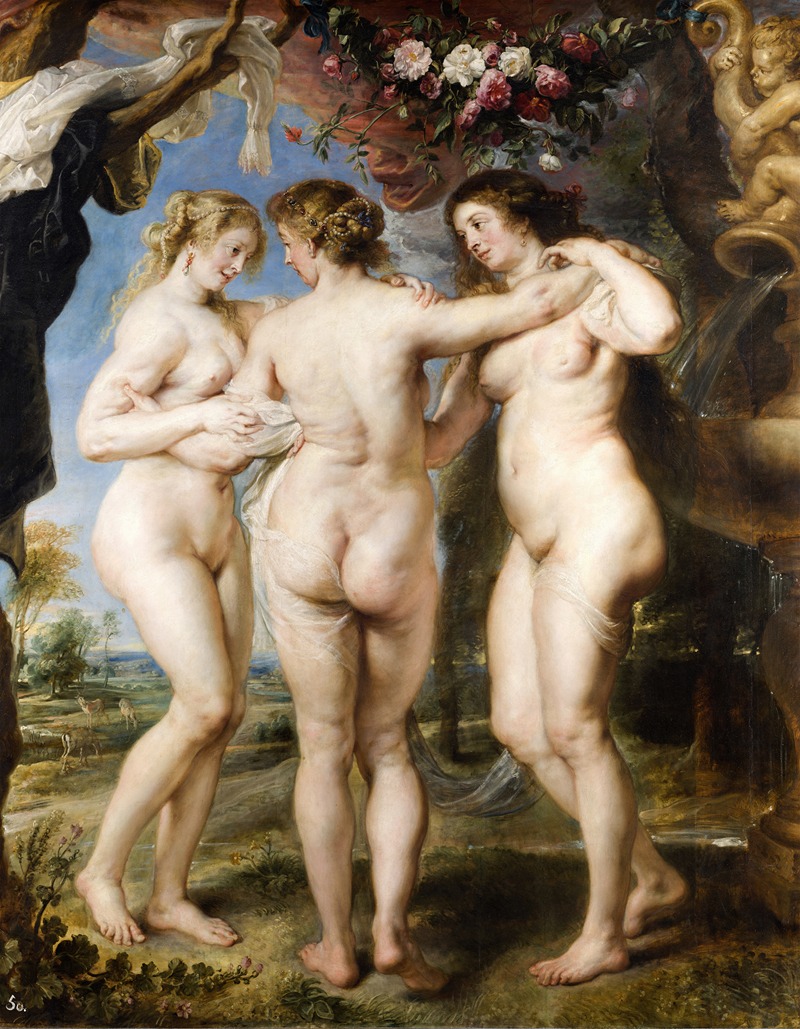
Could beauty survive in a century of chaos? In the tumultuous mid-16th century, the question loomed large, and the answer emerged in the form of an exquisite woodcut that melds myth with commentary. Look to the center of the composition, where Paris, the Trojan prince, stands poised to make his fateful choice—held in delicate balance between the three goddesses, each representing a different aspect of beauty. Notice the intricate details of their garments and the vivid expressions on their faces; the contrasting postures highlight their rivalry. The subtle use of line and chiaroscuro creates a dynamic tension, rendering this moment both intense and serene, drawing the viewer's gaze back and forth between the figures. Symbolism abounds in this work; the golden apple, a simple object, weighs heavily with the consequences of desire and choice.
Observe how each goddess embodies a distinct promise: power, love, and wisdom, reflecting the complexities of human aspiration and vulnerability. This duality of beauty—its allure intertwined with peril—echoes the societal struggles of its time, where moral and political upheavals threatened the very foundations of civilization. Created in 1546, the artist crafted this piece amidst the shifting tides of the Reformation and the rise of humanism. Working in Nuremberg, a center of artistic innovation, he sought to reconcile the classical themes of antiquity with contemporary issues, positioning his work as a bridge between ancient ideals and the burgeoning modern world.
More Artworks by Hans Sebald Beham
Browse all →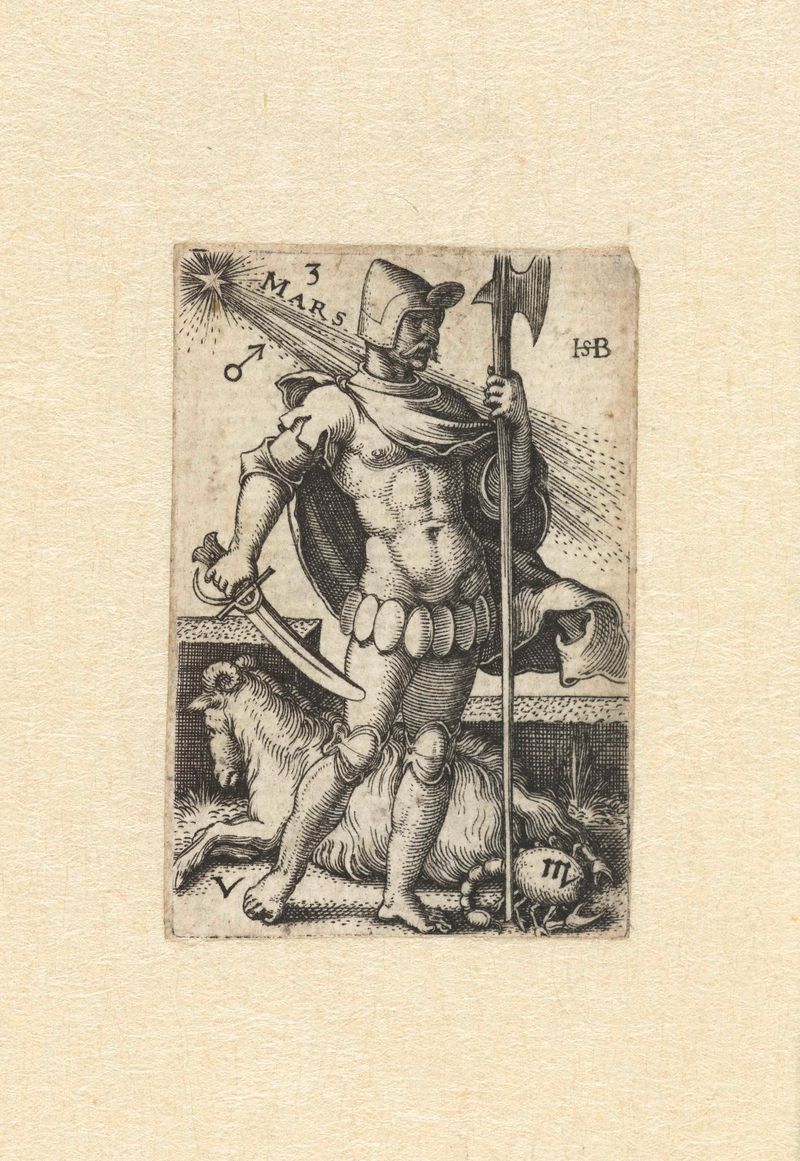
Mars met sterrenbeelden Ram en Schorpioen
Hans Sebald Beham

Achilles in gevecht met Hector
Hans Sebald Beham
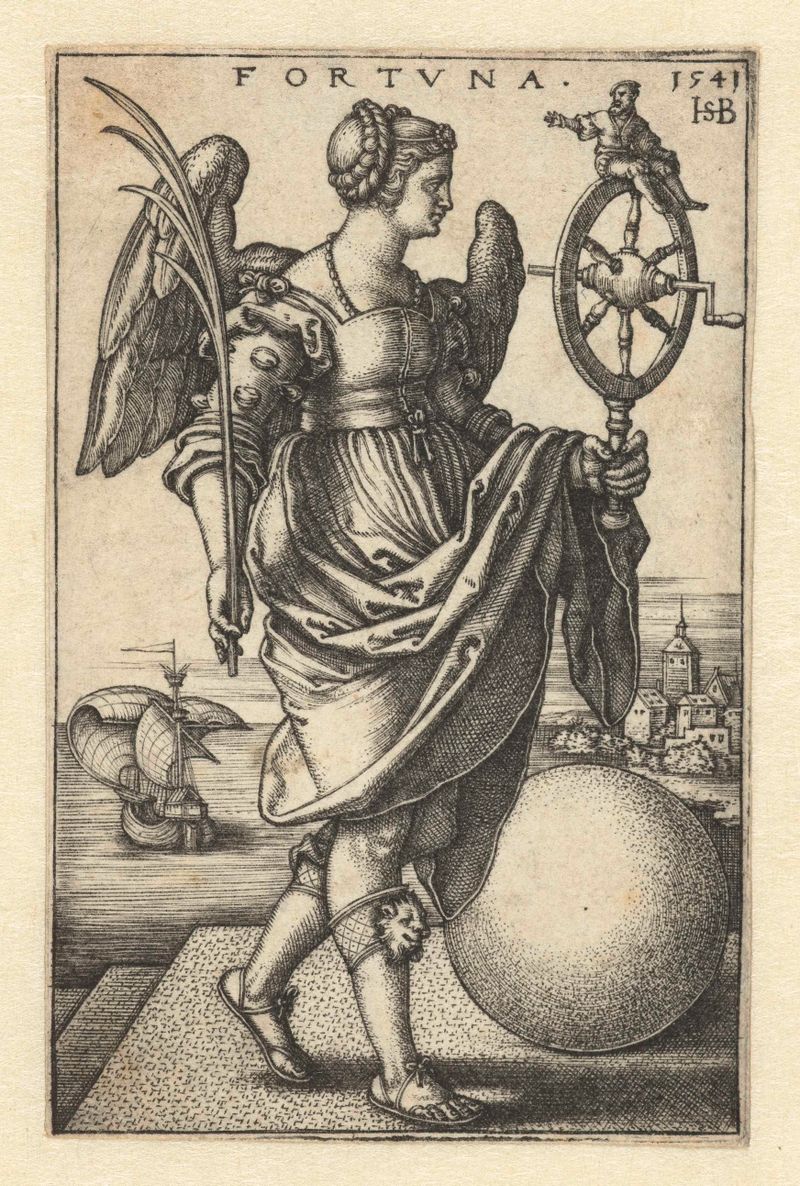
Fortuna
Hans Sebald Beham

Hercules worstelt met Antaeus
Hans Sebald Beham

Twee muzikanten met schalmey en doedelzak
Hans Sebald Beham

Voorzichtigheid (Prudentia)
Hans Sebald Beham

Hercules in gevecht met de Trojanen
Hans Sebald Beham
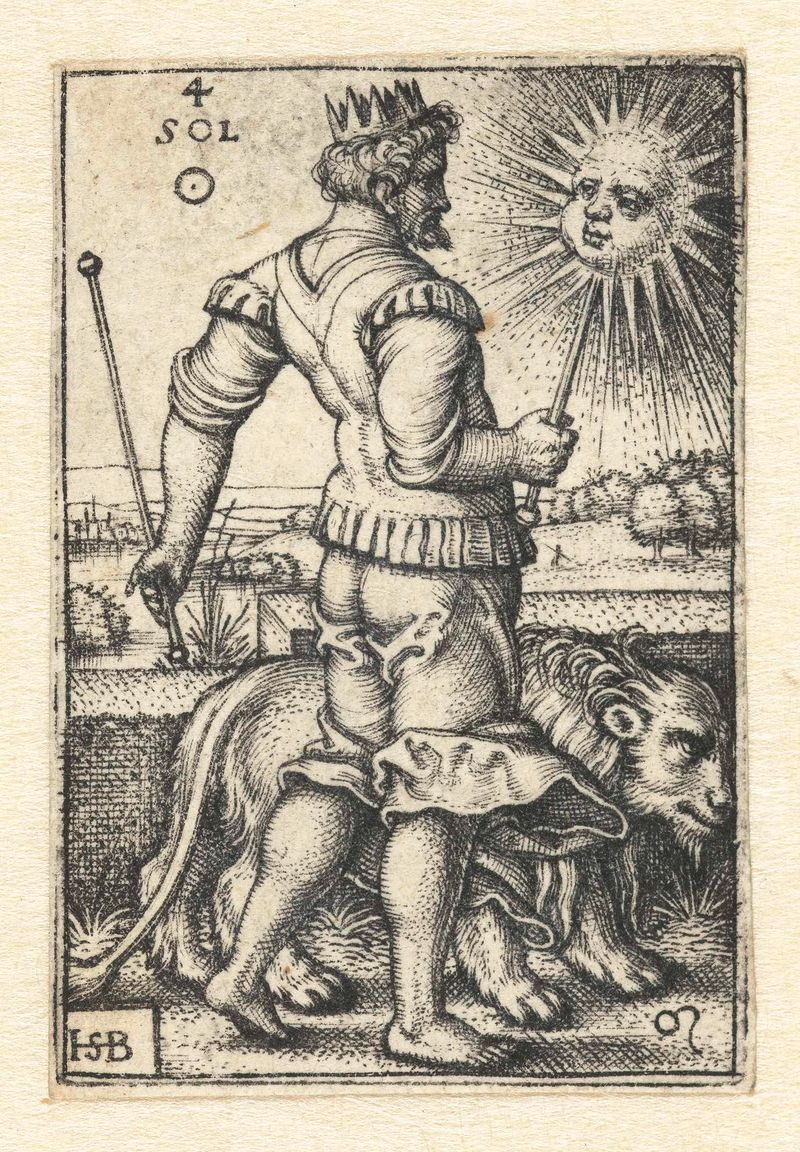
Apollo (Sol) met sterrenbeeld Leeuw
Hans Sebald Beham
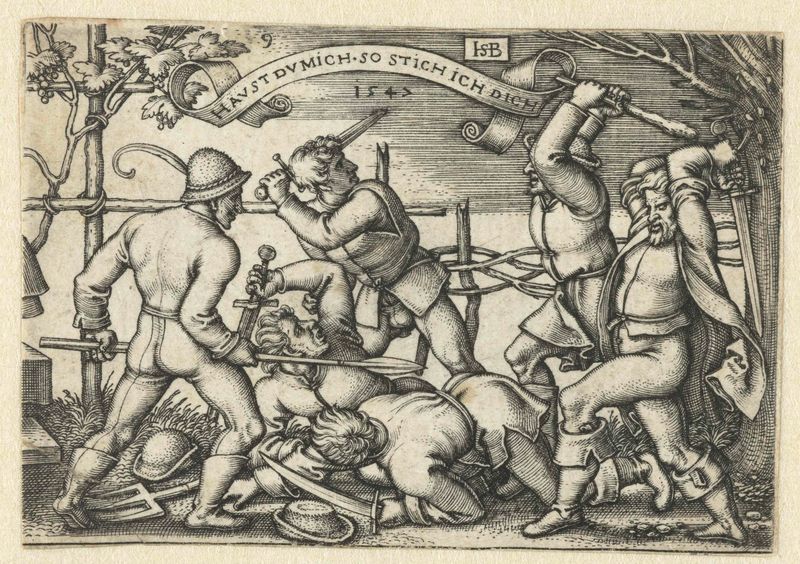
Vechtende boeren met zwaarden
Hans Sebald Beham
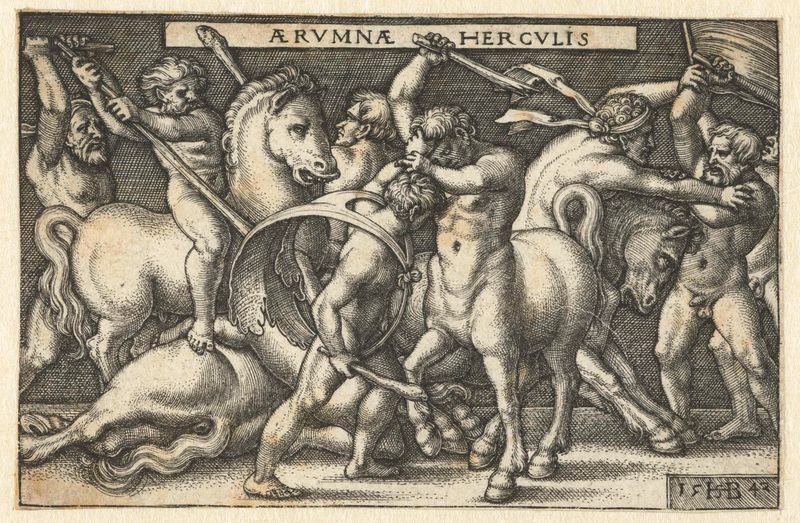
Hercules in gevecht met centaurs
Hans Sebald Beham