
Discover insights about this artwork
Organ player (allegory of church music) — History & Facts
In Organ player (allegory of church music), Gustav Klimt presents a richly colored scene dominated by warm golds and deep reds. The central figure, an organ player, is surrounded by intricate patterns and decorative elements that reflect the opulence of church music. The setting is both intimate and grand, suggesting a sacred space filled with sound.
Klimt's use of symbolism is evident in the way he intertwines music with visual beauty. The painting showcases Klimt's signature style, characterized by ornamental detail and a flat, decorative quality. The use of gold leaf and vibrant colors creates a striking contrast that draws the viewer's eye. The figures are stylized, emphasizing their roles rather than their individual identities.
This work exemplifies Klimt's ability to merge fine art with decorative arts, creating a cohesive visual experience. Gustav Klimt is known for his unique approach to symbolism and decorative art. Organ player is particularly interesting as it reflects his fascination with music and its spiritual connections. This work, created in the 1890s, is part of a broader exploration of themes related to art, beauty, and the divine.
Klimt's ability to convey complex ideas through simple forms makes this piece a notable example of his oeuvre.
More Artworks by Gustav Klimt
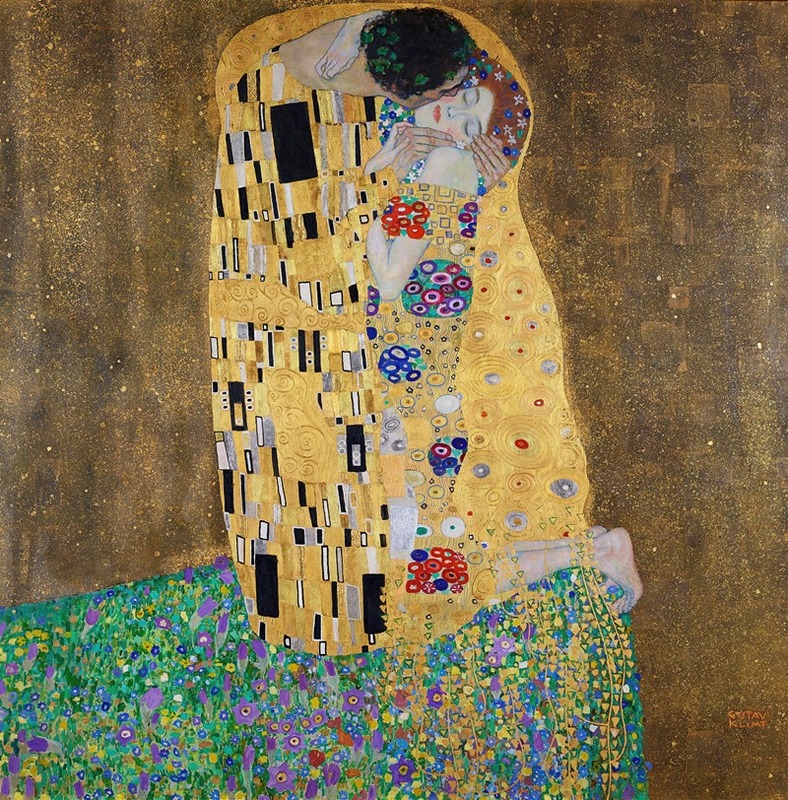
The kiss
Gustav Klimt
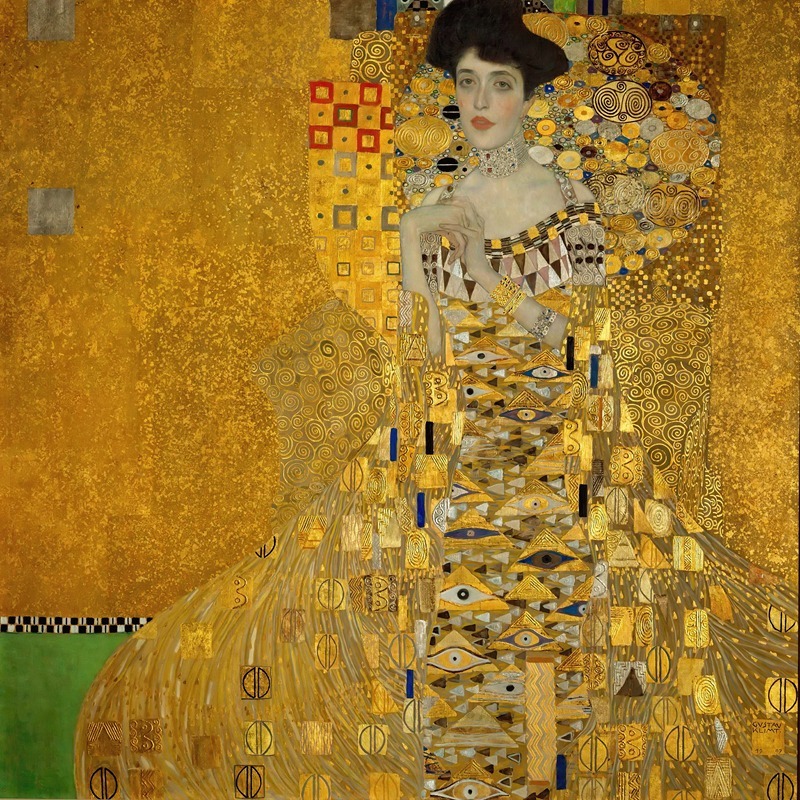
Portrait of Adele Bloch-Bauer I
Gustav Klimt
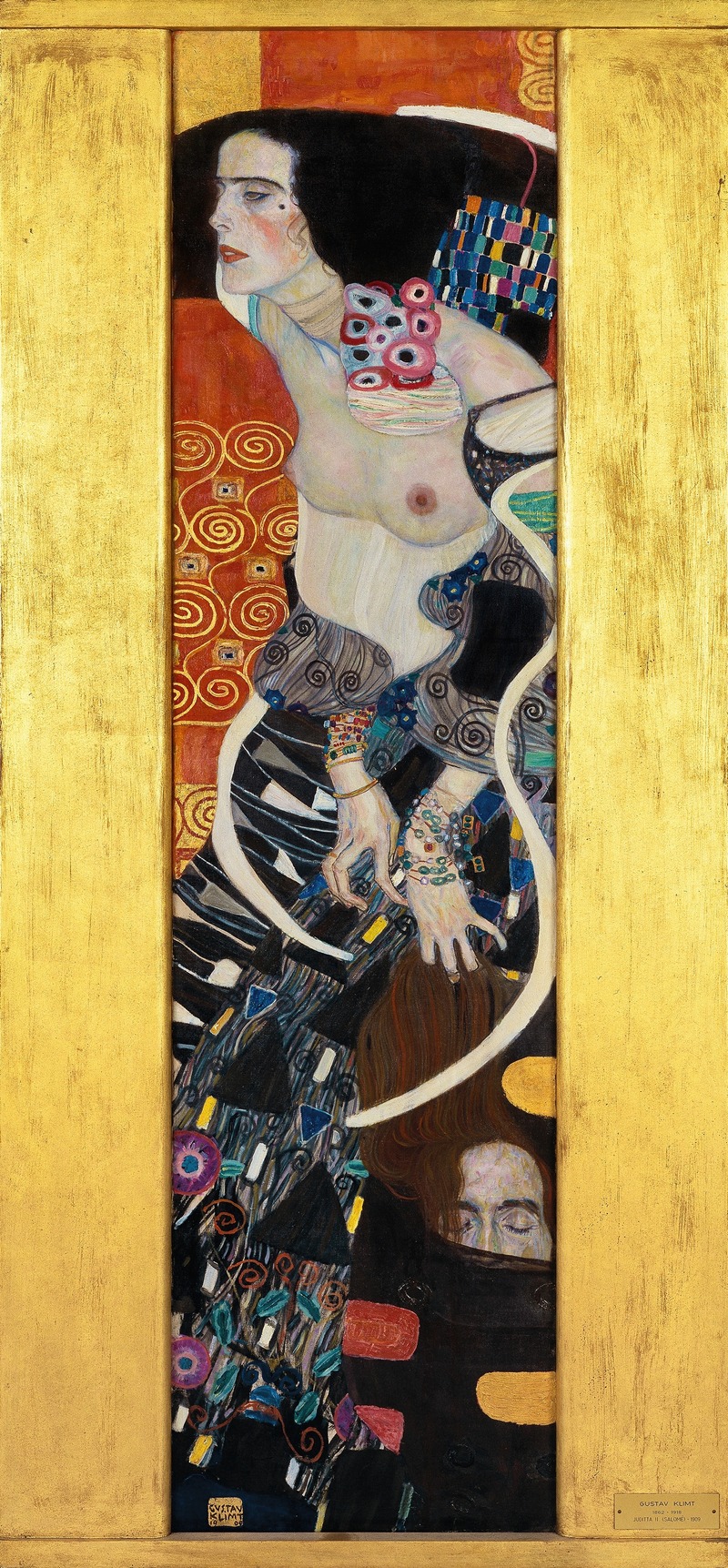
Judith II (Salome)
Gustav Klimt
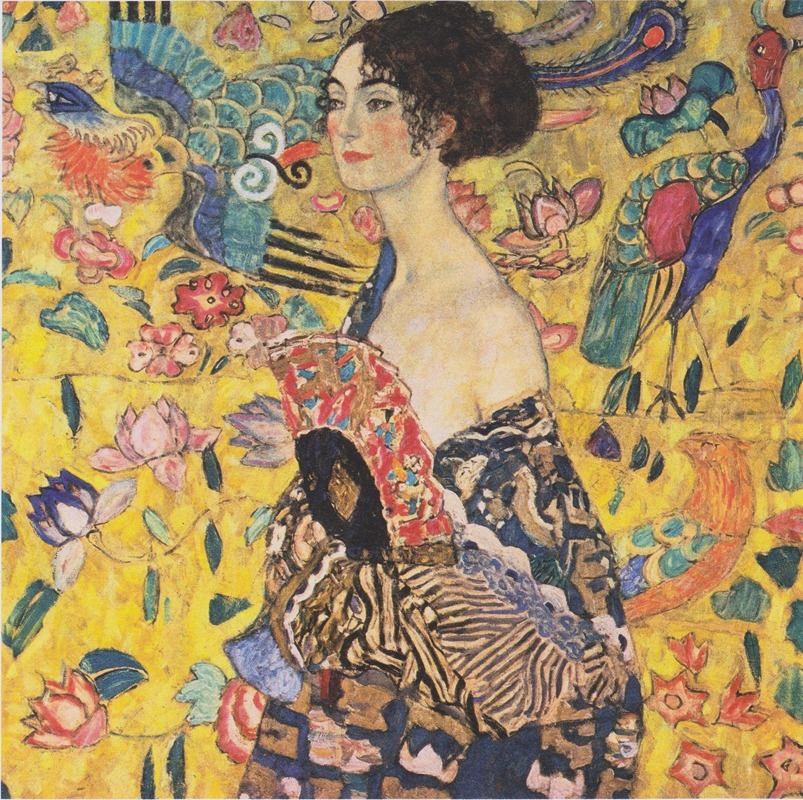
Woman with fan
Gustav Klimt
The kiss (lovers)
Gustav Klimt
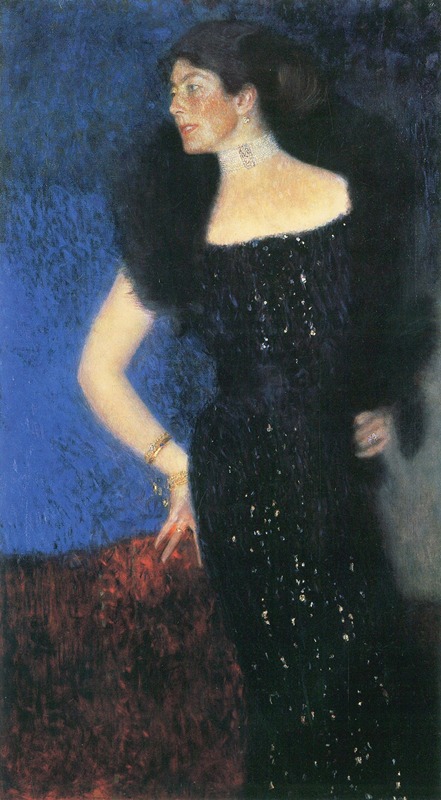
Portrait of Rose von Rosthorn-Friedmann
Gustav Klimt
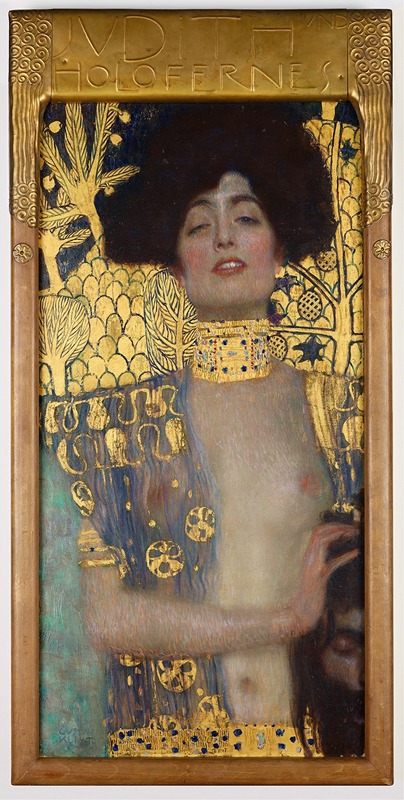
Judith
Gustav Klimt
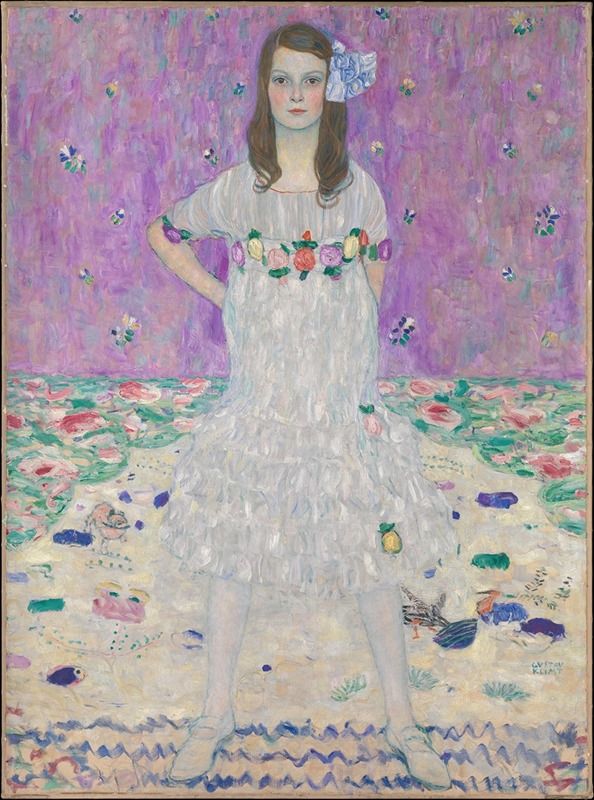
Mäda Primavesi
Gustav Klimt
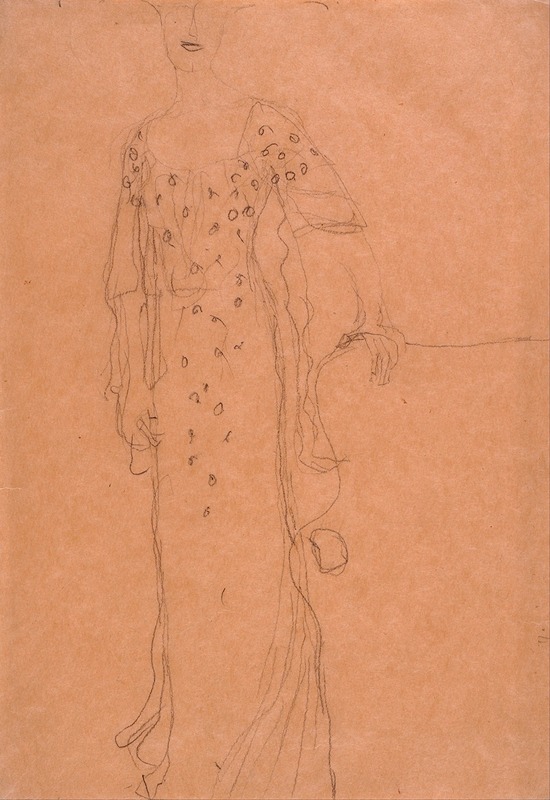
Study for Portrait of Adele Bloch-Bauer I
Gustav Klimt
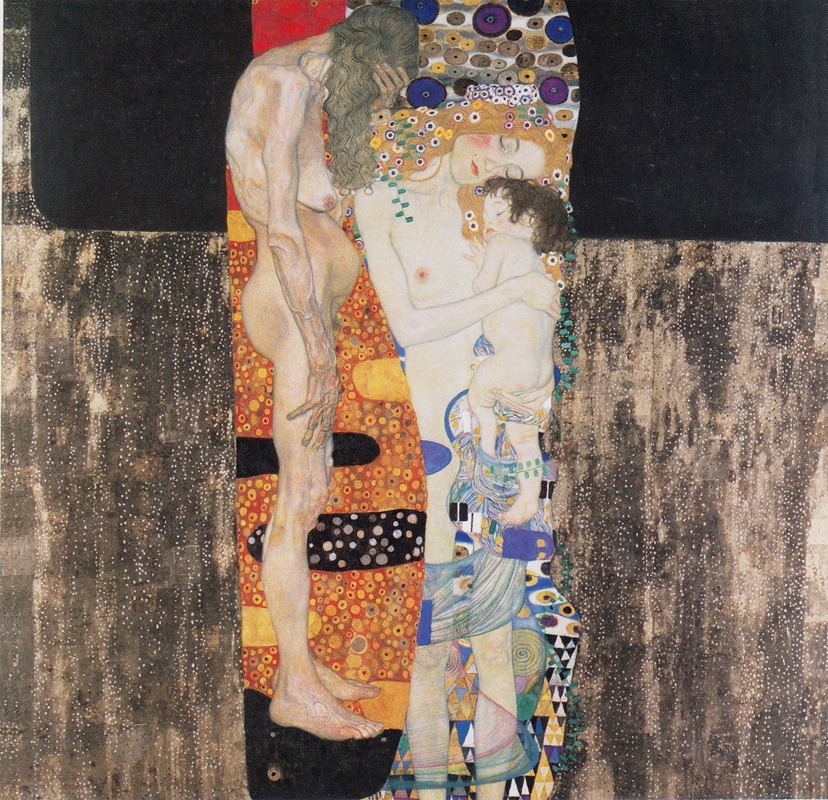
The Three Ages of the Woman
Gustav Klimt
More Allegory Art
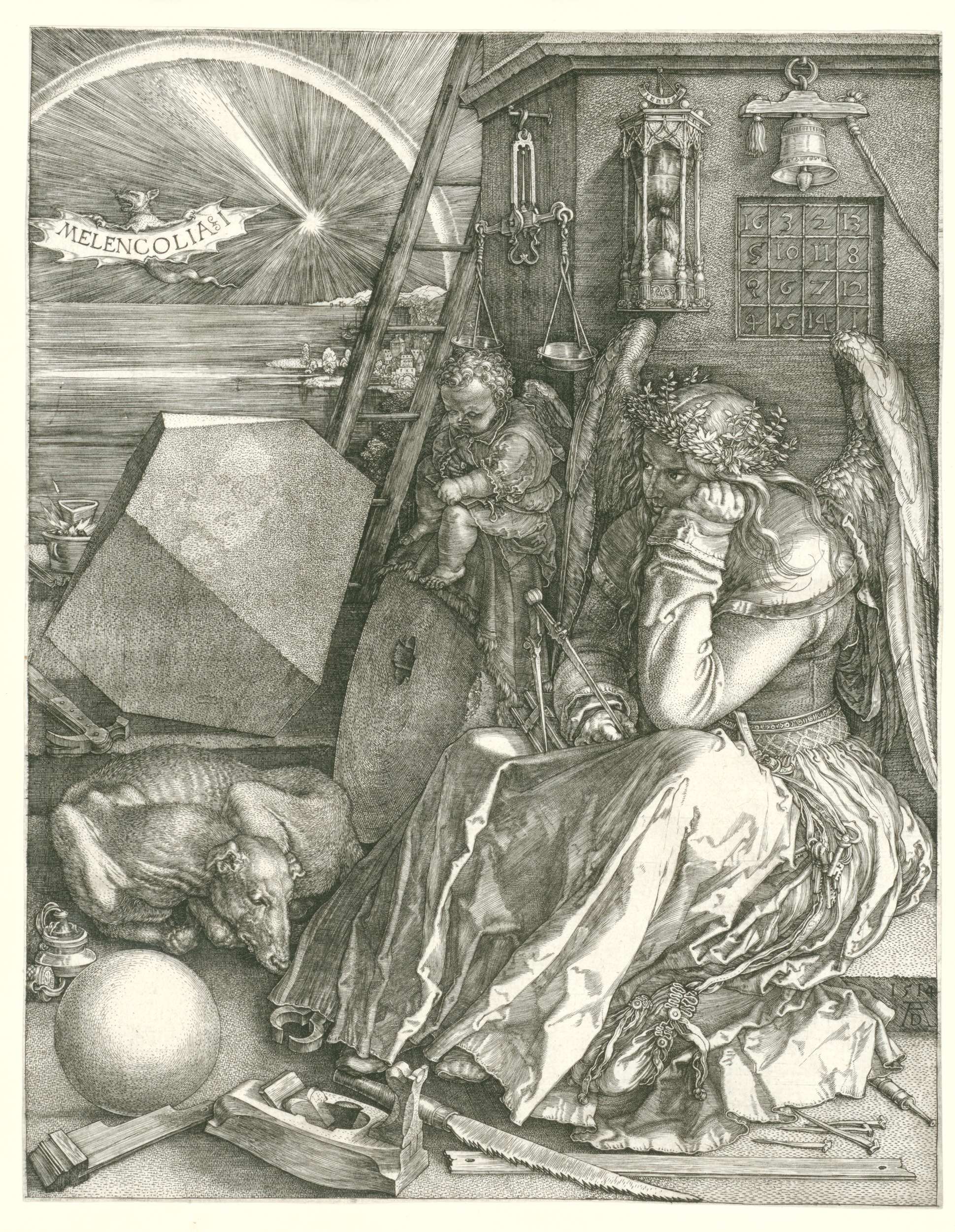
Melancholia
Albrecht Dürer
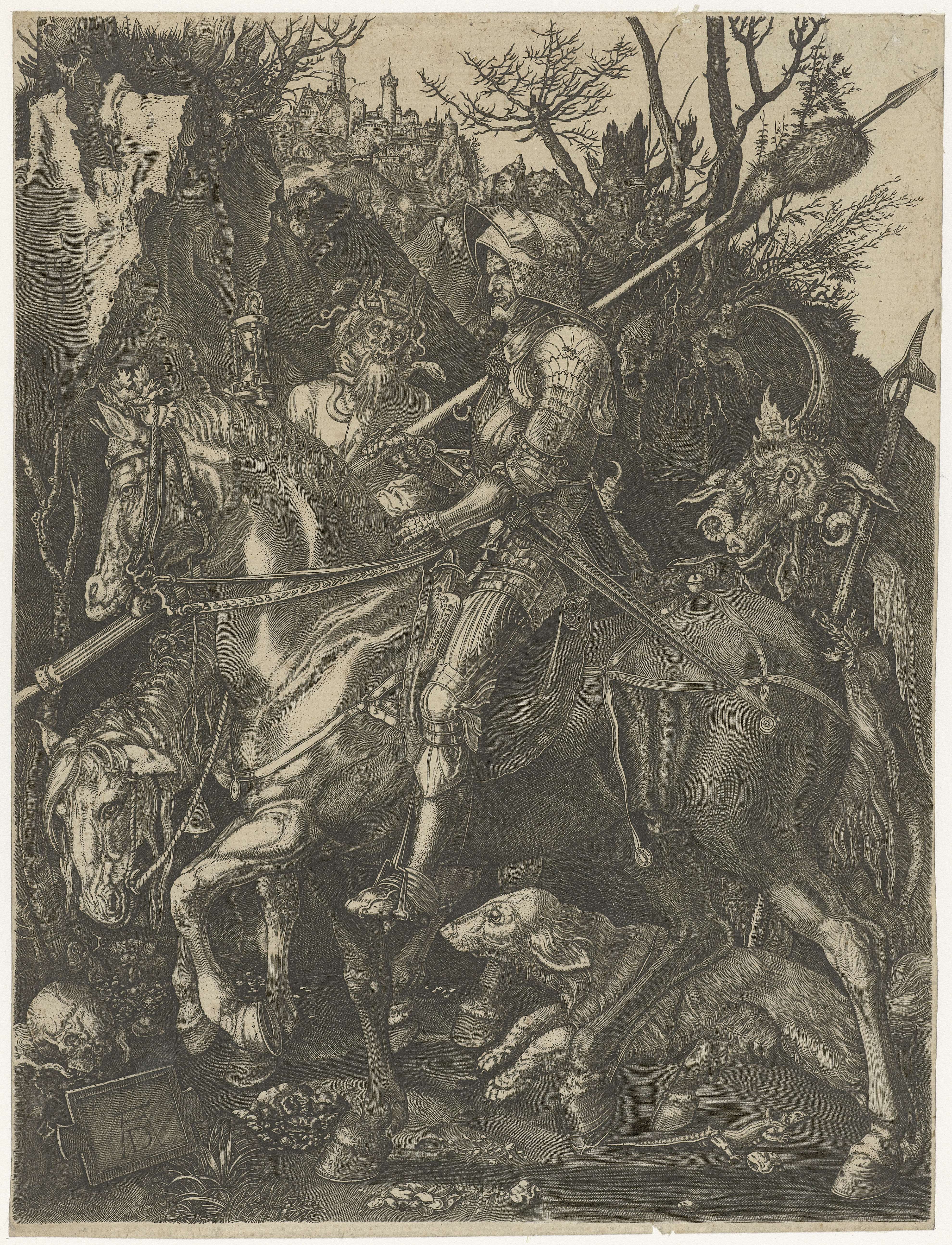
Ridder, Dood en Duivel
Unknown Artist
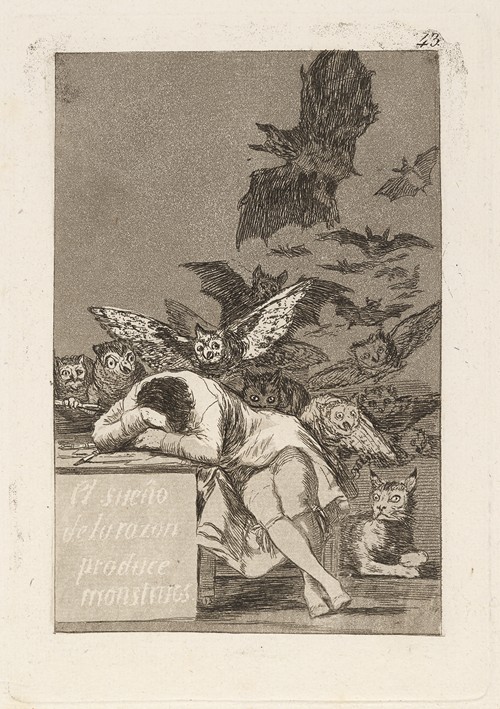
El sueño de la razon produce monstruos. (The sleep of reason produces monsters.)
Francisco de Goya
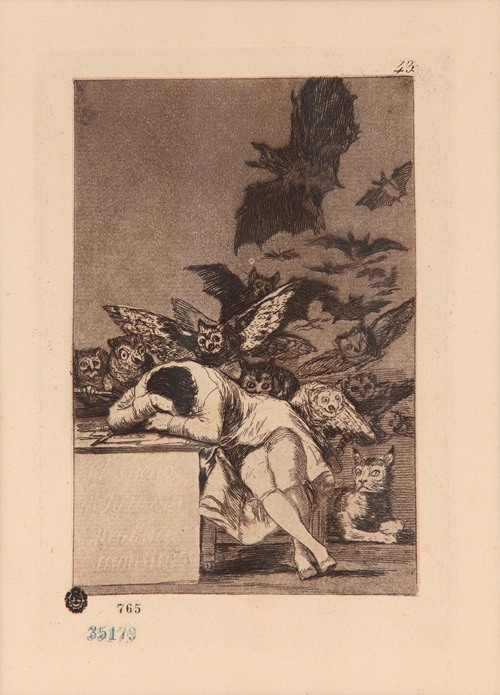
El sueño de la razon produce moustruos (Serie Caprichos)
Francisco de Goya
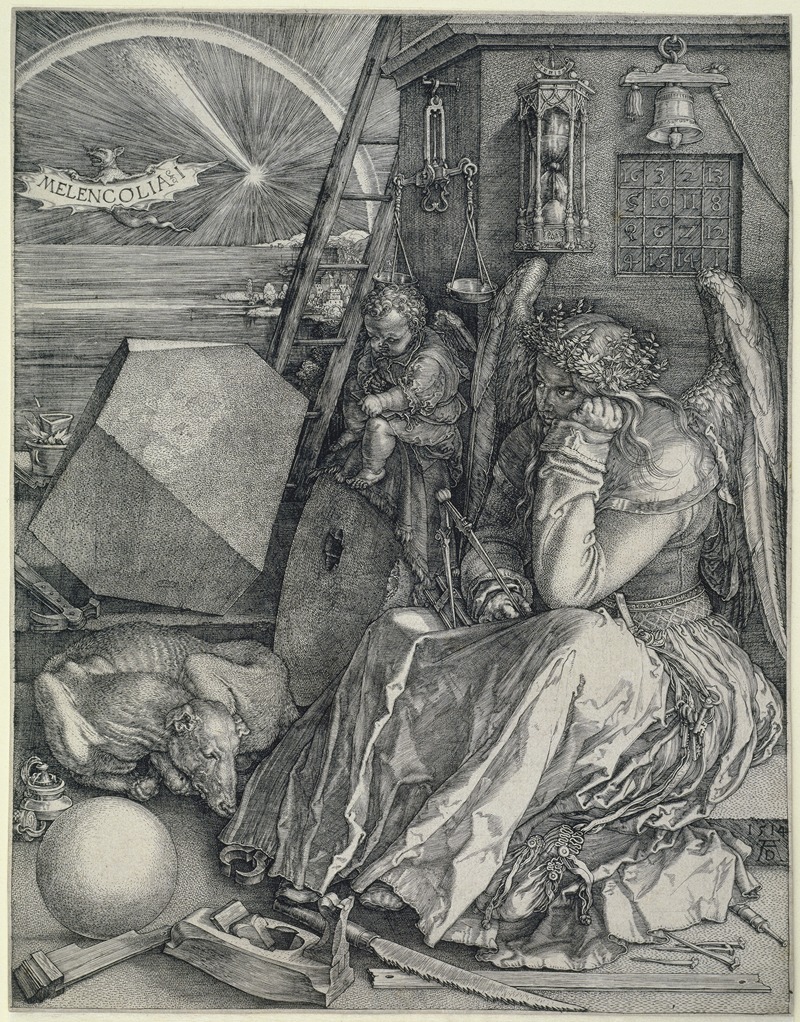
Melencolia I (The Melancholy)
Albrecht Dürer
The Three Ages of the Woman
Gustav Klimt