
Original Drawings for Choix de Vues de L’Inde and Others Pl.01 — History & Facts
Can beauty exist without sorrow? In the delicate strokes of this artwork, one can feel the artist’s obsession with capturing the essence of a land steeped in both elegance and melancholy. Look to the left at the finely detailed architectural elements, where the gentle curves of the structures rise against the starkness of the landscape. Notice how the light falls upon the intricacies of the buildings, illuminating the shadows that whisper of forgotten stories. The color palette — earthy browns mingling with soft greens — evokes a sense of nostalgia, drawing the viewer deeper into a world that feels both inviting and distant. Within this composition lies a tension between the allure of the scene and the subtle indications of decay and impermanence.
Each line and angle can be seen as a reminder of the passage of time, suggesting that beauty may often be accompanied by an underlying sadness. The meticulous attention to detail reflects an obsession with perfection, yet the narrative hinted at in the artwork speaks to a deeper understanding of life's transient nature. Created between 1780 and 1788, this work emerged during a formative time for William Hodges, as he navigated his role as a leading figure in British landscape painting. Having traveled to India with Captain James Cook, he sought to document the landscapes and cultures that captivated him.
This period marked a shift in artistic focus, as European artists began to embrace exotic locales, blending their realities with the allure of the unknown.
More Artworks by William Hodges
Browse all →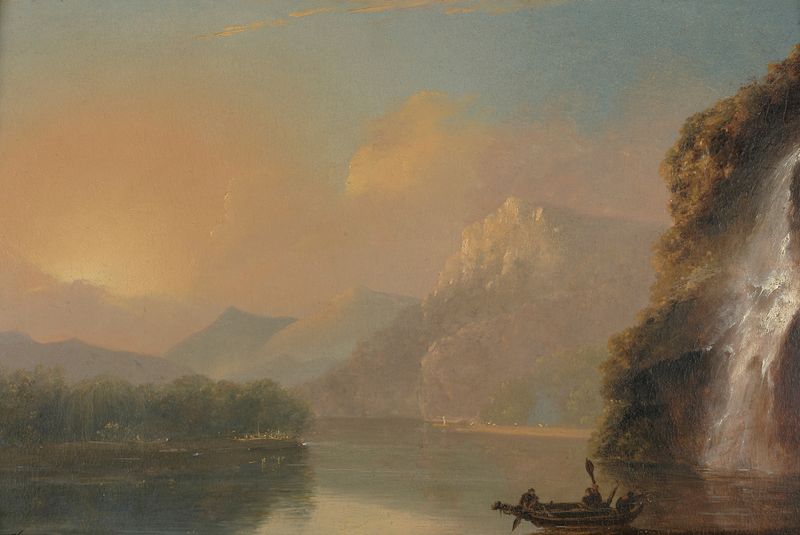
Waterfall in Dusky Bay with Maori canoe
William Hodges
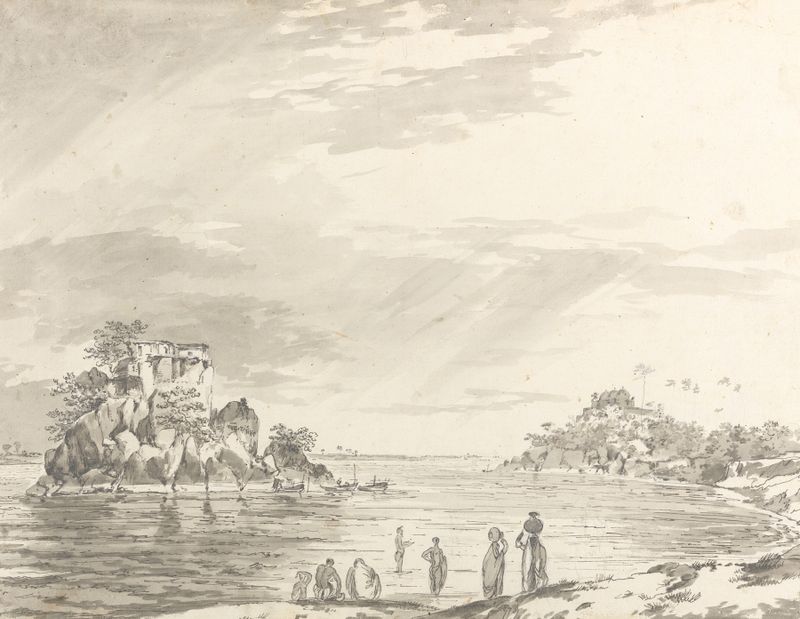
Original Drawings for Choix de Vues de L’Inde and Others Pl.15
William Hodges
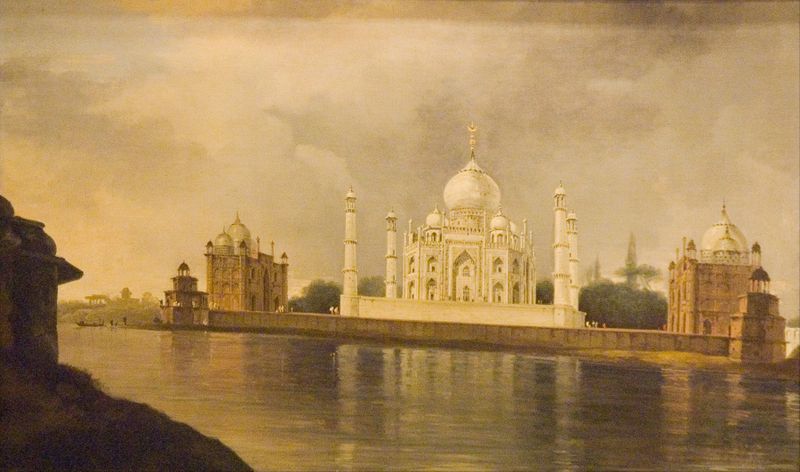
The Taj Mahal
William Hodges
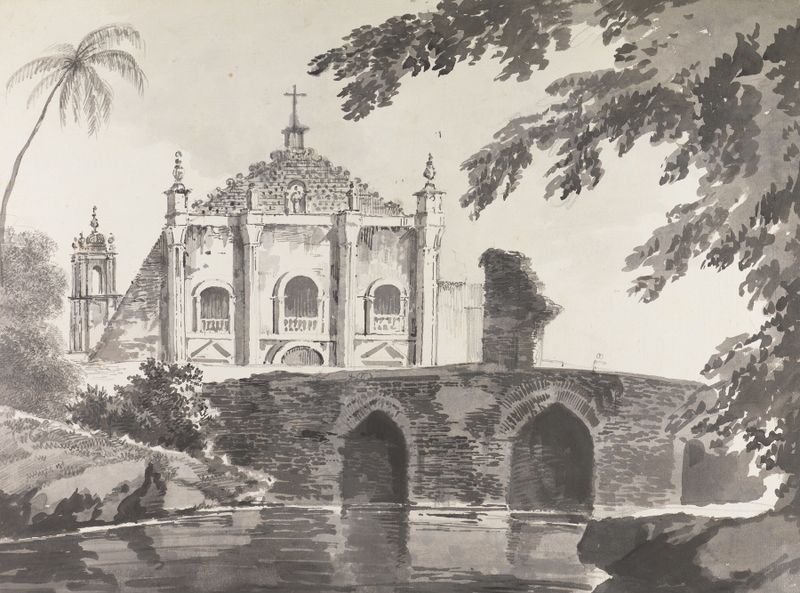
Original Drawings for Choix de Vues de L’Inde and Others Pl.50
William Hodges
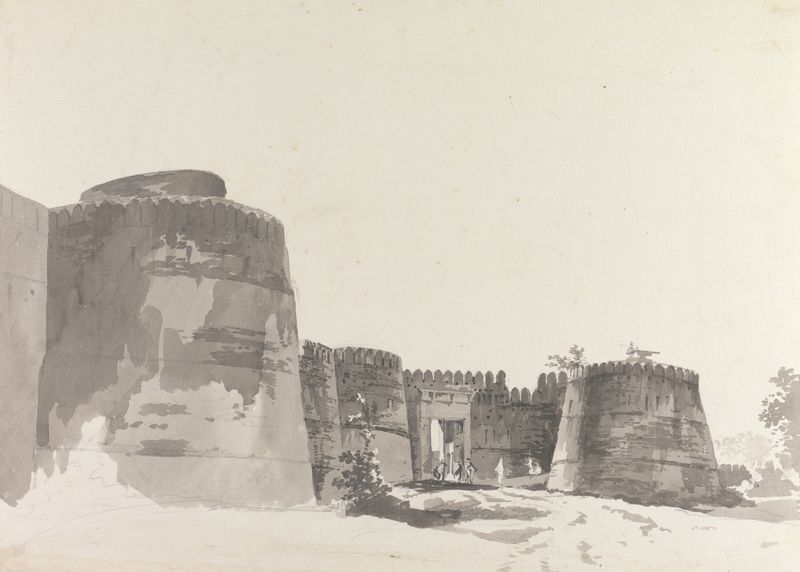
Original Drawings for Choix de Vues de L’Inde and Others Pl.34
William Hodges
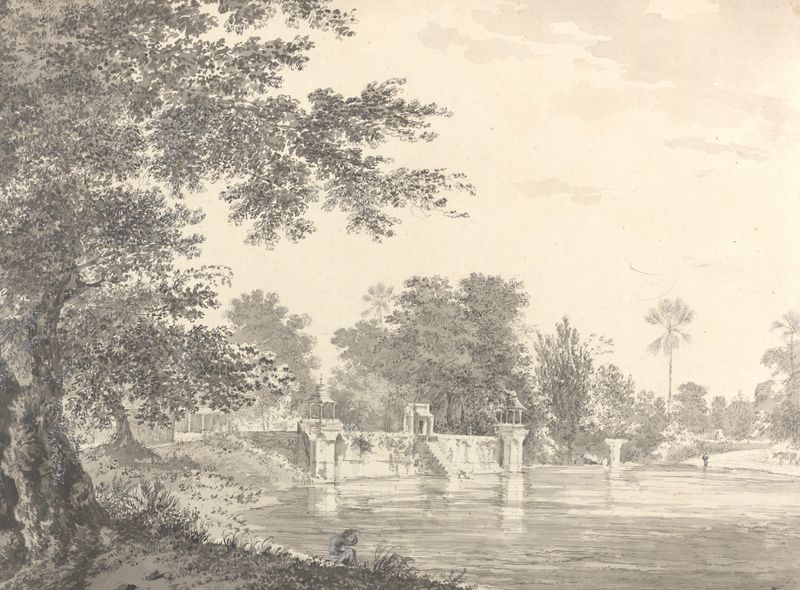
Original Drawings for Choix de Vues de L’Inde and Others Pl.03
William Hodges
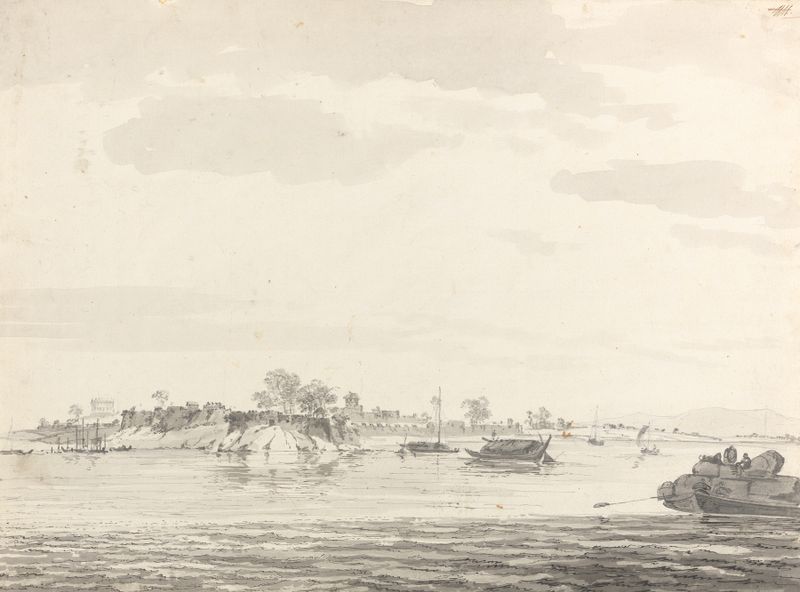
Original Drawings for Choix de Vues de L’Inde and Others Pl.18
William Hodges
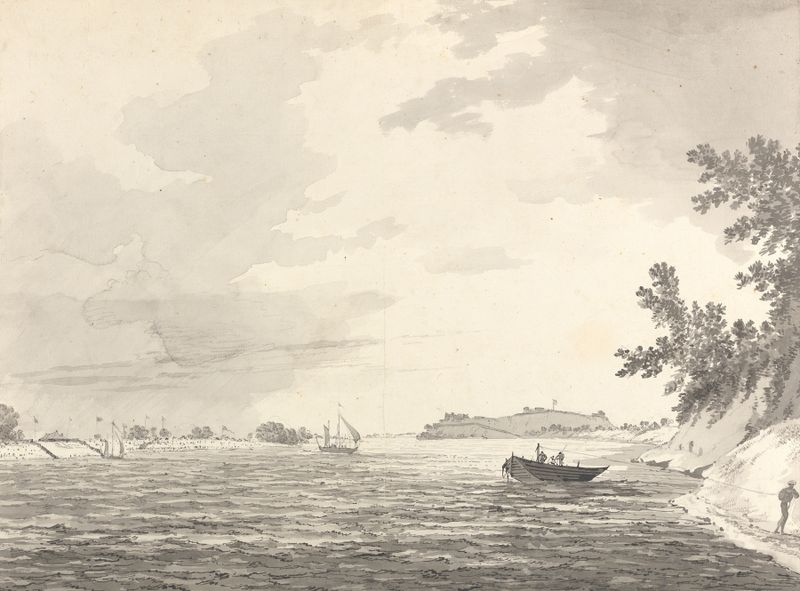
Original Drawings for Choix de Vues de L’Inde and Others Pl.10
William Hodges
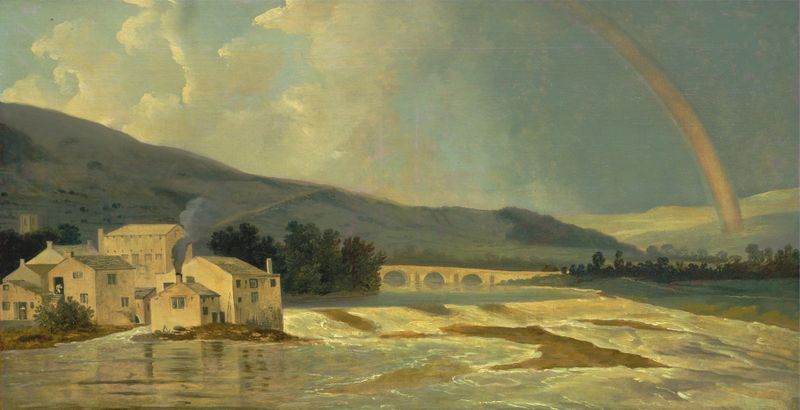
Otley Bridge on the River Wharfe
William Hodges
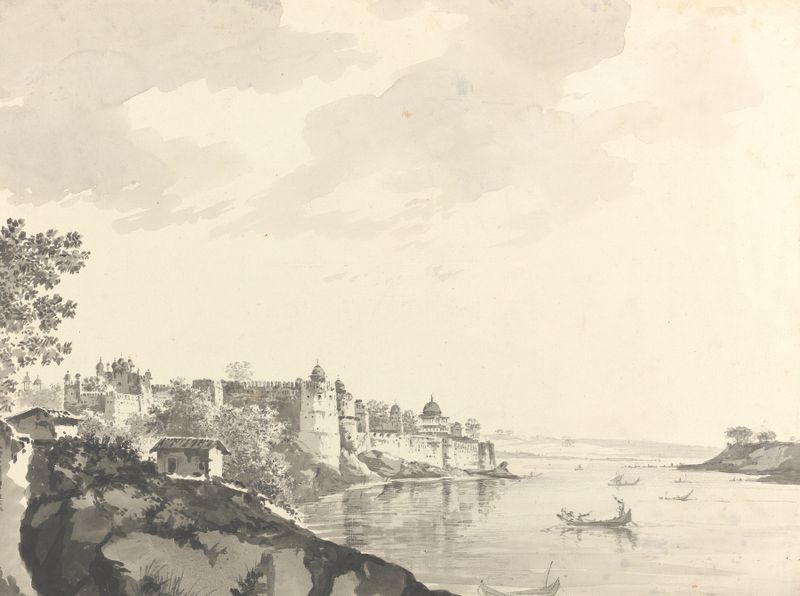
Original Drawings for Choix de Vues de L’Inde and Others Pl.08
William Hodges
More Architecture Art
Browse all →
The statue of Liberty
Frédéric Auguste Bartholdi

View of Houses in Delft, Known as ‘The Little Street’
Johannes Vermeer

View of Houses in Delft, Known as ‘The Little Street’
Johannes Vermeer

The Cathedral in Rouen. The portal, Grey Weather
Claude Monet

The yellow house
Vincent van Gogh

The Church in Auvers-sur-Oise, View from the Chevet
Vincent van Gogh