
Original Drawings for Choix de Vues de L’Inde and Others Pl.23 — History & Facts
Can beauty exist without sorrow? In the delicate lines and ethereal landscapes of Original Drawings for Choix de Vues de L’Inde and Others Pl.23, a haunting reflection unfolds, inviting the viewer to ponder the interplay of joy and melancholy. Look closely at the horizon, where graceful hills gently rise, painted in soft, muted hues. Notice how the delicate strokes of ink create a sense of depth, drawing your gaze towards the distant mountains that almost seem to whisper secrets of time and place. The meticulous detailing of foliage and architecture captures not just a scene, but a moment suspended in tranquility, showcasing Hodges’ mastery in combining realism with a sense of wonder. Beneath the beauty lies an emotional tension; the serene landscape juxtaposes the historically rich and often tumultuous context of colonial exploration.
Each element in the composition tells of duality: the allure of untouched nature versus the inevitable encroachment of human desire. The exquisite precision of the drawings belies the complexities of the era, revealing the artist's internal struggle between admiration for the landscapes of India and the ramifications of their portrayal. During the years of 1780 to 1788, while residing in India, the artist captured these vistas amidst the evolving narratives of British colonialism. This period in Hodges’ life was marked by both personal exploration and the wider discourse on representation, as European artists grappled with the allure and implications of documenting exotic lands.
The drawings reflect not only his artistic growth but also the cultural transformation unfolding around him, embodying a moment where art became a bridge between two worlds.
More Artworks by William Hodges
Browse all →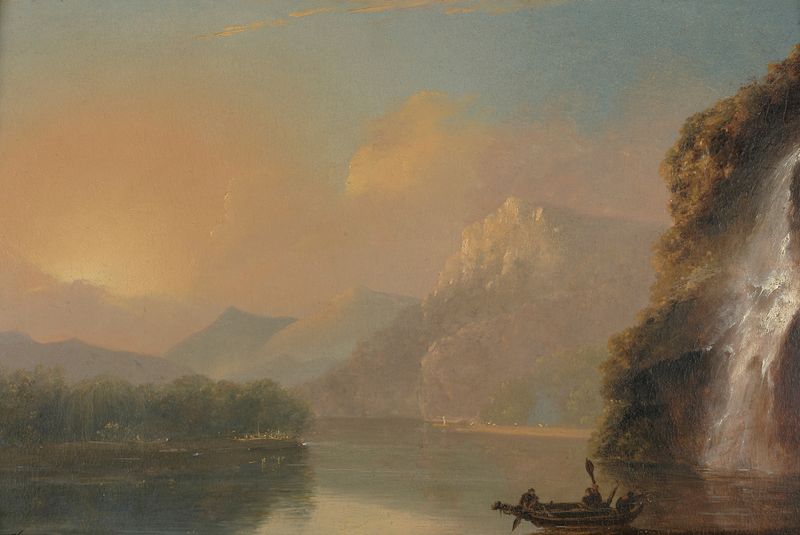
Waterfall in Dusky Bay with Maori canoe
William Hodges
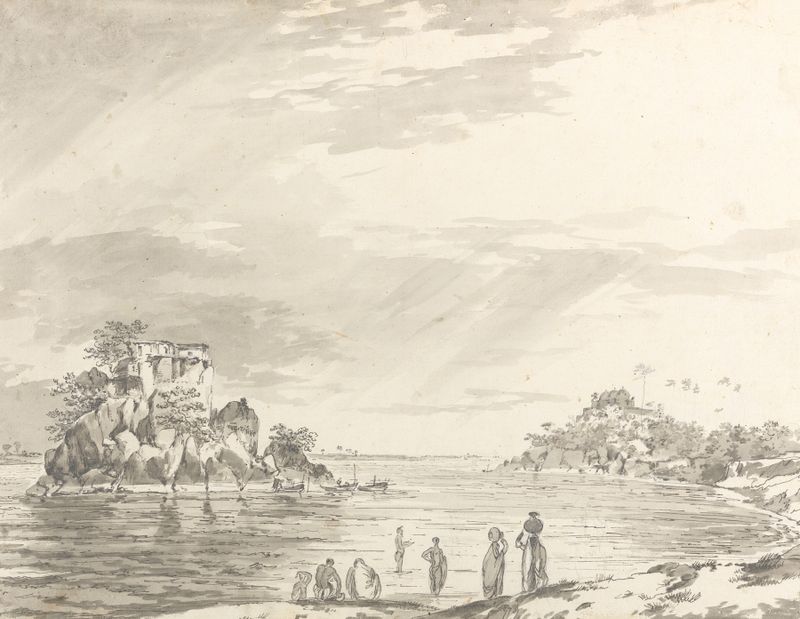
Original Drawings for Choix de Vues de L’Inde and Others Pl.15
William Hodges
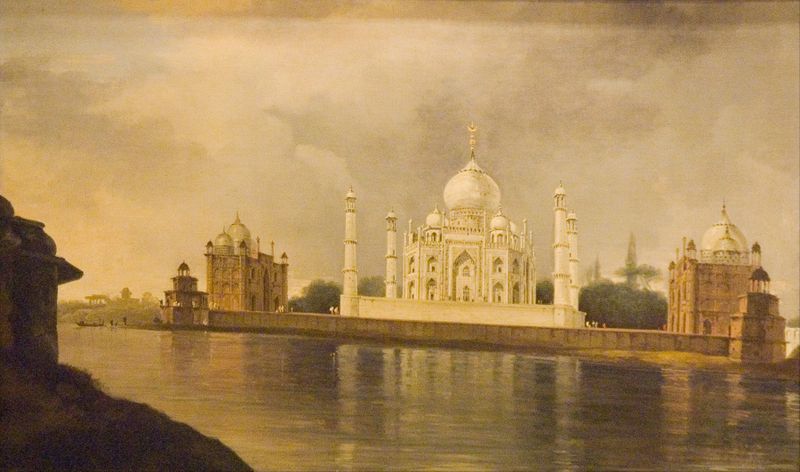
The Taj Mahal
William Hodges
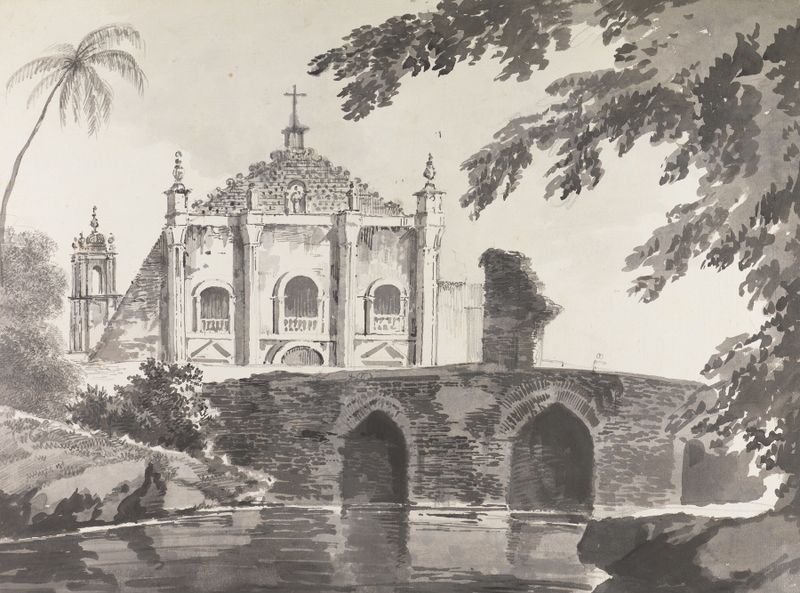
Original Drawings for Choix de Vues de L’Inde and Others Pl.50
William Hodges
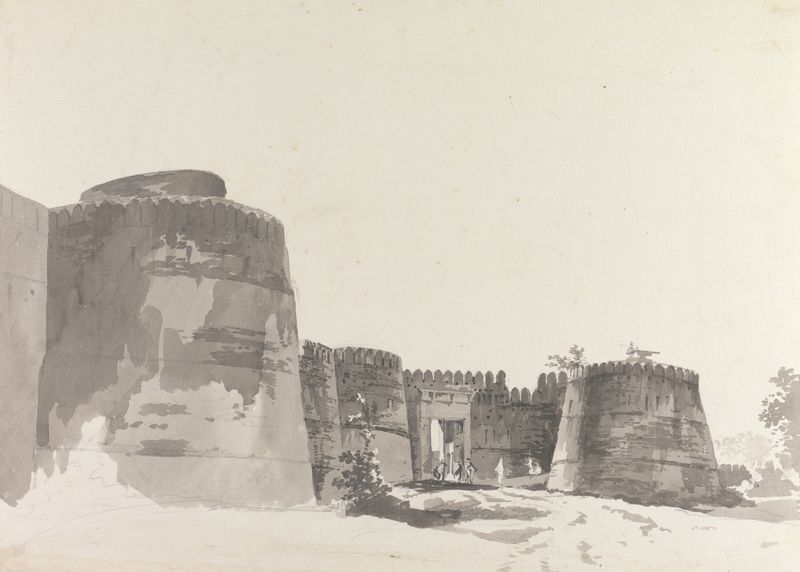
Original Drawings for Choix de Vues de L’Inde and Others Pl.34
William Hodges
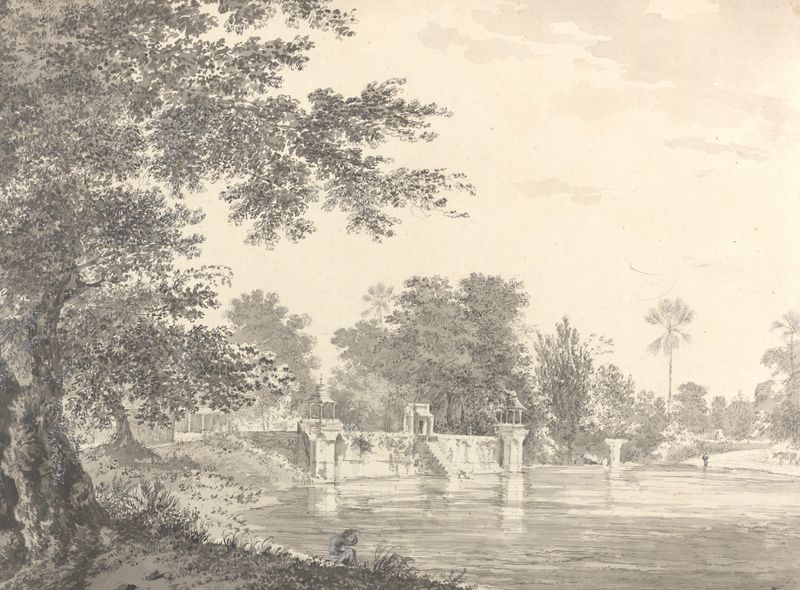
Original Drawings for Choix de Vues de L’Inde and Others Pl.03
William Hodges
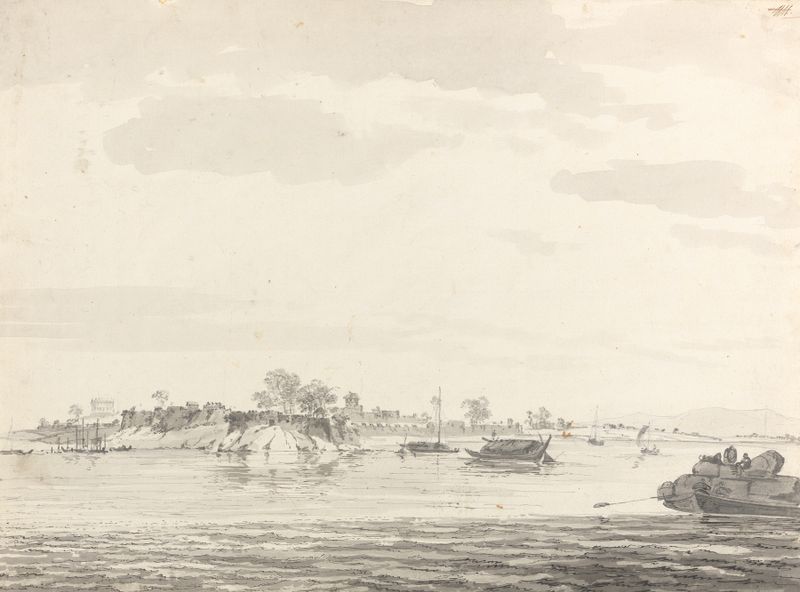
Original Drawings for Choix de Vues de L’Inde and Others Pl.18
William Hodges
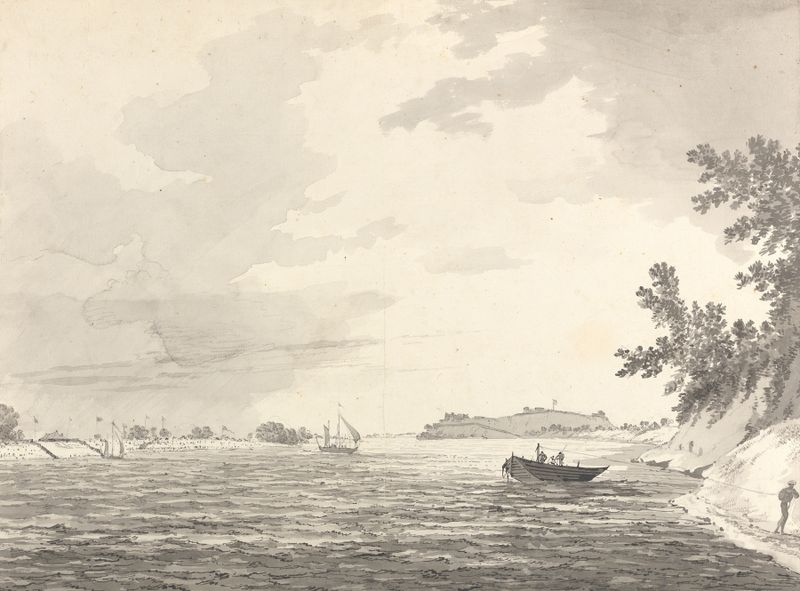
Original Drawings for Choix de Vues de L’Inde and Others Pl.10
William Hodges
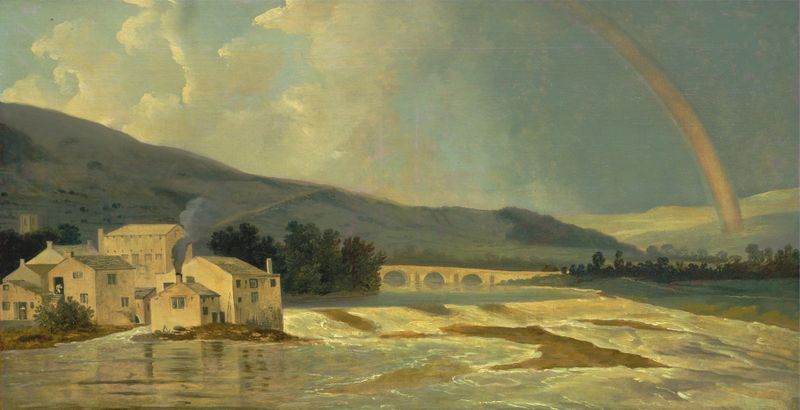
Otley Bridge on the River Wharfe
William Hodges
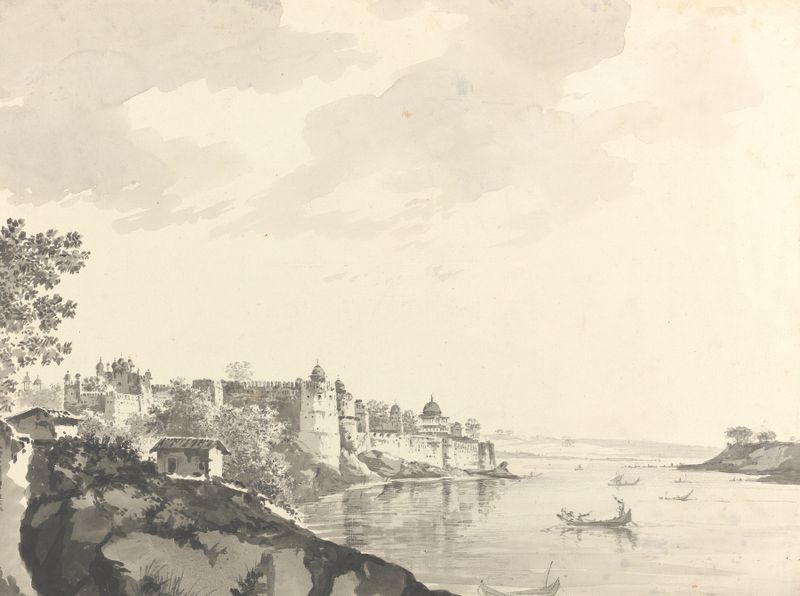
Original Drawings for Choix de Vues de L’Inde and Others Pl.08
William Hodges





