
Original Drawings for Choix de Vues de L’Inde and Others Pl.26 — History & Facts
Could beauty survive in a century of chaos? In the delicate strokes of this work, one finds a fleeting glimpse of serenity amidst the tumult of the late 18th century. Look closely at the foreground; the intricate lines etched into the paper reveal a landscape that balances both majesty and vulnerability. The soft curves of the hills and the meticulous detail of the foliage draw the eye, while the careful use of ink creates a sense of depth and dimensionality. Notice how the pale hues evoke a sense of calm, contrasting sharply with the dark, looming history of the period.
Each element invites contemplation, as if whispering secrets of a world on the brink of transformation. As you explore the composition further, consider the juxtaposition of beauty and fragility. The rendering of nature’s splendor speaks to an idealized vision, perhaps a nostalgia for what once was, even as the realities of colonialism and upheaval loom in the background. The choice of view—selected with intent—can be seen as a tribute to both the charm of the Indian landscape and the precariousness of its existence.
Such contrasts prompt reflection on the relationship between art and its historical context, evoking a profound sense of loss and longing. William Hodges created this work between 1780 and 1788, during his time in India, where he was commissioned to document the landscapes and cultures he encountered. As one of the first British artists to capture the subcontinent, he maneuvered the tensions of imperialism and admiration, leaving behind a visual legacy that spoke to both the beauty of the land and the encroachments upon it. In a world teetering on the edge of change, these drawings remain a testament to the enduring power of art.
More Artworks by William Hodges
Browse all →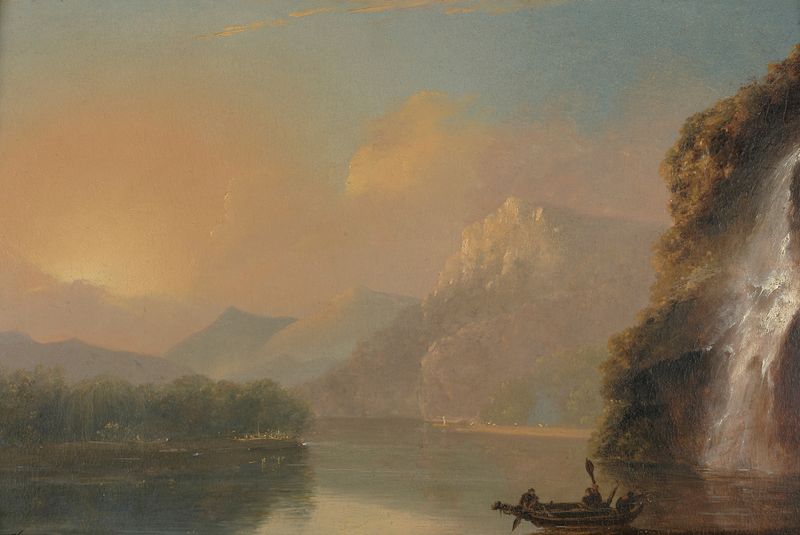
Waterfall in Dusky Bay with Maori canoe
William Hodges
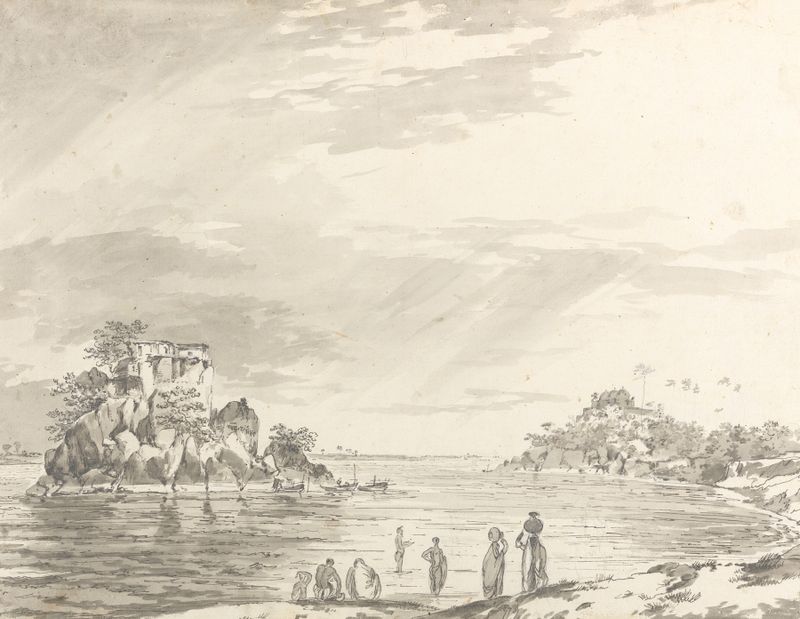
Original Drawings for Choix de Vues de L’Inde and Others Pl.15
William Hodges
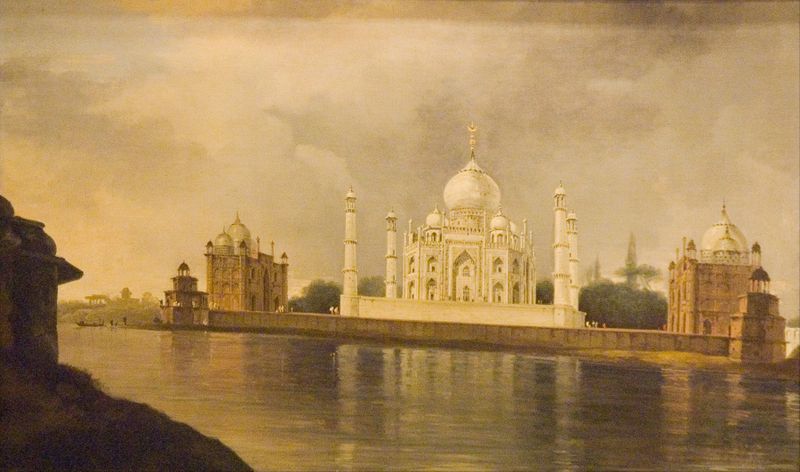
The Taj Mahal
William Hodges
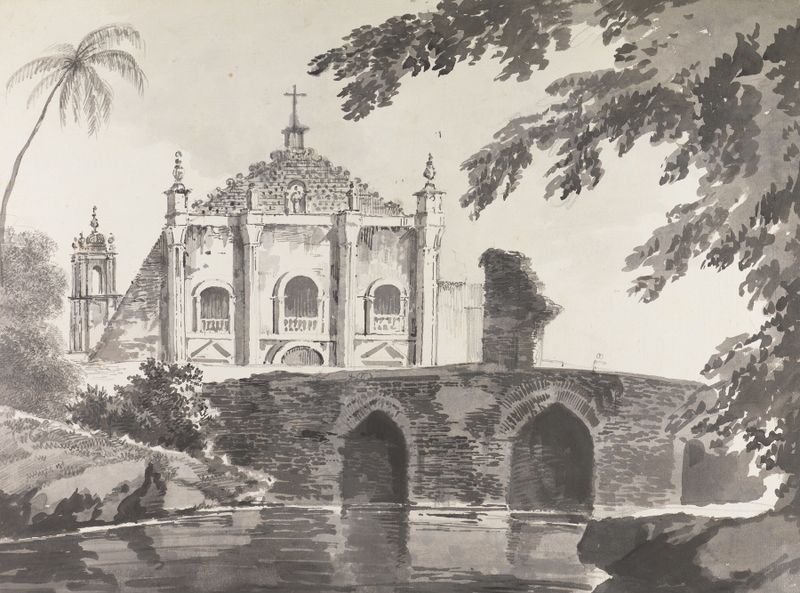
Original Drawings for Choix de Vues de L’Inde and Others Pl.50
William Hodges
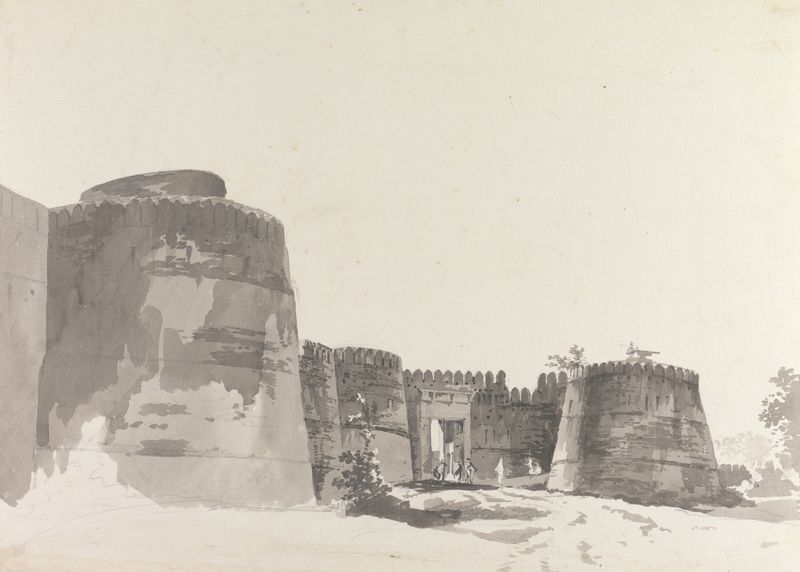
Original Drawings for Choix de Vues de L’Inde and Others Pl.34
William Hodges
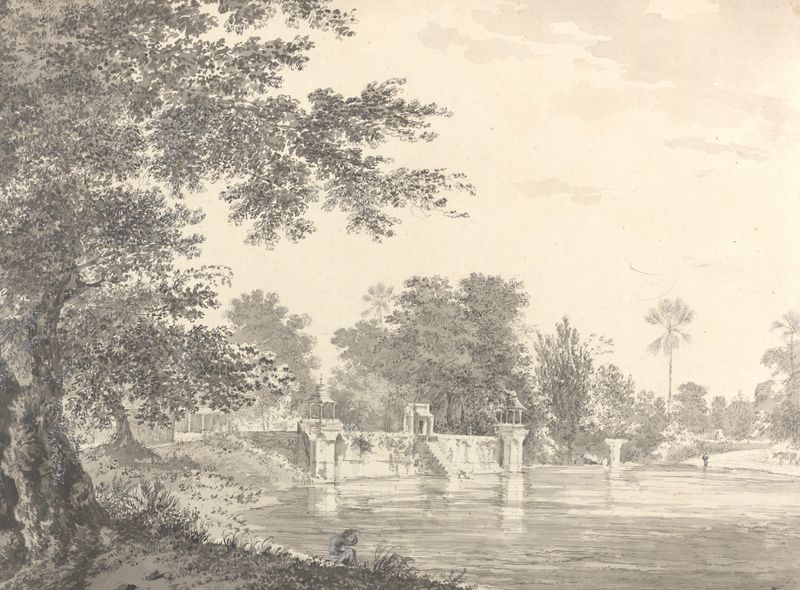
Original Drawings for Choix de Vues de L’Inde and Others Pl.03
William Hodges
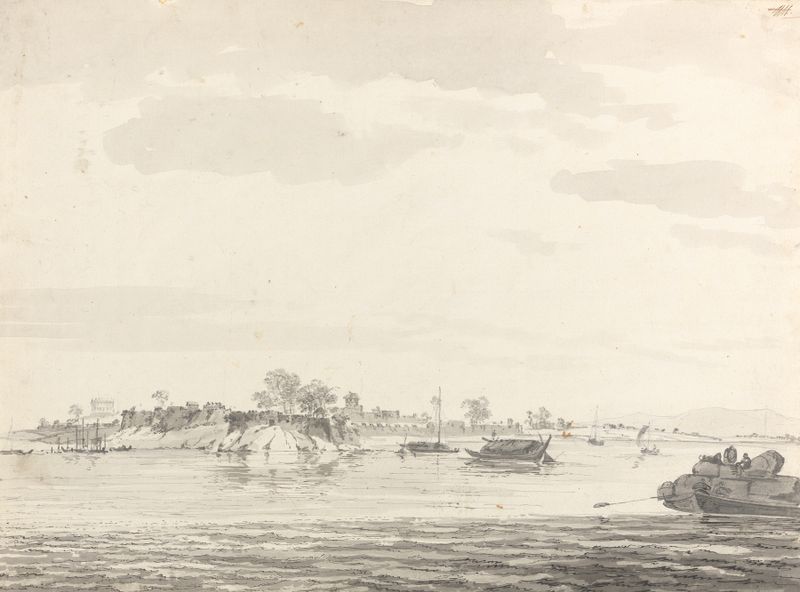
Original Drawings for Choix de Vues de L’Inde and Others Pl.18
William Hodges
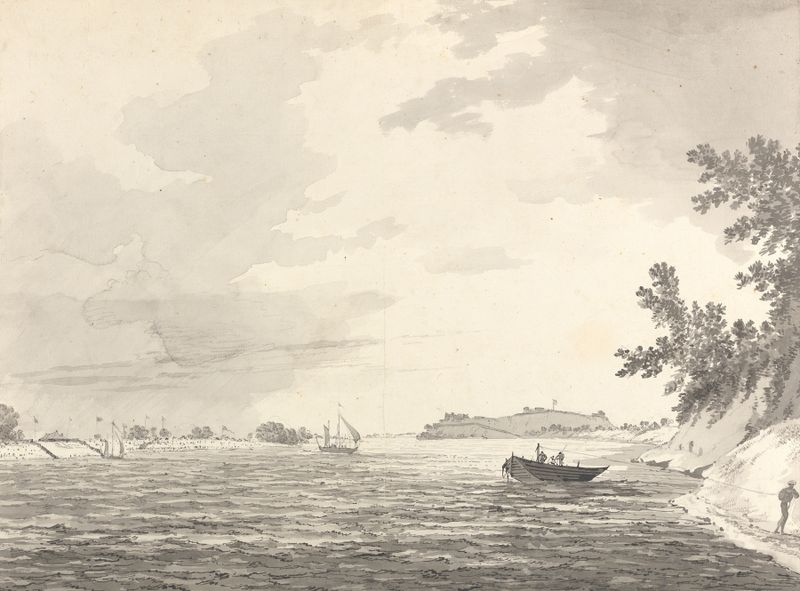
Original Drawings for Choix de Vues de L’Inde and Others Pl.10
William Hodges
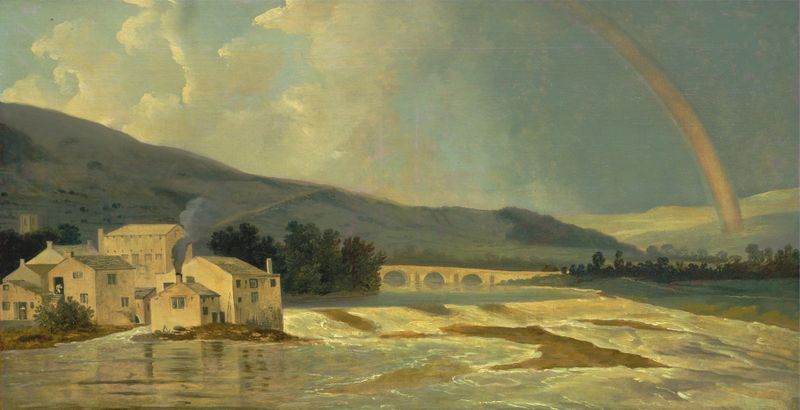
Otley Bridge on the River Wharfe
William Hodges
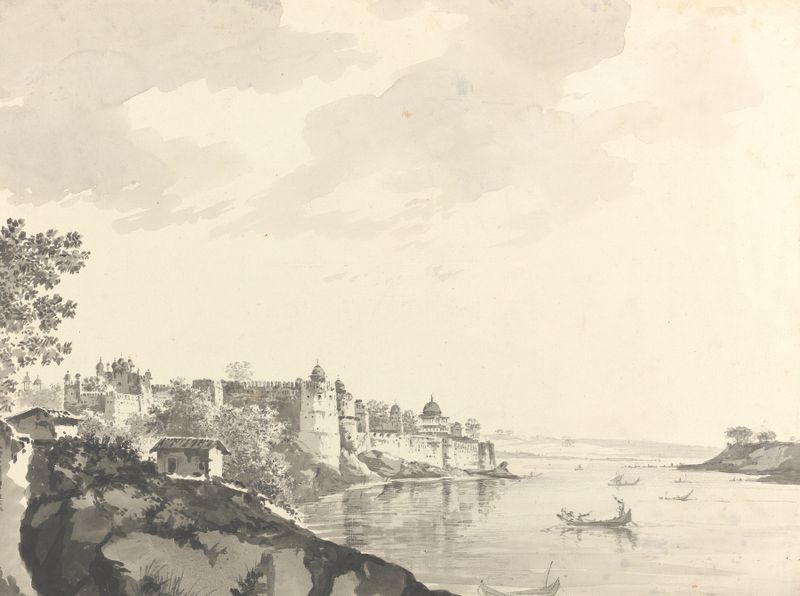
Original Drawings for Choix de Vues de L’Inde and Others Pl.08
William Hodges





