Oruro, Bolivia — History & Facts
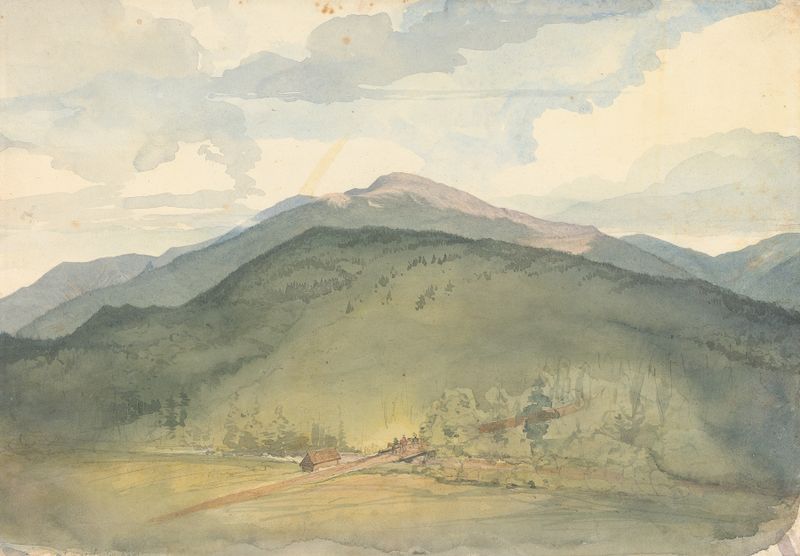
In the quiet moments before dawn, shadows cling to the earth like memories yearning for light. The stillness of Oruro whispers of stories untold, where life ebbs and flows beneath a vast, melancholic sky. In this landscape, the weight of centuries rests heavily, urging the viewer to reflect on the fragile nature of existence. Look to the foreground, where the rugged terrain rises and falls, etched with earthy tones that pulse with a sense of history.
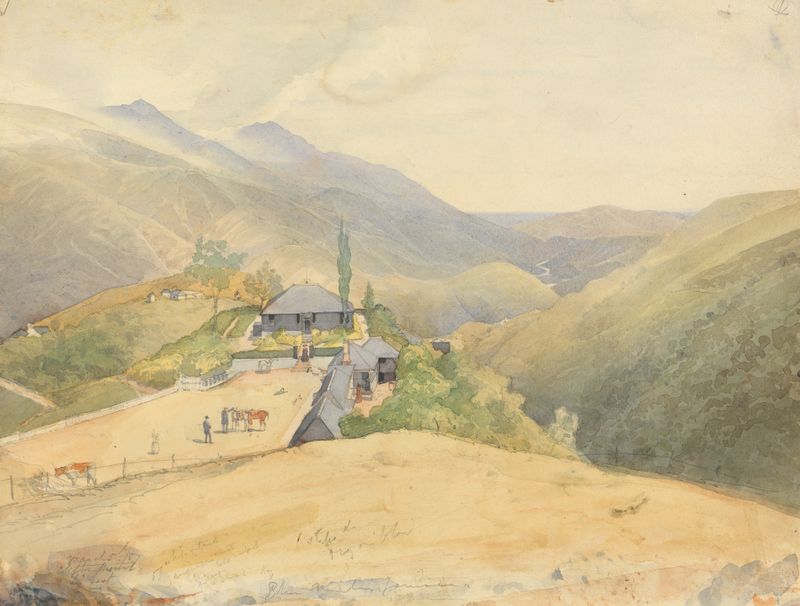
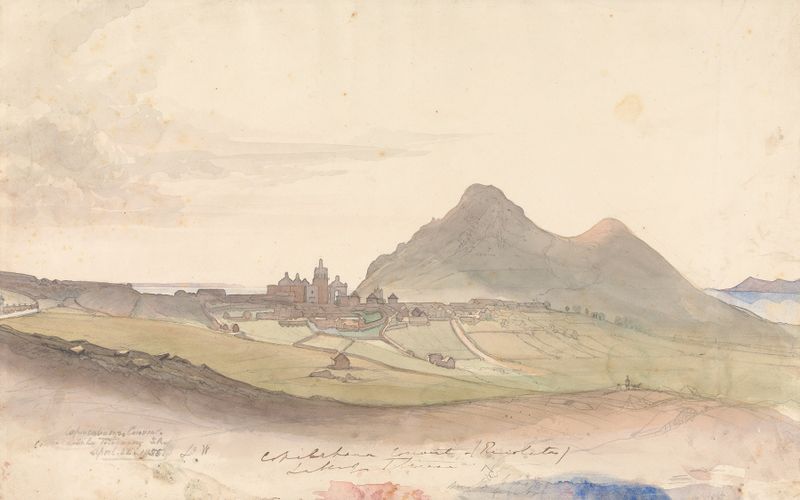
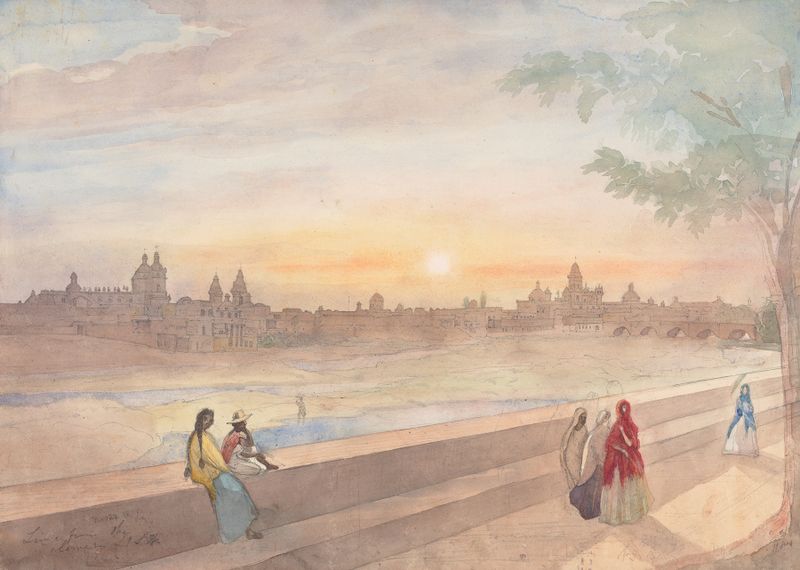
The muted palette of browns and greens draws the eye toward the distant mountains, their peaks piercing the soft blue-gray sky. Notice how Vigne’s brushstrokes convey a sense of movement, mirroring the unseen winds that seem to affect the land itself. The composition evokes a deep longing, as if the landscape itself holds its breath, waiting for the sun to rise. Beneath the surface, this painting captures the juxtaposition of beauty and desolation.
The starkness of the land reflects a deeper yearning for connection, both to the earth and to the lives that once thrived here. The lonely mountains stand sentinel, a reminder of life’s transience, while the soft light hints at the hope that dawn brings, albeit tinged with sadness. Each element resonates with an emotional depth, inviting contemplation of the past and the passage of time. In 1855, while residing in South America, the artist sought to capture the essence of the landscapes he encountered.
The mid-19th century was a period of exploration and discovery for many European artists, as they turned their attention to the rich cultures and natural wonders of the continent. Vigne’s work embodies this spirit, reflecting not only the aesthetics of his time but also a profound understanding of the emotional landscape that defines humanity’s connection to place.