Mount Washington — History & Facts
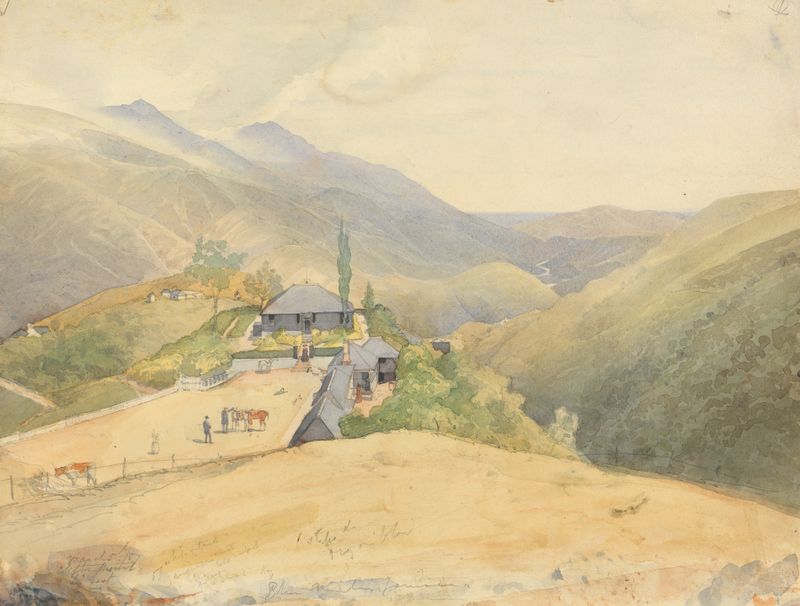
The divine essence of nature whispers secrets through its stillness, inviting us to contemplate its majesty. Look to the center of the canvas, where the imposing peak of Mount Washington dominates the scene. The artist’s meticulous brushwork captures the rugged texture of the mountain, while soft hues of blues and grays evoke the serenity of early morning light. Notice how the clouds embrace the summit, lending an ethereal quality that suggests both awe and reverence.
The lush foreground beckons with vibrant greens, grounding the composition in an earthly contrast that accentuates the mountain’s grandeur. Each detail reveals a deeper reflection on the power of nature, contrasting tranquility with the imposing presence of the mountain. The delicate interplay of light and shadow suggests a dialogue between the celestial and the terrestrial, where every shadow holds the weight of history and the promise of eternity. The soft outlines of distant peaks hint at the divine, while the vibrant flora at the base represents the life that thrives in the mountain's embrace, hinting at the resilience inherent in nature’s cycles. Created between 1855 and 1863, this work emerged during a transformative period in American landscape painting, particularly in the wake of the Hudson River School’s emphasis on nature’s beauty.
Vigne, influenced by Romantic ideals, sought to capture the spiritual essence of his subjects. At this time, the exploration of the American wilderness was both a literal and metaphorical journey, reflecting the nation’s evolution and its desire to connect with the sublime.