Greytown — History & Facts
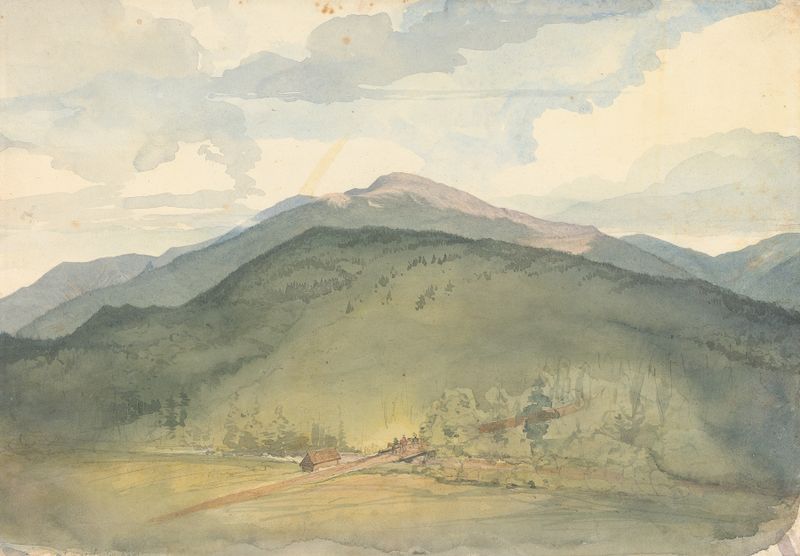
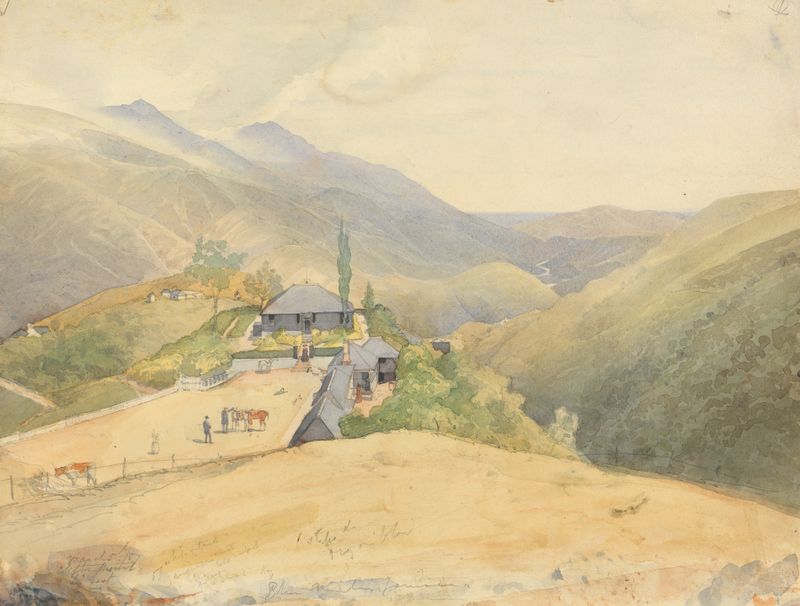
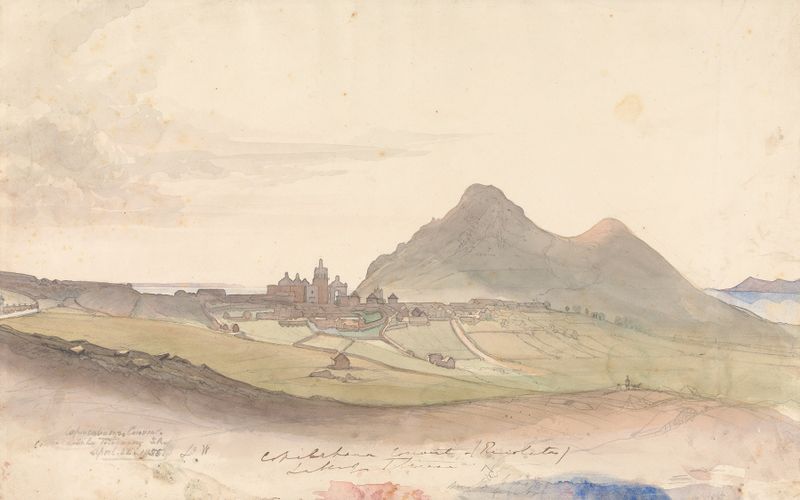
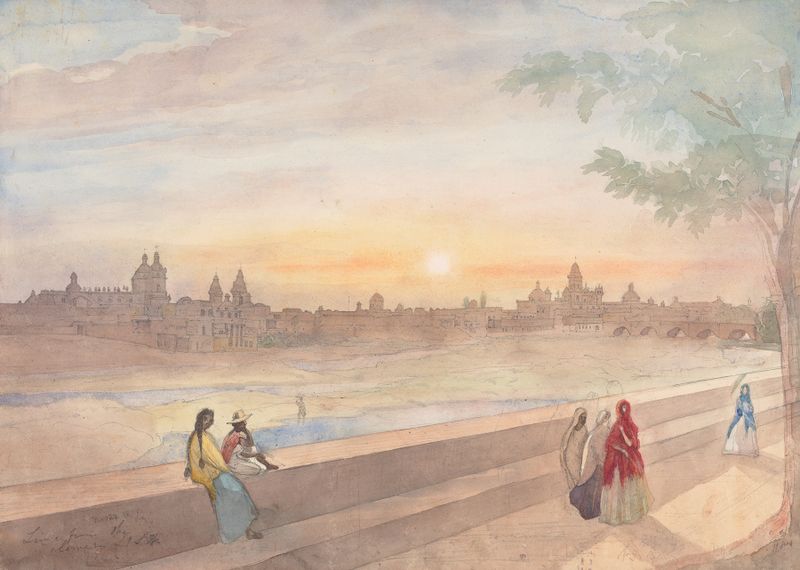
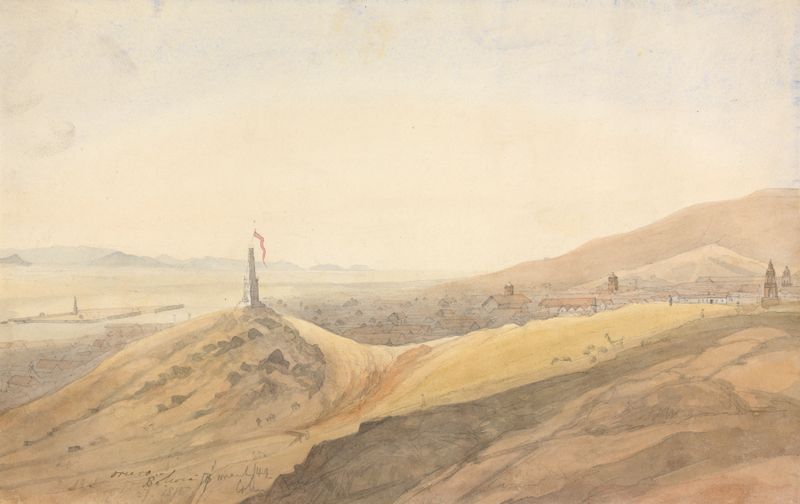
Can paint confess what words never could? In the gentle play of colors and forms, the canvas breathes life to an unspoken narrative that transcends mere description. Focus on the soft gradients of blues and greens that blend seamlessly, illuminating the landscape. To the left, the shadows of distant hills loom, anchoring the piece with a comforting weight. Notice how the light dances across the surface, creating a sense of movement, as if the viewer is about to step into a tranquil moment frozen in time.
Each brushstroke whispers stories of a serene place, evoking feelings of nostalgia and longing. In this ethereal representation, the contrasts between light and shadow suggest an emotional depth, revealing the duality of serenity and isolation. The hazy atmosphere invites reflection, while the muted palette evokes a sense of melancholy intertwined with beauty. Small details, like the delicate interplay of light on the foliage, invoke a longing for connection amid nature’s embrace, encapsulating the essence of created memories. Vigne painted this landscape during a period of artistic exploration, likely in the early 19th century, where the natural world began to inspire a new wave of Romantic expression.
Working in a time of shifting artistic movements, he sought to capture the ineffable qualities of landscapes and the emotions they stirred within the viewer. His choice of subject reflects both personal experience and a broader desire to convey the beauty and complexity of the world around him.