
Orvieto — History & Facts
In Orvieto, the viewer is drawn into a realm where vibrant hues collide with an almost tangible stillness, evoking a sense of ecstasy that pulsates beneath the surface. Each brushstroke whispers secrets, inviting contemplation and discovery. Look to the center of the canvas, where rich oranges and deep blues converge, crafting a tumultuous sky that envelops the ancient city's silhouette. The light breaks through the clouds, casting an ethereal glow on the stone buildings, their textures captured with meticulous precision.
Notice how the artist employs a palette of warm tones, contrasting sharply with cooler shades, creating a visual harmony that speaks to both the vibrancy of life and the quietude found within. As you explore the edges, hidden details emerge — a small figure, perhaps a passerby, stands against the vastness, emphasizing the scale of the landscape. This contrast sparks a dialogue between the individual and the monumental, revealing themes of solitude amidst beauty. The interplay of color further evokes an emotional tension, suggesting joy intertwined with a profound sense of longing, as if the viewer is caught between the ecstasy of existence and the silence of the past. Hermann Lismann painted Orvieto in 1924 during a period marked by experimentation and innovation in the art world.
Living in Europe, he was influenced by the shift towards modernism, where traditional boundaries were pushed, and color reigned supreme. This piece reflects not only his personal journey but also the broader artistic movement that sought to capture the essence of life through dynamic and emotion-infused landscapes.
More Artworks by Hermann Lismann
Browse all →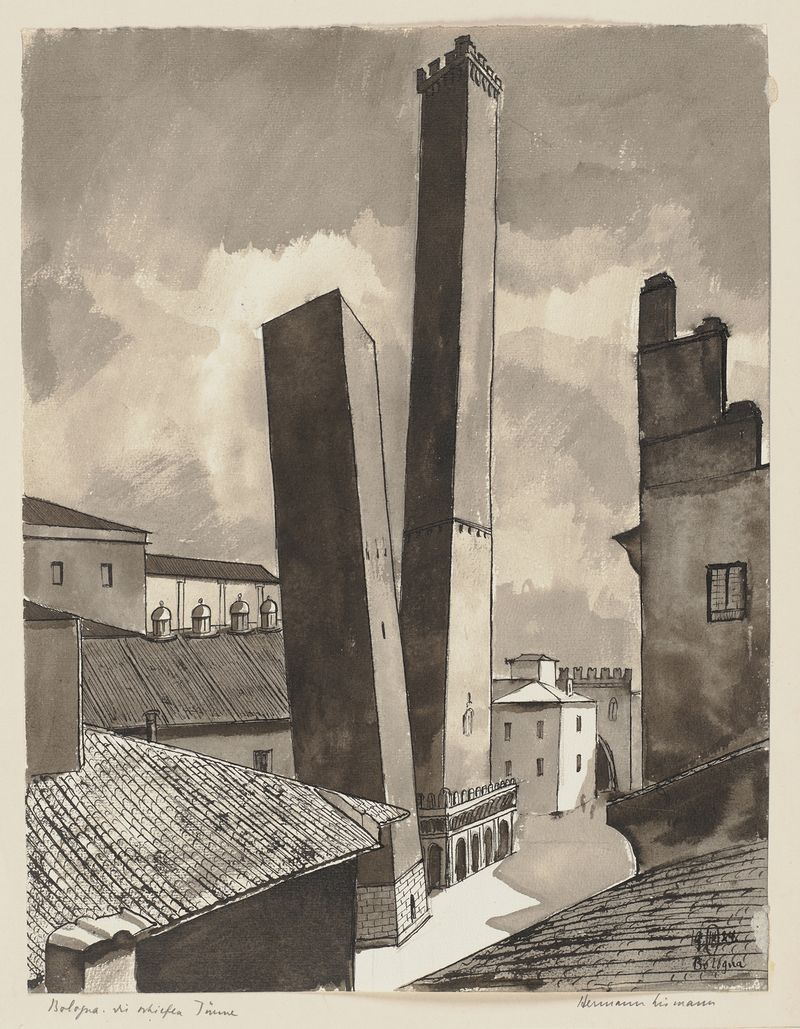
Die beiden Türme Garisenda und Asinelli in Bologna
Hermann Lismann
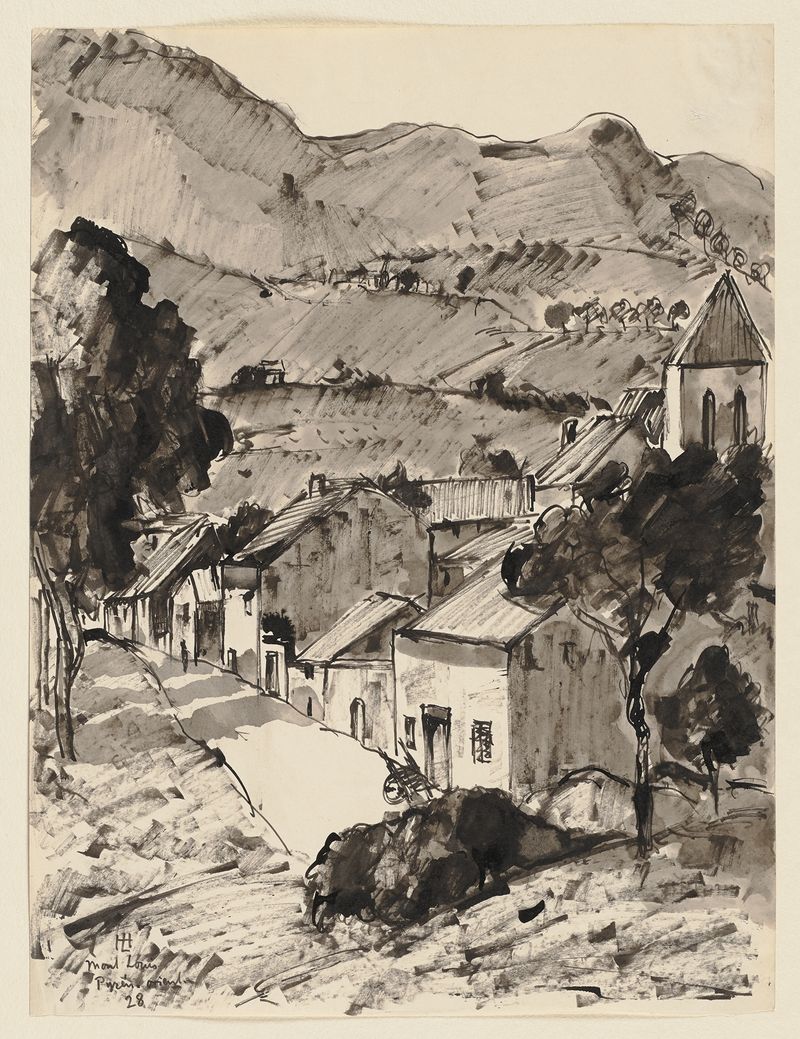
Mont-Louis
Hermann Lismann
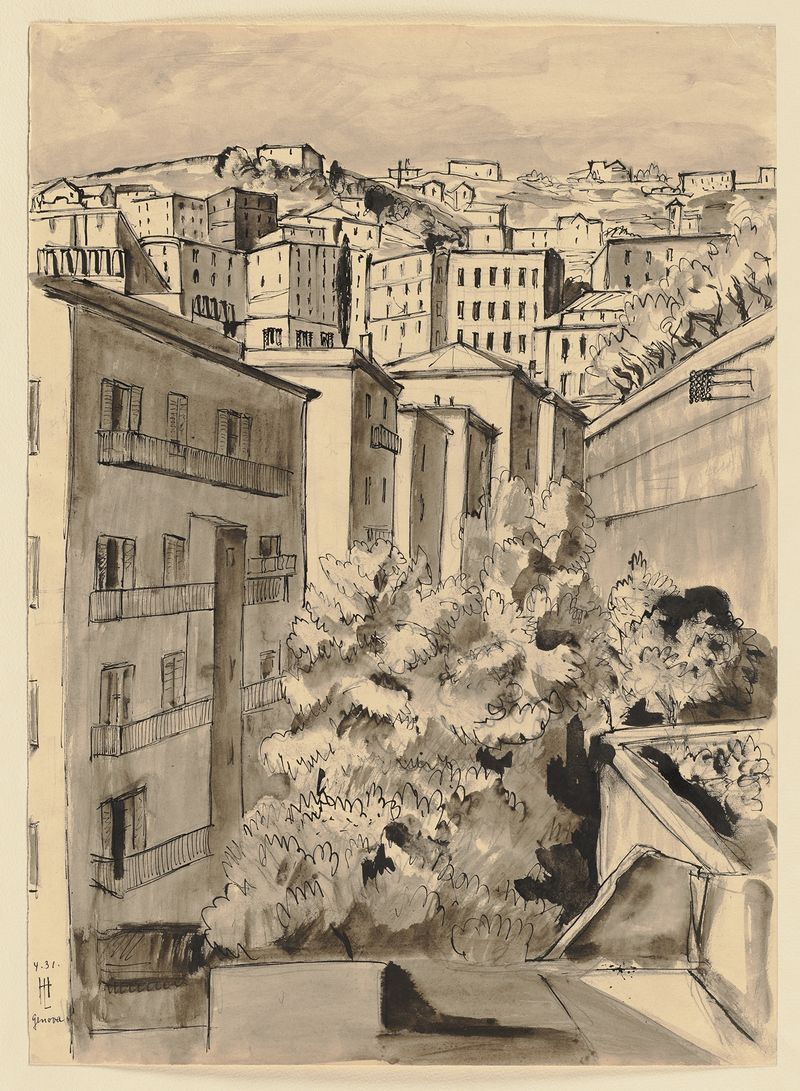
View of Genoa
Hermann Lismann
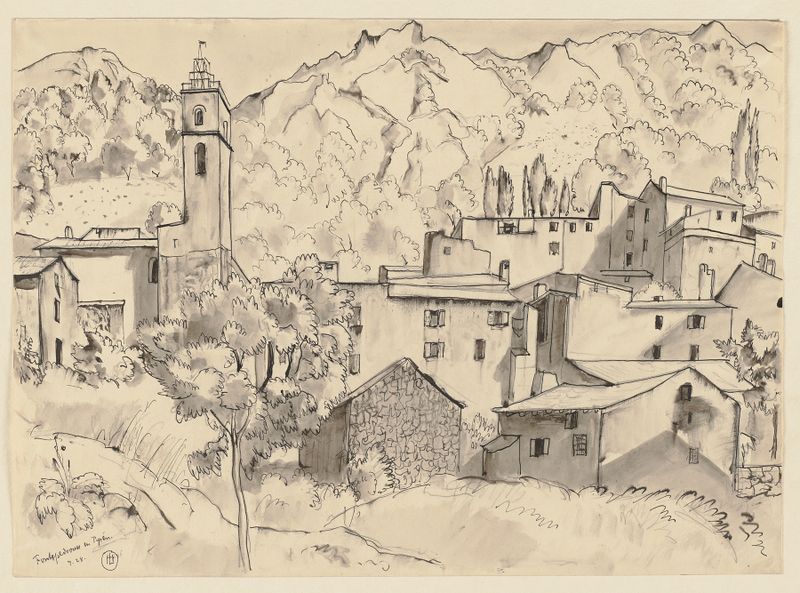
Fontpédrouse en Pyrénées
Hermann Lismann
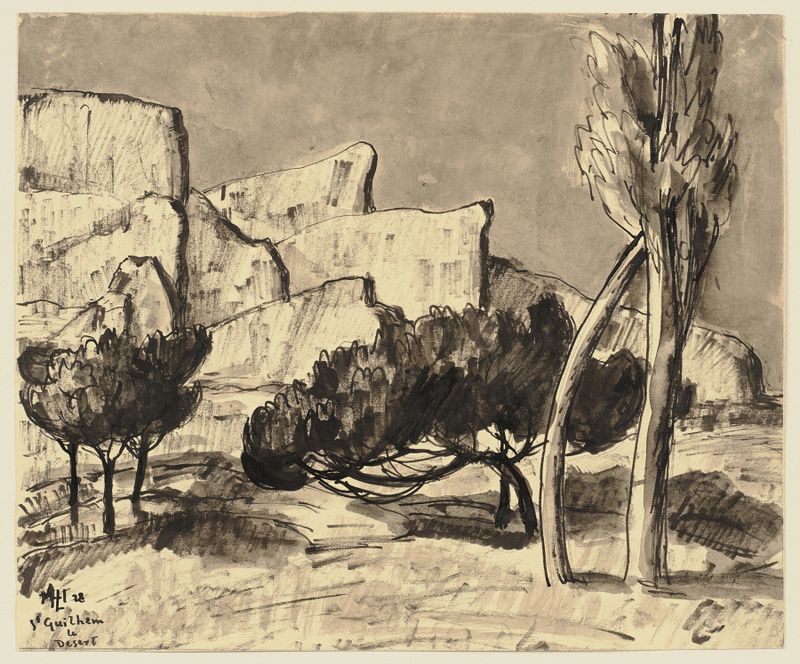
Saint-Guilhem-le-Désert
Hermann Lismann
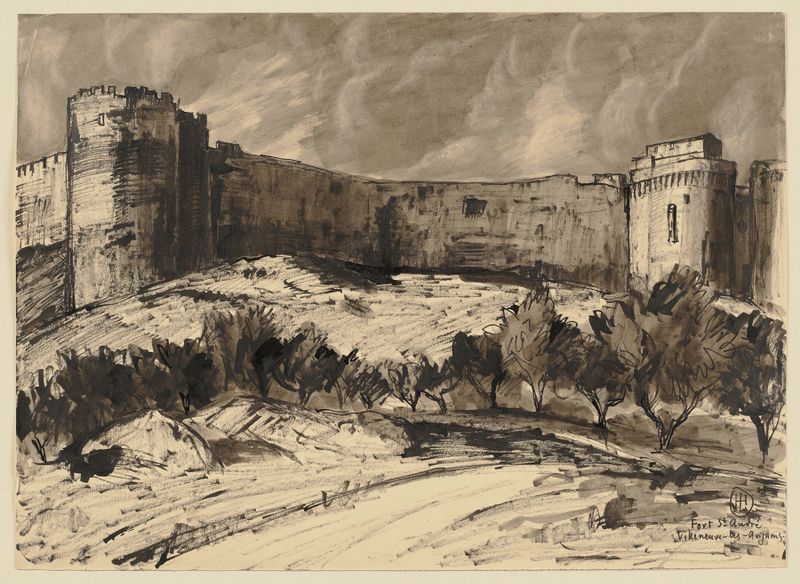
Fort Saint-André in Villeneuve-les-Avignon
Hermann Lismann
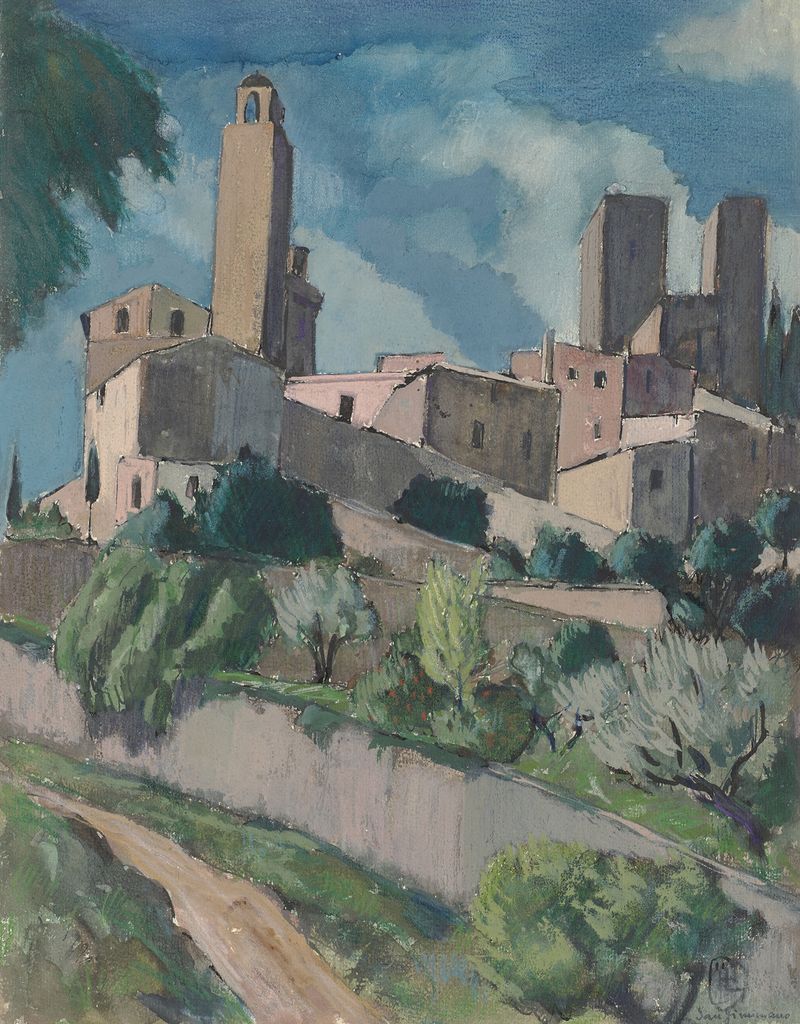
San Gimignano
Hermann Lismann
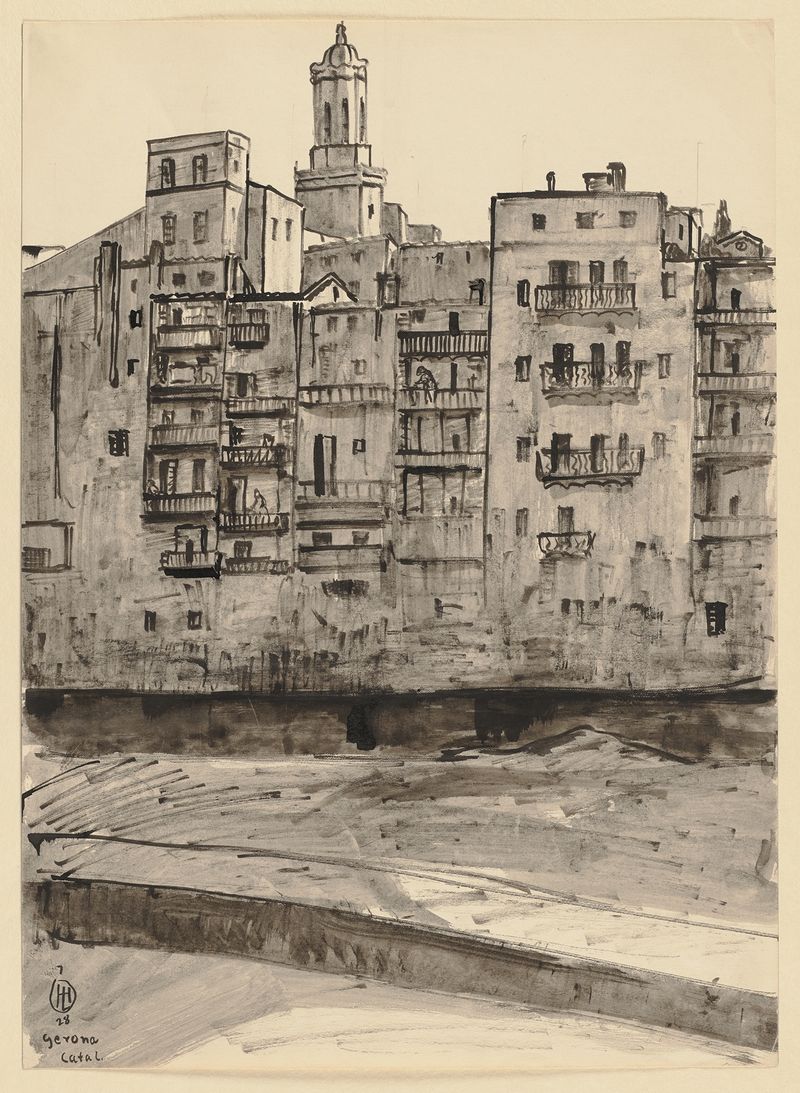
Girona vom Fluss aus gesehen, im Hintergrund der Turm der Kathedrale
Hermann Lismann
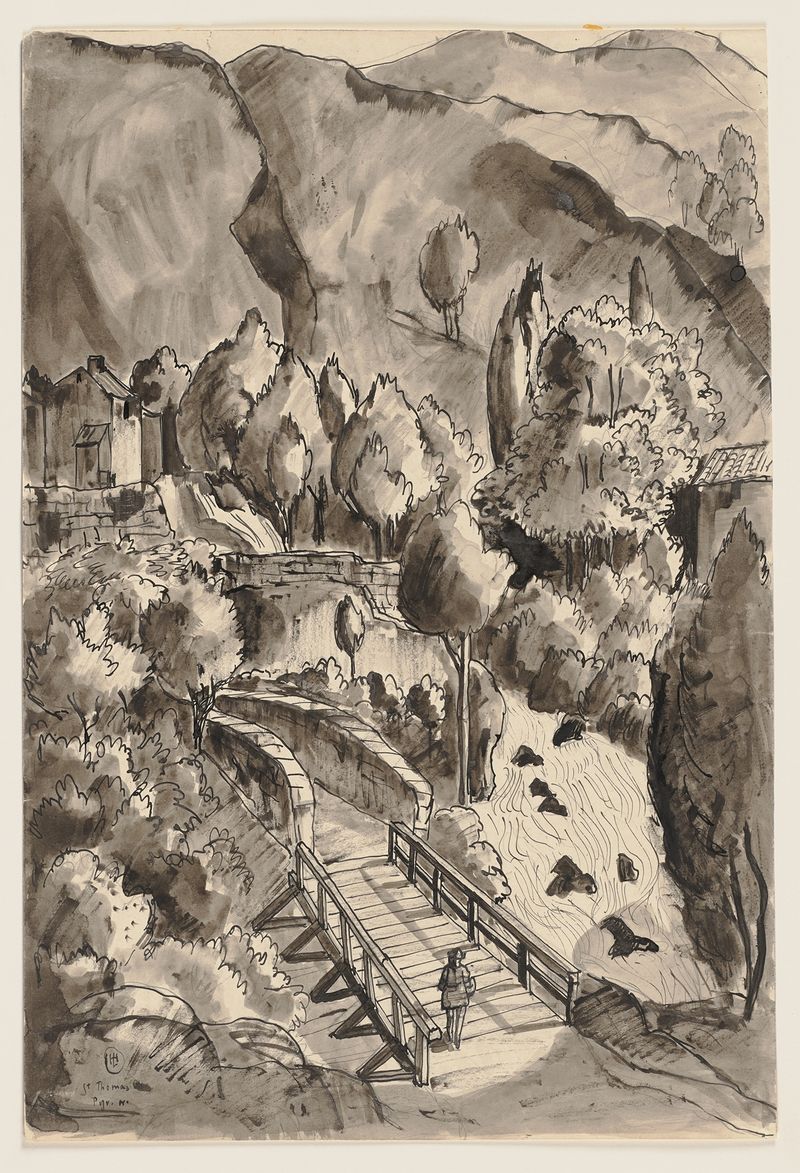
Saint Thomas, Pyrénées
Hermann Lismann
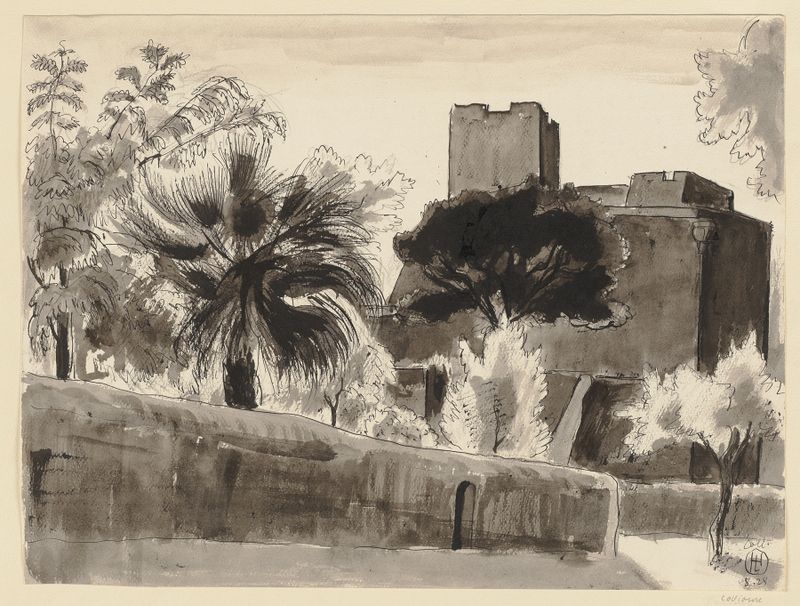
Collioure
Hermann Lismann





