
Oude Schans hoek 1ste Batavier Dwarsstraat te Amsterdam — History & Facts
When did color learn to lie? The vibrant hues of life often mask the obsessions lurking within the human soul, whispering secrets that only the discerning eye can unveil. Look to the center of the canvas, where the bold strokes of paint converge, creating a dynamic interplay between the saturated blues and the earthy browns. Notice how the colors dance — the azure sky stretching over the muted tones of the buildings, while the warm light spills across the cobblestone street, inviting the viewer to step into the scene. Each brushstroke reveals a meticulous attention to detail, lending a sense of movement and vitality to the urban landscape. Yet, beneath this picturesque allure lies a more profound reflection on obsession.
The symmetrical lines of the architecture seem to confine the chaos of life, while the soft shadows cast by the buildings hint at hidden narratives waiting to be uncovered. The eye is drawn to the figures populating the street, their anonymity encapsulating the silent struggles of existence in a crowded city, creating an emotional tension between solitude and community. Willem Wenckebach created this engaging piece in the 20th century, during a notable period of artistic exploration in Amsterdam. At that time, the city was undergoing rapid modernization, and artists were beginning to experiment with abstraction and color theory.
This work captures a snapshot of urban life while reflecting Wenckebach's evolving style, as he navigated the intersection of tradition and innovation within the broader European art movement.
More Artworks by Willem Wenckebach
Browse all →
Bakkersgang te Amsterdam
Willem Wenckebach

Oude huizen aan het Markenplein te Amsterdam
Willem Wenckebach

Oude huizen aan het Waterlooplein te Amsterdam
Willem Wenckebach
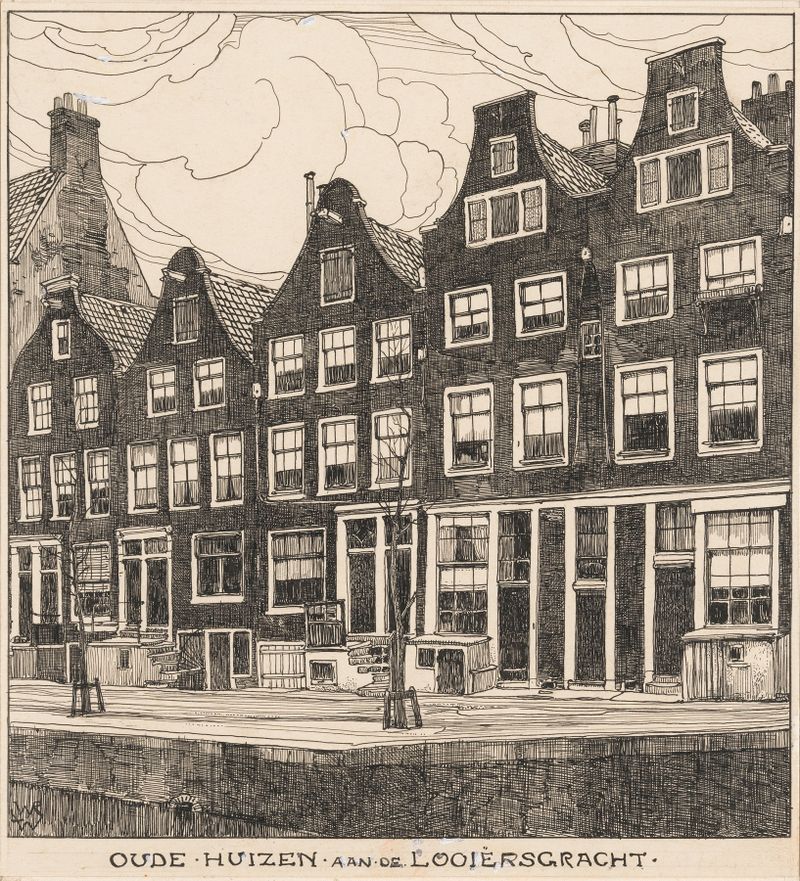
Oude huizen aan de Looiersgracht te Amsterdam
Willem Wenckebach
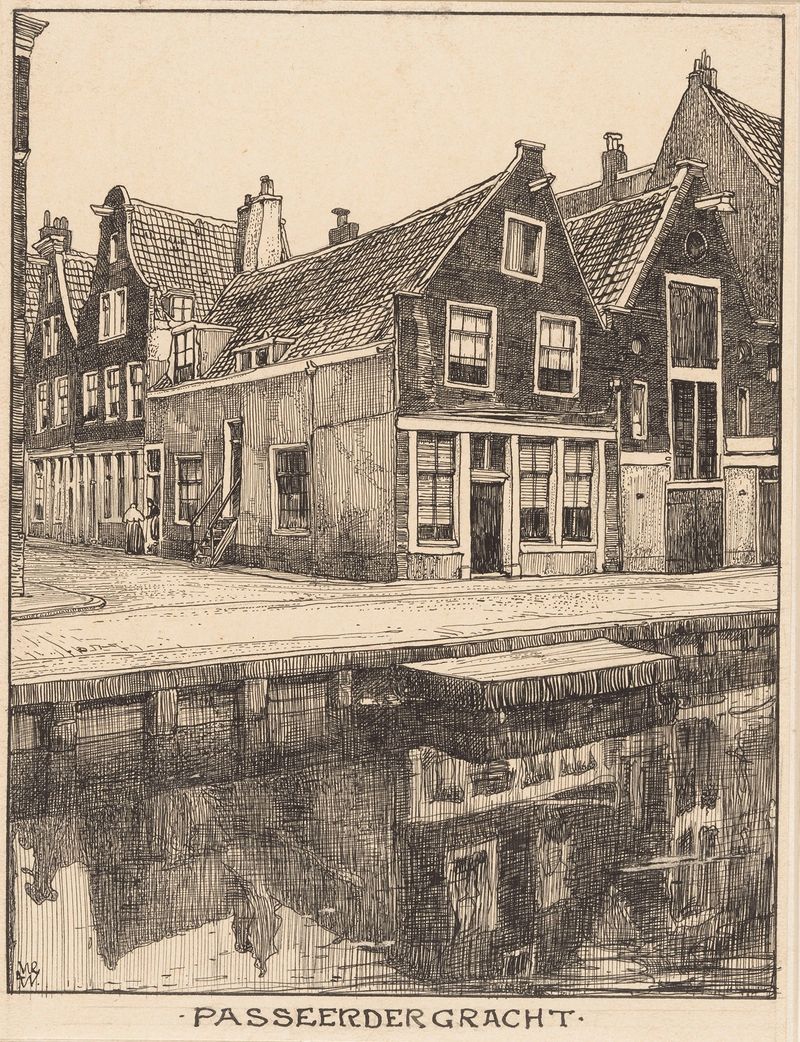
Passeerder Gracht te Amsterdam
Willem Wenckebach
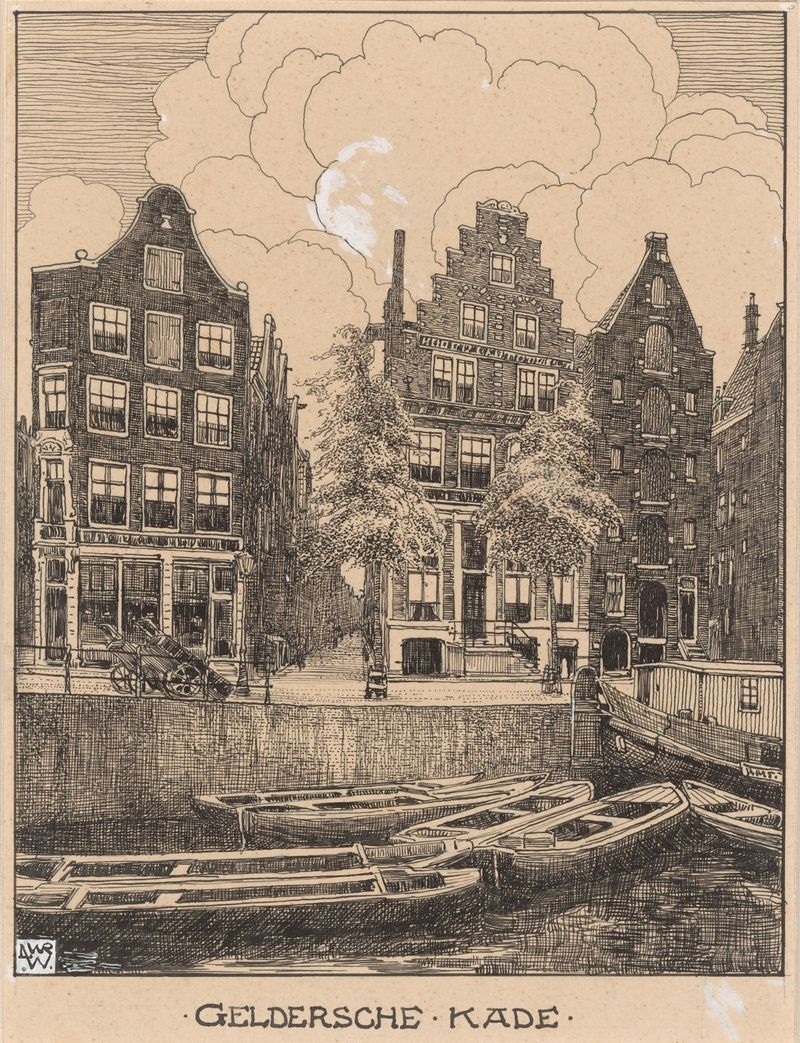
De Gelderse Kade te Amsterdam
Willem Wenckebach
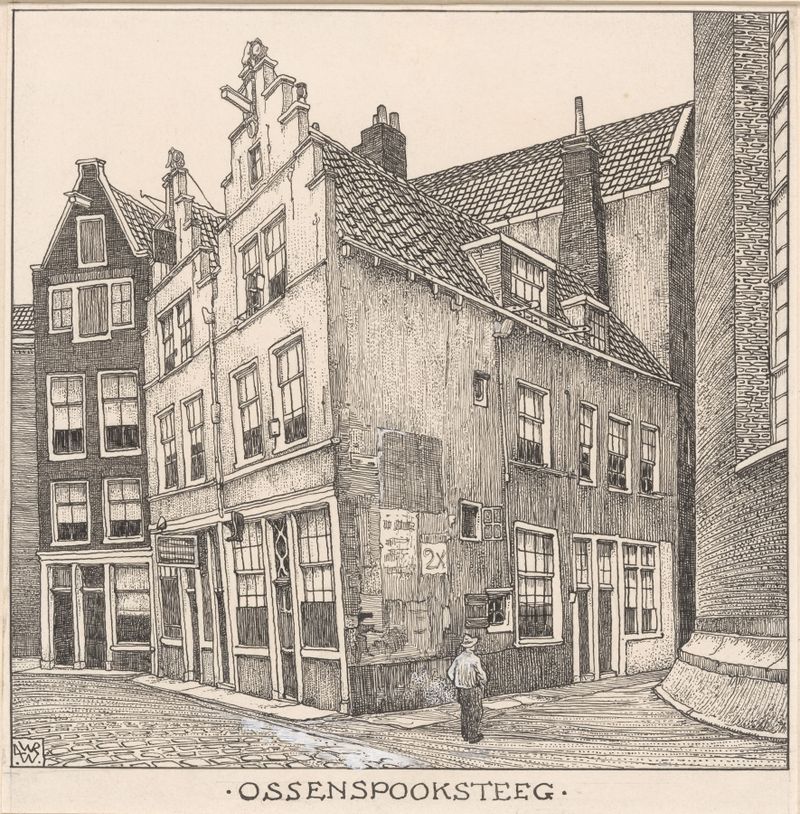
De Ossenspooksteeg te Amsterdam
Willem Wenckebach

Het Beurspleintje te Amsterdam
Willem Wenckebach
Poortje aan het oude Waaggebouw te Amsterdam
Willem Wenckebach

Torensluis te Amsterdam
Willem Wenckebach





