Outdoors — History & Facts
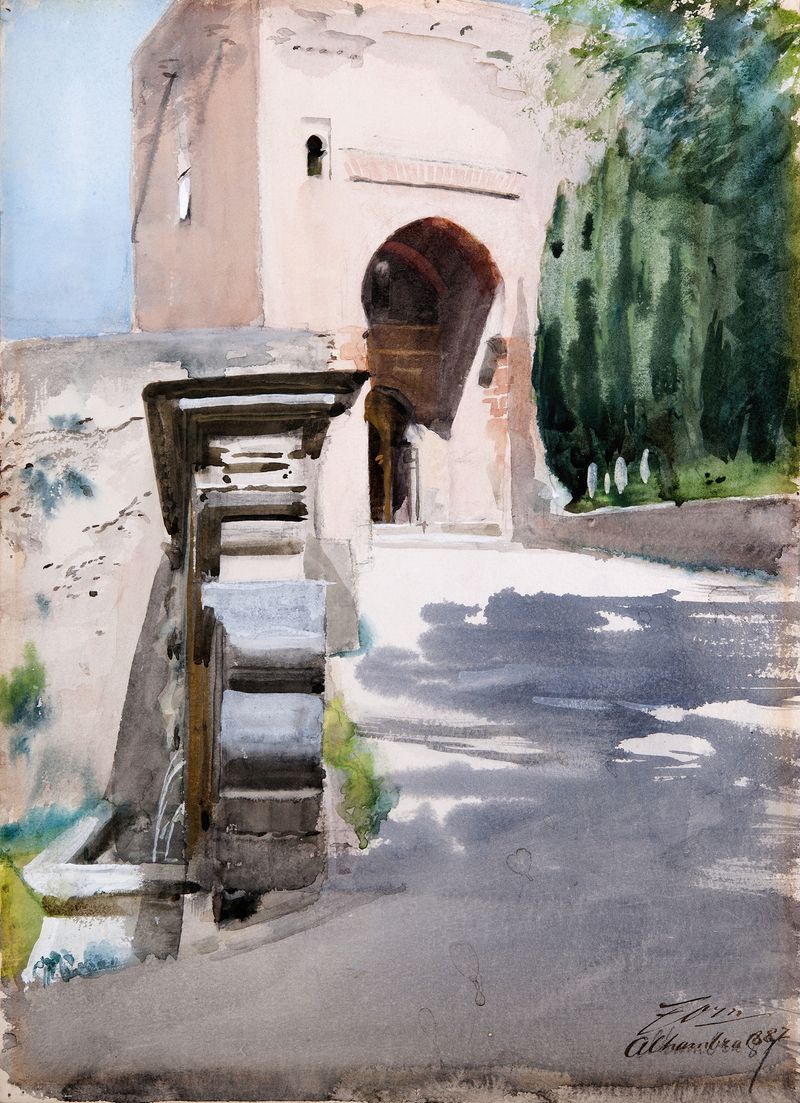
What secret hides in the quiet of the canvas? In a moment suspended between reality and reverie, a world unfolds where the delicate balance of solitude and serenity invites contemplation. Look to the center, where a figure rests, lost in thought, amidst a lush embrace of nature. The brushwork is fluid, capturing the essence of spontaneity: dappled sunlight dances across the canvas, illuminating the leaves in vibrant hues of green and gold. Notice how the soft blues in the background blend seamlessly with the warm earth tones, creating a harmonious atmosphere that feels both intimate and expansive. Beneath the tranquil surface lies a profound emotional tension.
The figure’s relaxed posture contrasts with the intensity of the surrounding wilderness, suggesting a moment of transcendence amid life's chaos. Each stroke evokes the rhythm of nature, hinting at the connection between the individual and the universe—an invitation to pause and reflect. The stillness of the scene carries whispers of solitude, yet it is layered with a depth that resonates with the viewer’s own introspective journey. In 1888, Zorn was in Sweden, at a pivotal moment in his artistic career, exploring the interplay of light and form.
This period saw him returning to his roots, grappling with the shifting tides of Impressionism and his place within the evolving art world. Reflecting on human existence against the backdrop of nature, he captures not just a scene but an inner experience, bridging the ordinary with the sublime.