
Outeiro — History & Facts
Did the painter know this moment would outlive them? In a world where colors speak louder than words, how does one freeze time within a canvas? Focus on the vibrant palette that dances across the surface, pulling your gaze. The interplay of rich blues and warm earth tones creates an inviting yet mysterious landscape — the craggy slopes appear alive under a sky awash with soft golds and pure whites. Notice how the brushwork captures movement; each stroke seems to breathe with the wind, inviting you into the tranquil yet dynamic embrace of nature.
The composition leads your eye toward a horizon that feels both distant and intimate, suggesting a profound connection between viewer and environment. Delve deeper into the contrasts: the stillness of the foreground against the swirling clouds above hints at a universe in flux. Subtle variations in hue evoke emotional resonance, from serene acceptance to a hint of longing. Each element within the landscape tells a story of coexistence — the rugged terrain cradling the ephemeral beauty of the sky, reminding us of nature's duality.
This delicate balance invites reflection on our own transient moments, urging us to acknowledge the richness of existence. Charles Hamilton Smith created this work during a period when the exploration of color theory was gaining momentum in art. Though the exact date remains unknown, it’s believed to have been painted in the early 19th century, a time when romanticism was flourishing and artists sought to capture the sublime essence of nature. Smith was deeply influenced by the natural world around him, often drawing inspiration from his travels and the landscapes of Britain.
More Artworks by Charles Hamilton Smith
Browse all →
Situation of H.M.S. Hecla & Griper
Charles Hamilton Smith
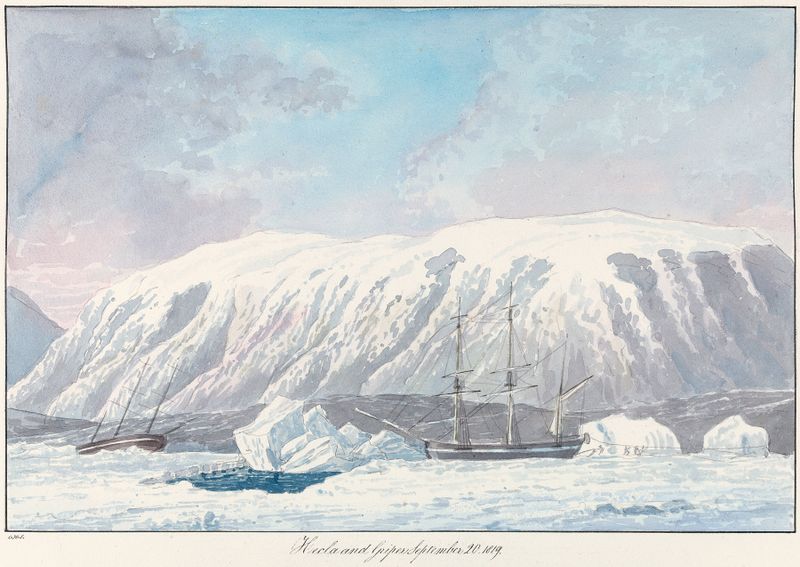
Hecla and Griper
Charles Hamilton Smith

Friendly Cove, Nootka Sound
Charles Hamilton Smith

Iceberg in Baffin’s Bay
Charles Hamilton Smith
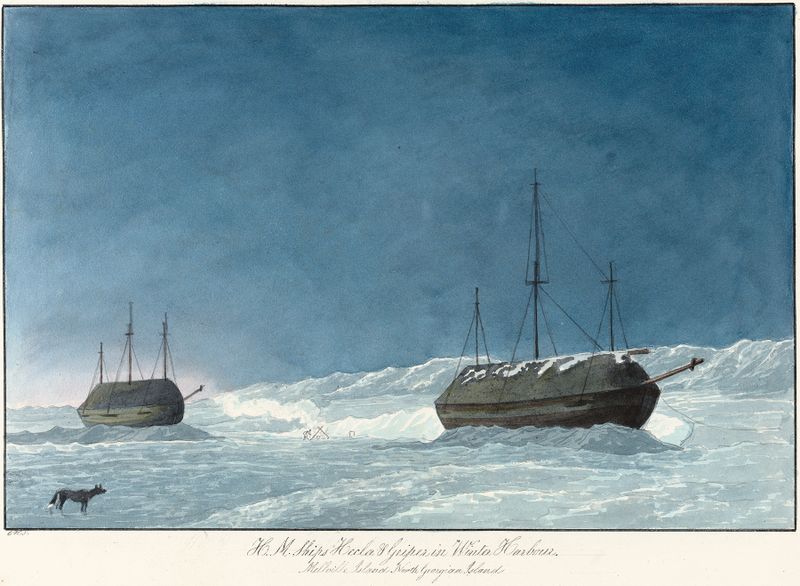
H. M. Ships Hecla and Griper in Winter Harbour
Charles Hamilton Smith

The Erebus & Terror in a Gale in the Pack of the Ice
Charles Hamilton Smith
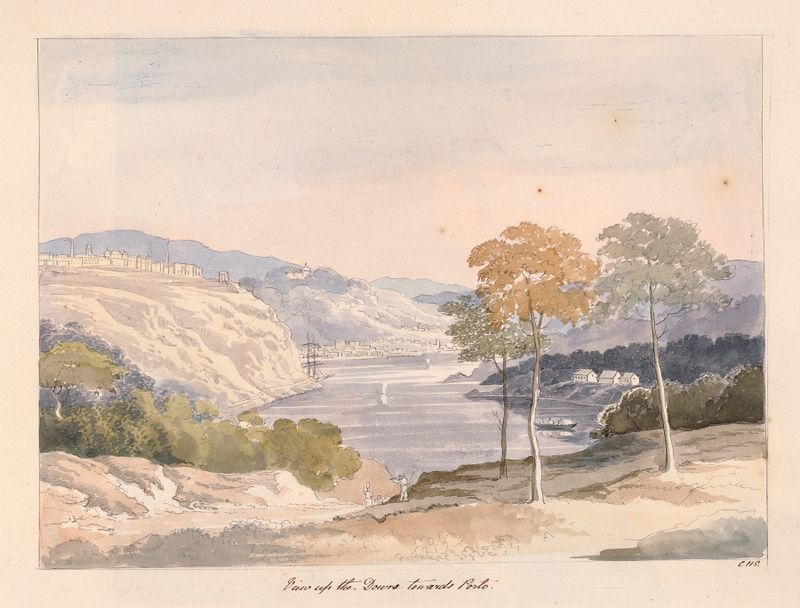
View of the Douro towards Porto
Charles Hamilton Smith
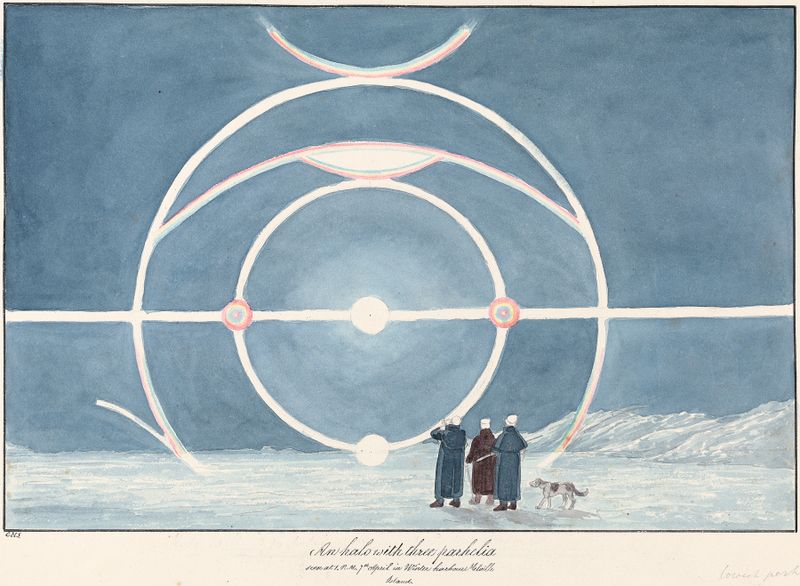
Halo with Three Parhelia, Winter Harbour Melville Island
Charles Hamilton Smith
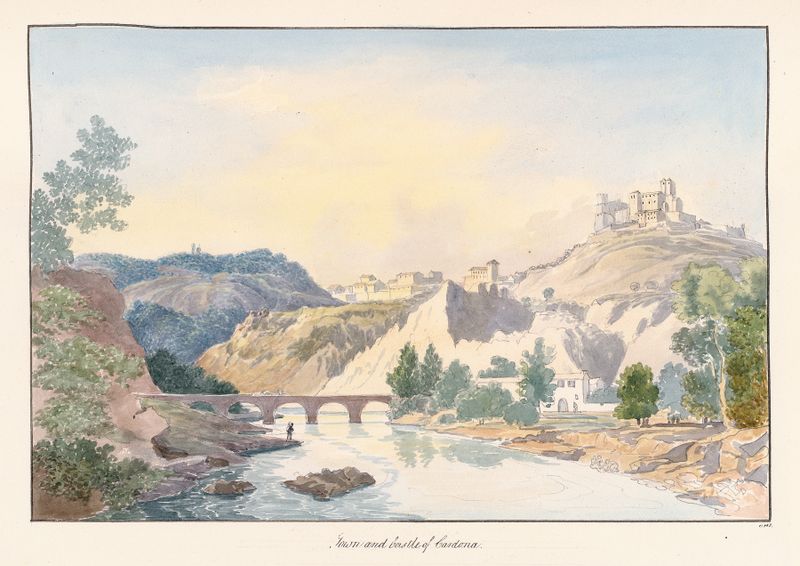
Town and Castle of Cardona
Charles Hamilton Smith
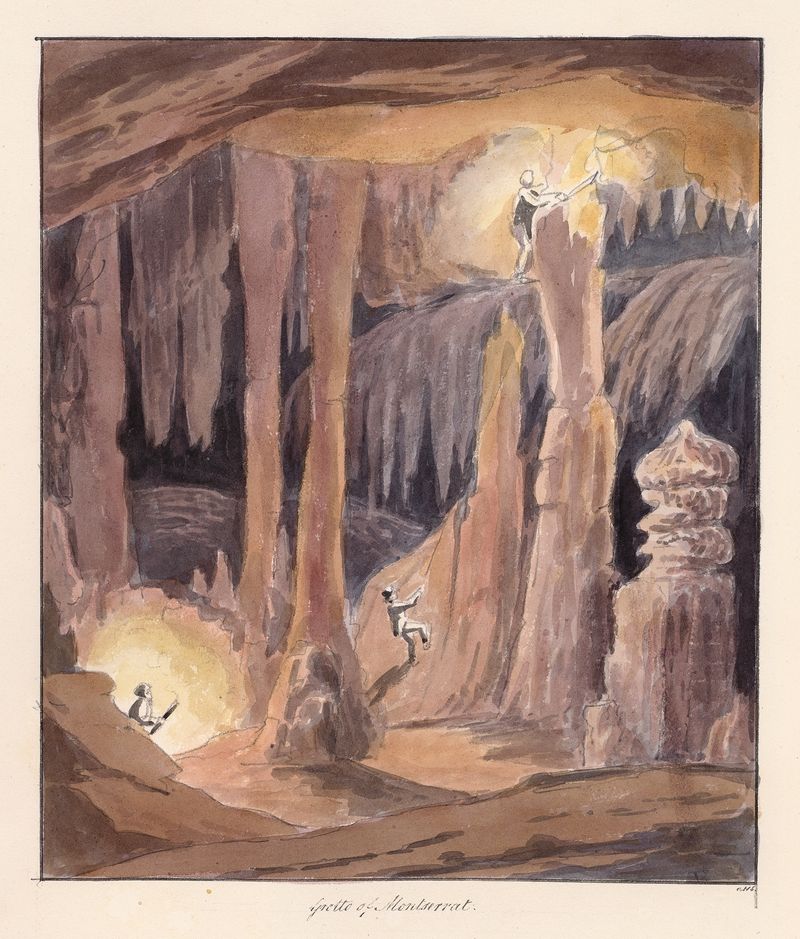
Grotto of Montserrat
Charles Hamilton Smith





