
Paestum — History & Facts
Where does light end, and longing begin? In Paestum, a haunting interplay of illumination invites contemplation of beauty and betrayal, echoing the echoes of ancient ruins. Look to the center of the canvas, where the majestic temples rise, their crumbling columns bathed in a warm, golden glow. The surrounding landscape, with its soft brushstrokes and muted earth tones, contrasts sharply with the vividness of the structures. Notice how the light falls upon the weathered stone, highlighting both its grandeur and decay, as if whispering secrets of a past long lost.
The careful composition draws your eye upward, towards the radiant sky, which holds both promise and melancholy, capturing a fleeting moment suspended in time. This scene is steeped in meaning; the temples symbolize resilience, yet also embody the passage of time—a reminder of betrayal by nature and neglect. The way the sun embraces the ruins can evoke nostalgia for lost beauty, while the shadows deepen, hinting at the darkness of human folly and abandonment. The delicate balance of light and shade suggests an emotional tension, reflecting both reverence for history and a sense of irrevocable loss. Willey Reveley painted Paestum in 1785, a period marked by his fascination with classical architecture and the ruins of antiquity.
Living in England, he was immersed in the Neoclassical movement, where artists turned to the past for inspiration amidst the turmoil of the Enlightenment. This work captures his dedication to exploring the beauty and fragility of human achievement, set against the profound changes occurring in society and the appreciation of ancient cultures.
More Artworks by Willey Reveley
Browse all →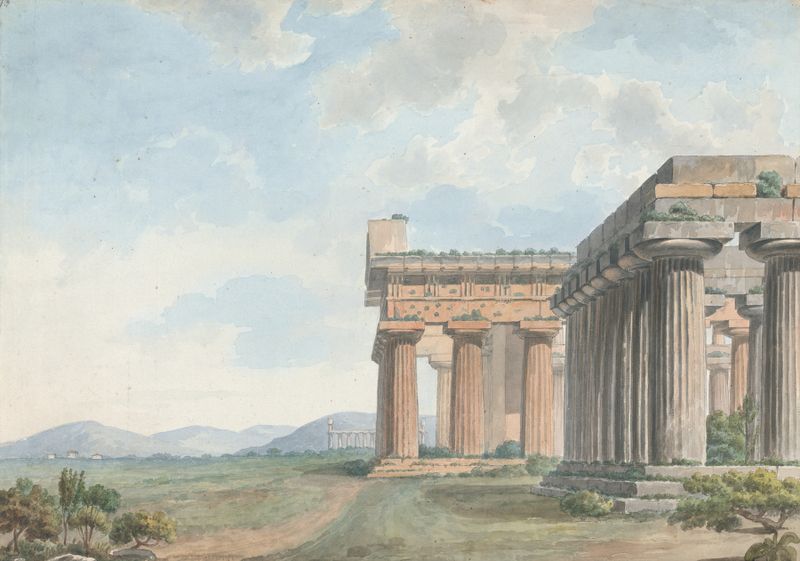
Temple Ruins at Paestum
Willey Reveley
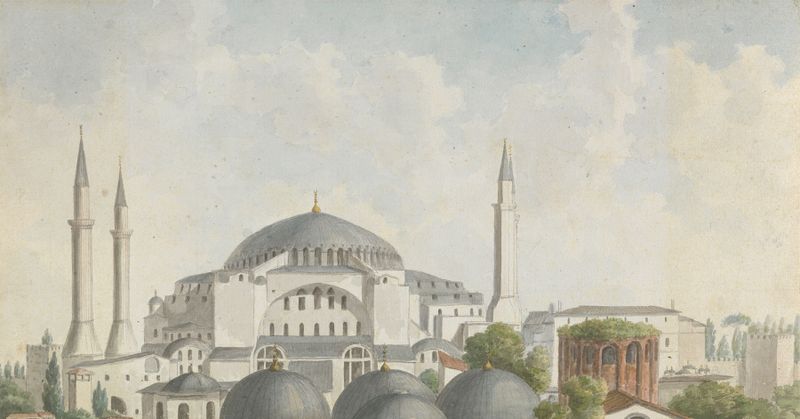
View of the domes and spires of Hagia Sophia, Istanbul
Willey Reveley
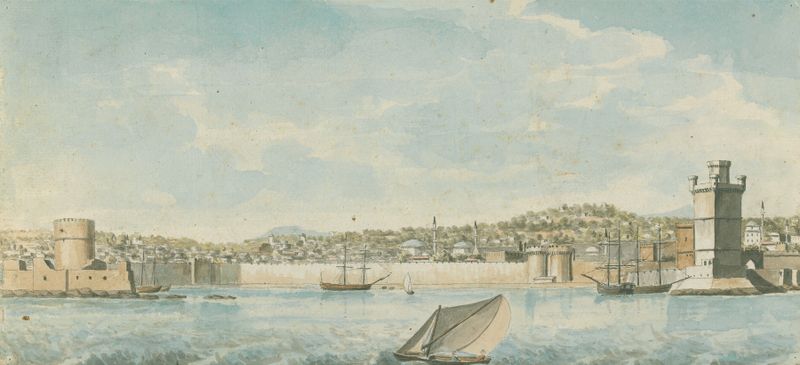
View of a Walled Town and Harbour with Towers Seen From the Sea
Willey Reveley
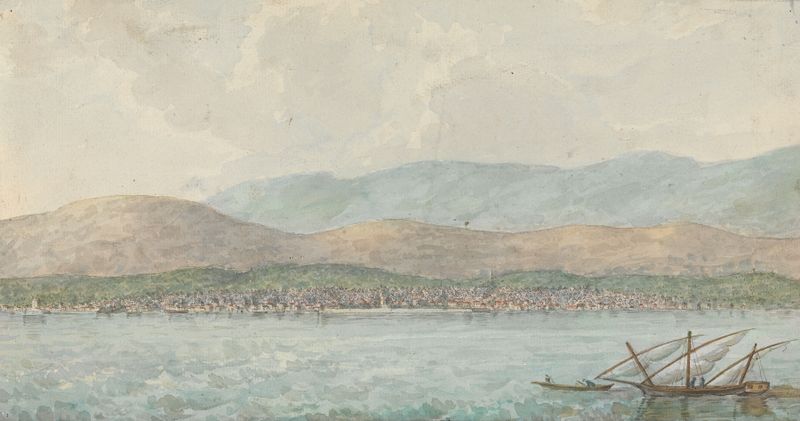
View of a Harbour and Town From the Sea, Turkey
Willey Reveley
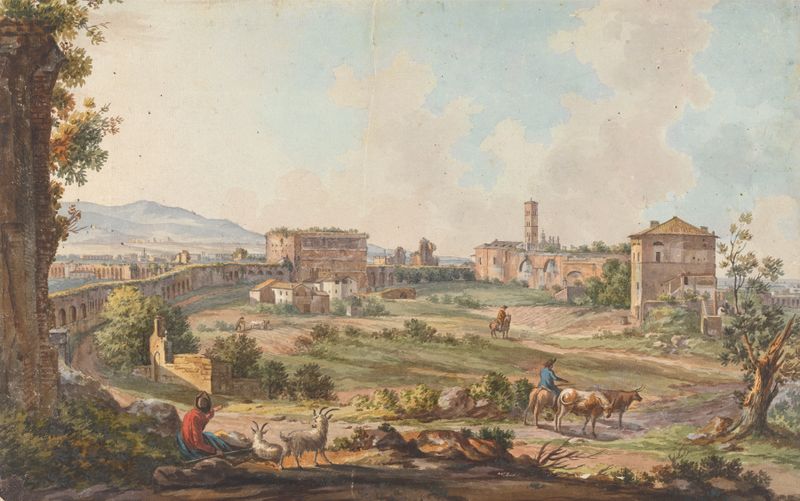
Ruins in Rome with Goats, Cows and Herdsmen
Willey Reveley
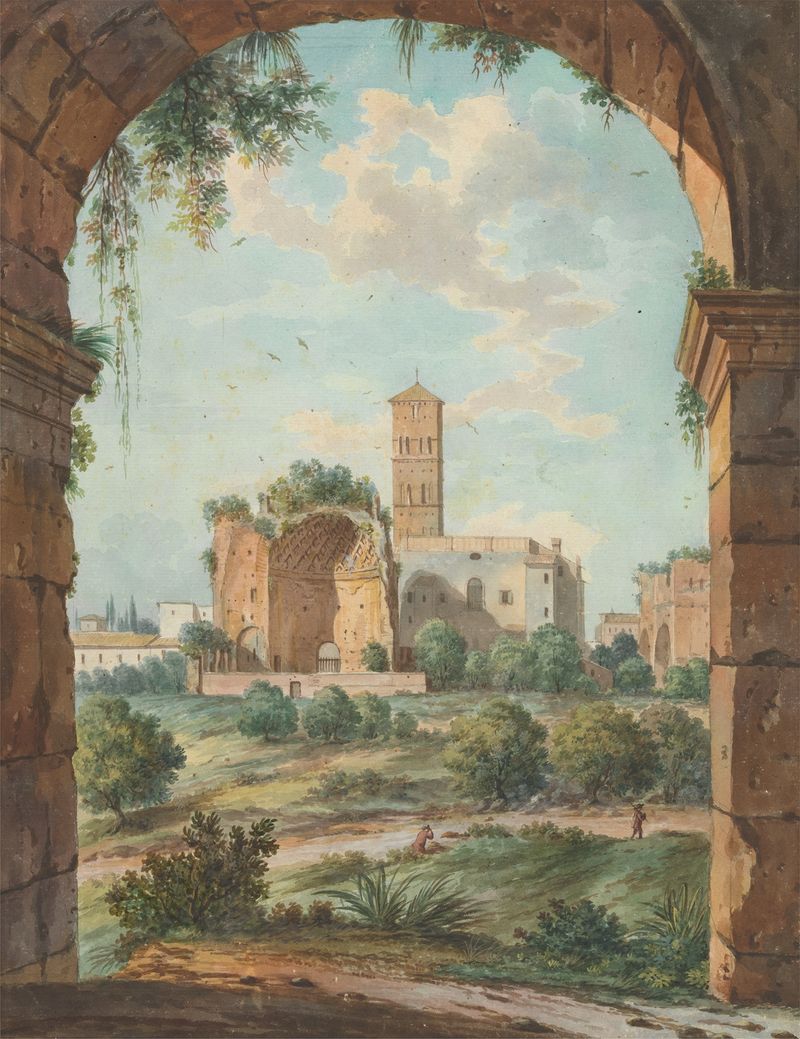
Rome with Ruins seen Through an Archway
Willey Reveley
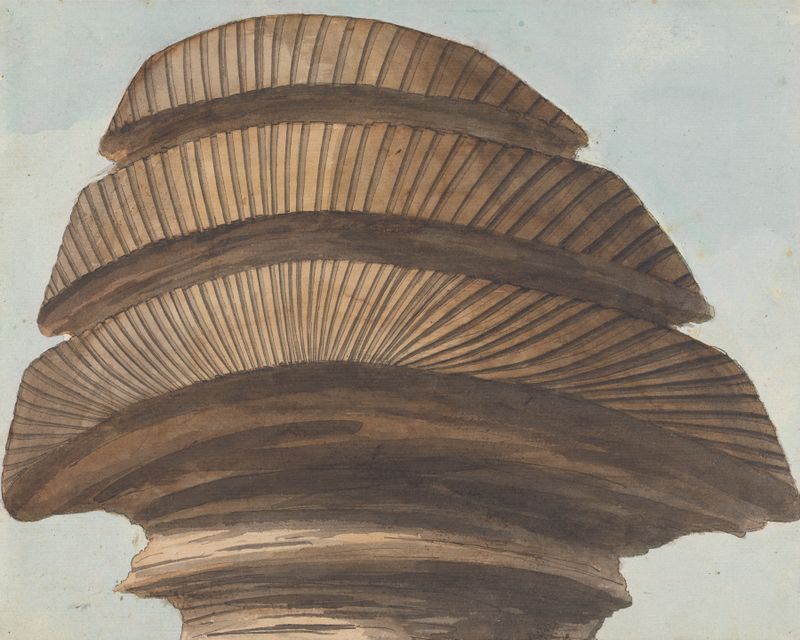
Back View of the Head of the Sphinx
Willey Reveley
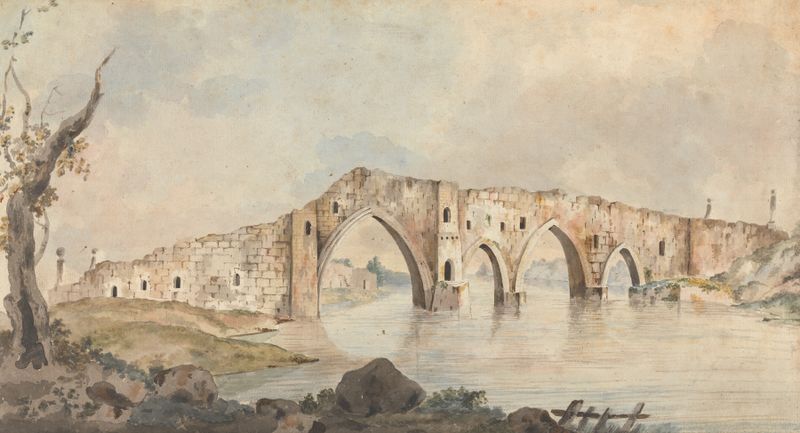
Ruined Bridge with Four Pointed Arches Near Rome
Willey Reveley
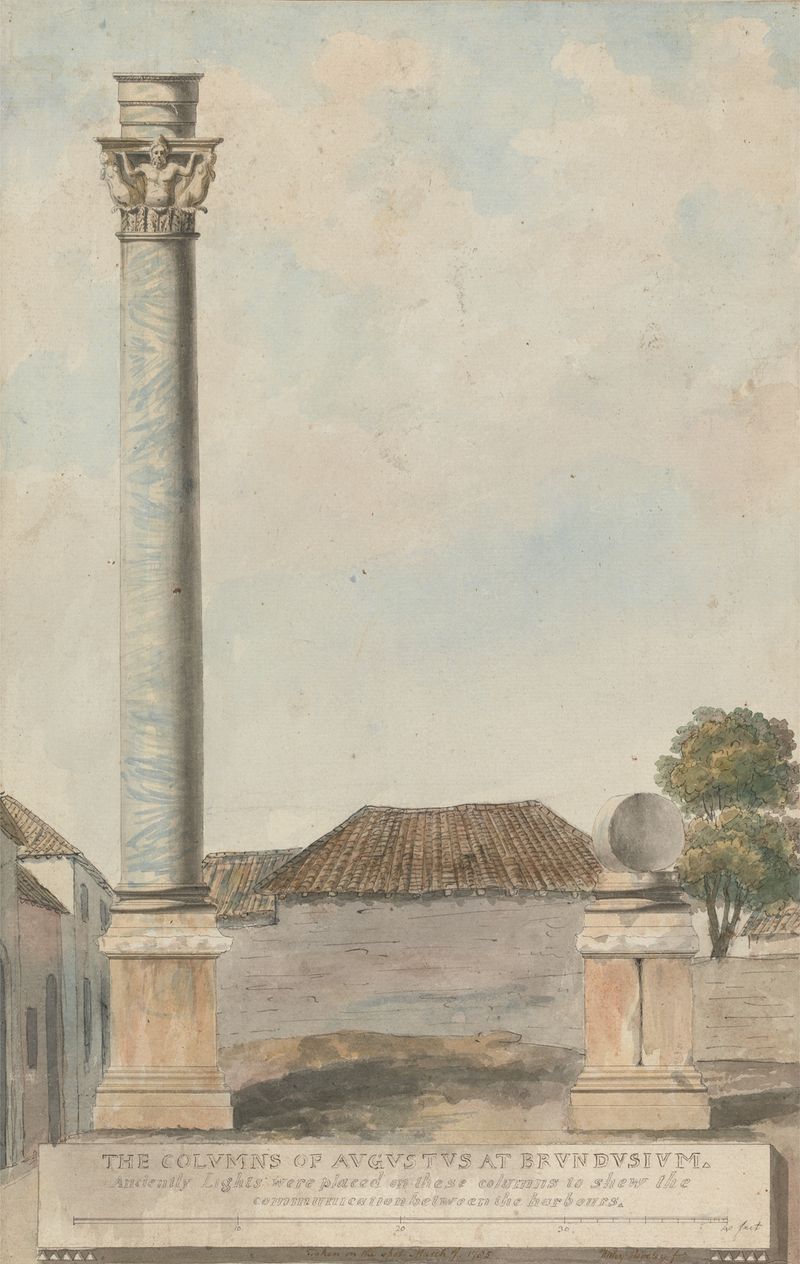
The Columns of Augustus at Brundisium
Willey Reveley
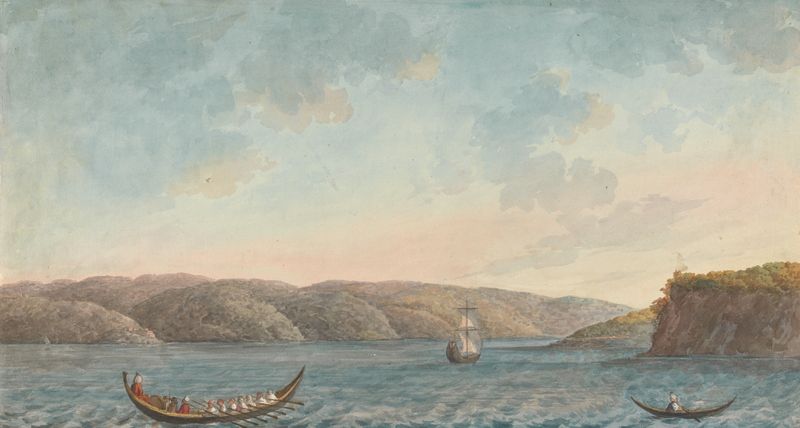
Two Rowing Boats and a Sailboat by a Steep Cliff, Hilly Landscape Seen From the Sea
Willey Reveley





