
Back View of the Head of the Sphinx — History & Facts
In a world filled with fleeting moments, how do we capture the essence of enduring faith? Are we ready to embrace the silence that speaks volumes? Look to the left at the subtle contours of the Sphinx’s head, where centuries of erosion have left their mark, yet the majesty remains unyielding. The rich palette of earth tones emphasizes the stone’s texture, while the play of light casts delicate shadows that draw attention to the timeless features. Notice how the artist skillfully renders the back view, inviting contemplation rather than direct gaze, suggesting a quiet strength and resolve. Hidden beneath the surface lies a narrative steeped in mystery and reverence.
The choice to depict the Sphinx from behind evokes a sense of distance, as if the viewer is peering into history rather than confronting it directly. This anonymity becomes a metaphor for faith itself—often intangible, felt more than seen, and universal in its essence. The juxtaposition of the solid form against the vast, empty space around it challenges us to reflect on what remains when the tangible fades away. Willey Reveley painted this work in 1785 while living in England, far removed from the ancient sands of Egypt that inspired him.
At this time, the Western world was captivated by exploration and exoticism, as the Enlightenment sparked a thirst for knowledge about distant cultures. Reveley's depiction not only captures the physicality of the Sphinx as a monumental artifact but also embodies a broader quest to understand the significance of history, faith, and the enduring legacy of civilization itself.
More Artworks by Willey Reveley
Browse all →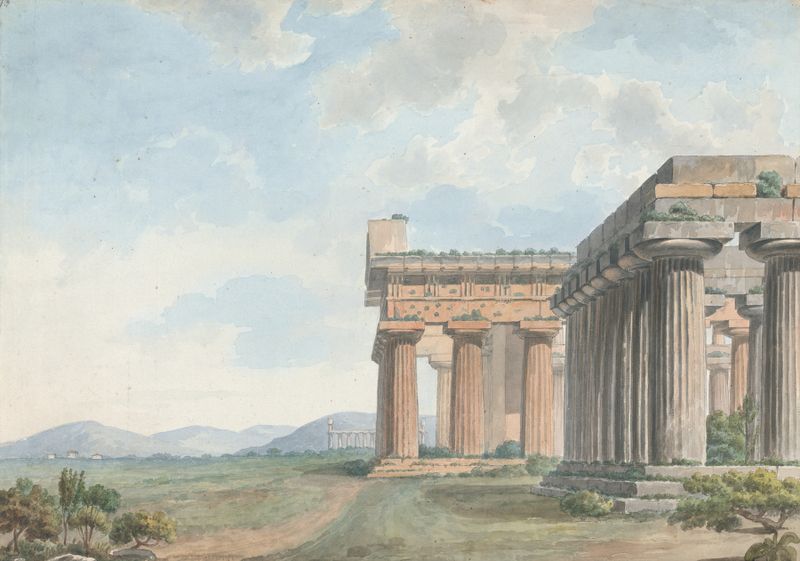
Temple Ruins at Paestum
Willey Reveley
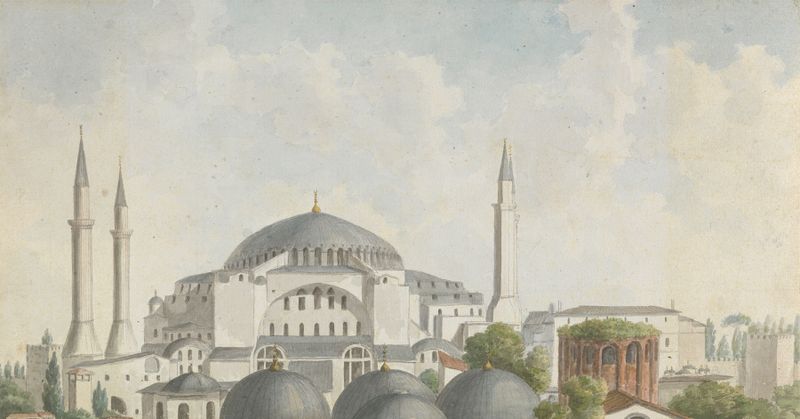
View of the domes and spires of Hagia Sophia, Istanbul
Willey Reveley
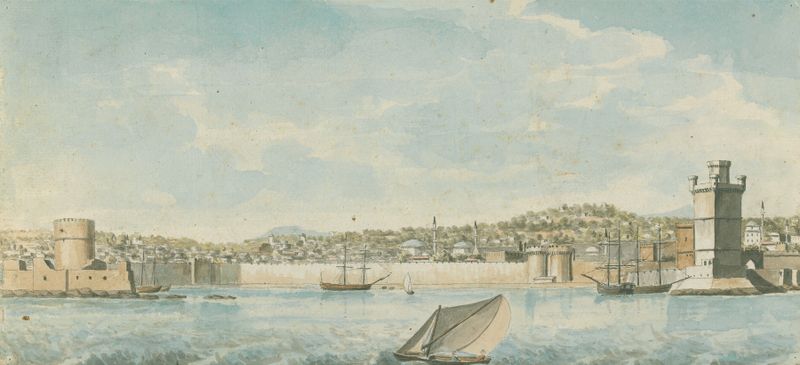
View of a Walled Town and Harbour with Towers Seen From the Sea
Willey Reveley
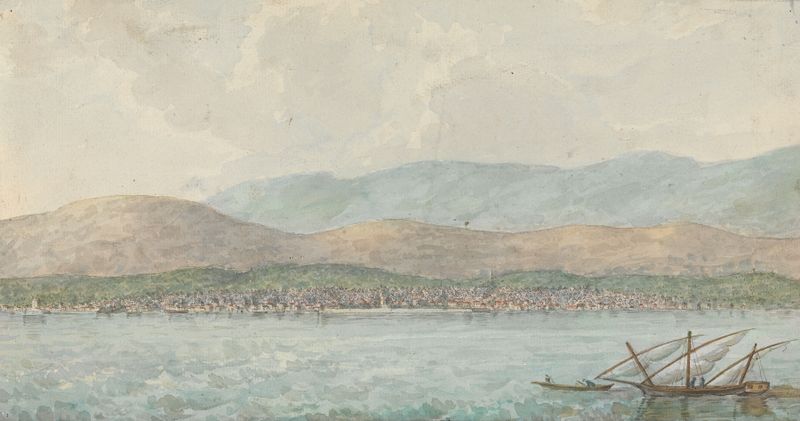
View of a Harbour and Town From the Sea, Turkey
Willey Reveley
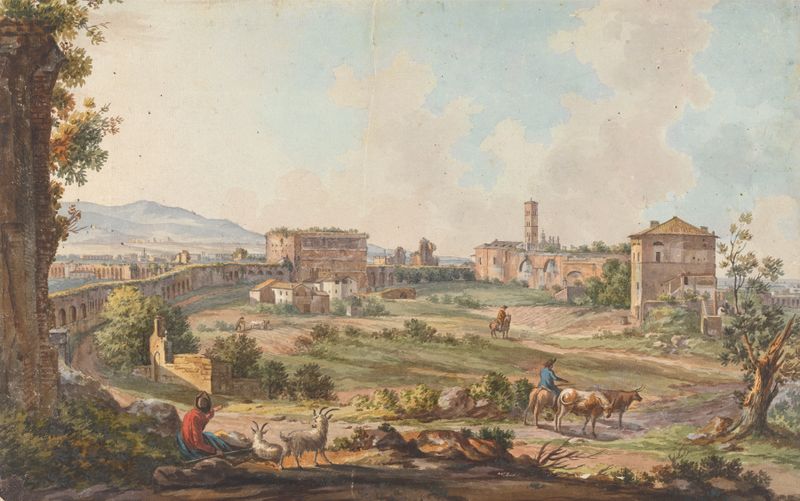
Ruins in Rome with Goats, Cows and Herdsmen
Willey Reveley
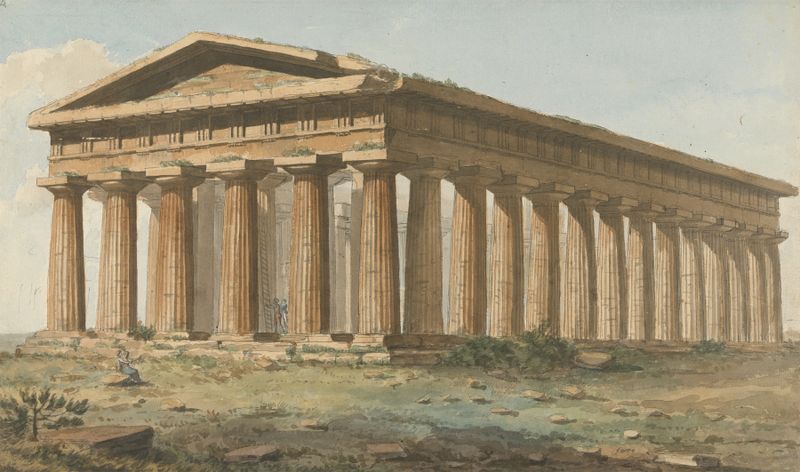
Paestum
Willey Reveley
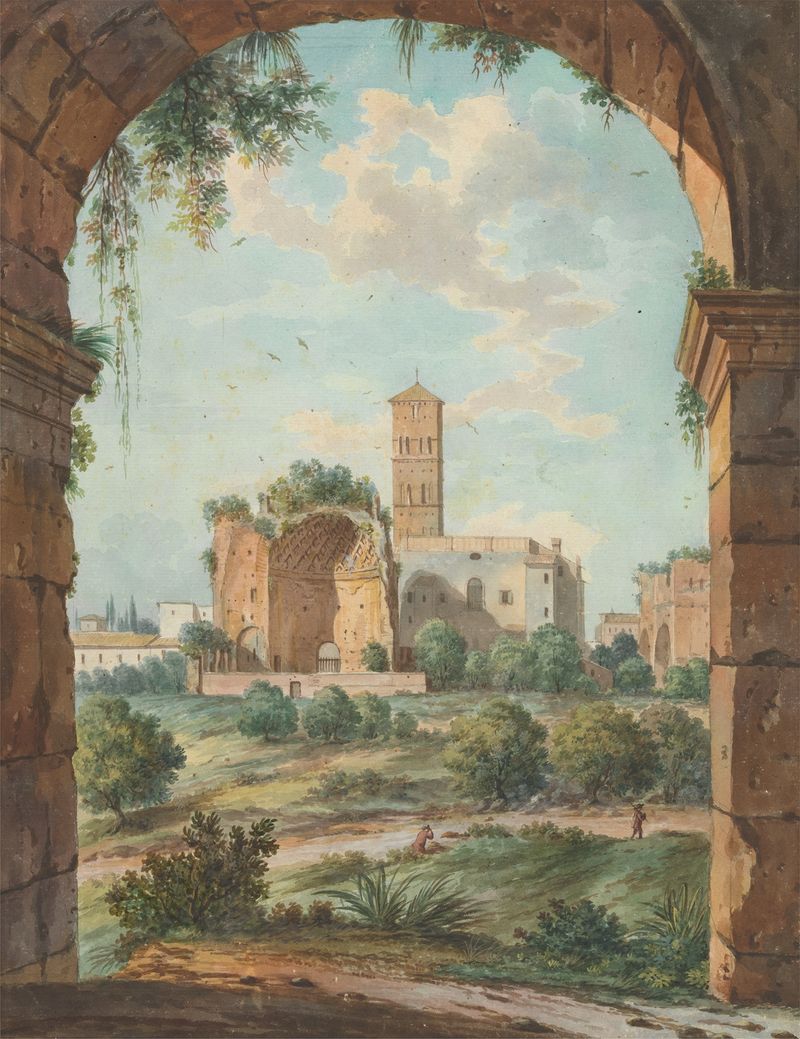
Rome with Ruins seen Through an Archway
Willey Reveley
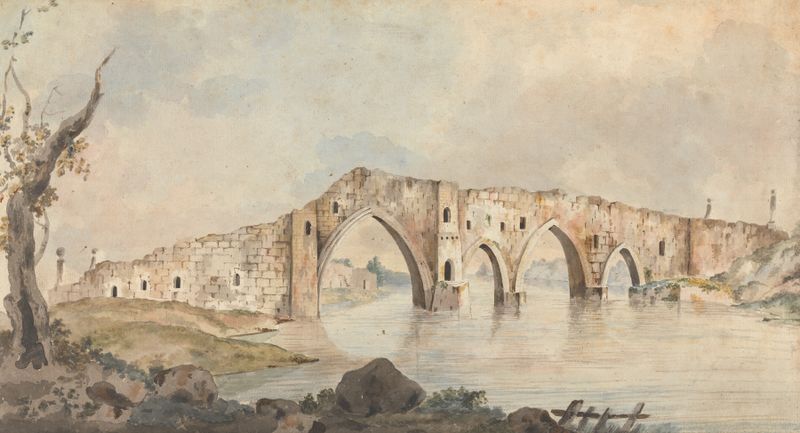
Ruined Bridge with Four Pointed Arches Near Rome
Willey Reveley
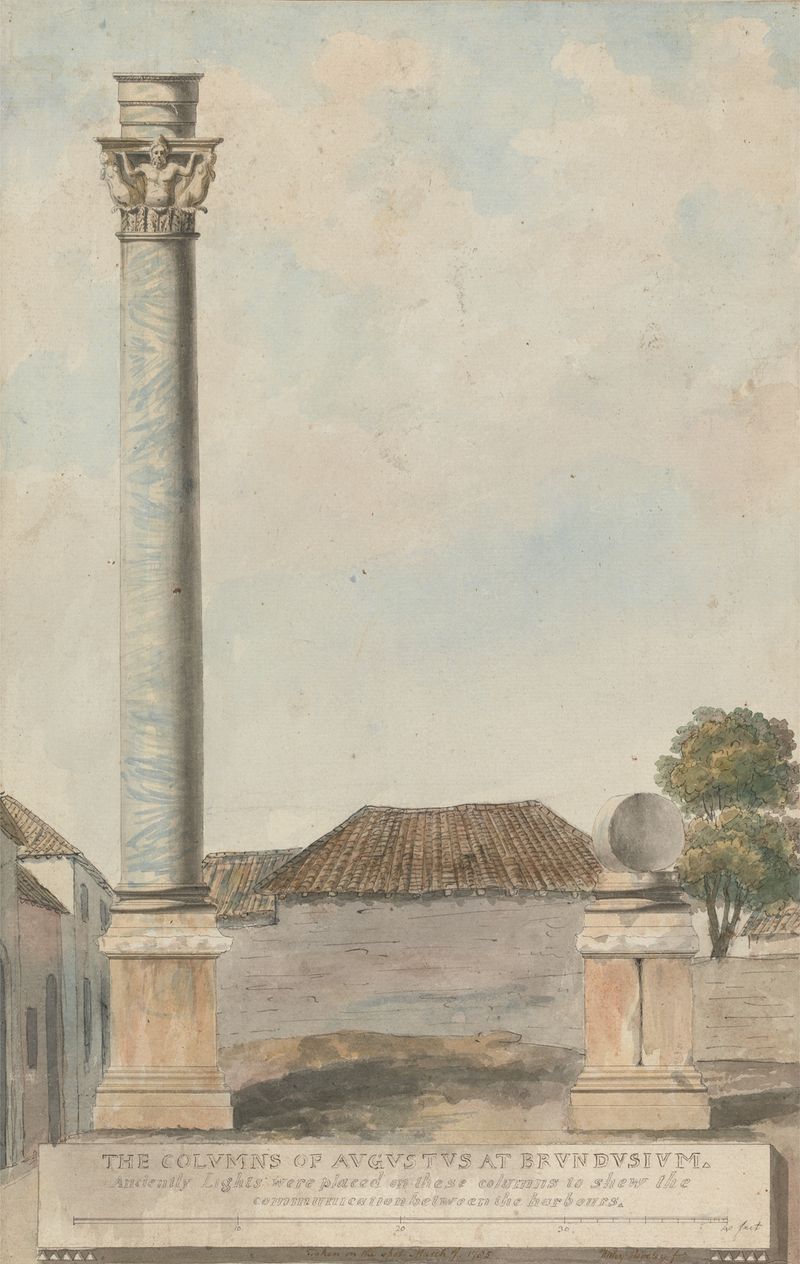
The Columns of Augustus at Brundisium
Willey Reveley
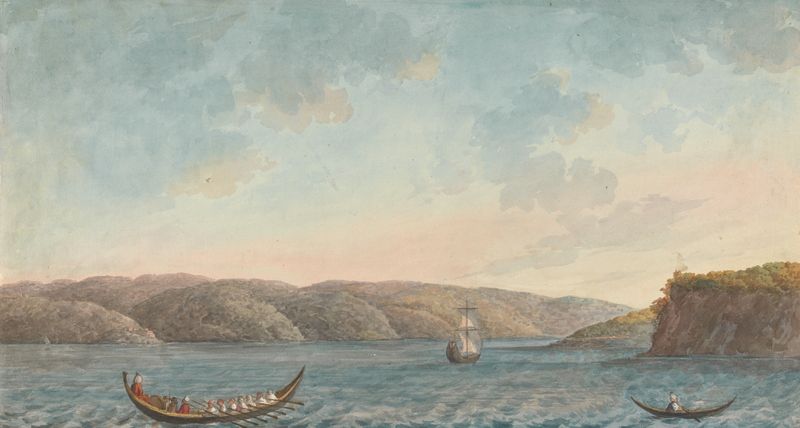
Two Rowing Boats and a Sailboat by a Steep Cliff, Hilly Landscape Seen From the Sea
Willey Reveley
More Historical Art
Browse all →
The Night Watch Militia Company of District II under the Command of Captain Frans Banninck Cocq
Rembrandt van Rijn

Lincoln Memorial
Henry Bacon

The Third of May 1808
Francisco de Goya

Isaac and Rebecca, Known as ‘The Jewish Bride’
Rembrandt van Rijn

The Charge of the Mamelukes (1814)
Francisco de Goya

De vier ruiters van de apocalyps
Albrecht Dürer