
Temple Ruins at Paestum — History & Facts
In Temple Ruins at Paestum, ecstasy resonates through the ruins of a past that still whispers secrets to those who dare to listen. Look to the left at the towering columns, their ancient strength and weathered surfaces bathed in a warm golden light. The careful rendering of shadows dances playfully across the stones, accentuating their grandeur. Notice how the sky looms above, a soothing blue that melds harmoniously with the earthy hues of the architecture, creating a serene yet powerful contrast that draws the viewer's eye deeper into the scene. Amidst the remnants of history, emotions intertwine.
The juxtaposition of decay and beauty evokes a sense of longing, a yearning for the vitality that once inhabited these sacred spaces. The delicate interplay of light and shadow signifies not just time’s passage but also the joy and melancholy that linger in such monumental places. Each element tells a story, capturing both the ecstasy of creation and the inevitable decline that follows. Willey Reveley painted this work in 1785 while residing in Italy, a pivotal time when neoclassicism flourished.
Influenced by the grandeur of Roman architecture, he sought to capture the sublime beauty of ancient ruins, symbolizing the cultural revival of classical ideas amidst the Enlightenment. This period marked a profound exploration of art, as artists were fascinated by the relationship between nature, history, and human experience.
More Artworks by Willey Reveley
Browse all →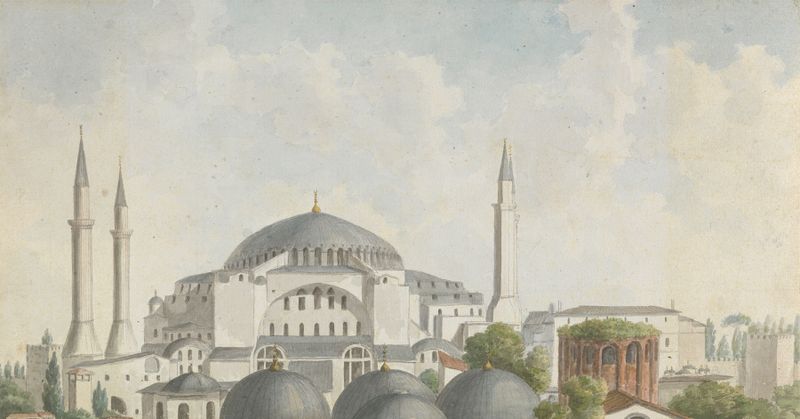
View of the domes and spires of Hagia Sophia, Istanbul
Willey Reveley
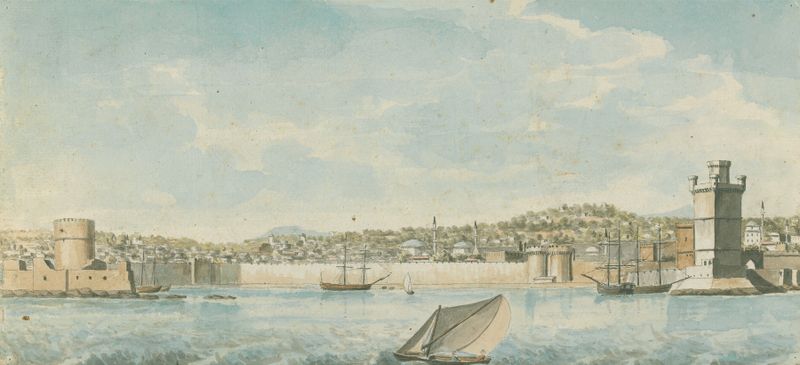
View of a Walled Town and Harbour with Towers Seen From the Sea
Willey Reveley
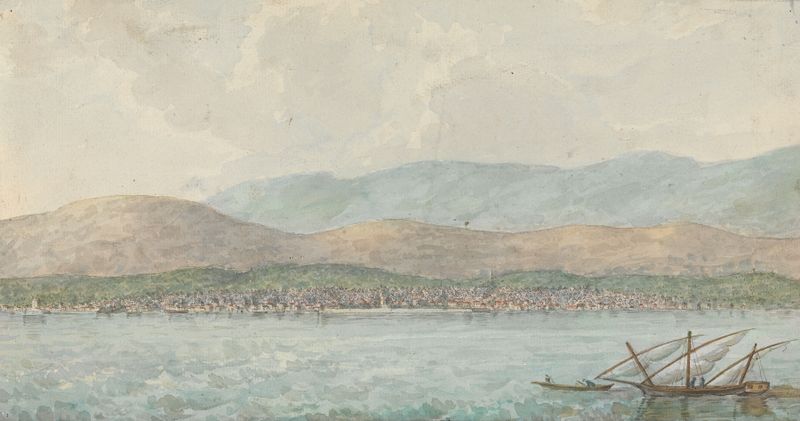
View of a Harbour and Town From the Sea, Turkey
Willey Reveley
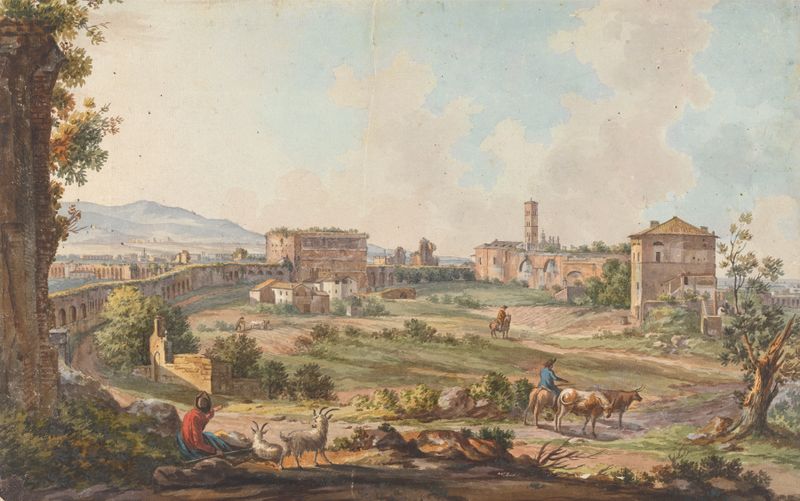
Ruins in Rome with Goats, Cows and Herdsmen
Willey Reveley
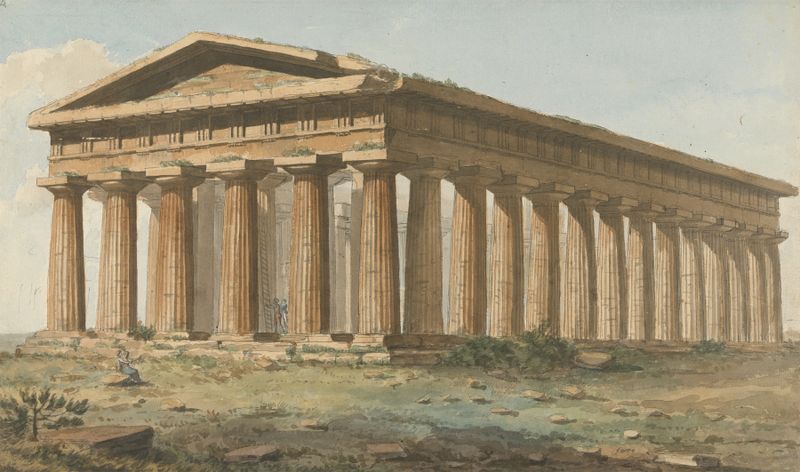
Paestum
Willey Reveley
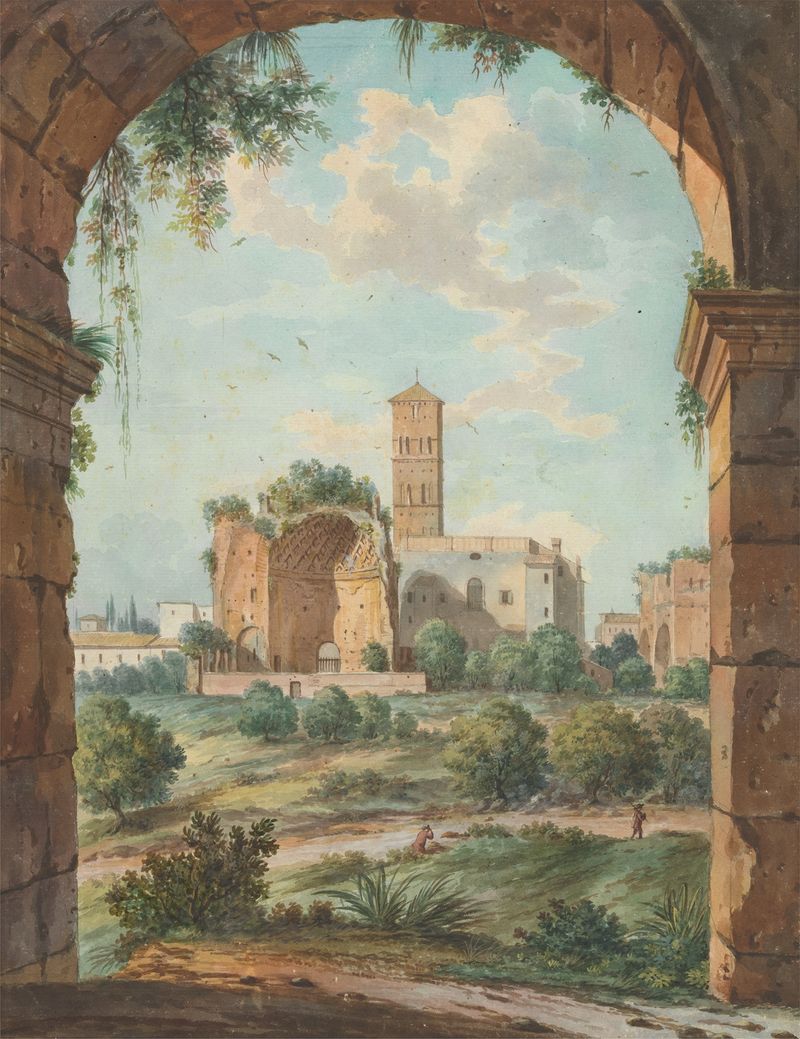
Rome with Ruins seen Through an Archway
Willey Reveley
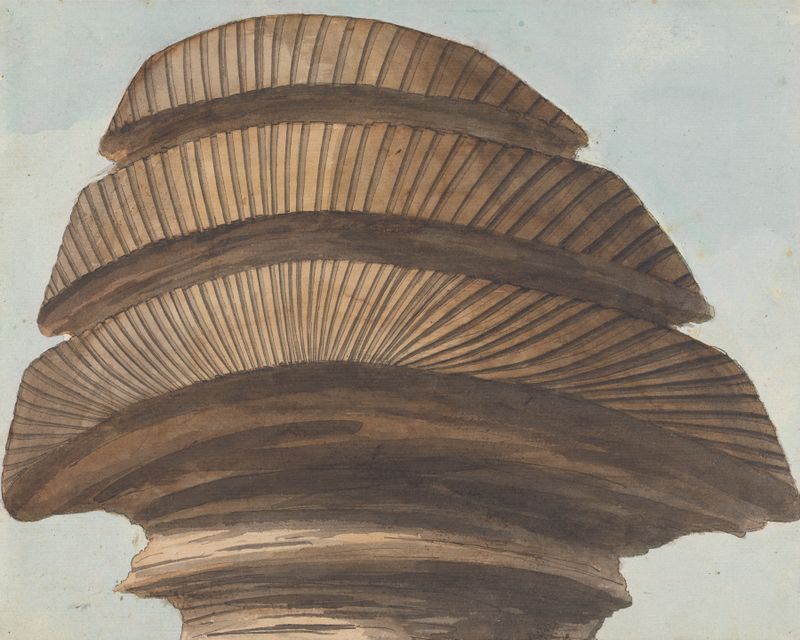
Back View of the Head of the Sphinx
Willey Reveley
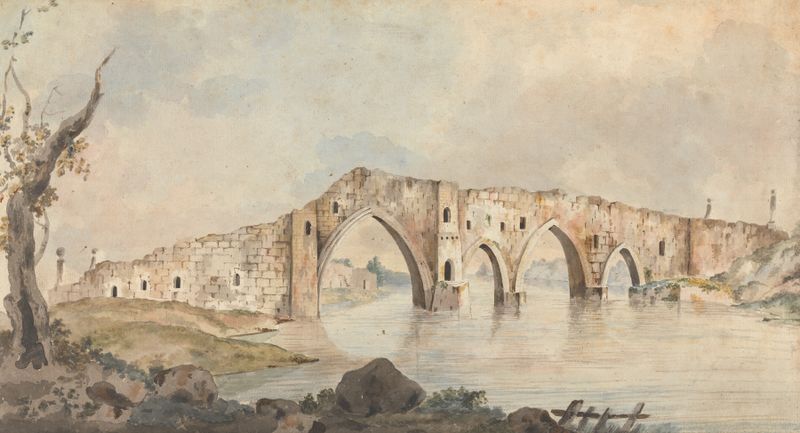
Ruined Bridge with Four Pointed Arches Near Rome
Willey Reveley
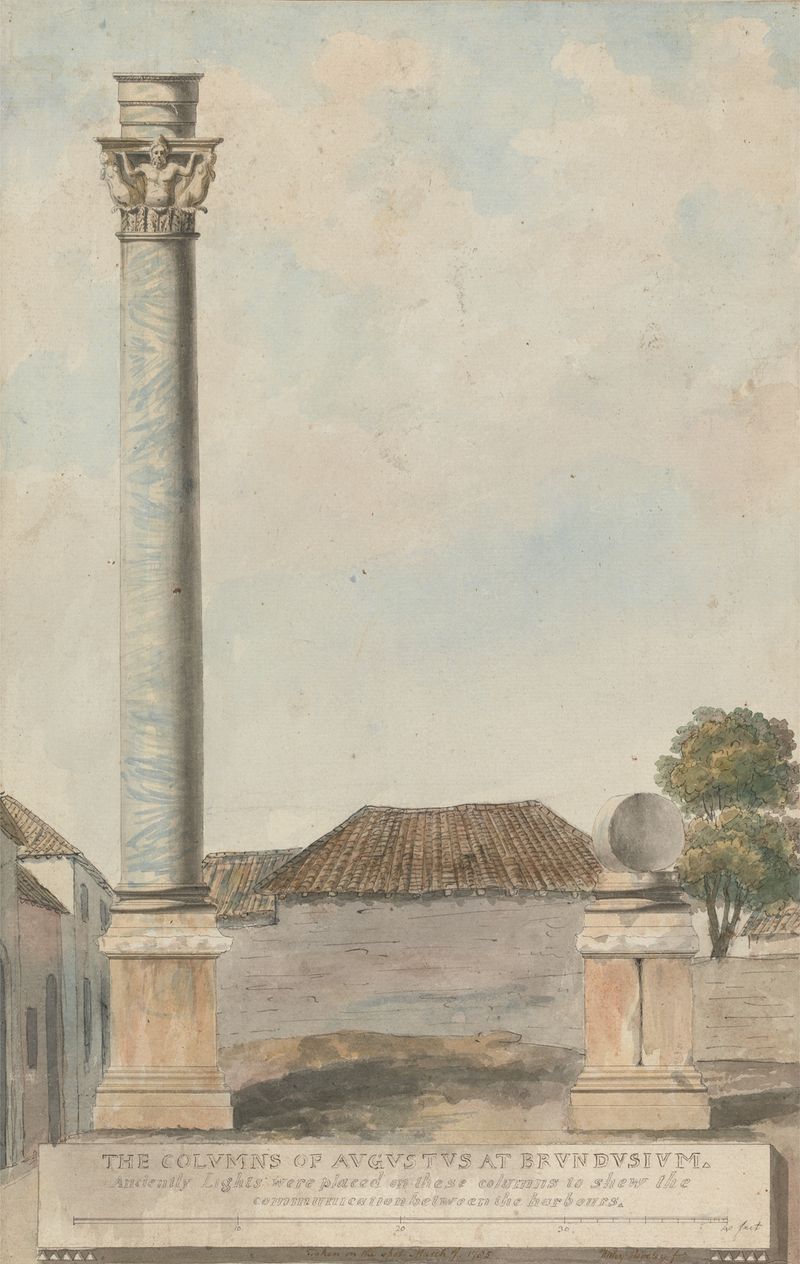
The Columns of Augustus at Brundisium
Willey Reveley
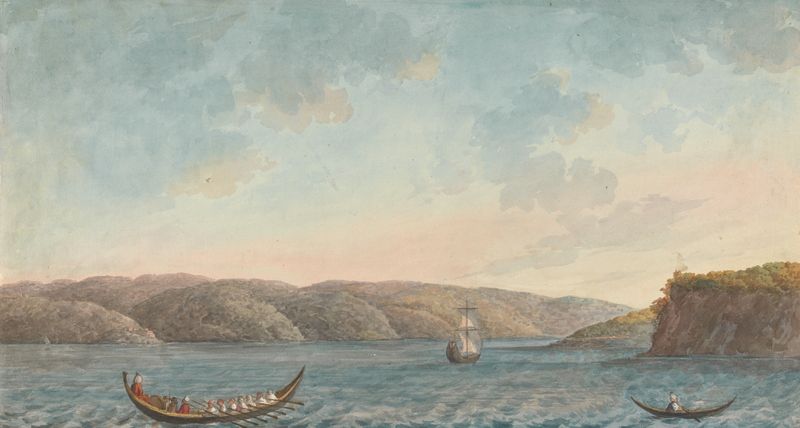
Two Rowing Boats and a Sailboat by a Steep Cliff, Hilly Landscape Seen From the Sea
Willey Reveley
More Architecture Art
Browse all →
The statue of Liberty
Frédéric Auguste Bartholdi

View of Houses in Delft, Known as ‘The Little Street’
Johannes Vermeer

View of Houses in Delft, Known as ‘The Little Street’
Johannes Vermeer

The Cathedral in Rouen. The portal, Grey Weather
Claude Monet

The yellow house
Vincent van Gogh

The Church in Auvers-sur-Oise, View from the Chevet
Vincent van Gogh