
Paimpol, Le Fanny Crossfield — History & Facts
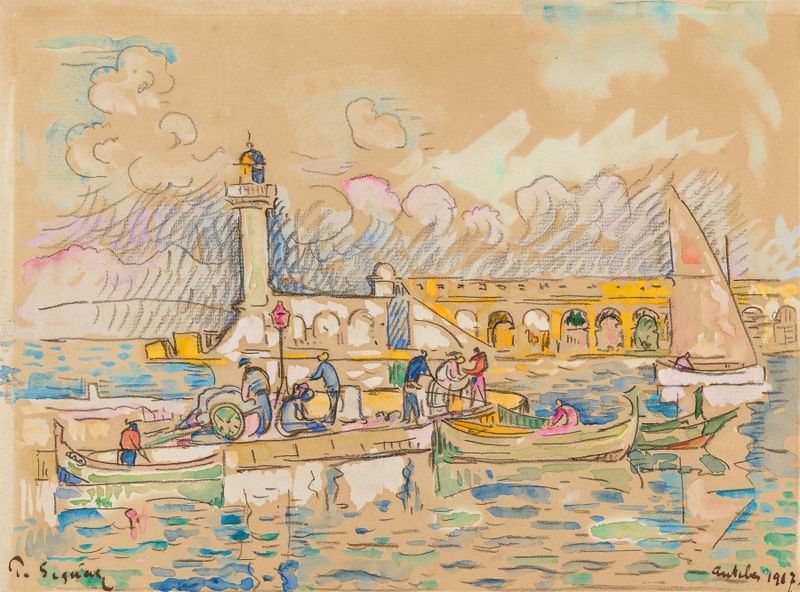
Could beauty survive in a century of chaos? This question echoes through the canvas, inviting contemplation of a world where harmony and tumult exist side by side, and where glimpses of divinity can emerge from the most unexpected places. As you explore the painting, look to the left at the gentle curves of the coastline, where the vivid blues of the sea mingle with the warm ochres of the sand. Notice how the interplay of light dances across the surface, creating a shimmering effect that draws the eye toward the small boat bobbing in the water. The brushstrokes, executed with a vibrant pointillism technique, invite a tactile sensation, each dot a moment of connection to the surrounding atmosphere. Delve deeper into the composition, where the vibrant palette contrasts with the subdued forms of distant hills, eliciting a sense of longing.
The juxtaposition of human presence against nature evokes a dialogue of vulnerability and fortitude. This scene, while tranquil, is imbued with an undercurrent of tension: the soft beauty of the moment suggests a fragile peace, teetering on the brink of disruption. The peek into daily life here becomes a meditation on the divine in the mundane. During the late 19th-century, as Paul Signac painted this work, he found himself deeply involved in the evolving art scene of post-impressionism.
The shift toward a more vivid color palette and innovative techniques reflected a broader cultural transformation in France, marked by the rise of modernism. Signac was influenced by his contemporaries, notably Georges Seurat, as he sought to capture the essence of light and atmosphere in his depiction of the picturesque Paimpol.
More Artworks by Paul Signac
Browse all →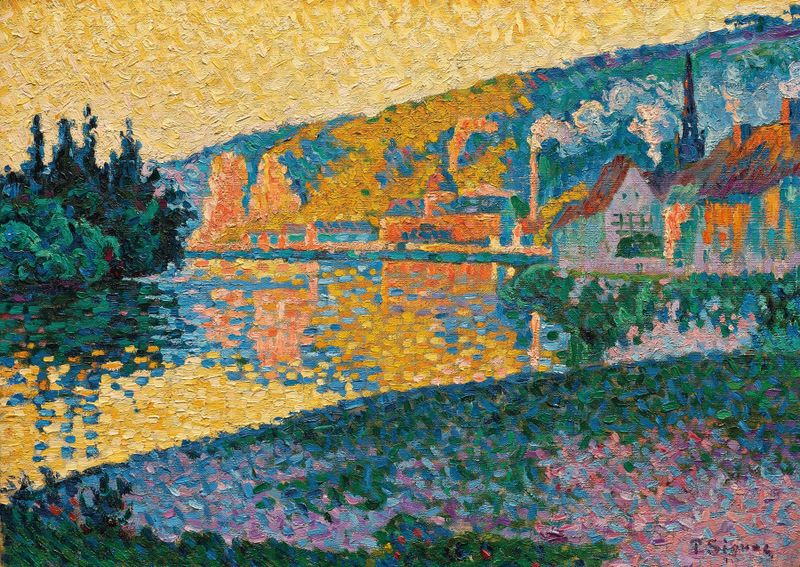
Les Andelys. Soleil couchant
Paul Signac
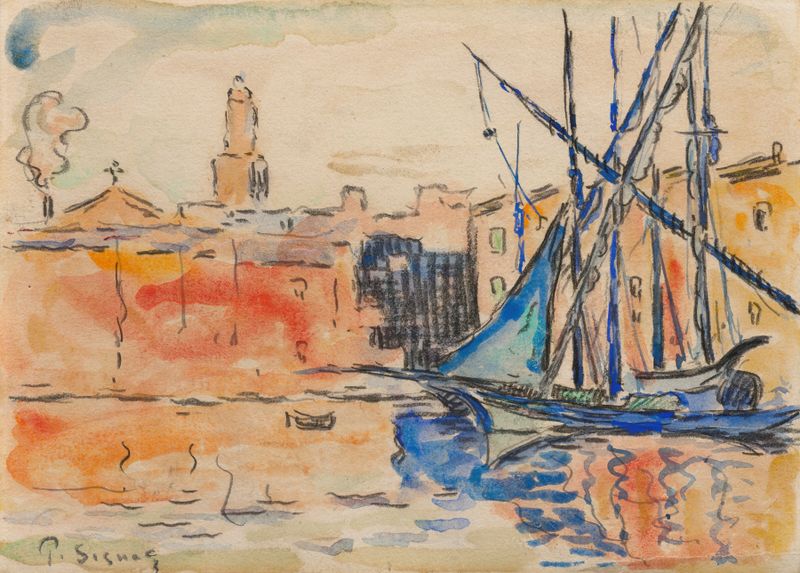
Saint-Tropez, le port
Paul Signac
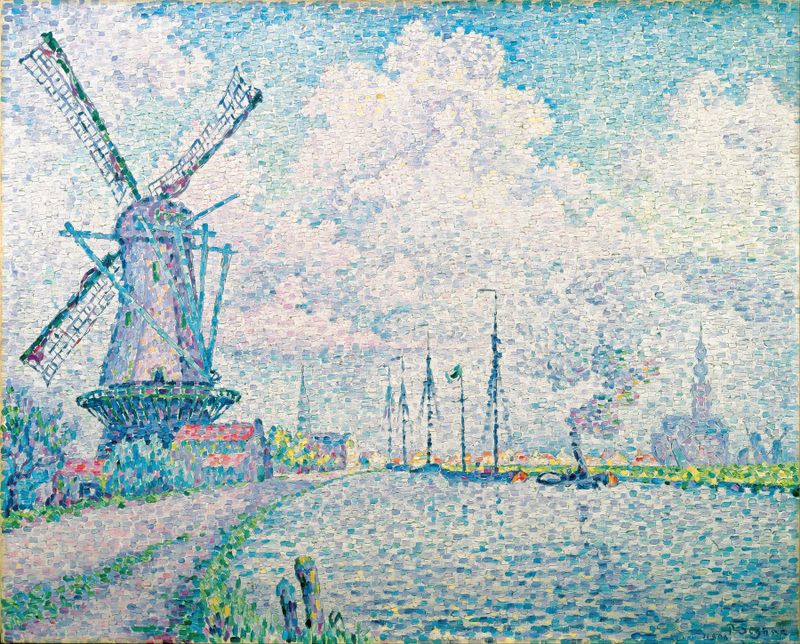
Canal of Overschie
Paul Signac
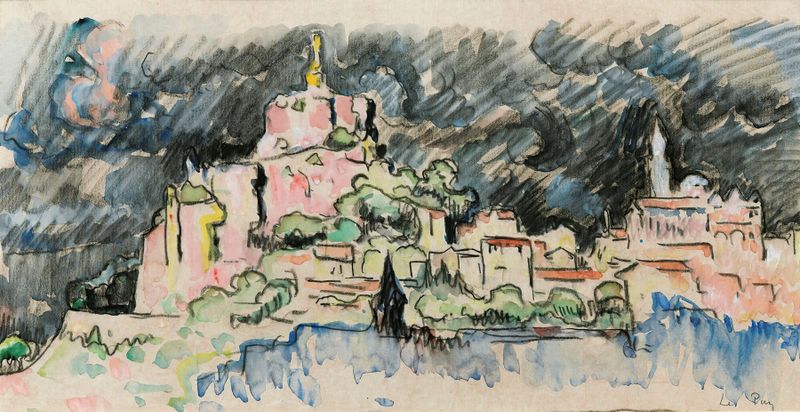
Le Puy-En-Velay, Ciel D’orage
Paul Signac
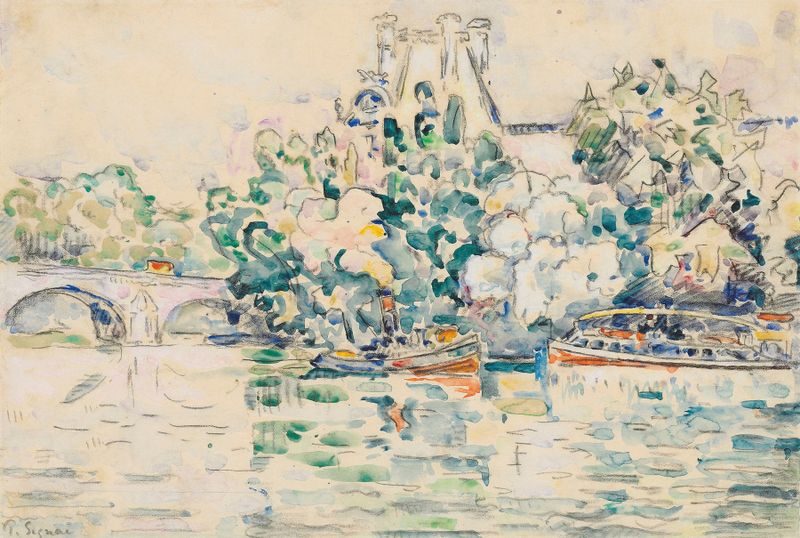
Paris, La Seine au Pont-Royal
Paul Signac
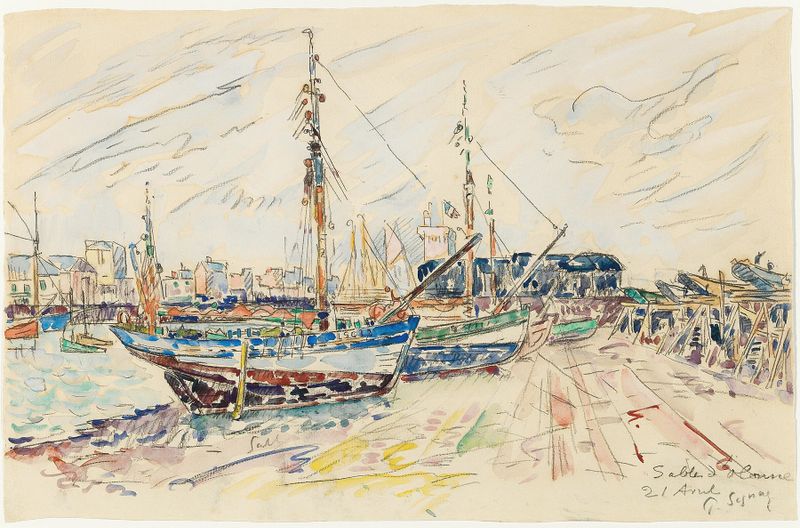
Sables d’Olonne
Paul Signac
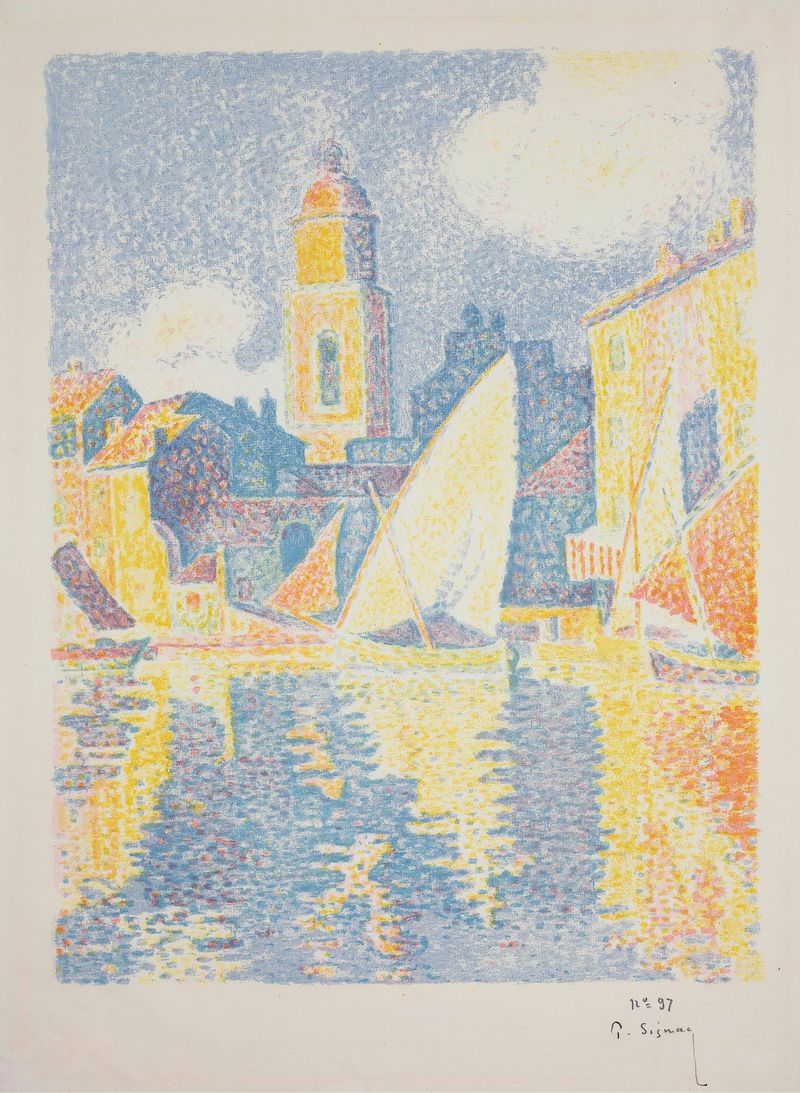
The Port of St. Tropez
Paul Signac
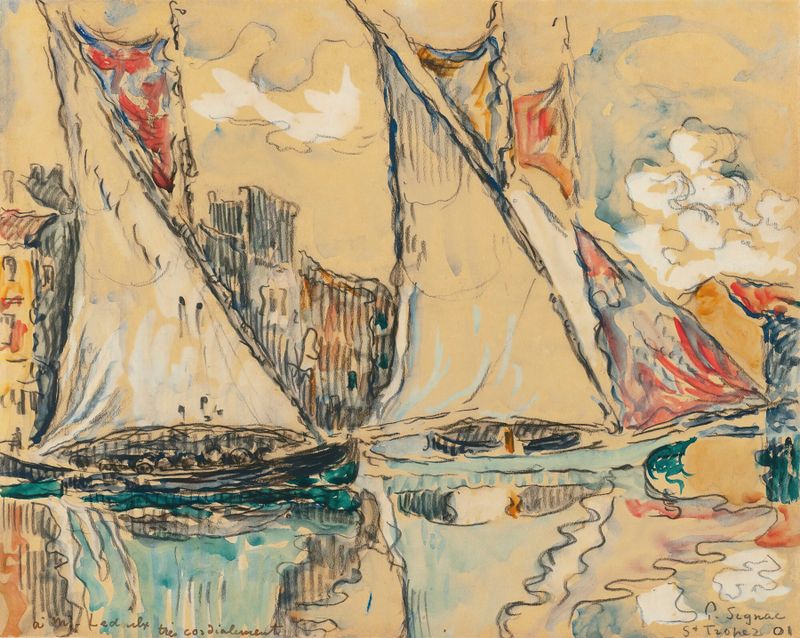
Saint-Tropez, Voiles Au Sec
Paul Signac
Antibes
Paul Signac

Saint-Tropez
Paul Signac





