painting — History & Facts
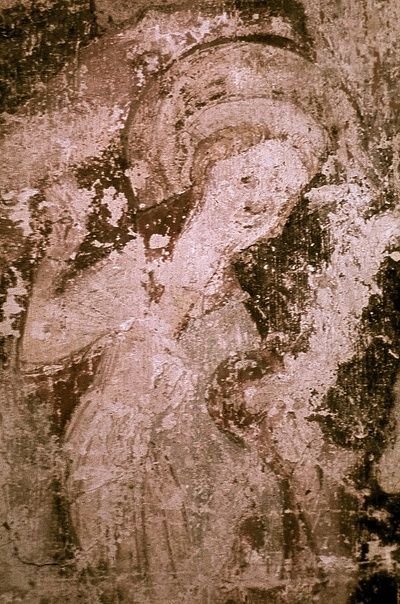
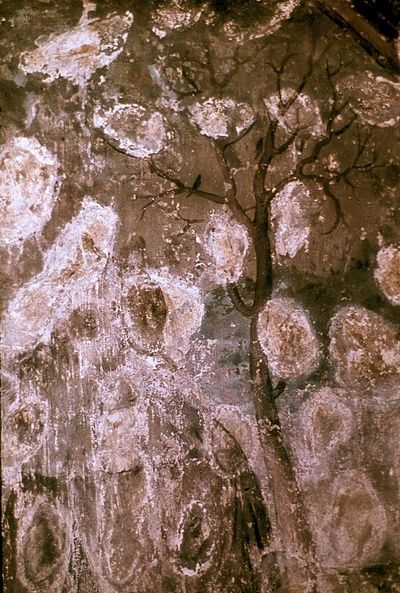
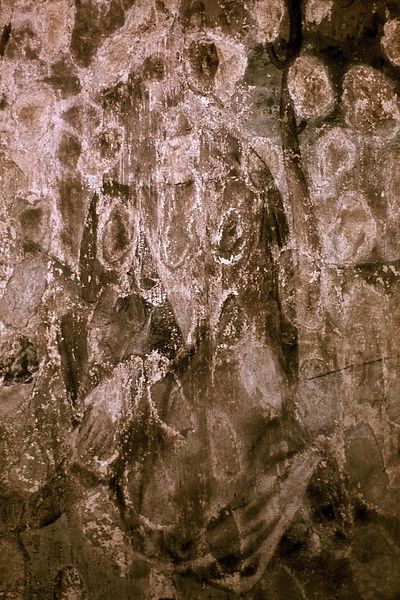
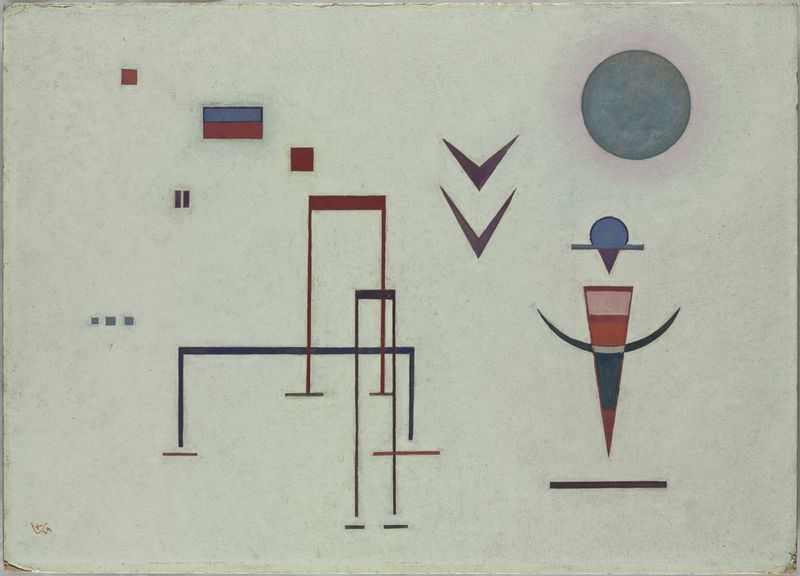
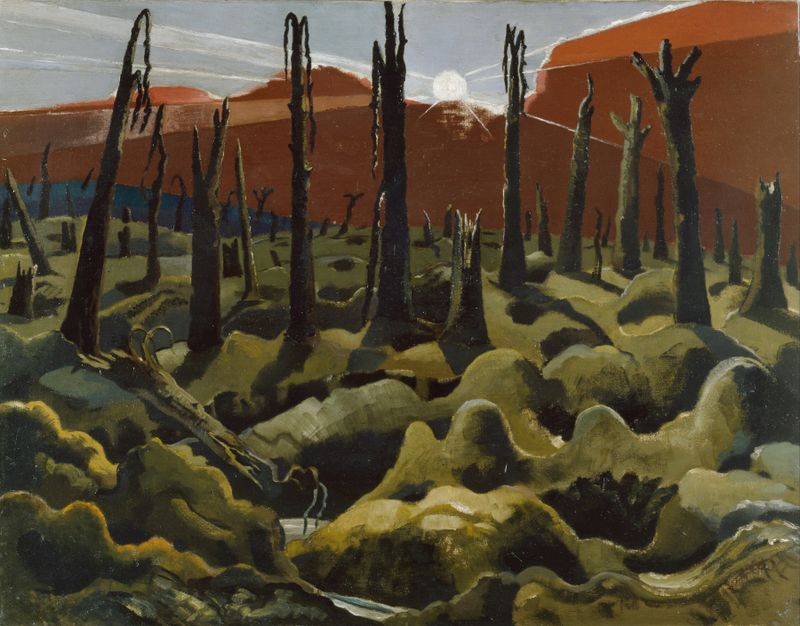
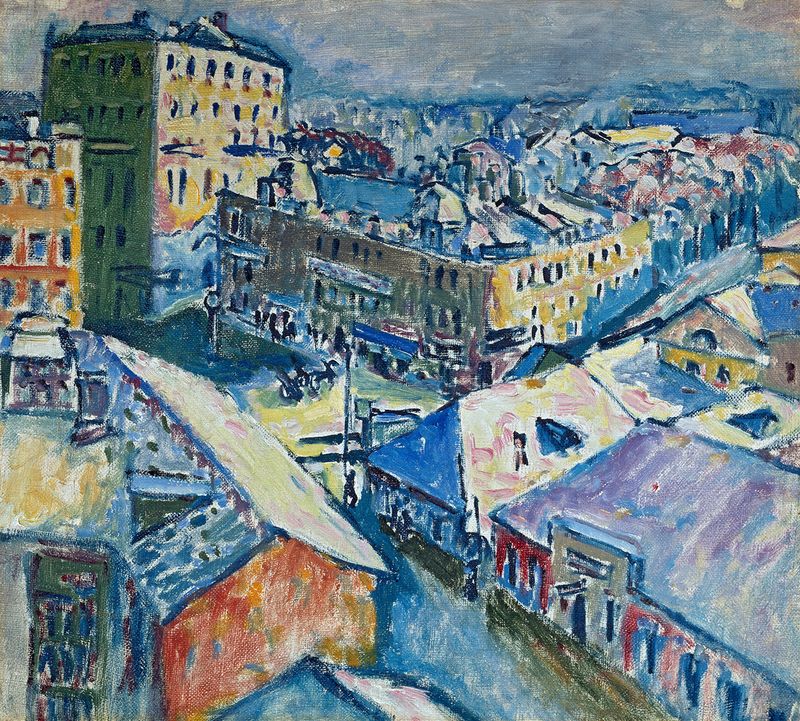
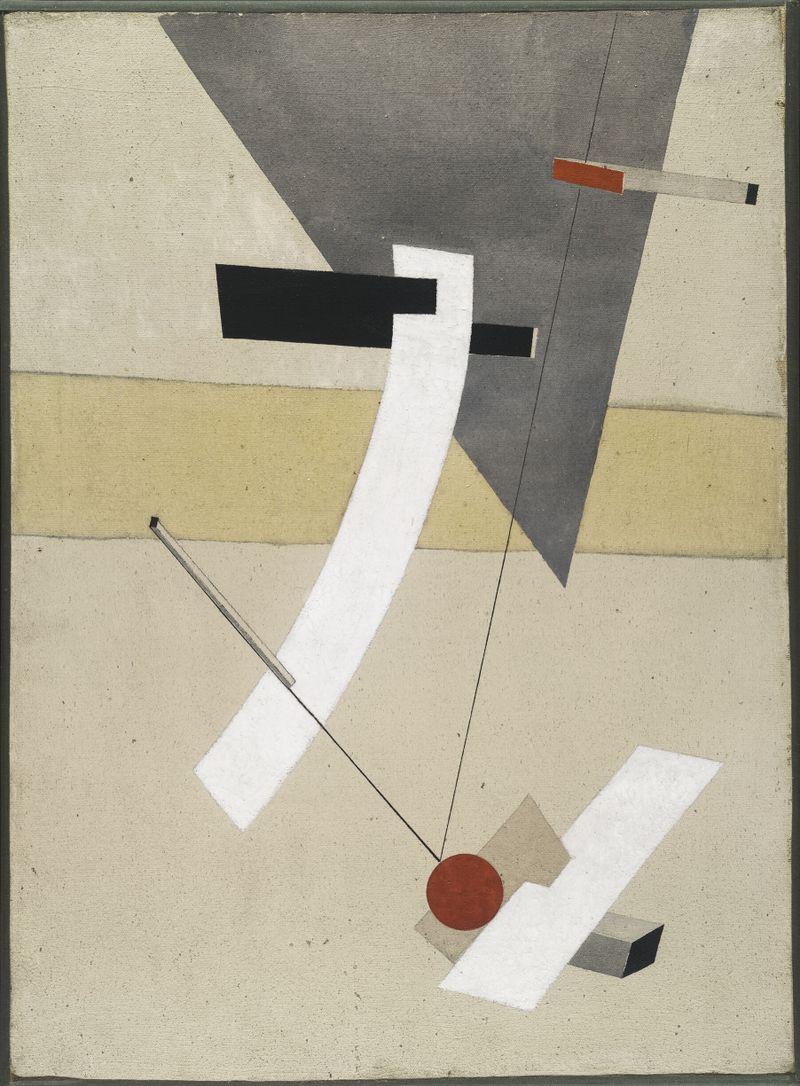
Can paint confess what words never could? In moments of loss, the brush becomes a voice, whispering the unspeakable through color and form. Look to the center of the canvas, where muted tones collide with jagged strokes, creating a sense of turmoil. The palette, dominated by deep blues and somber grays, evokes an emotional landscape that feels both familiar and haunting. Notice how the edges blur, suggesting a fading memory or an unresolved feeling, while stark contrasts pull your gaze to focal points that seem to plead for acknowledgement.
The varied textures invite the viewer to trace the artist's hand, revealing layers of hurt and hope. Delve deeper and you'll find echoes of absence woven throughout. The way light flickers on certain edges hints at moments of clarity amid chaos, while the dissonance of color conveys a struggle between acceptance and despair. Subtle details — a lone figure or an abandoned object — suggest that even in solitude, the weight of what has been lost lingers palpably.
These elements unite to create a poignant reflection on the fragility of existence, where grief and beauty coexist. Wolf Voigt created this artwork during a period marked by personal and societal upheaval, though the specific date remains elusive. The artist sought to explore the complexities of human emotion at a time when art began to shift towards expressing internal experiences, drawing on the collective turmoil of an ever-changing world. In this context, the painting emerges as a silent yet powerful testament to the universality of loss.