Paisaje (Landscape) — History & Facts
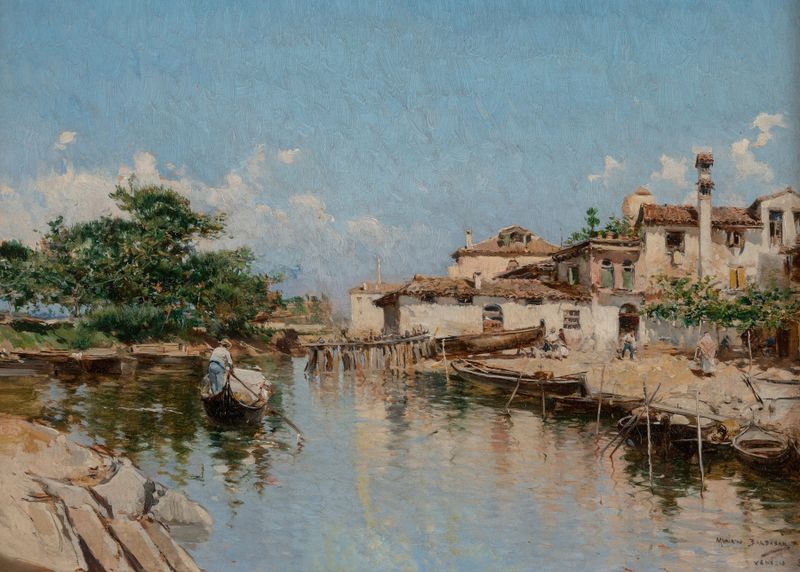
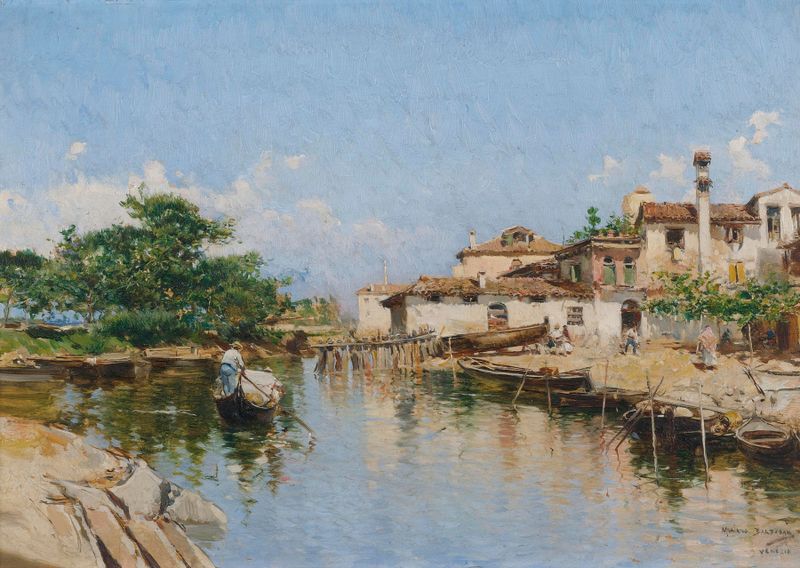
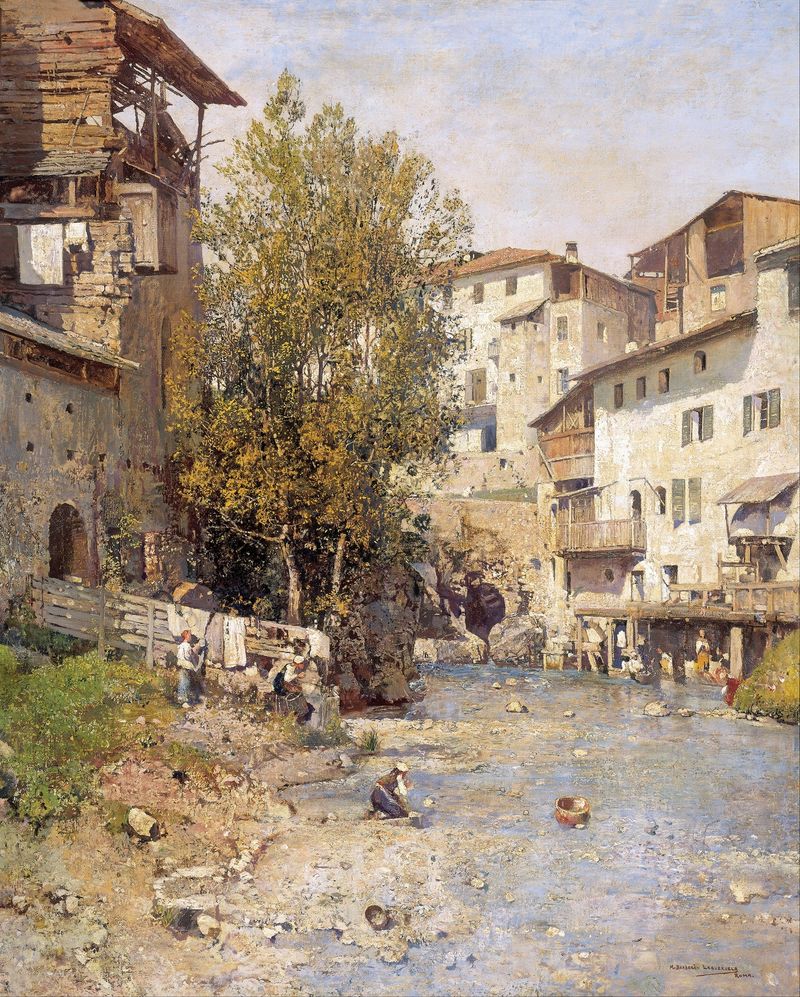
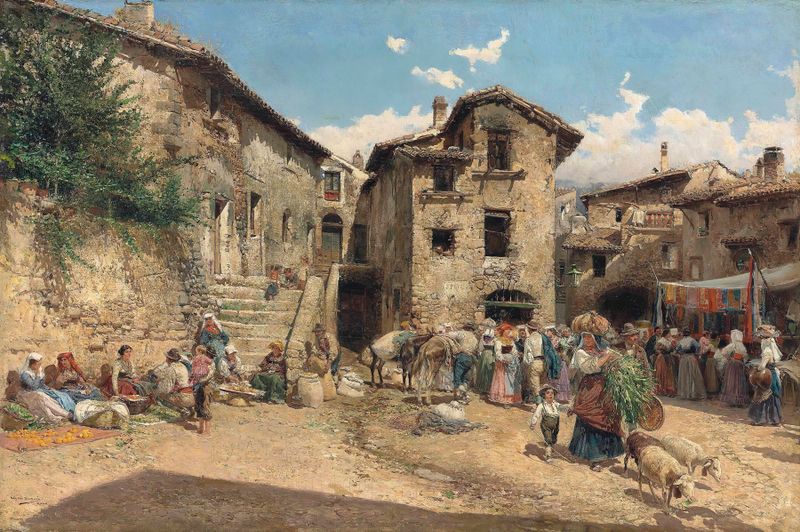
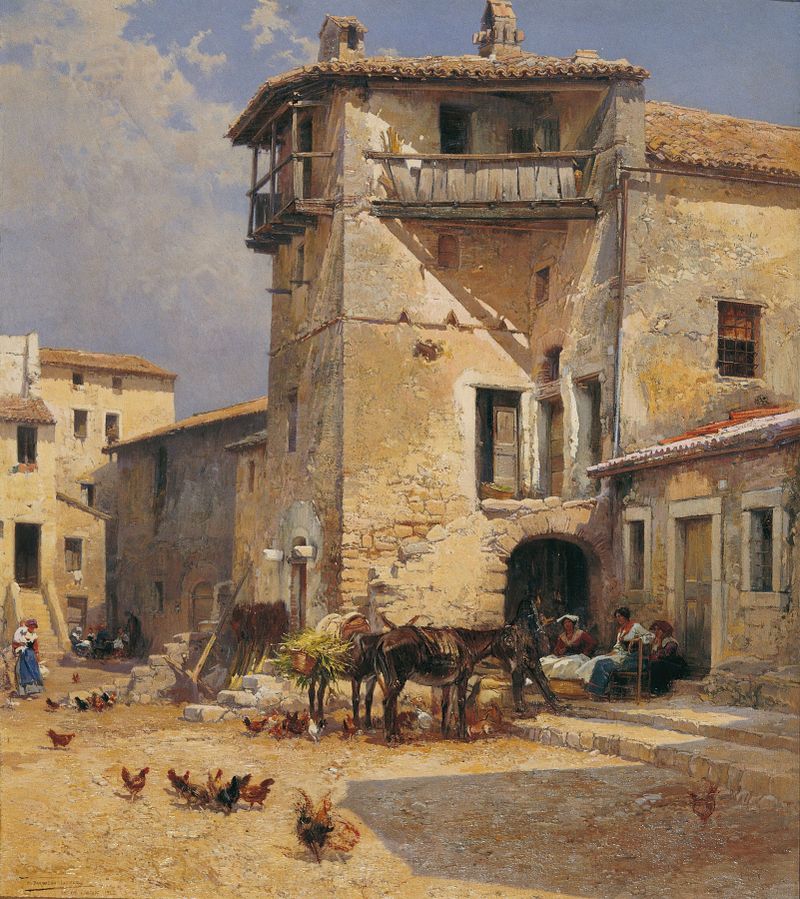
In Paisaje, Mariano Barbasán encapsulates the sublime beauty of nature, inviting viewers to pause and ponder the world around them. Look to the lower left, where verdant fields unfurl in rich, earthy greens, intertwining with dappled sunlight that dances across the landscape. The horizon, a gentle sweep of ochre and azure, draws the eye upward, evoking the vastness of the sky. Notice how the textured strokes create a vivid sensation of wind whispering through the grass, while the interplay of light subtly frames the scene, lending it an ethereal quality.
Each element is meticulously crafted, inviting the viewer to explore the depth and tranquility of nature's embrace. As you delve deeper, consider the contrasts that emerge: the stillness of the landscape against the undercurrent of emotion that permeates the work. The tranquil beauty masks an inherent longing; perhaps a reflection of Barbasán's own yearnings, or a broader commentary on the fleeting nature of beauty itself. The juxtaposition of bright sunlight and shadow serves as a reminder of the duality of existence, capturing both the serenity and the transient moments that define our lives. In 1912, Barbasán was navigating a transformative period in his career, having spent significant time in Spain's cultural milieu.
Influenced by contemporary movements that embraced naturalism and emotional expression, he painted Paisaje during a time of personal introspection. The world was on the brink of upheaval, and through his art, he sought solace and connection to the beauty that remained amidst the chaos.