
Paisley Abbey — History & Facts
Could a single brushstroke hold eternity? In Paisley Abbey, the interplay of light and shadow hints at whispers of betrayal echoing through time, suggesting that history is never as simple as it seems. Look to the left at the intricate archway, where rich hues of deep blues and muted browns intertwine. The artist’s deft strokes capture the weathered stone, its textures almost palpable. Notice how the soft golden light creeps in from the right, illuminating the details of the abbey’s façade, creating a stark contrast against the shadowed recesses that conceal untold stories.
The composition draws the eye upward, inviting contemplation of both the architectural majesty and the evanescent beauty of the moment. Amidst the grandeur, small details reveal deeper emotional currents; the delicacy of the foliage in the foreground seems to hide secrets beneath its vibrant colors. The juxtaposition of the sturdy stone structure and the fragile nature surrounding it evokes a sense of vulnerability. Here, the abbey stands as a testament to both faith and the passage of time, a reminder that even the most steadfast edifices can harbor hidden betrayals within their walls. In 1887, David Young Cameron painted this work amidst a landscape of artistic revival in Scotland, where a fascination with historical subjects was flourishing.
He was deeply influenced by the Pre-Raphaelite movement, seeking to express the intricacies of light and texture in his landscapes and architectural scenes. This period marked a pivotal moment in his career, as he explored the interplay between nature and man-made structures, capturing the essence of a place steeped in history.
More Artworks by David Young Cameron
Browse all →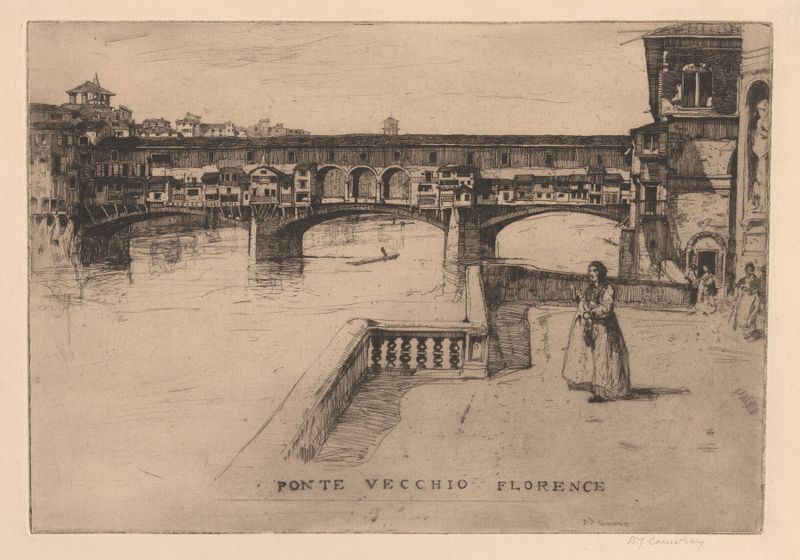
Ponte Vecchio
David Young Cameron

The Deanery, Winchester
David Young Cameron
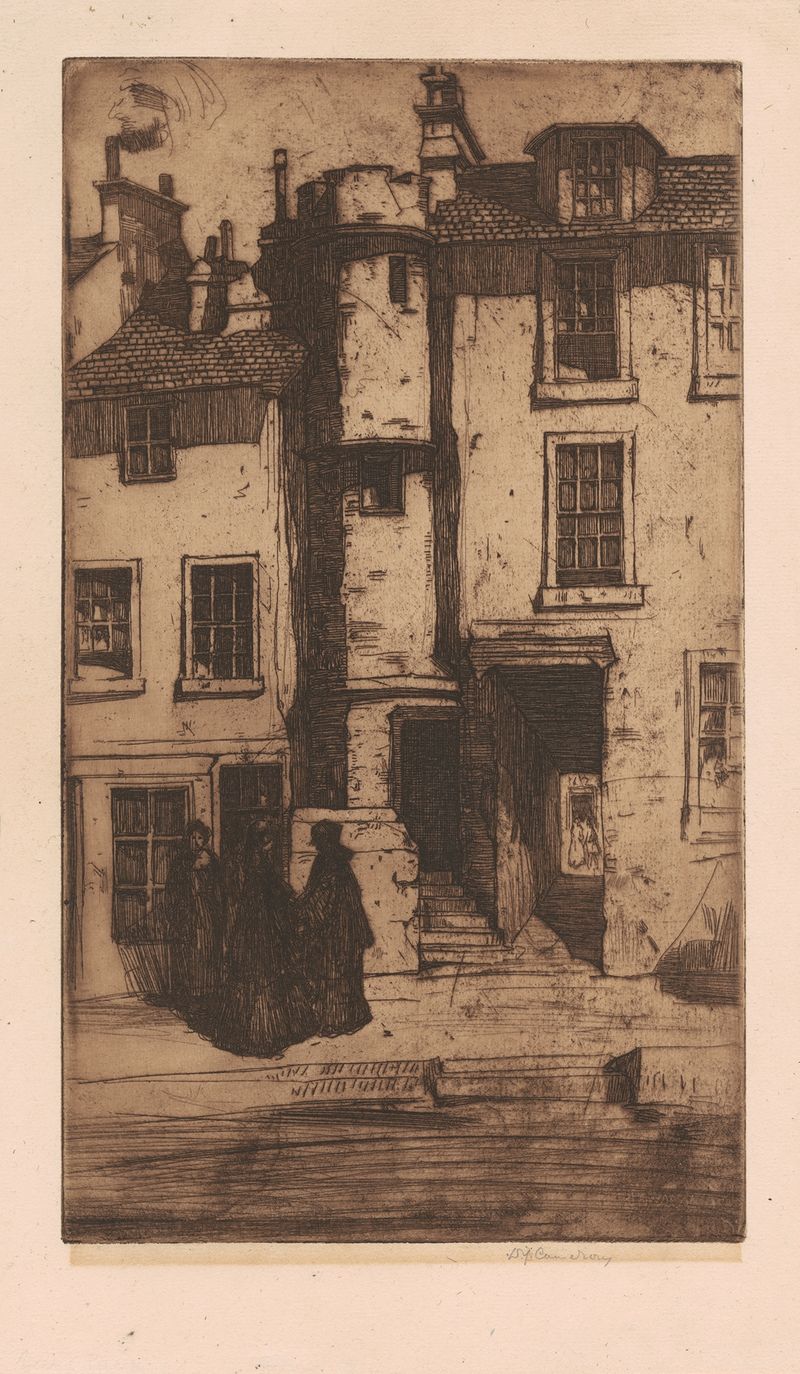
Old Houses, Stirling
David Young Cameron
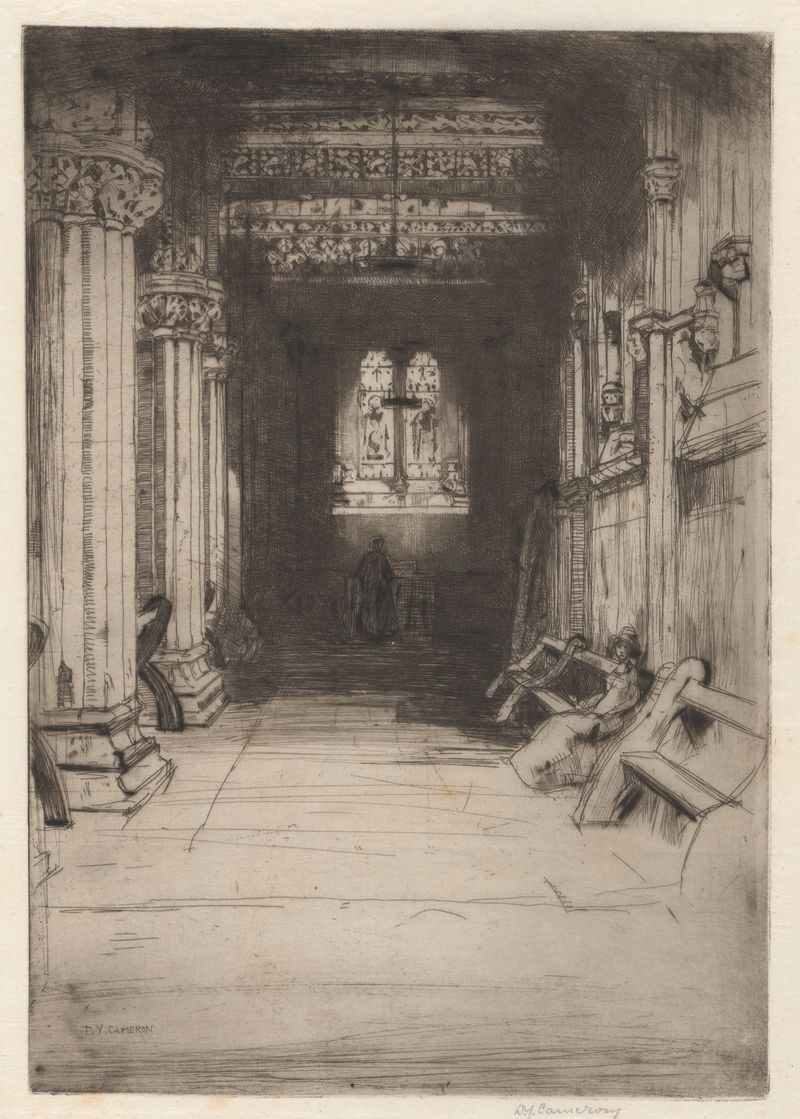
Rosslyn Chapel
David Young Cameron

The Old Museum, Beauvais
David Young Cameron
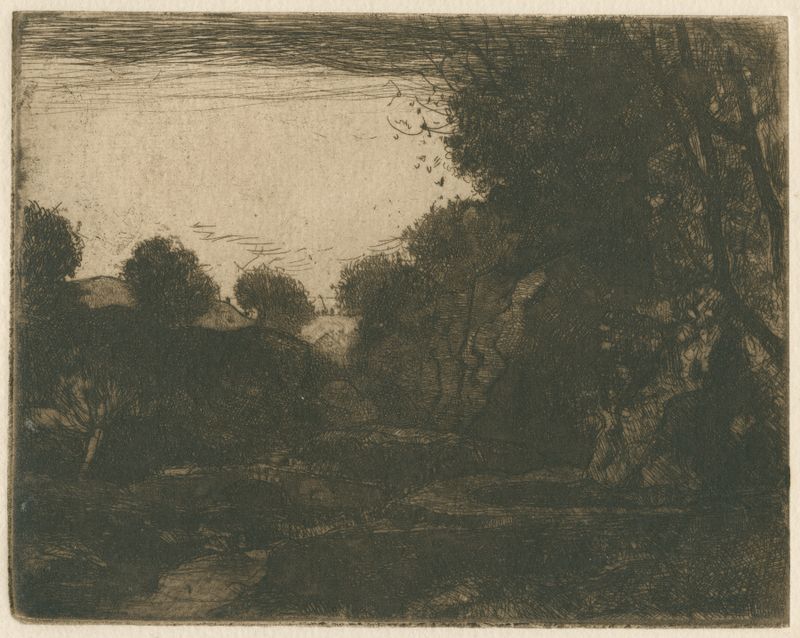
On the Bradford
David Young Cameron

The Smithy
David Young Cameron
Castle Moyle
David Young Cameron
Downing Street
David Young Cameron

Glasgow Cathedral
David Young Cameron
More Architecture Art
Browse all →
The statue of Liberty
Frédéric Auguste Bartholdi

View of Houses in Delft, Known as ‘The Little Street’
Johannes Vermeer

View of Houses in Delft, Known as ‘The Little Street’
Johannes Vermeer

The Cathedral in Rouen. The portal, Grey Weather
Claude Monet

The yellow house
Vincent van Gogh

The Church in Auvers-sur-Oise, View from the Chevet
Vincent van Gogh