
Pakhuizen aan de Prins Hendrikkade te Amsterdam — History & Facts
Is this a mirror — or a memory? The vibrant hues of blue and gold intertwine, creating a world where reality blurs with nostalgia, inviting viewers to ponder their own reflections. Look to the left at the dynamic interplay between the water’s surface and the buildings above. Notice how the light dances across the ripples, transforming the mundane into a mesmerizing tapestry. The warm tones of the architecture contrast with the cool blues of the canal, establishing a balance that feels both serene and alive.
Each brushstroke reveals a meticulous attention to detail, capturing the essence of a bustling Amsterdam, while the colors resonate with emotional depth. Delve deeper into the composition, and you’ll find hidden narratives within the layers. The reflection in the water not only serves as a visual anchor but also symbolizes the passage of time — the past melding with the present. The stark yet harmonious contrast between the sturdy buildings and their ephemeral reflections hints at themes of permanence and transience, suggesting that memories, much like the painted image, can be both vivid and fleeting. Willem Wenckebach painted Pakhuizen aan de Prins Hendrikkade te Amsterdam in the 20th century, a time when the Dutch art scene was evolving amidst the post-war European context.
This period saw a resurgence of interest in realism and the everyday, as artists sought to reconnect with their cultural roots. Wenckebach's work captures the essence of his time, reflecting both the historical significance of the Amsterdam canals and the emotional resonance of recollection.
More Artworks by Willem Wenckebach
Browse all →
Bakkersgang te Amsterdam
Willem Wenckebach

Oude huizen aan het Markenplein te Amsterdam
Willem Wenckebach

Oude huizen aan het Waterlooplein te Amsterdam
Willem Wenckebach
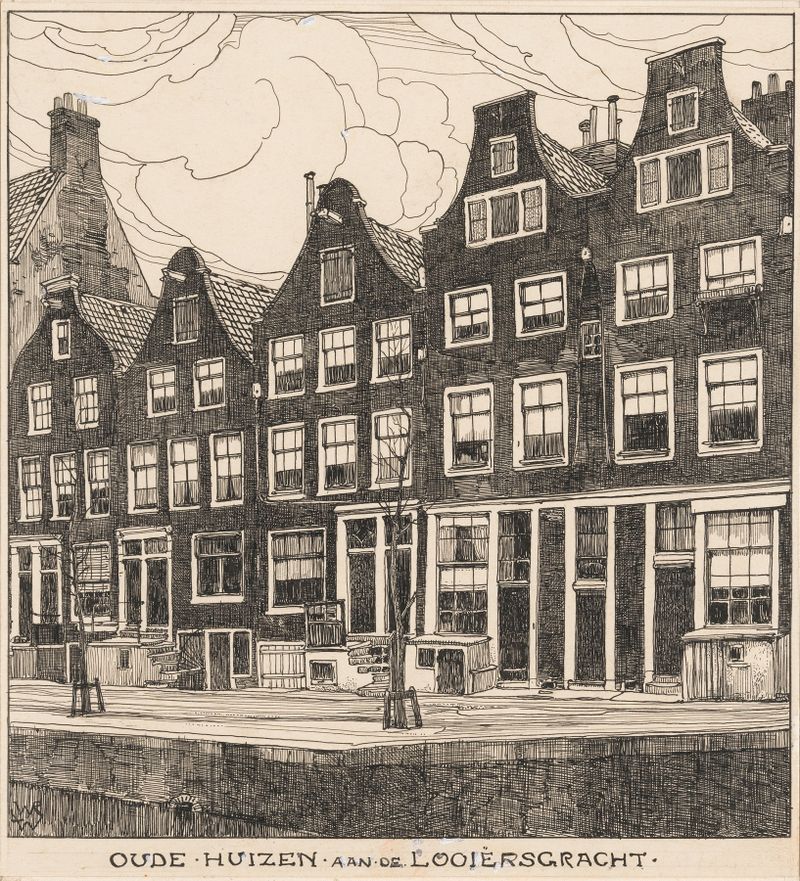
Oude huizen aan de Looiersgracht te Amsterdam
Willem Wenckebach
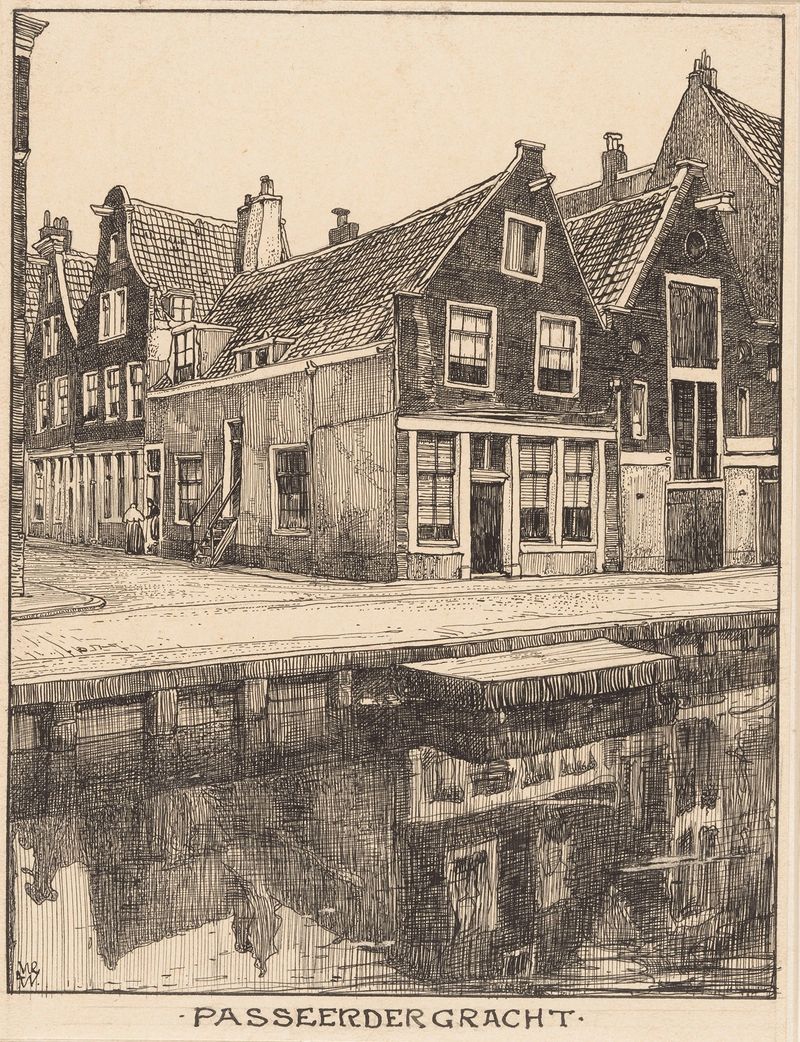
Passeerder Gracht te Amsterdam
Willem Wenckebach
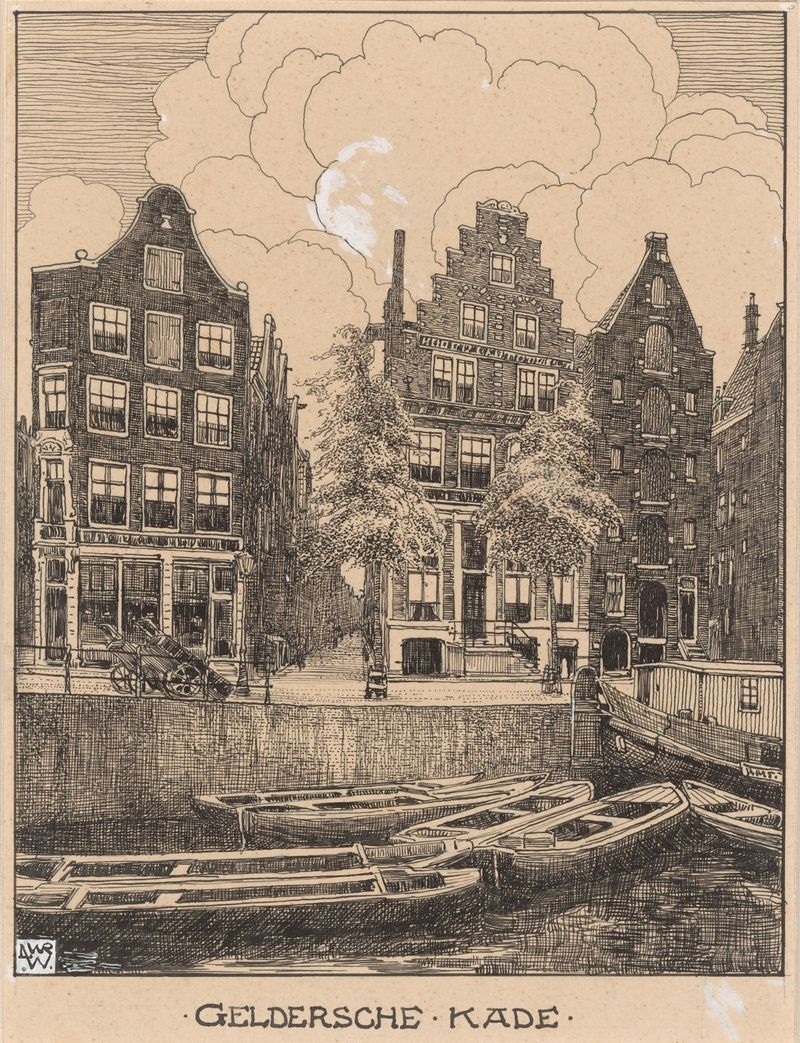
De Gelderse Kade te Amsterdam
Willem Wenckebach
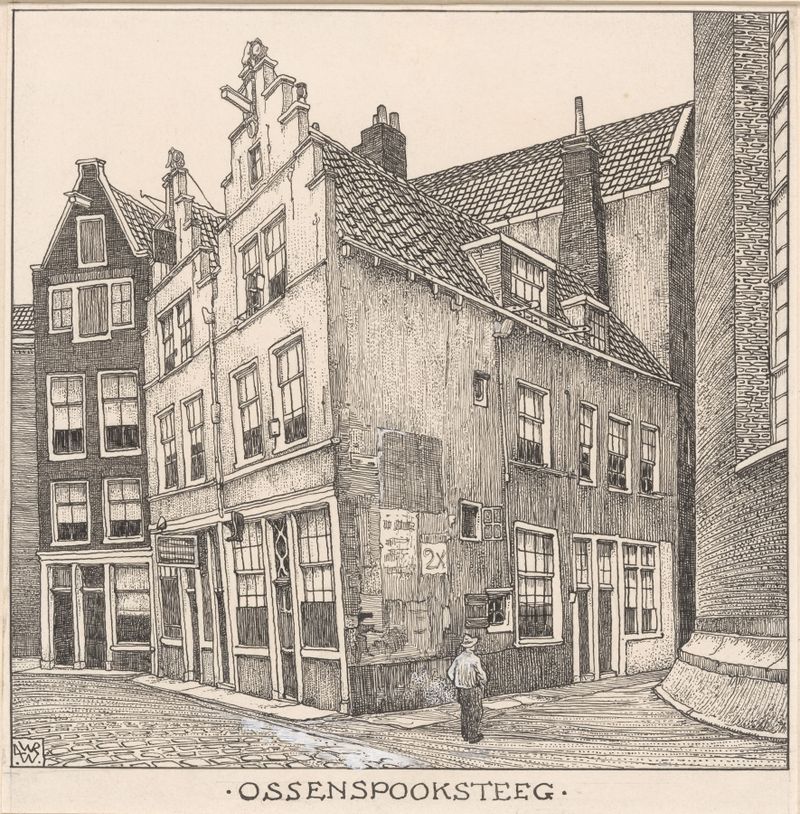
De Ossenspooksteeg te Amsterdam
Willem Wenckebach

Het Beurspleintje te Amsterdam
Willem Wenckebach
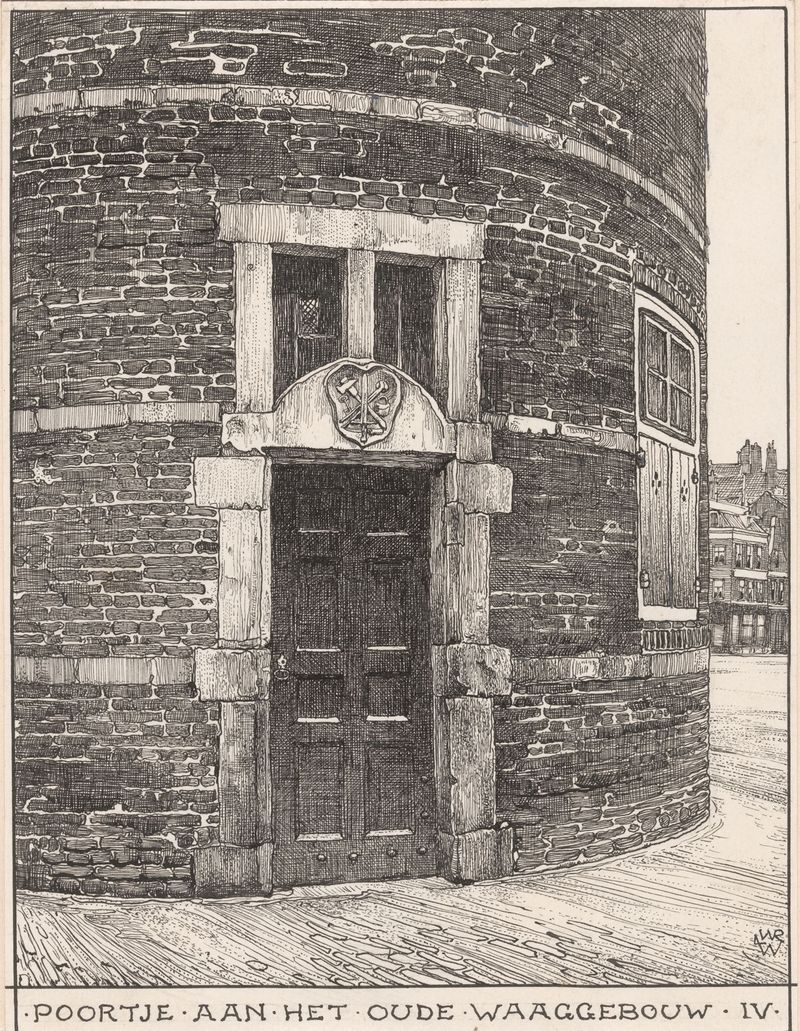
Poortje aan het oude Waaggebouw te Amsterdam
Willem Wenckebach

Torensluis te Amsterdam
Willem Wenckebach
More Architecture Art
Browse all →
The statue of Liberty
Frédéric Auguste Bartholdi

View of Houses in Delft, Known as ‘The Little Street’
Johannes Vermeer

View of Houses in Delft, Known as ‘The Little Street’
Johannes Vermeer

The Cathedral in Rouen. The portal, Grey Weather
Claude Monet

The yellow house
Vincent van Gogh

The Church in Auvers-sur-Oise, View from the Chevet
Vincent van Gogh