
Palais de la Femme. Exposition de — History & Facts
When the Palais de la Femme. Exposition de was first displayed, it captured the spirit of the Belle Époque’s fascination with public spectacle and the empowerment of women. The title refers to the real Palais de la Femme, a Parisian institution founded in 1926 as a refuge for women, but the poster’s style and imagery suggest a connection to the grand expositions and fairs that defined turn-of-the-century Europe.
While the exact date and commission of this work by Henri Privat-Livemont remain uncertain, its Art Nouveau flourishes and elegant composition align it with the golden age of poster art, when artists like Privat-Livemont transformed advertising into a collector’s pursuit. In the image, a graceful woman stands at the heart of a swirling, decorative frame, her figure both inviting and dignified. She is surrounded by stylized floral motifs and curvilinear forms, hallmarks of the Art Nouveau movement, which sought to harmonize art with nature. The woman’s gesture—one arm extended as if welcoming visitors—suggests the open doors of the Palais and the promise of new opportunities.
The use of gold and pastel hues bathes her in an aura of optimism, reminiscent of Alphonse Mucha’s celebrated posters, though Privat-Livemont’s women tend to project a quieter self-assurance. Every element, from the flowing hair to the ornate lettering, is designed to catch the eye and linger in the memory. The physical history of Palais de la Femme. Exposition de is less documented than some of Privat-Livemont’s other works, such as his famous Absinthe Robette poster.
Like many posters of its era, it was likely printed in multiple copies and distributed in public spaces, only later entering private and institutional collections as appreciation for poster art grew. Today, surviving examples are prized by collectors and museums for their beauty and historical significance. The work stands as a testament to Privat-Livemont’s role in elevating the poster from mere advertisement to an enduring art form, and it continues to be celebrated for its blend of social message and decorative artistry.
More Artworks by Henri Privat-Livemont

Oriental Dancers
Henri Privat-Livemont
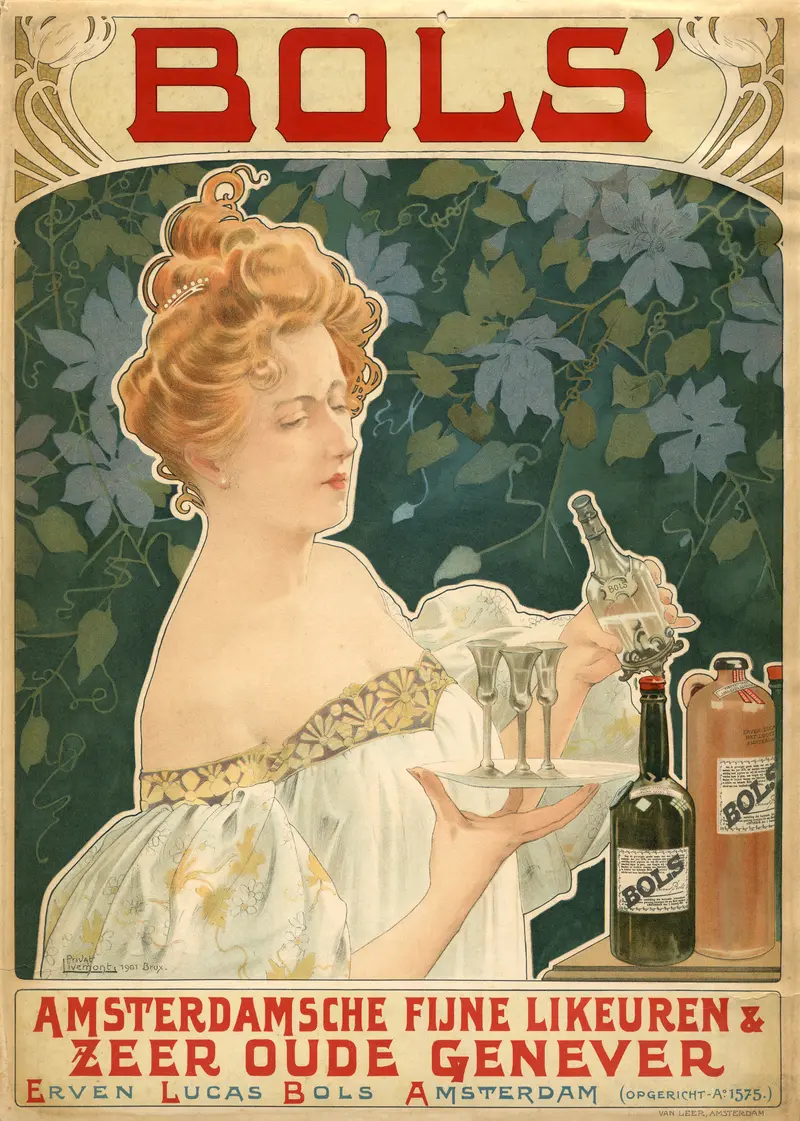
Bols’ Amsterdamsche Fijne Likeuren & zeer oude genever
Henri Privat-Livemont
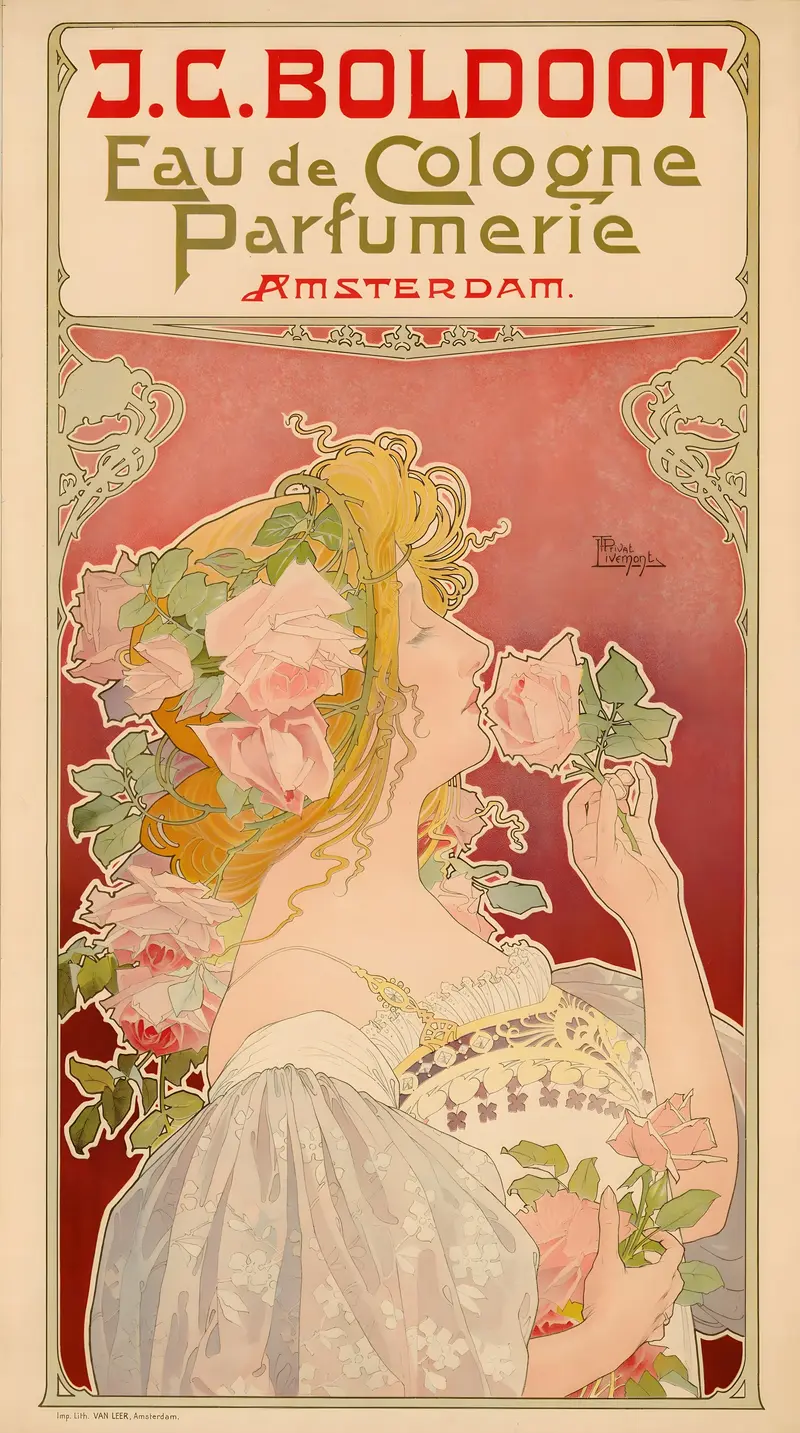
J.C. Boldoot Eau de Cologne; Parfumerie Amsterdam
Henri Privat-Livemont
J.C. Boldoot Eau de Cologne – Parfumerie Amsterdam
Henri Privat-Livemont
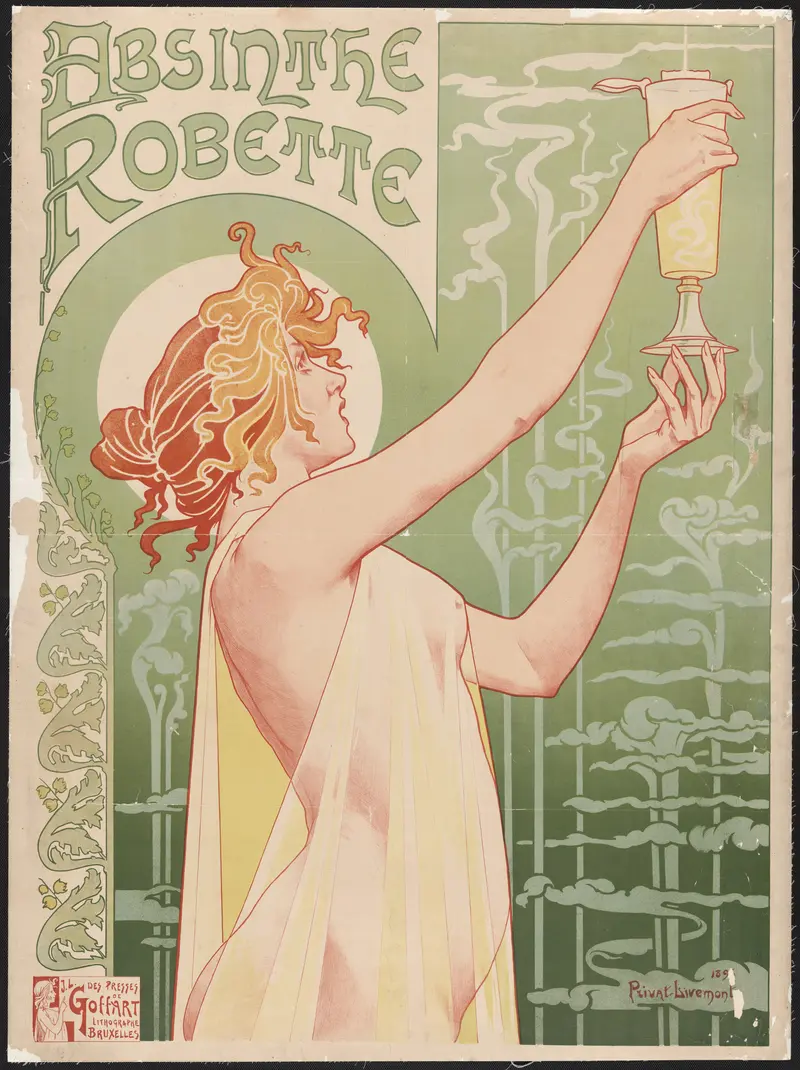
Absinthe Robette
Henri Privat-Livemont
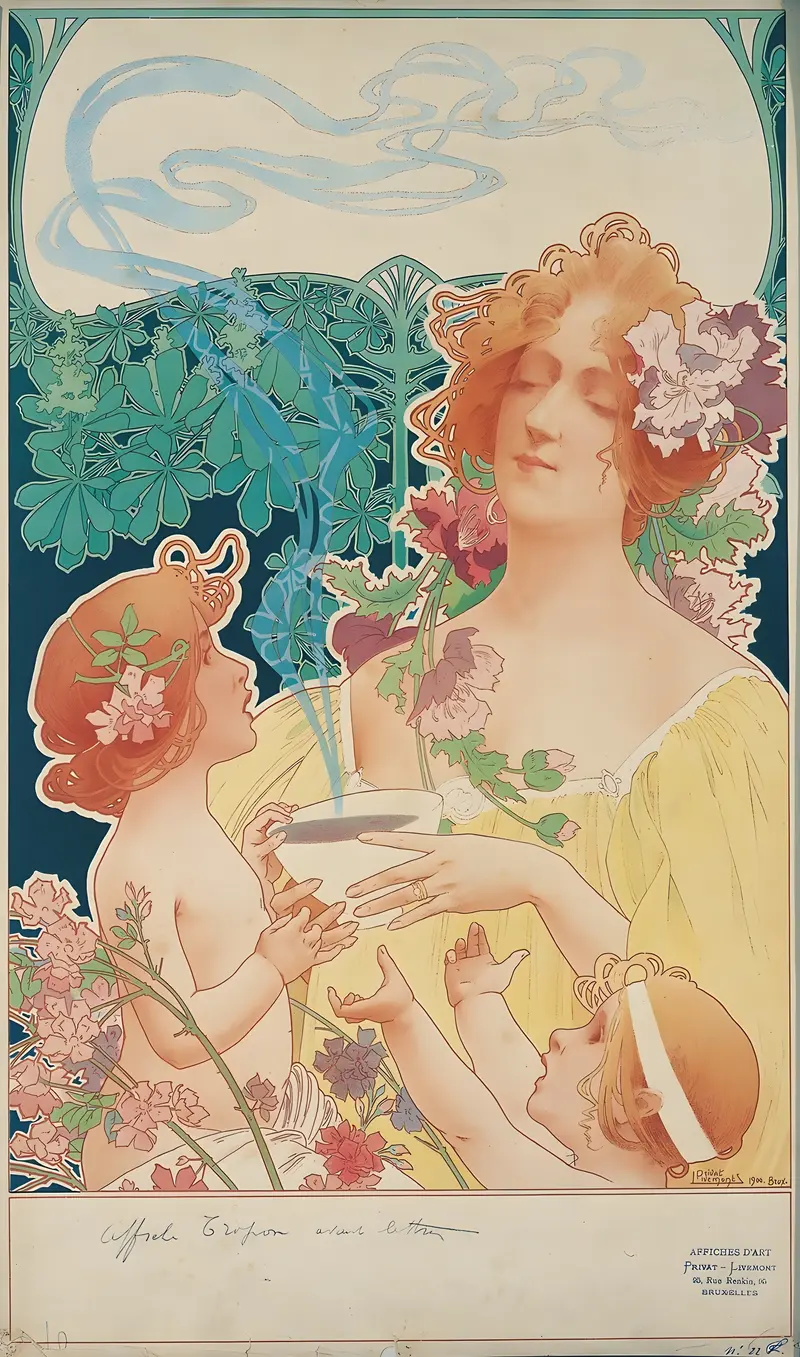
Tropon Chocolat-Cacao
Henri Privat-Livemont
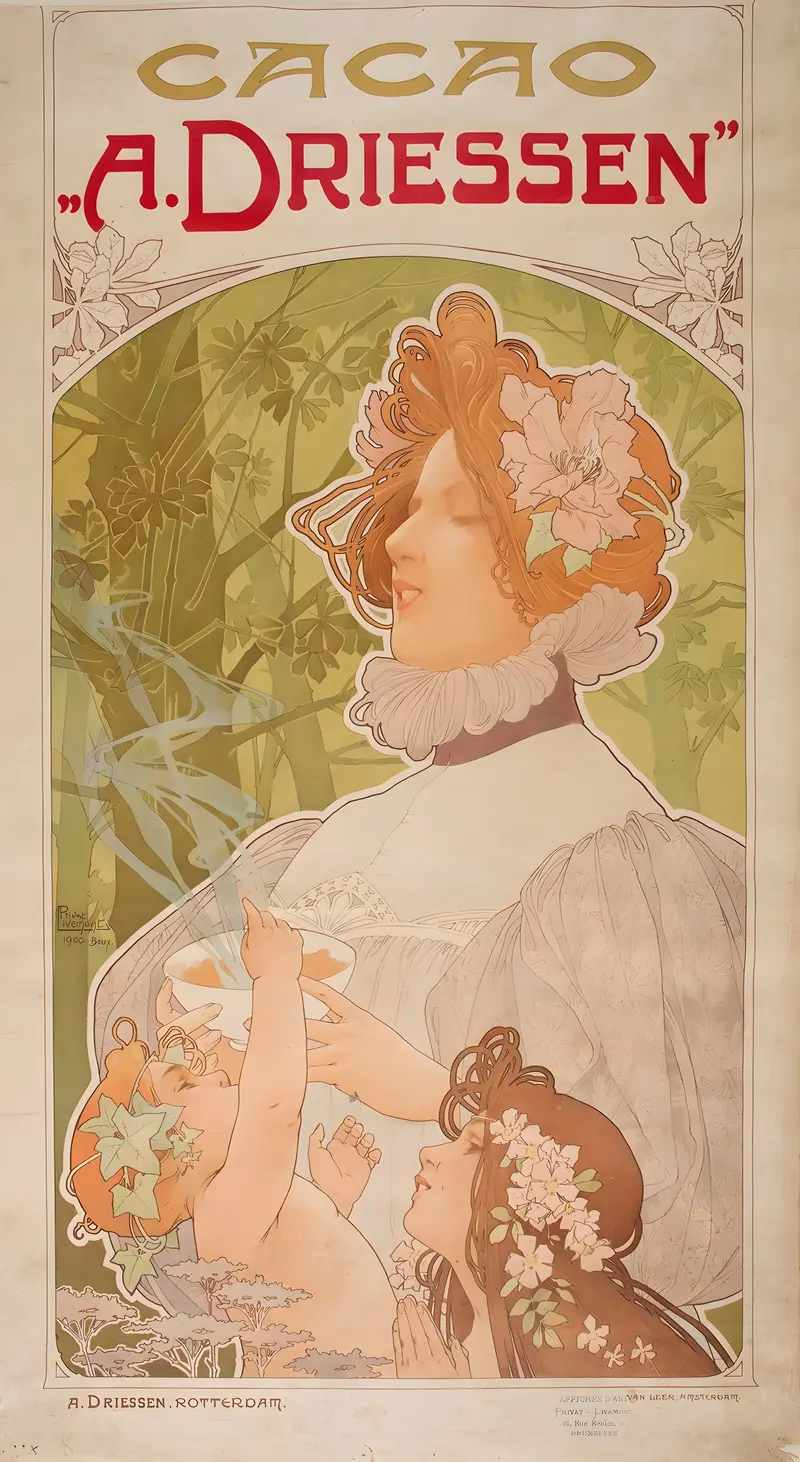
Cacao «A. Driessen»
Henri Privat-Livemont
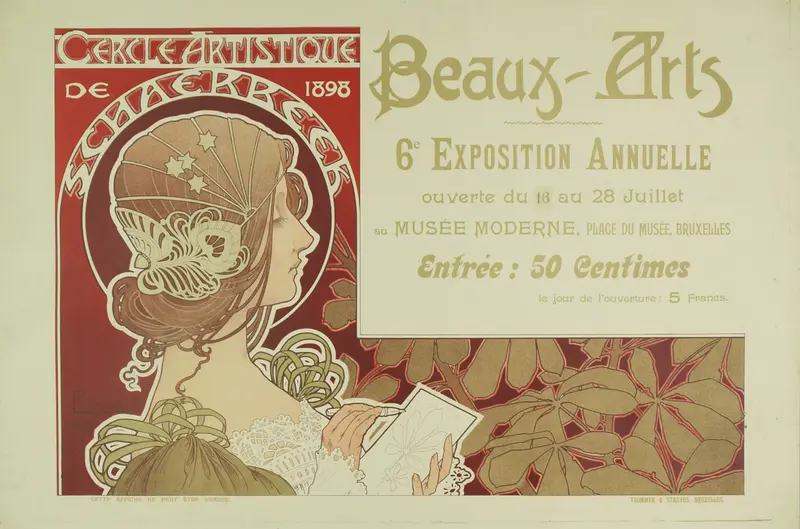
Cercle Artistique De Schaerbeek
Henri Privat-Livemont
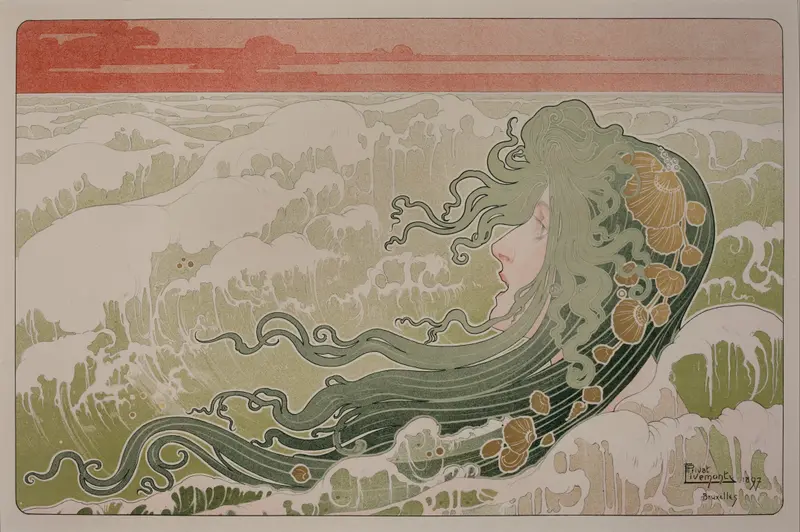
La Vague (The Wave)
Henri Privat-Livemont
Bols
Henri Privat-Livemont



