
Oriental Dancers — History & Facts
When Henri Privat-Livemont exhibited Oriental Dancers, critics immediately noted its fusion of Art Nouveau elegance with the feverish fascination for the “Orient” that swept through late 19th-century Europe. This work stands out not only for its subject but for the way it blurs the line between fine art and poster design—Privat-Livemont was, after all, one of the era’s most celebrated lithographers, best known for his iconic advertisements. The precise date and commission remain uncertain, yet the painting’s style and themes unmistakably reflect the Parisian craze for exoticism, sparked by the 1889 Exposition Universelle and the popularity of Eastern dance performances on European stages. At the center of the composition, two dancers are caught mid-movement, their bodies arched in a fluid, serpentine rhythm.
Draped in shimmering fabrics and adorned with elaborate jewelry, they perform not for a sultan but for the Western gaze, embodying both allure and otherness. The background dissolves into stylized motifs—peacock feathers, arabesques, and curling smoke—hallmarks of the Art Nouveau movement that Privat-Livemont helped define. Unlike Jean-Léon Gérôme’s academic visions of the East, which often freeze their subjects in static tableaux, Privat-Livemont’s dancers pulse with theatrical energy, their gestures both inviting and enigmatic.
The artist’s use of gold and jewel tones heightens the sense of spectacle, while the dancers’ sidelong glances hint at a world beyond the stage. The original context and early ownership of Oriental Dancers remain elusive, typical for works that straddled the line between decorative art and painting in Privat-Livemont’s career. While his posters for absinthe and chocolate factories were mass-produced and widely circulated, his easel paintings are rarer and less documented. Today, Oriental Dancers is recognized as a prime example of the crosscurrents between commercial art and high culture at the turn of the century, and it is often reproduced in surveys of Art Nouveau.
Its whereabouts are not firmly established; it occasionally appears in exhibition catalogues and online galleries, a testament to both its visual appeal and the enduring fascination with the imagined East in European art.
More Artworks by Henri Privat-Livemont
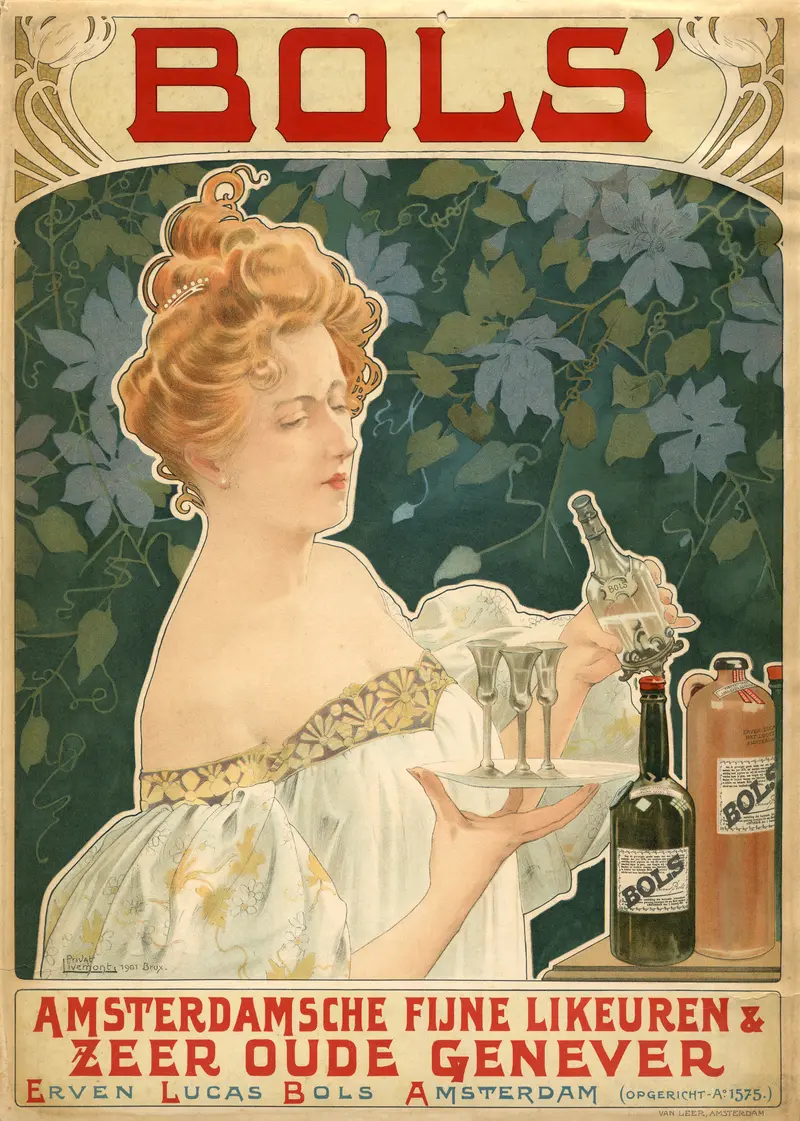
Bols’ Amsterdamsche Fijne Likeuren & zeer oude genever
Henri Privat-Livemont
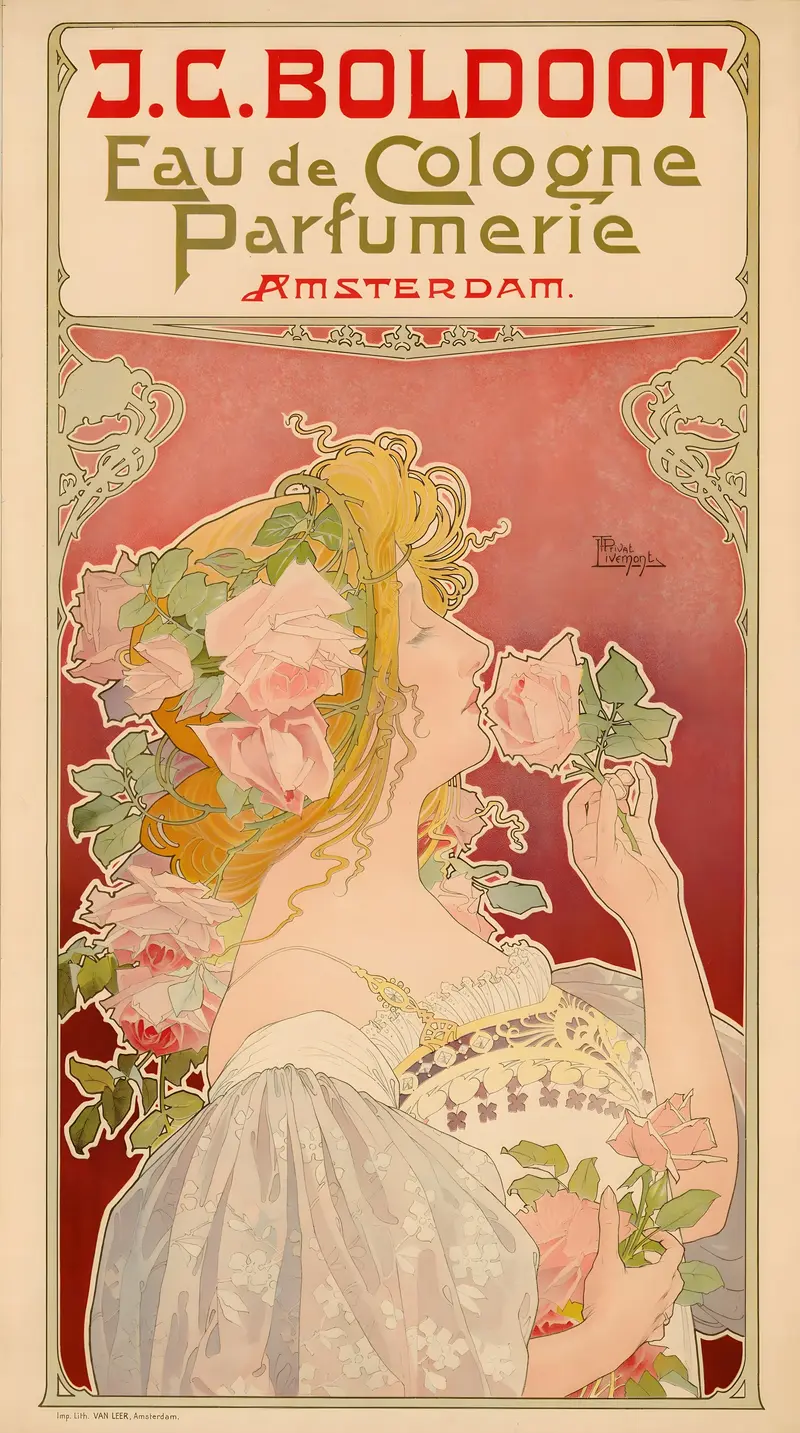
J.C. Boldoot Eau de Cologne; Parfumerie Amsterdam
Henri Privat-Livemont
J.C. Boldoot Eau de Cologne – Parfumerie Amsterdam
Henri Privat-Livemont
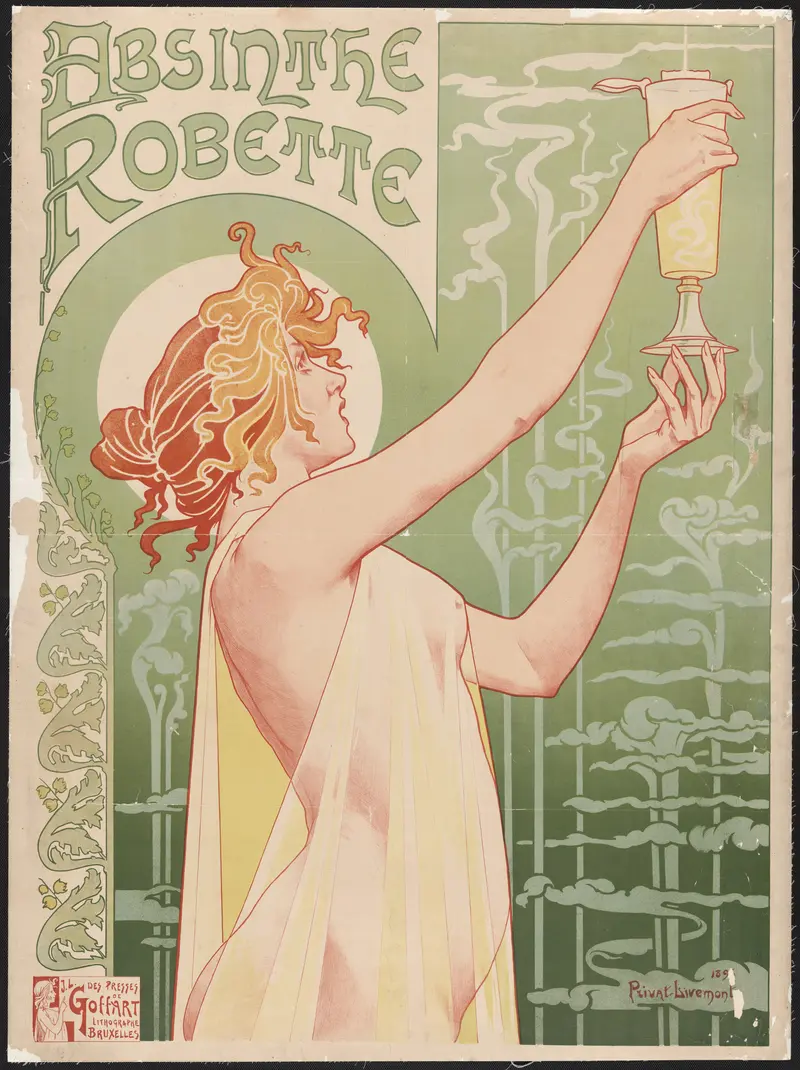
Absinthe Robette
Henri Privat-Livemont
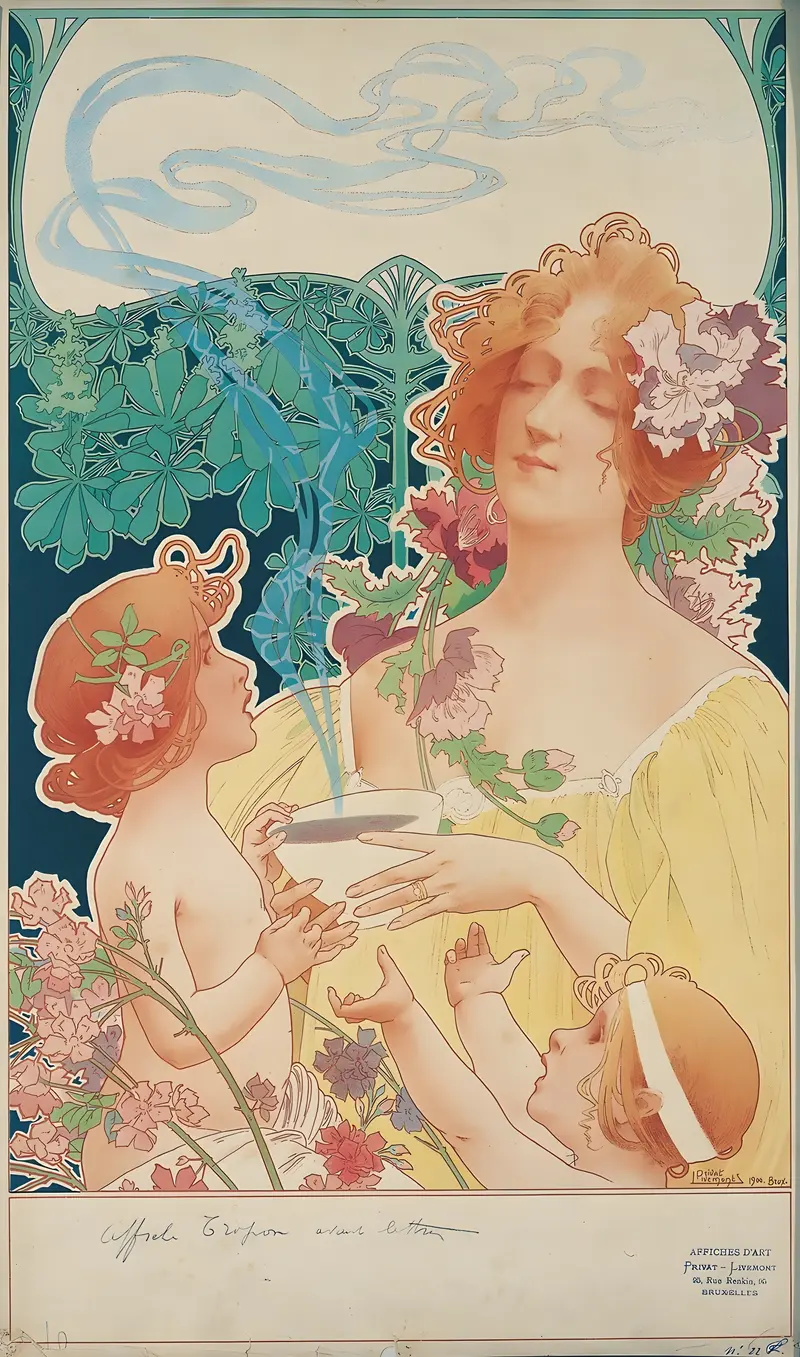
Tropon Chocolat-Cacao
Henri Privat-Livemont
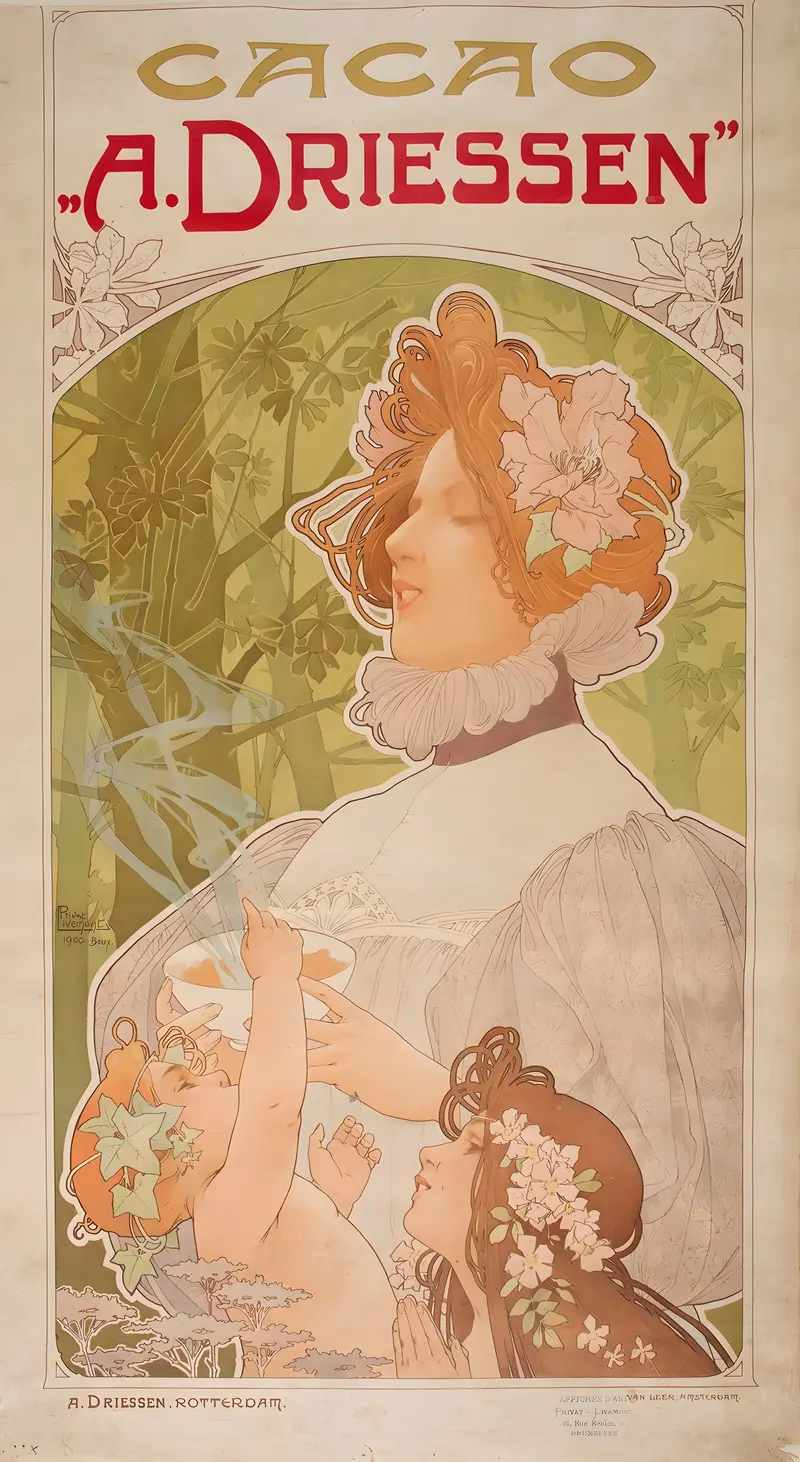
Cacao «A. Driessen»
Henri Privat-Livemont
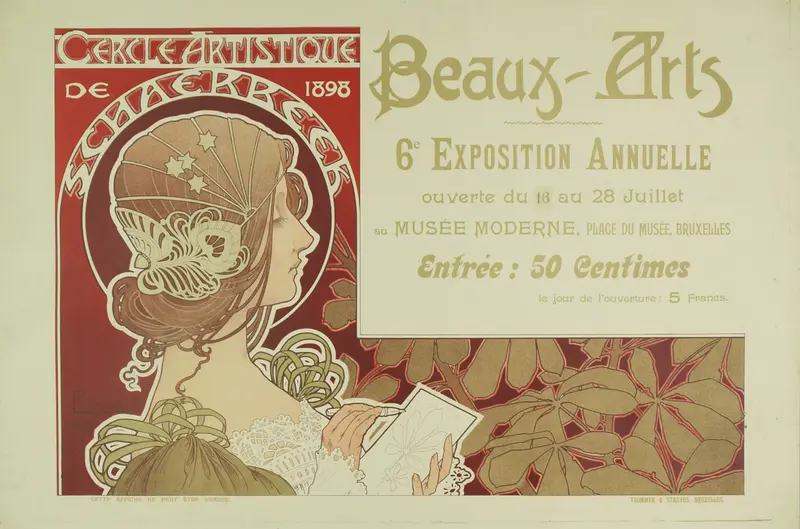
Cercle Artistique De Schaerbeek
Henri Privat-Livemont
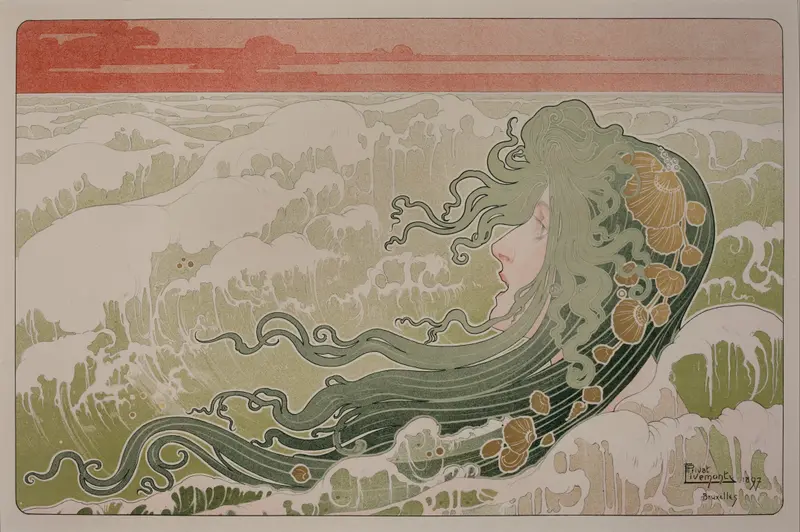
La Vague (The Wave)
Henri Privat-Livemont
Bols
Henri Privat-Livemont
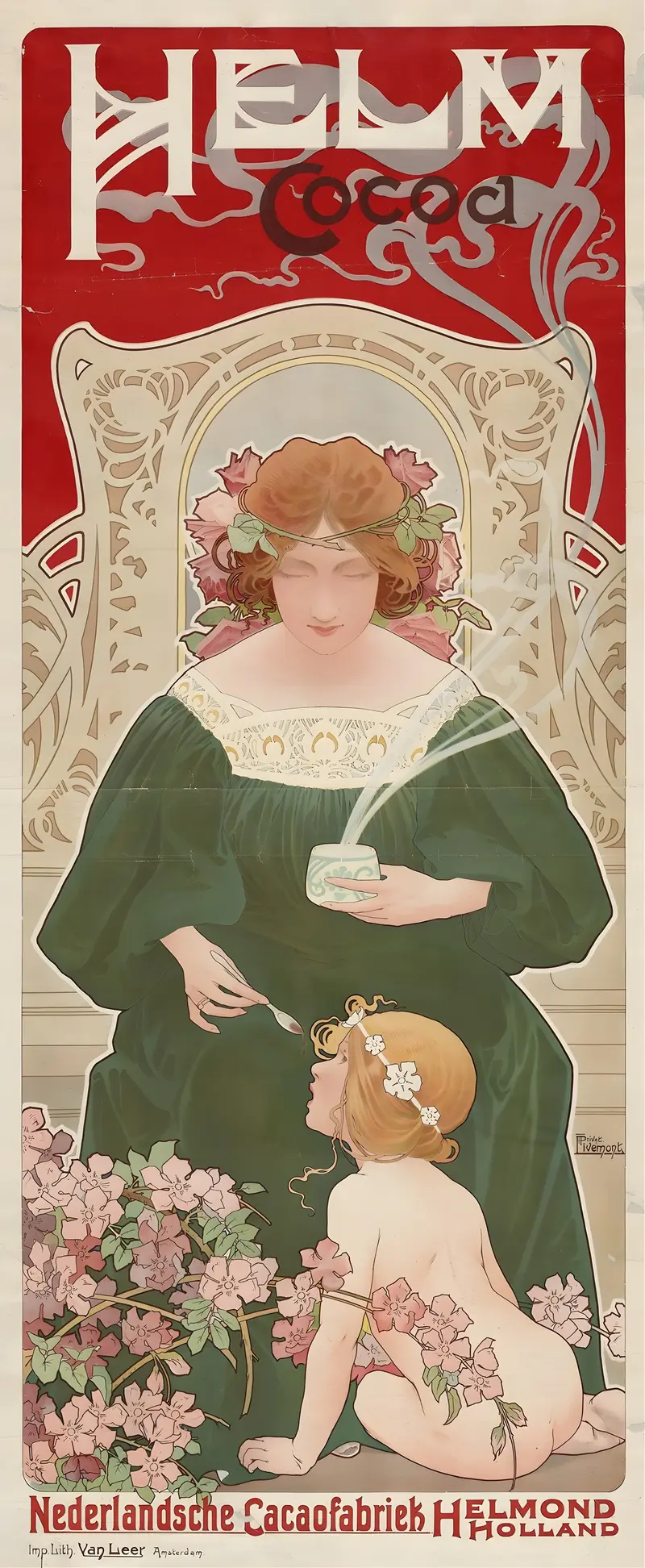
Helm Cocoa
Henri Privat-Livemont



