
Palmenhain auf Ceylon (Sri Lanka) — History & Facts
Could a single brushstroke hold eternity? In Palmenhain auf Ceylon, the essence of a tropical paradise is distilled into a vibrant moment that invites viewers to contemplate both beauty and absence. Focus on the lush greens that dominate the canvas, as your eyes are drawn first to the towering palms that stretch upward. Notice how the brushstrokes dance across the surface, capturing the soft rustle of leaves in a gentle breeze. The play of light creates a dappled effect, illuminating the scene while casting playful shadows that suggest the depth of this serene environment.
Here, the palette is rich with life, yet there's an underlying void that whispers of transience. In the interplay between light and shadow, a tension emerges. The palms stand sentry, witnesses to an untold history, while the horizon hints at an unseen world beyond. The vibrant greens contrast with strokes of muted earth tones, evoking a sense of longing for connection amidst isolation.
This dichotomy between vibrancy and emptiness mirrors the deeper existential questions of human presence in nature, and the fleeting nature of beauty itself. Joseph Selleny painted this work in 1858, during a period of exploration and colonial interest in exotic locations. Living in a world where nature was often seen as a backdrop for human narratives, he sought to capture the spirit of Ceylon's landscapes. At this time, Selleny was establishing his reputation as a landscape painter, influenced by romanticism and the emerging trends of plein air painting, which encouraged artists to seek inspiration directly from the natural world.
More Artworks by Joseph Selleny
Browse all →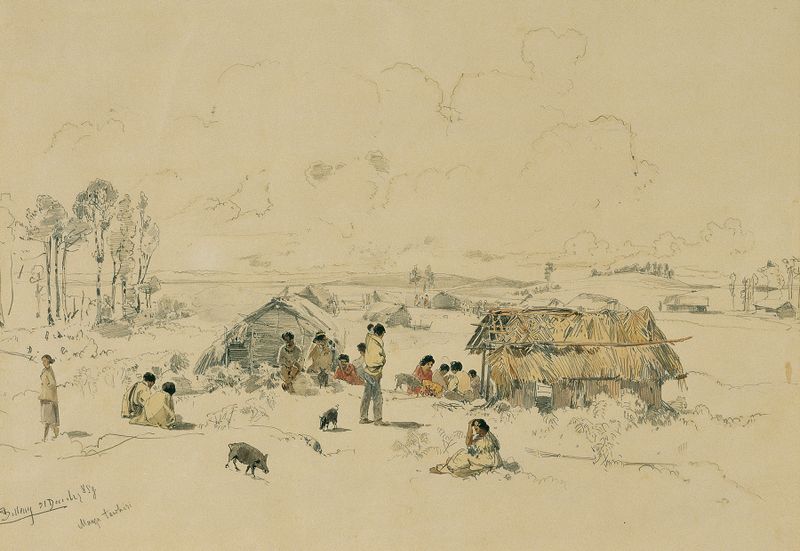
Maori-Dorf am Fluss Mangatawhiri, Auckland (Neuseeland)
Joseph Selleny
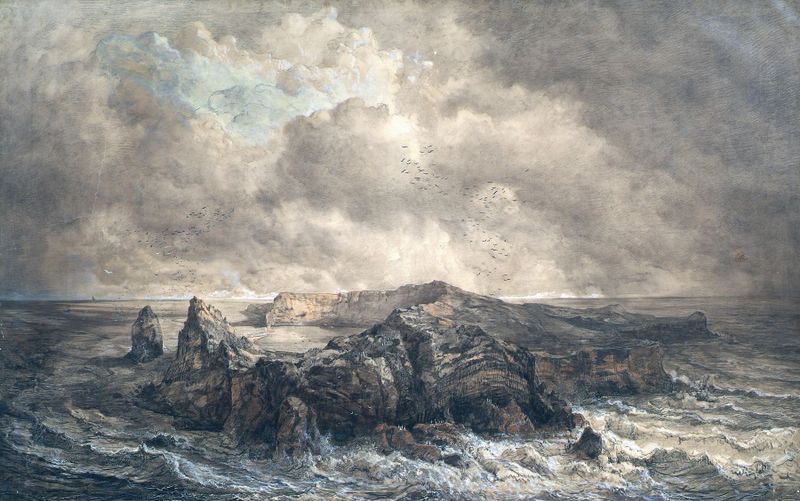
Die Insel St. Paul im Indischen Ozean
Joseph Selleny
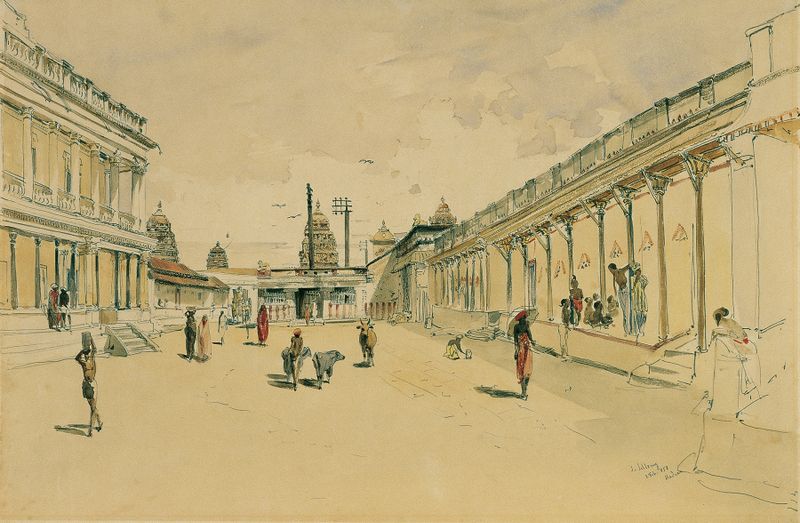
Straße in Madras mit einem Tempel
Joseph Selleny
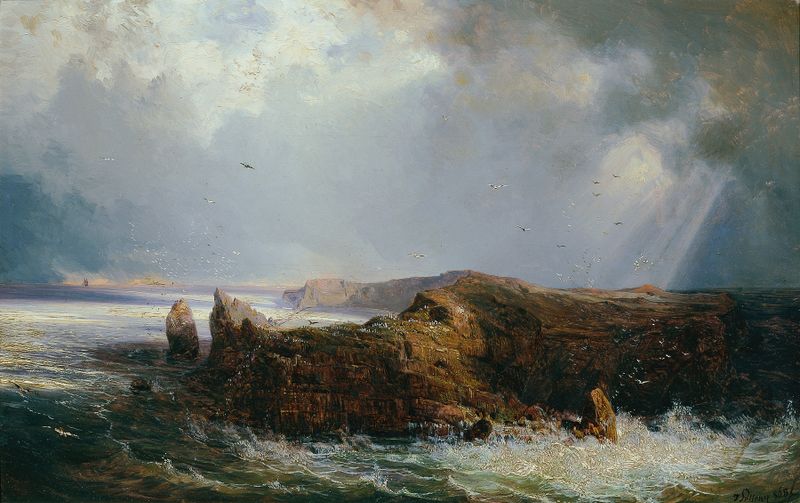
Die Insel St. Paul im Indischen Ozean
Joseph Selleny
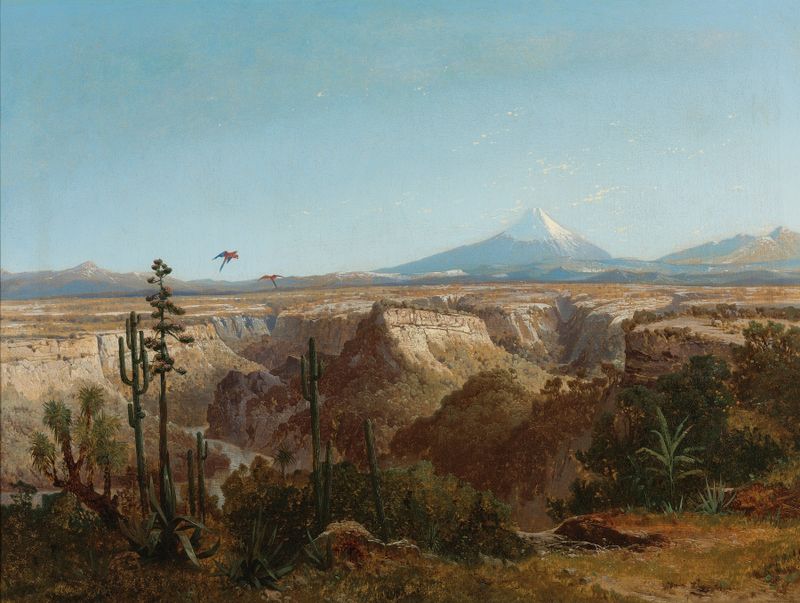
View Of The Atacama Desert In Chile With The Licancabur Volcano In The Background
Joseph Selleny
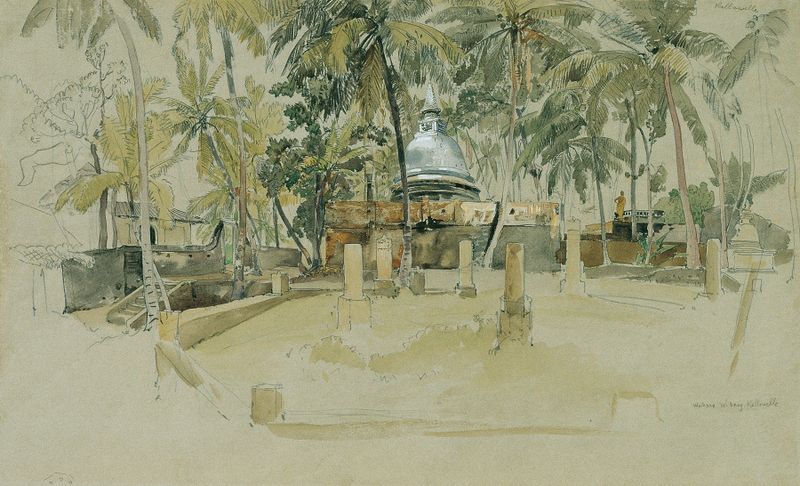
Buddhistischer Tempel auf Ceylon (Sri Lanka)
Joseph Selleny
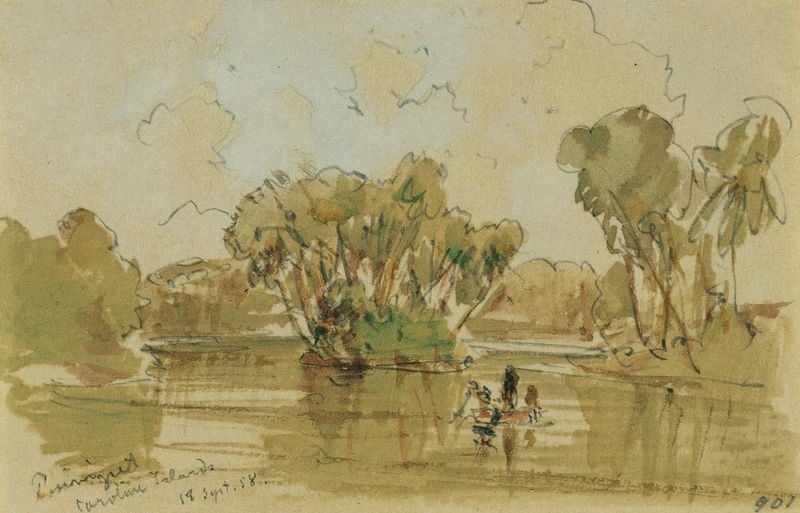
Landschaft auf der Insel Puinipet (Ponape), Caroline Islands
Joseph Selleny
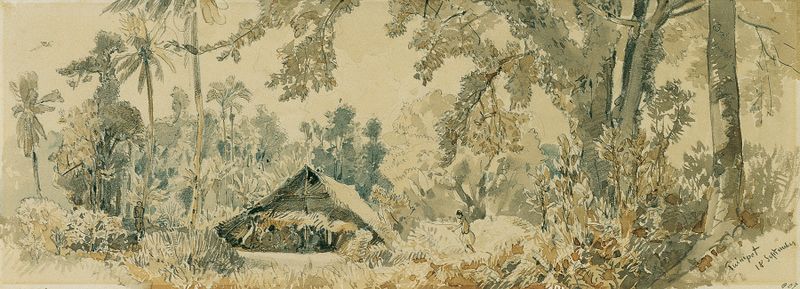
Eingeborenenhütte auf der Insel Puinipet (Ponape), Caroline Islands
Joseph Selleny

Haus des Roankiddi-Häuptlings auf der Insel Puinipet (Ponape), Caroline Islands
Joseph Selleny
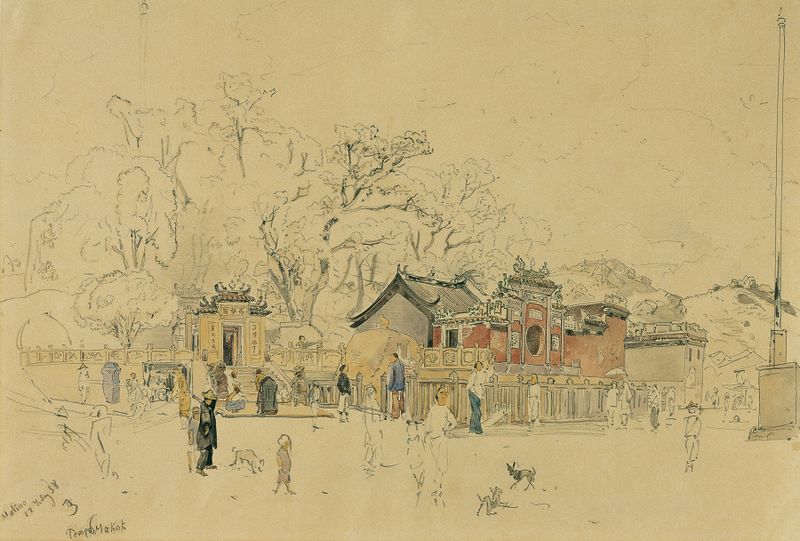
Der Tempelhain Makok auf der Halbinsel Macao
Joseph Selleny





