
Panorama of the Tatra Mountains — History & Facts
What if beauty was never meant to be finished? In a world constantly in flux, nature stands as a reminder of both permanence and transformation, capturing the spirit of revolution that stirs within our hearts. Look to the sweeping horizon where the Tatra Mountains rise majestically, their peaks crowned with snow that gleams against a cerulean sky. The composition draws your gaze from the verdant valleys below, where hues of emerald intertwine with earthy browns, up toward the craggy summits, each brushstroke whispering secrets of rugged power. Notice how the light dances across the landscape, illuminating the contours of the mountains and creating a dynamic interplay between shadow and brilliance that invites contemplation. Amidst the grandeur, subtle contrasts emerge.
The peacefulness of the landscape belies a tumultuous backdrop; the period of 1916 to 1926 was marked by upheaval and change in Poland and Europe. The unity of the mountains symbolizes a steadfastness in the face of revolution—a reminder that serenity exists even amidst chaos. Hidden details, such as the tiny figures of wandering sheep or a solitary figure contemplating the view, emphasize human vulnerability against nature’s immensity, evoking feelings of introspection and connection. During the years this piece was created, the artist found himself navigating the complexities of a world grappling with war and emerging national identity.
Living in Poland, Stefan Filipkiewicz was part of a generation that sought to redefine their cultural heritage, using landscapes as a means to express national pride and resilience. The Panorama of the Tatra Mountains exemplifies this pursuit, encapsulating both the beauty of the land and the spirit of a nation in flux.
More Artworks by Stefan Filipkiewicz
Browse all →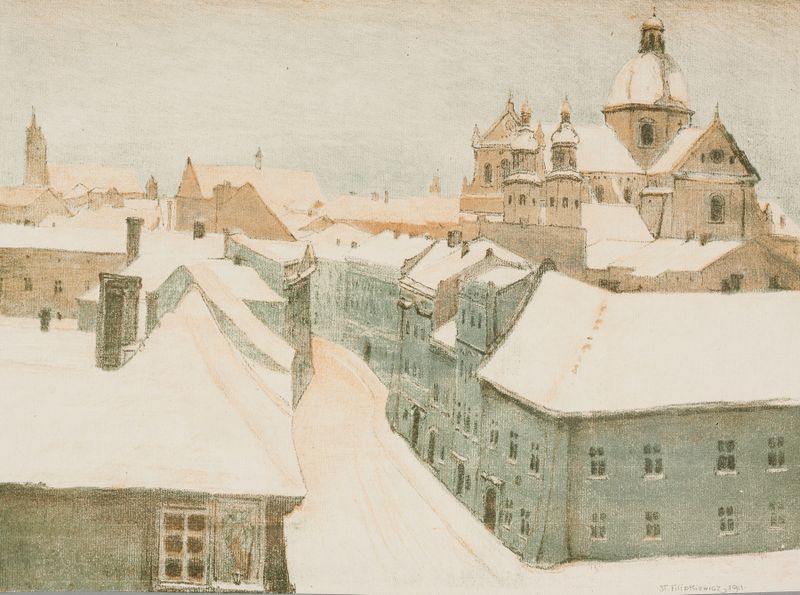
View of Krakow from Wawel
Stefan Filipkiewicz
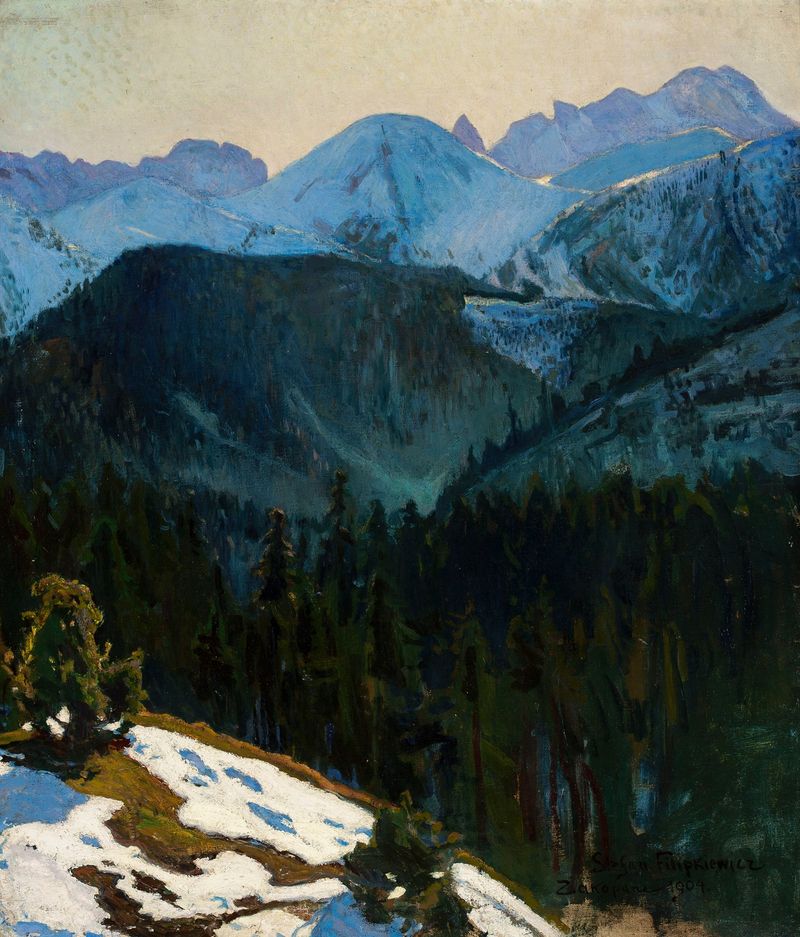
Tatra Mountain view
Stefan Filipkiewicz

Thaw in the Tatra Mountains
Stefan Filipkiewicz

Sad w cieniu
Stefan Filipkiewicz

Forest stream in winter
Stefan Filipkiewicz
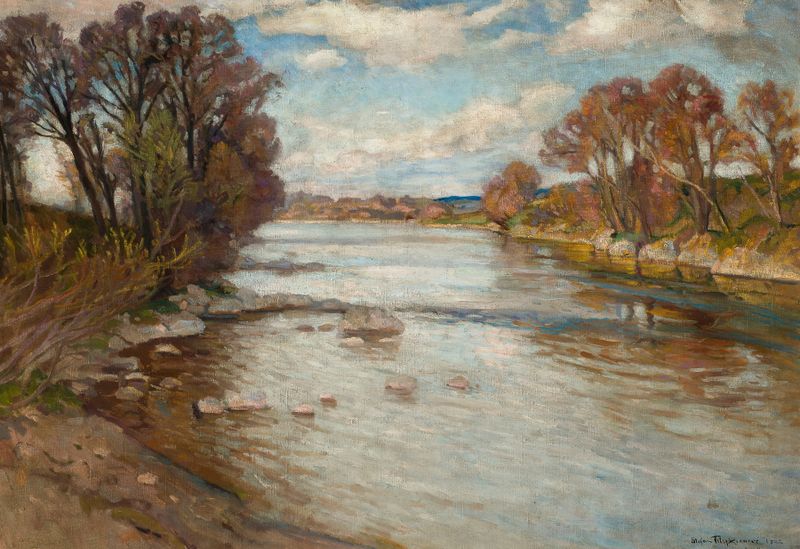
The Dunajec River at Szaflary
Stefan Filipkiewicz

Dorfkirche
Stefan Filipkiewicz

Forest Stream
Stefan Filipkiewicz
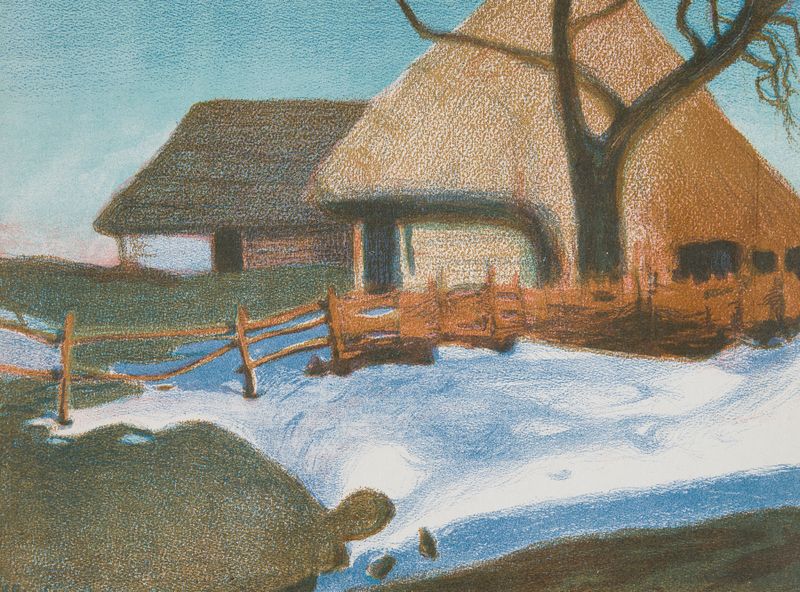
Rural landscape
Stefan Filipkiewicz

Tatra Mountain view
Stefan Filipkiewicz





