
Tatra Mountain view — History & Facts
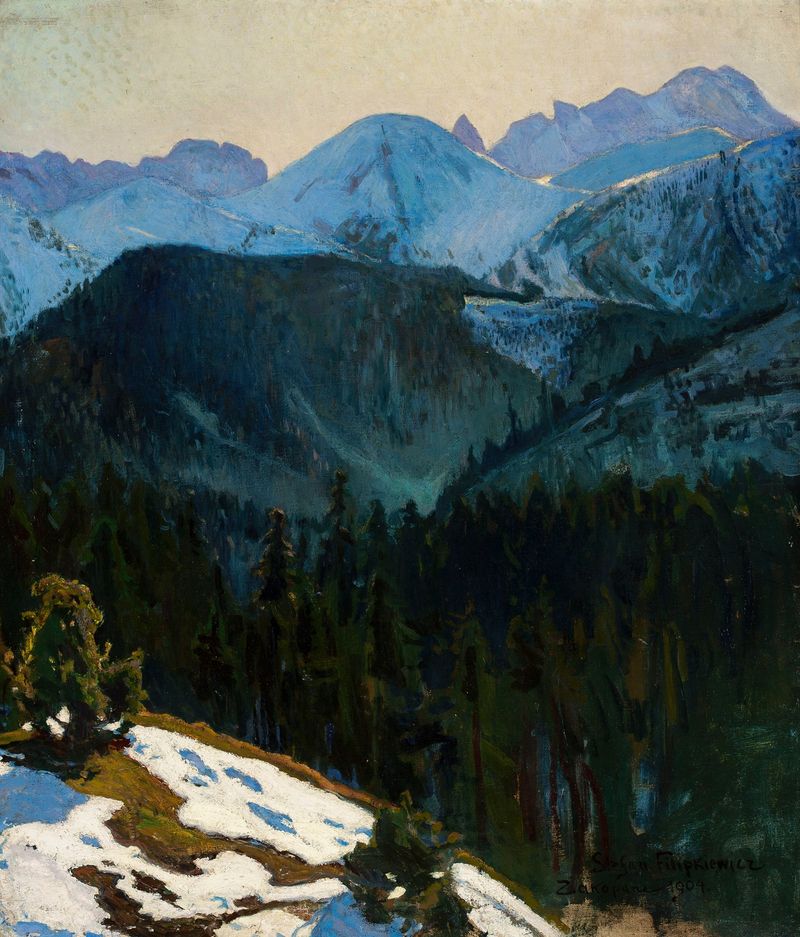
Could beauty survive in a century of chaos? In Tatra Mountain view, the answer is a resounding yes, as shadows dance across the rugged peaks, whispering secrets of nature's resilience. Look to the left, where the towering mountains rise majestically against the sky, their sharp lines contrasted by soft, rolling valleys below. Notice how the light falls upon the snow-capped summits, illuminating their grandeur while casting deeper shadows into the crevices. The artist employs a palette of bold greens and whites, blending realism with a hint of impressionistic freedom, allowing the viewer to feel the chill of the mountain air and the weight of time. Beneath the surface, the interplay of light and shadow encapsulates a dichotomy of beauty and isolation.
The expansive view captures the tranquility of the landscape, yet the looming shadows signify the foreboding presence of nature’s raw power. Filipkiewicz subtly reveals the fragility of the moment, inviting contemplation about humanity's relationship with the untamed wilderness and the inevitable passage of time. Stefan Filipkiewicz painted Tatra Mountain view in 1904 while residing in Poland. This period was marked by a burgeoning sense of national identity amidst the backdrop of political upheaval.
As the artist sought inspiration in the breathtaking landscapes of the Tatra Mountains, he contributed to the broader movement of Polish nationalism in art, reflecting both the beauty and the complexity of his homeland during a tumultuous era.
More Artworks by Stefan Filipkiewicz
Browse all →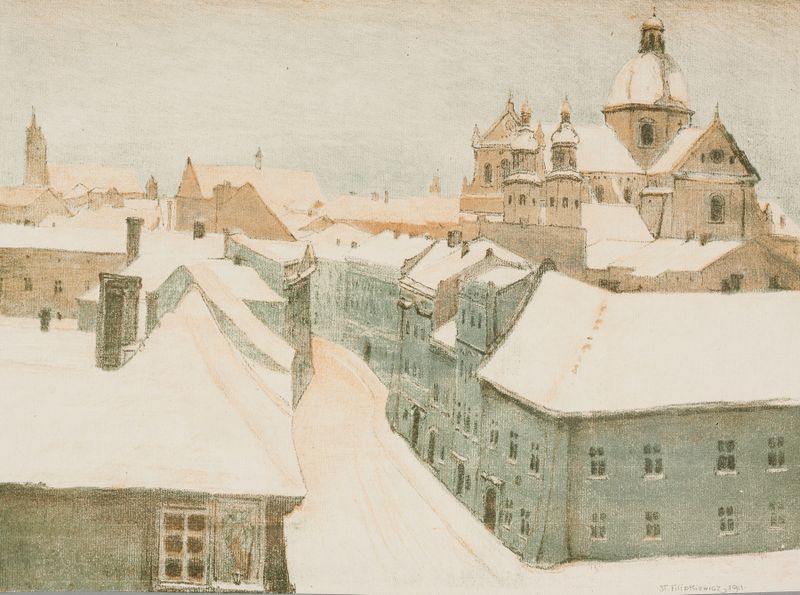
View of Krakow from Wawel
Stefan Filipkiewicz
Tatra Mountain view
Stefan Filipkiewicz

Thaw in the Tatra Mountains
Stefan Filipkiewicz

Sad w cieniu
Stefan Filipkiewicz

Forest stream in winter
Stefan Filipkiewicz
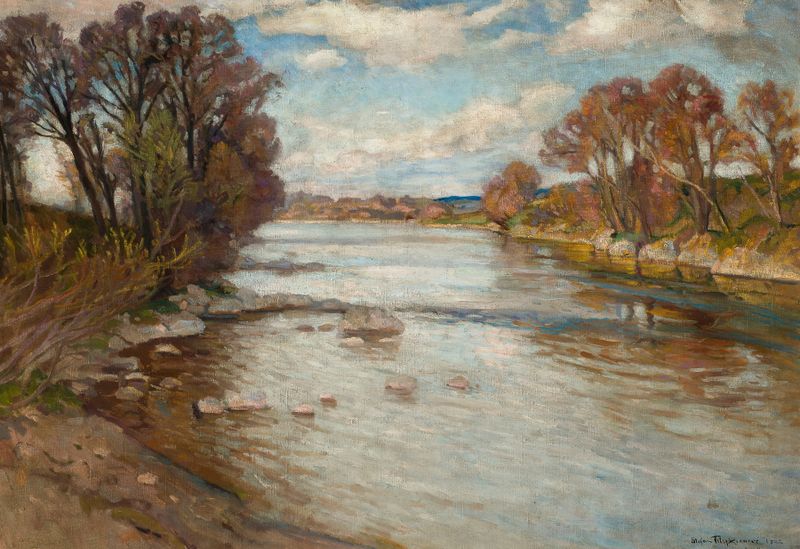
The Dunajec River at Szaflary
Stefan Filipkiewicz

Dorfkirche
Stefan Filipkiewicz

Forest Stream
Stefan Filipkiewicz
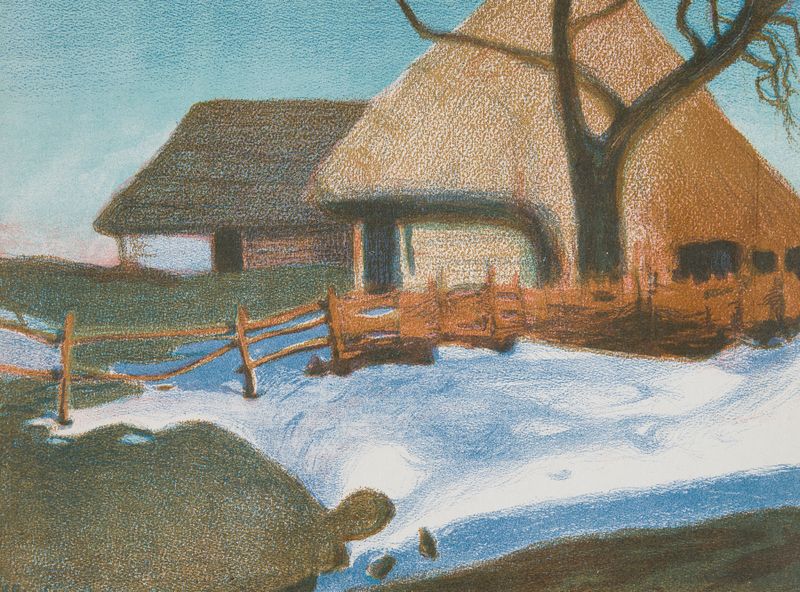
Rural landscape
Stefan Filipkiewicz

Panorama of the Tatra Mountains
Stefan Filipkiewicz





