
Thaw in the Tatra Mountains — History & Facts
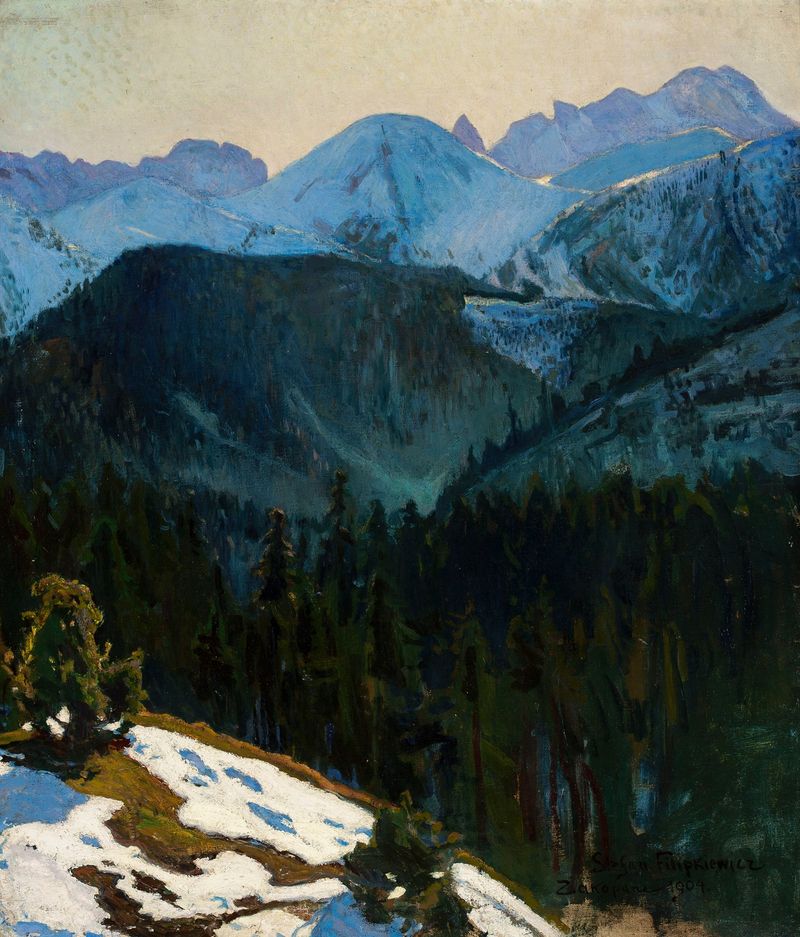
In Thaw in the Tatra Mountains, the interplay of vibrant hues and icy remnants invites us to explore the delicate tension of nature’s rebirth amidst the lurking specter of fear. The lush greens battling the stubborn whites evoke a sense of an awakening world, yet one fragile and uncertain, poised at the edge of transformation. Look to the vibrant green foreground, where subtle brushstrokes blend into the melting snow, creating a harmonious dialogue between life and decay. The peaks rise dramatically in the background, sharply defined against a sky that dances between azure and grey.
Notice how the light filters through the clouds, casting ethereal reflections on the thawing surface—an exquisite moment captured in oil that breathes life into the stillness, revealing Filipkiewicz's mastery of color and composition. Within this scene lies a poignant contrast: the cycle of life returning with vigor while the remnants of winter still cling stubbornly to the earth. Each stroke hints at the fragility of this transition—the warmth of spring comes with an undercurrent of fear, as it threatens to obliterate the familiar chill of winter. This duality reflects not just the seasonal shift but also the emotional landscape of human experience, where beauty often shadows pain, reminding us of the transient nature of joy and fear intertwined. Stefan Filipkiewicz painted Thaw in the Tatra Mountains in 1904 while living in Poland, a time when he sought to capture the intimate relationship between nature and humanity.
The era was marked by a rising interest in plein air painting, and Filipkiewicz was deeply influenced by the dramatic landscapes of the Tatra Mountains, where he found both inspiration and solace. This work emerges from a period of artistic exploration, reflecting the broader movements of the time while uniquely embodying his vision of nature’s quiet, yet powerful, dialogue.
More Artworks by Stefan Filipkiewicz
Browse all →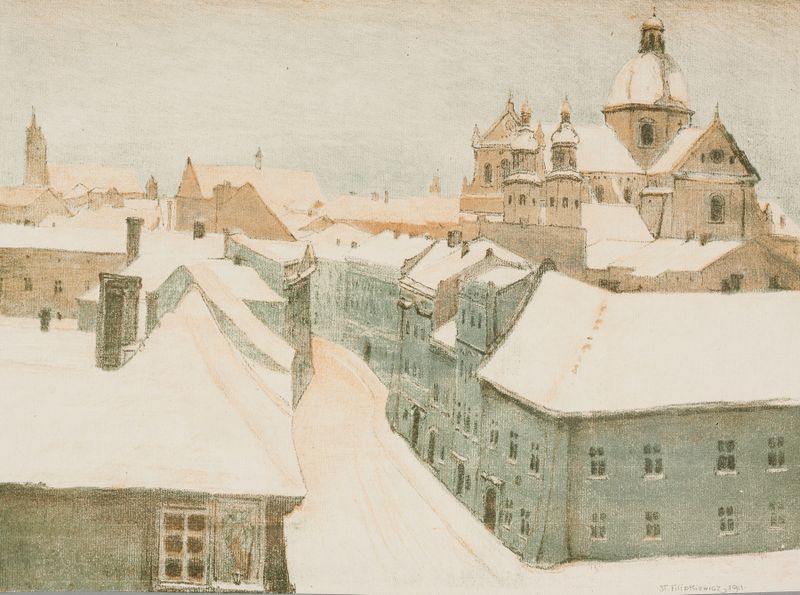
View of Krakow from Wawel
Stefan Filipkiewicz
Tatra Mountain view
Stefan Filipkiewicz

Sad w cieniu
Stefan Filipkiewicz

Forest stream in winter
Stefan Filipkiewicz
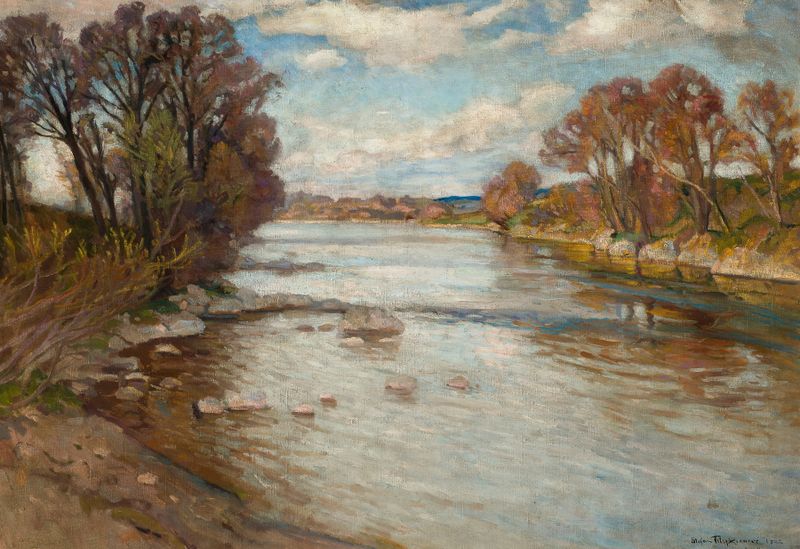
The Dunajec River at Szaflary
Stefan Filipkiewicz

Dorfkirche
Stefan Filipkiewicz

Forest Stream
Stefan Filipkiewicz
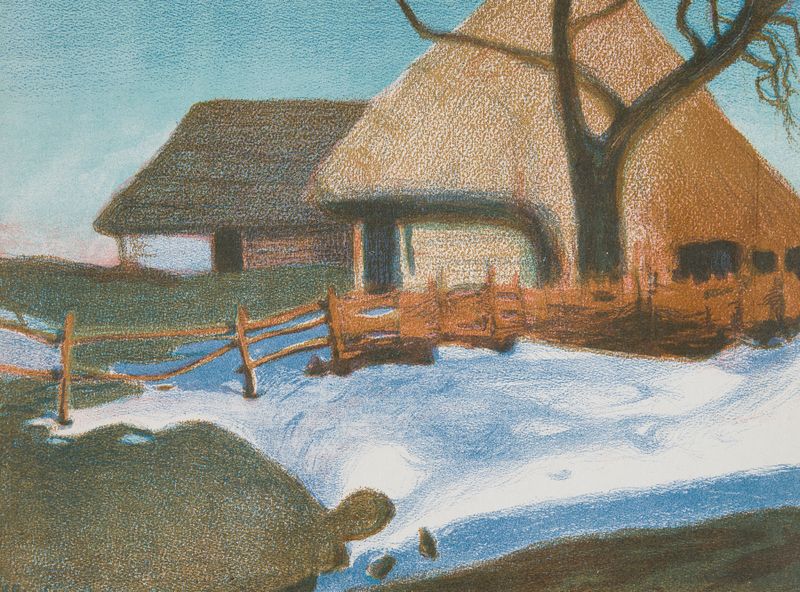
Rural landscape
Stefan Filipkiewicz

Tatra Mountain view
Stefan Filipkiewicz

Panorama of the Tatra Mountains
Stefan Filipkiewicz





