
Panthéon Français — History & Facts
In the shadows of history, where the light of truth flickers dimly, a moment of revelation awaits. It is within the depths of Panthéon Français that layers of meaning unfold, inviting us to delve into an artist's contemplation of identity and legacy. Focus on the central figure, a solemn yet regal embodiment of France. The artist uses bold, contrasting colors that imbue the canvas with a sense of urgency.
The deep blues and vibrant reds create a palpable tension, while the careful play of light highlights the delicate features, drawing the eye irresistibly toward the face that bears the weight of a nation’s history. Notice the diagonal lines that lead us through the composition, guiding our gaze from the intricately detailed garments to the looming architecture behind, suggesting a strong connection between the individual and the collective. Underneath the surface, emotional tensions arise from the juxtaposition of personal and national identity. The figure’s gaze is both introspective and defiant, evoking a complex interplay of hope and despair.
Additionally, the architectural elements in the background symbolize the monumental nature of revolutionary change, and their looming presence raises questions about permanence versus transience. This canvas vibrates with the duality of pride and vulnerability, reflecting the turbulent spirit of a society in flux. Jean-Baptiste Hilaire created this evocative piece in 1794 during the fervent period of the French Revolution, an era marked by radical shifts in culture and politics. Living in Paris, he was influenced by the revolutionary ideals that permeated art, advocating for the power of imagery in reshaping national identity.
At that moment, the world of art was embracing new perspectives, challenging conventions and celebrating the individual’s voice amidst the cacophony of change.
More Artworks by Jean-Baptiste Hilaire
Browse all →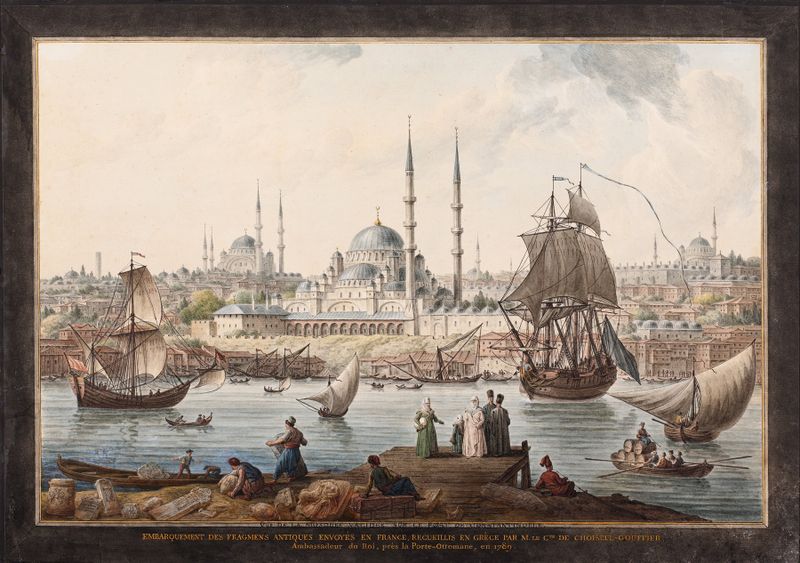
Yeni Camii and The Port of İstanbul
Jean-Baptiste Hilaire
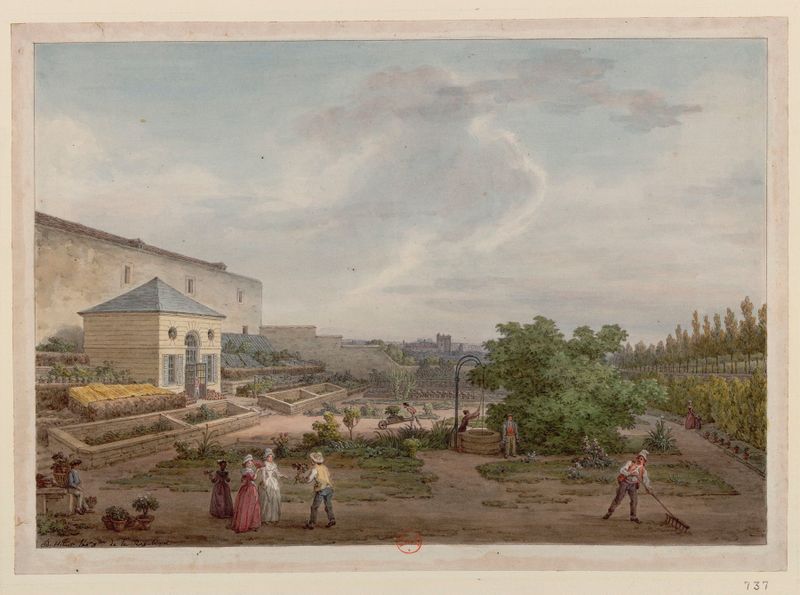
Jardin du Roy. Les serres
Jean-Baptiste Hilaire
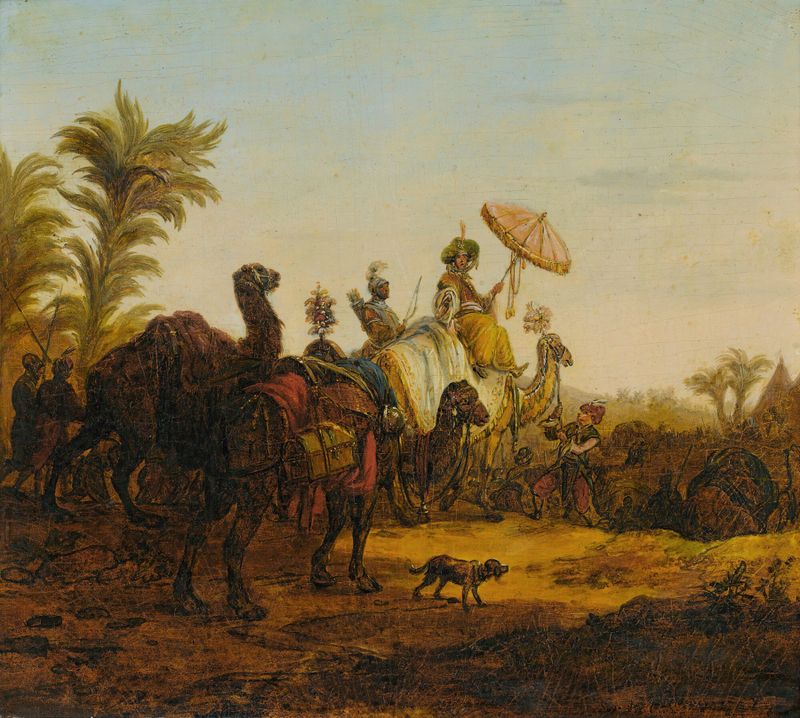
Caravan In The Desert
Jean-Baptiste Hilaire
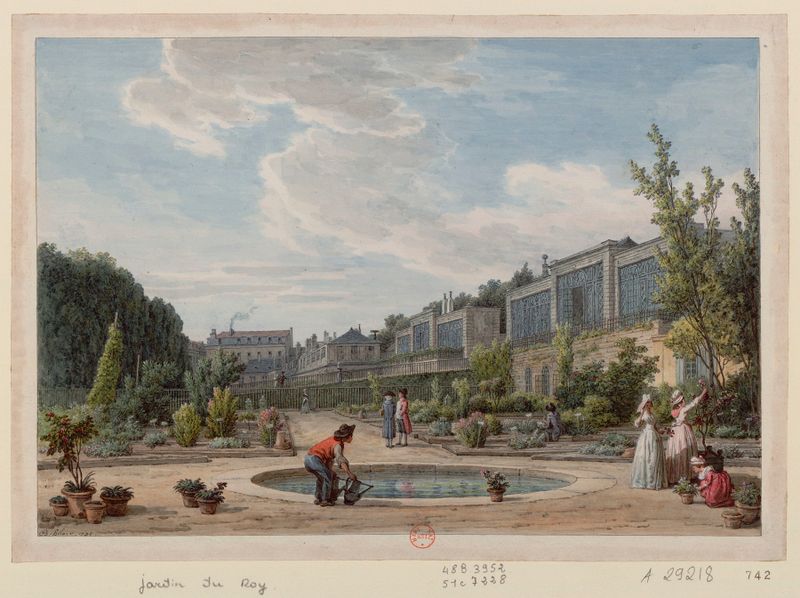
Jardin du Roy
Jean-Baptiste Hilaire
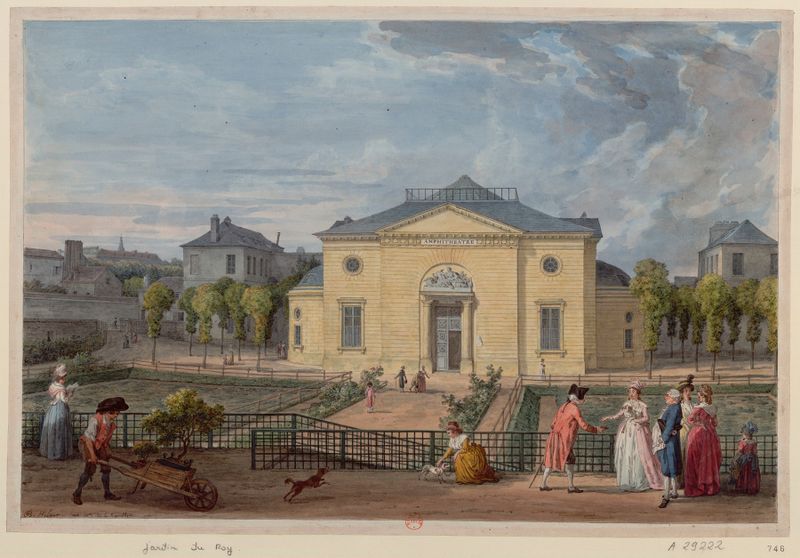
Amphithéâtre dans le Jardin du Roy
Jean-Baptiste Hilaire

Personnages orientaux dans des ruines antiques
Jean-Baptiste Hilaire
More Historical Art
Browse all →
The Night Watch Militia Company of District II under the Command of Captain Frans Banninck Cocq
Rembrandt van Rijn

Lincoln Memorial
Henry Bacon

The Third of May 1808
Francisco de Goya

Isaac and Rebecca, Known as ‘The Jewish Bride’
Rembrandt van Rijn

The Charge of the Mamelukes (1814)
Francisco de Goya

De vier ruiters van de apocalyps
Albrecht Dürer