Pâquerettes — History & Facts
In Pâquerettes, William Bouguereau presents a vibrant display of daisies. The painting is filled with bright whites and yellows, capturing the flowers' delicate petals. The background is softly blurred, allowing the viewer to focus on the intricate details of the blooms.
The overall composition radiates a sense of freshness and natural beauty. Bouguereau's technique is evident in the meticulous brushwork and the realistic portrayal of light. The oil on canvas medium allows for rich color saturation and depth. The flowers are rendered with precision, showcasing Bouguereau's skill in capturing nature.
This work exemplifies the Realism style, emphasizing accuracy and detail. William Bouguereau was known for his ability to depict human figures and nature with remarkable realism. Pâquerettes highlights his fascination with floral subjects, a common theme in his later works. An interesting fact about this painting is that it reflects the artist's dedication to capturing the beauty of everyday life.
Bouguereau's works remain celebrated for their technical excellence and emotional resonance.
More Artworks by William Bouguereau

A Study For The Secret
William Bouguereau
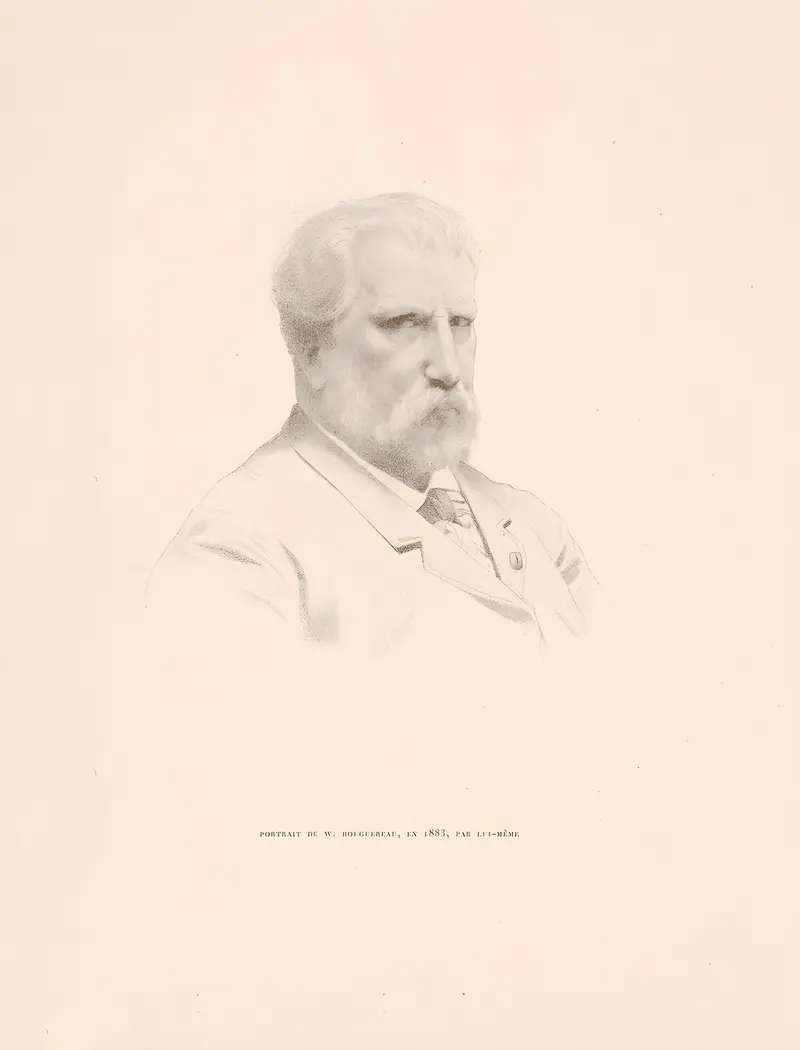
Portrait de W. Bouguereau, en l899
William Bouguereau
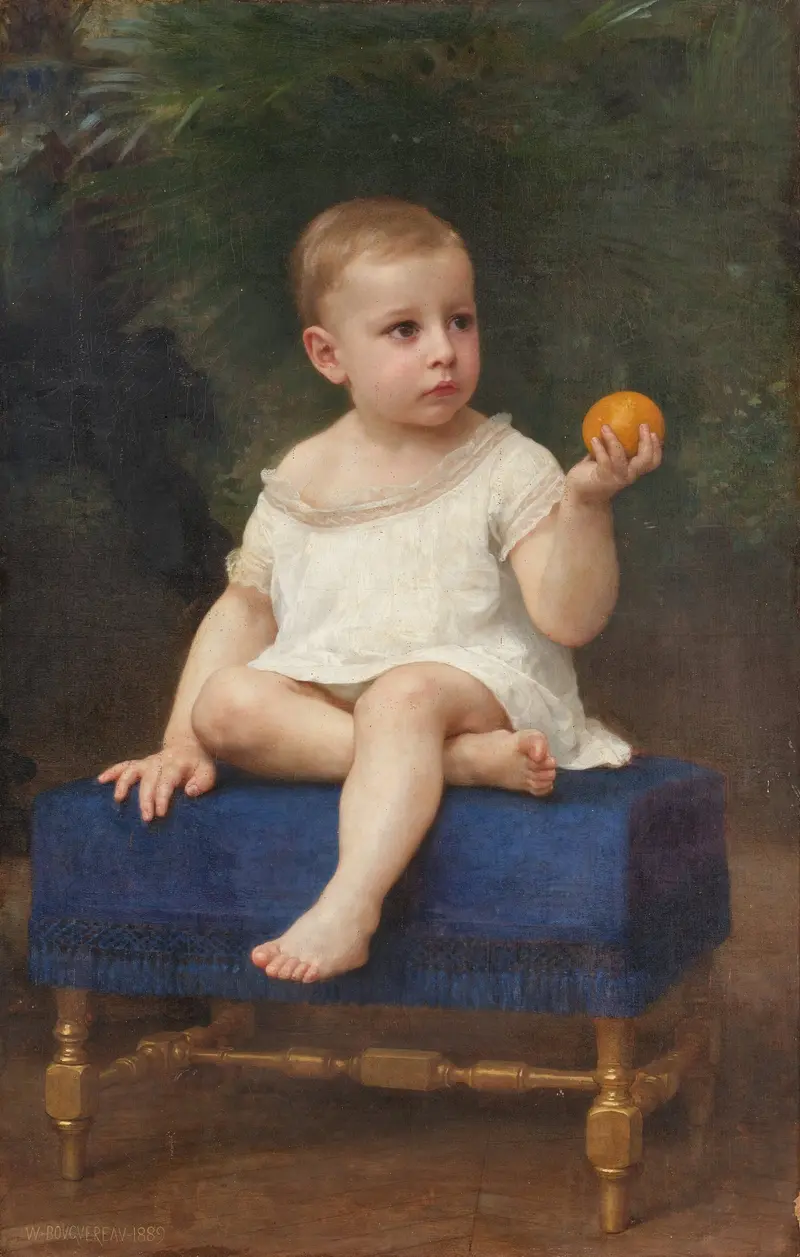
Portrait of a Child of Madame Porter
William Bouguereau
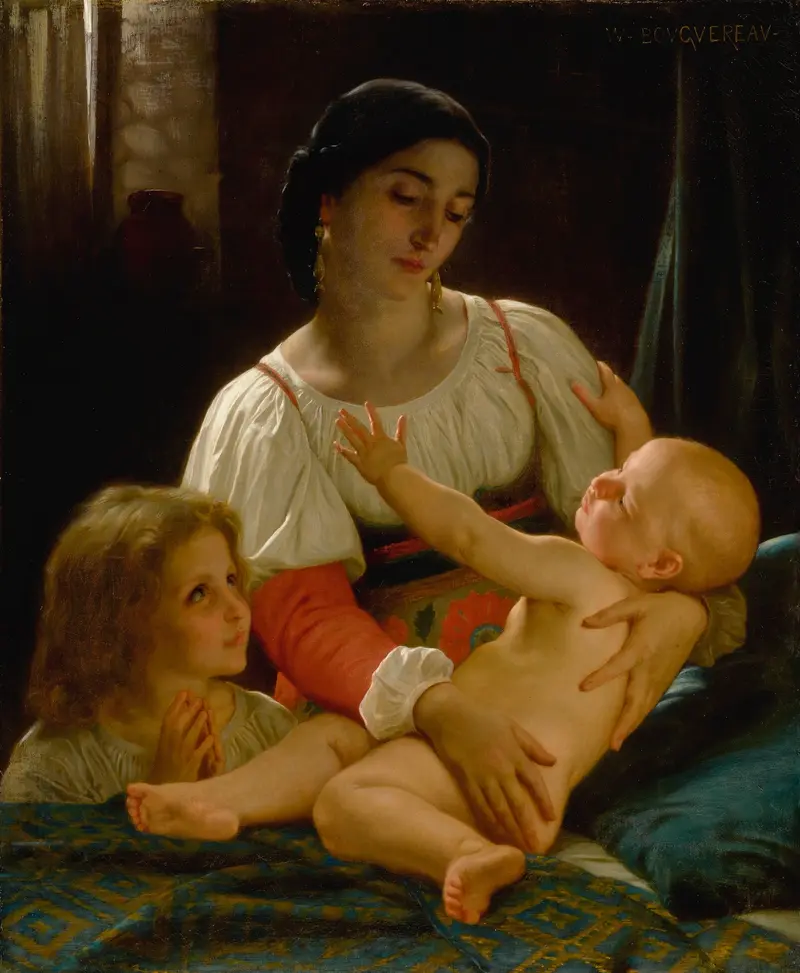
Le Réveil
William Bouguereau
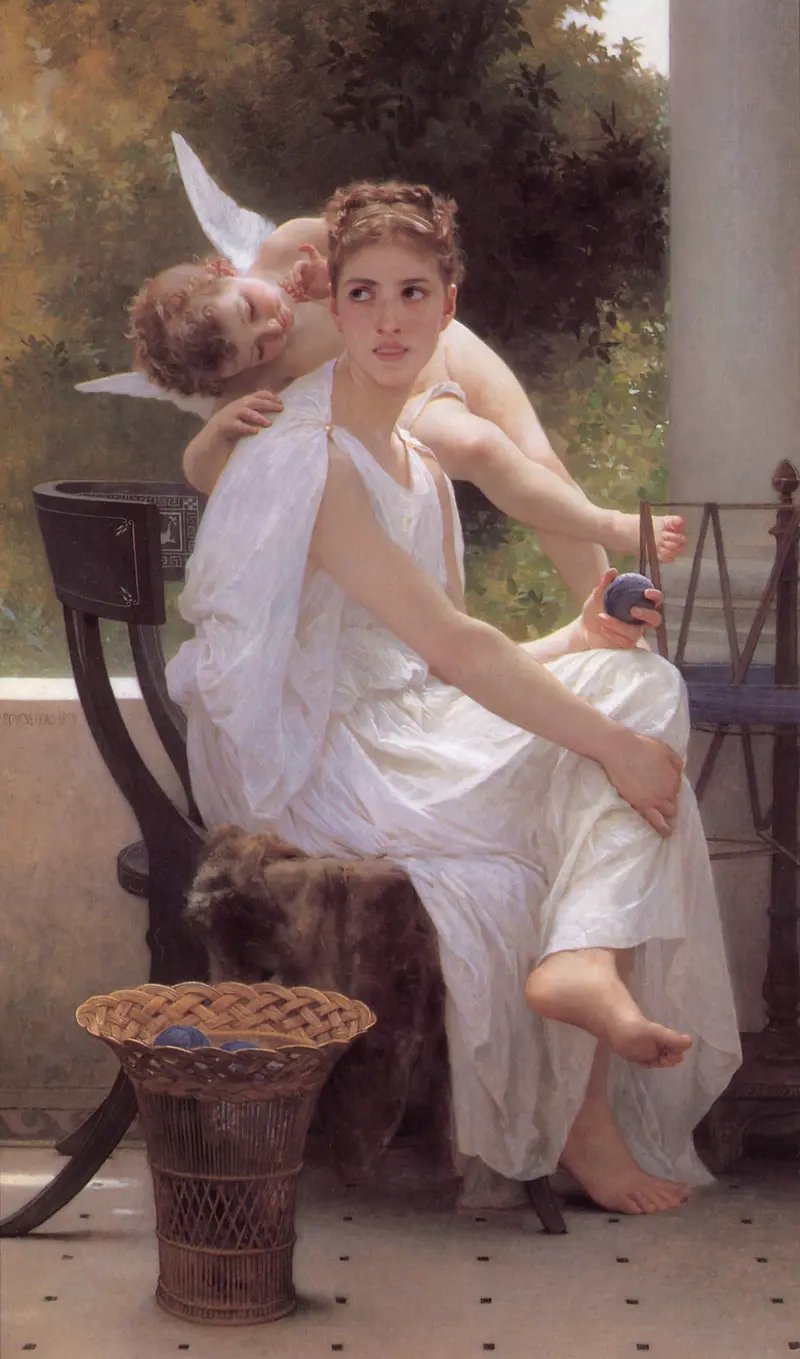
Le travail interrompu
William Bouguereau
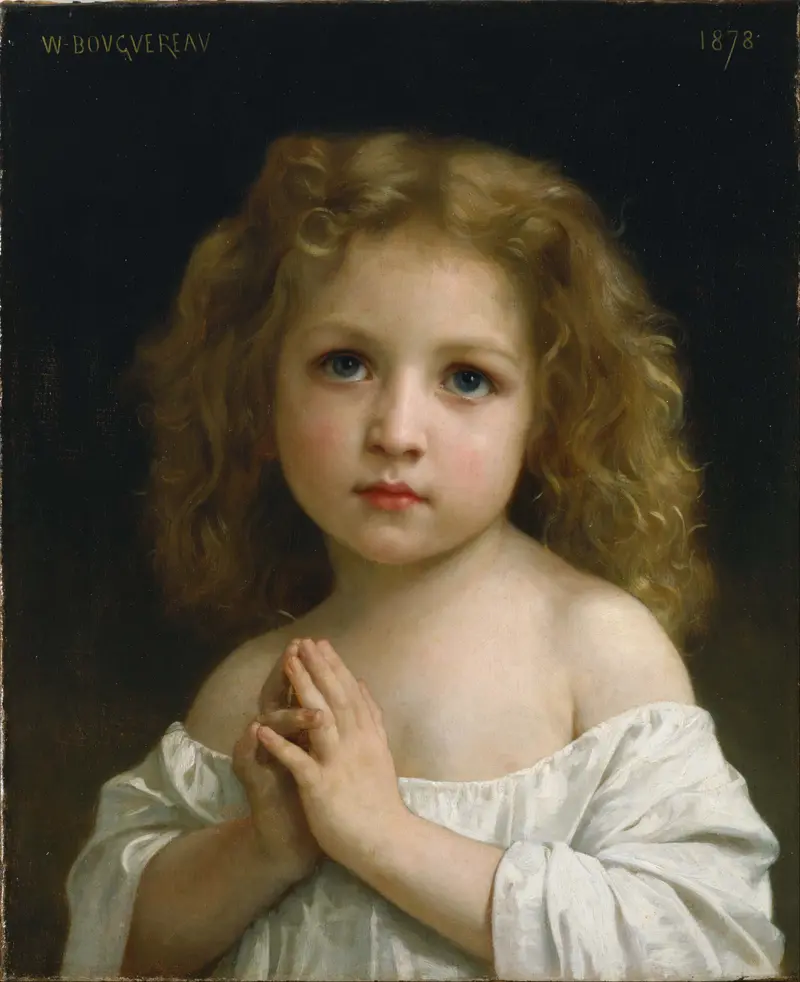
Little Girl
William Bouguereau
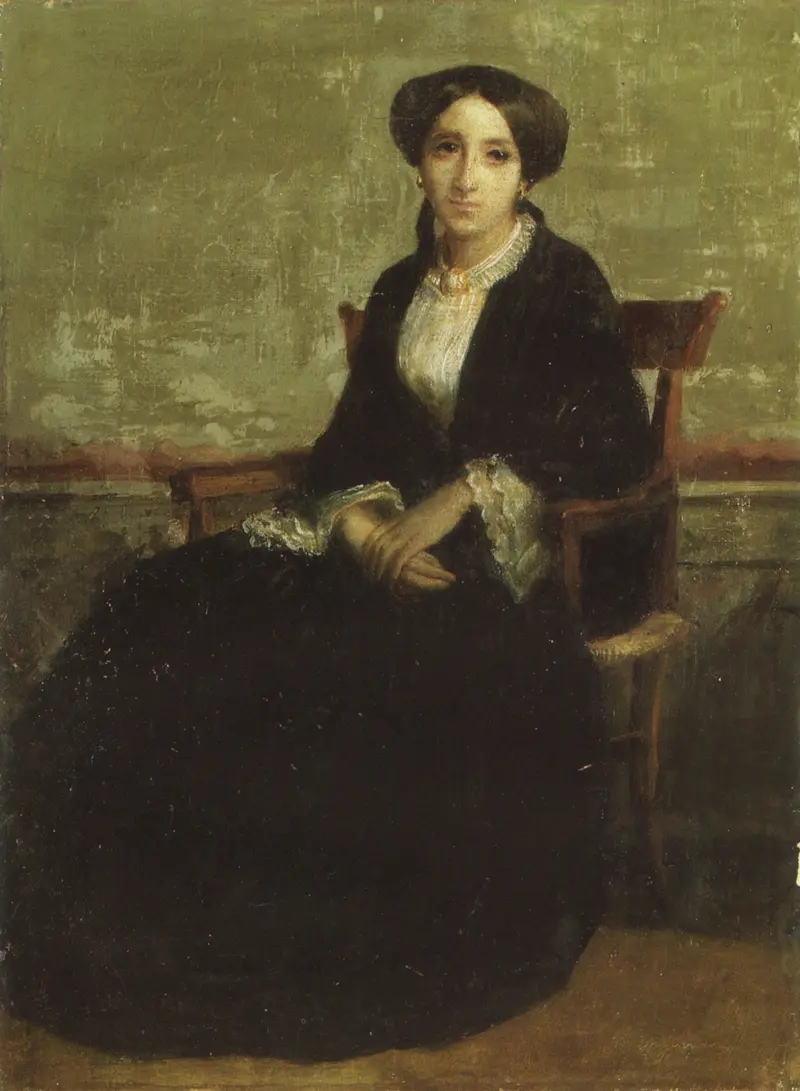
Portrait of Céline Geneviève
William Bouguereau

Bohémienne Au Tambour De Basque
William Bouguereau
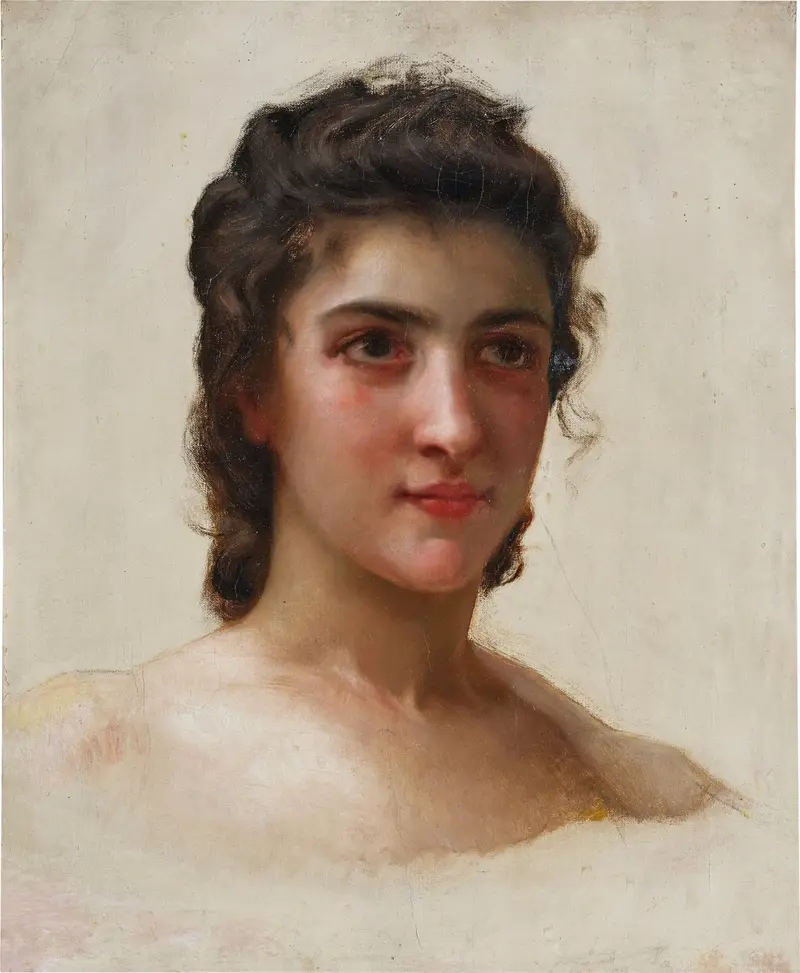
Portrait Study of Gabrielle Drunzer
William Bouguereau
Tête d’enfant
William Bouguereau